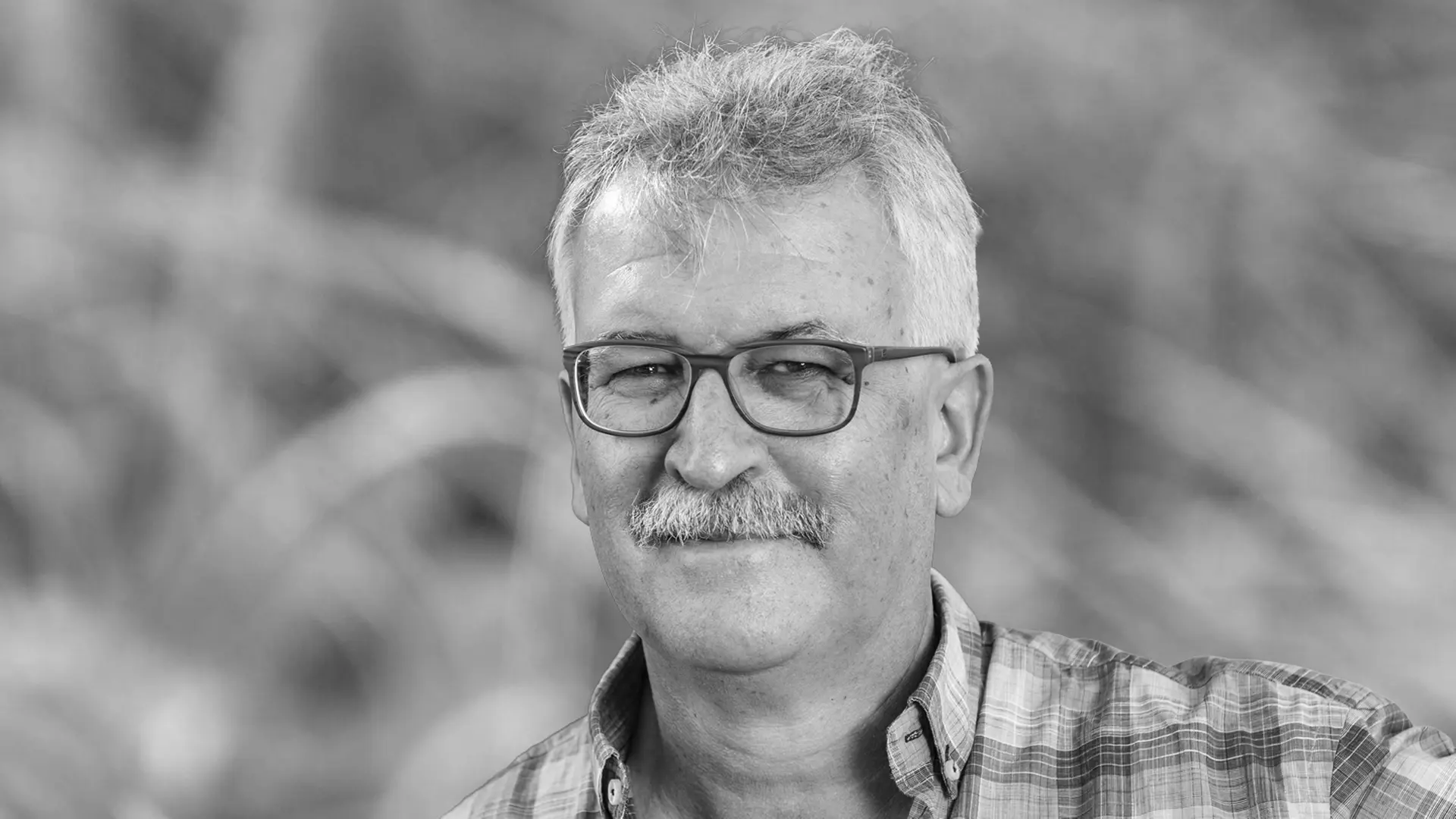
The scientific community is mourning the loss of one of its most prominent voices in conservation. Prof. Josef Settele, a titan of biodiversity research and a tireless advocate for the planet’s ecosystems, passed away unexpectedly on October 9, 2026. His death leaves a significant void in international environmental policy and academic research, marking the end of a career that bridge the gap between complex ecological data and actionable political change.
A leading figure at the Helmholtz Centre for Environmental Research (UFZ) in Halle, Germany, Settele was a cornerstone of global efforts to halt the extinction crisis. As a key contributor to both the Intergovernmental Science-Policy Platform on Biodiversity and Ecosystem Services (IPBES) and the Intergovernmental Panel on Climate Change (IPCC), he was instrumental in shaping the global discourse on how humanity must reconcile its survival with the health of the biosphere.
The Life and Work of a Visionary
Born in the Allgäu region of Germany, Josef Settele dedicated his professional life to the intricate study of how land use, climate change, and insect populations intersect. An agricultural scientist by training, he became an authority on the ecology of insects in cultural landscapes—the areas where human activity and nature most directly collide.
His work was defined by a unique ability to synthesize high-level research with the harsh realities of agricultural policy. He was not merely a researcher in a lab; he was a boots-on-the-ground scientist who understood that the future of biodiversity depended on the cooperation of farmers, policymakers, and the general public. At the Martin-Luther-University Halle-Wittenberg, where he served as an adjunct professor, he mentored a generation of students to view conservation not as an abstract ideal, but as a socio-ecological necessity.

A Chronology of Scientific Impact
Settele’s career was marked by consistent, high-impact contributions to environmental science. His trajectory reflects the evolving urgency of the climate and extinction crises:
- Establishing the Baseline: One of his most enduring legacies is the initiation and leadership of the German Butterfly Monitoring scheme. By creating the only nationwide, long-term monitoring project for insects in the country, he provided the empirical backbone necessary to track the catastrophic decline in insect populations—a bellwether for wider ecological collapse.
- International Recognition: By the mid-2010s, Settele had emerged as a central figure in the IPBES, often serving as a co-chair for major regional and thematic assessments. His work helped standardize how the world measures the "ecosystem services" that nature provides to humanity—from pollination to water purification.
- The IPCC Bridge: In recent years, Settele became a fierce advocate for "joined-up" thinking. He argued successfully that climate change and biodiversity loss cannot be treated as separate silos. His work on the 2022 IPCC report underscored this, pushing for policy frameworks that address both crises simultaneously.
- A Lasting Name: In a testament to his influence on entomology, the scientific community honored him in 2021 by naming a new genus of moths, Setteleia, after him. The genus, found in the Philippines, consists of four species of lichen moths, a fitting tribute for a man who spent his life championing the "small things that run the world."
Supporting Data: Why Settele’s Work Mattered
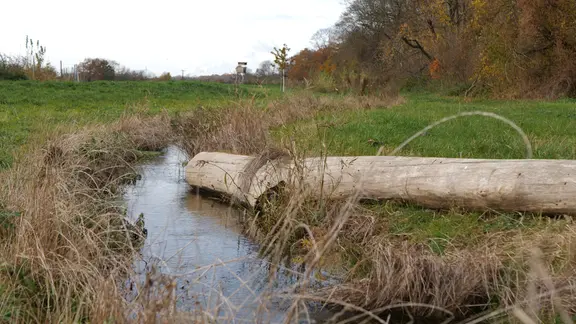
Josef Settele’s research was driven by the cold, hard numbers of a planet in distress. His data-driven approach often highlighted the severe degradation of European habitats. Notably, his work revealed that nearly 80% of butterfly habitats across the European Union have been severely damaged or destroyed.
His research consistently emphasized the "ecosystem services" model. As he famously stated in a recent interview, "We eat biodiversity!" This was his way of reminding the public that our food systems—and by extension, our economic stability—are entirely dependent on the complex web of life that we are currently dismantling.
His quantitative focus on "tipping points" served as a warning to world leaders: ecosystems do not decline linearly; they hit thresholds of collapse. Once those thresholds are crossed, restoration becomes exponentially more expensive and, in some cases, impossible.
Official Responses and Tributes
The news of Settele’s passing sent shockwaves through the global scientific community. The Helmholtz-Zentrum for Environmental Research (UFZ) released a poignant statement, describing him as a "passionate researcher and a bridge-builder between science and society."
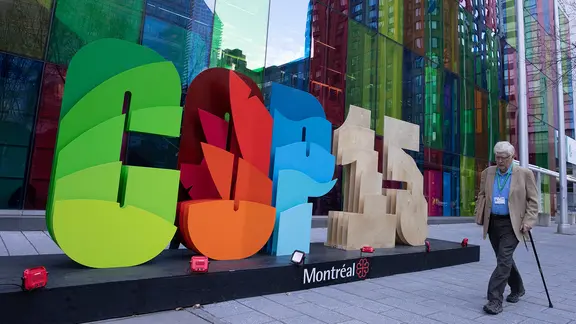
Colleagues have highlighted his rare ability to navigate the high-pressure environment of UN summits without losing his academic integrity. Unlike many researchers who remain confined to peer-reviewed journals, Settele was a regular presence in the media. Whether explaining the complex mechanics of an ecosystem collapse to journalists or contributing op-eds on the necessity of "preventative conservation," he was a master communicator.

"He was the conscience of our department," said one long-time colleague at the UFZ. "Josef didn’t just tell us what the data said; he told us what the data demanded of us as a society."
The Implications: A Legacy of "Preventative Action"
The central theme of Settele’s late-career work was the "dilemma of prevention." He frequently noted that the greatest challenge in modern conservation is that the rewards of environmental protection are often realized decades after the policies are enacted. This temporal mismatch—where current generations must sacrifice immediate gains for the benefit of those not yet born—was the primary obstacle he sought to overcome.
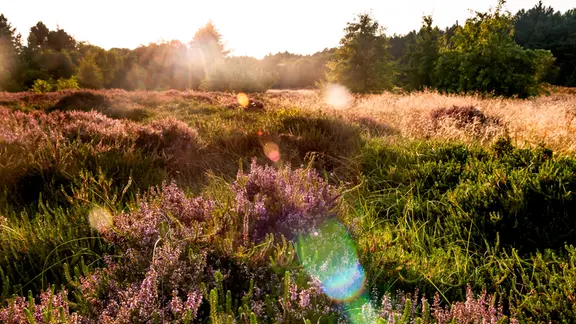
His call to action remains his most enduring legacy: "It must succeed in anchoring nature and climate protection as a common guiding principle of political action—and to implement the findings!"
Looking Ahead
The loss of such a figure comes at a precarious time. As the UN enters the latter half of the decade, the pressure to restore ecosystems by 2030 is mounting. Settele’s research serves as both a roadmap and a challenge. He proved that it is possible to "repair" nature—a concept he often explored in his work on renaturation projects—but he also warned that we are running out of time.

For the scientific community, the task now is to continue the monitoring projects he initiated and to maintain the momentum of the global policy frameworks he helped build. As his colleagues at the UFZ have noted, a condolence book has been opened, but the true tribute to Josef Settele will be the continued, aggressive pursuit of the goals he championed: a world where biodiversity is not a casualty of progress, but the very foundation of it.
In his memory, researchers around the globe are reminded that every hectare of land restored and every species protected is a victory for the planet—a mission Settele lived for until the very end. His voice may be silent, but the data he championed will continue to speak for the earth for decades to come.