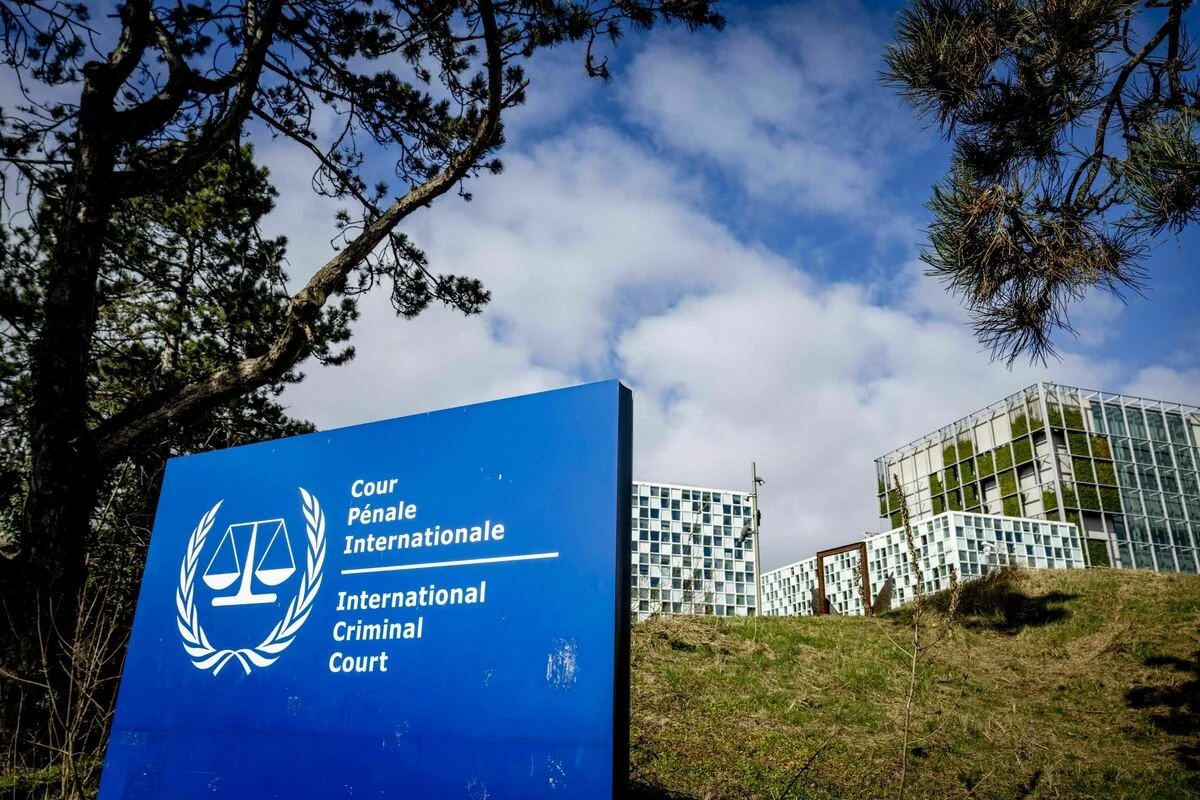
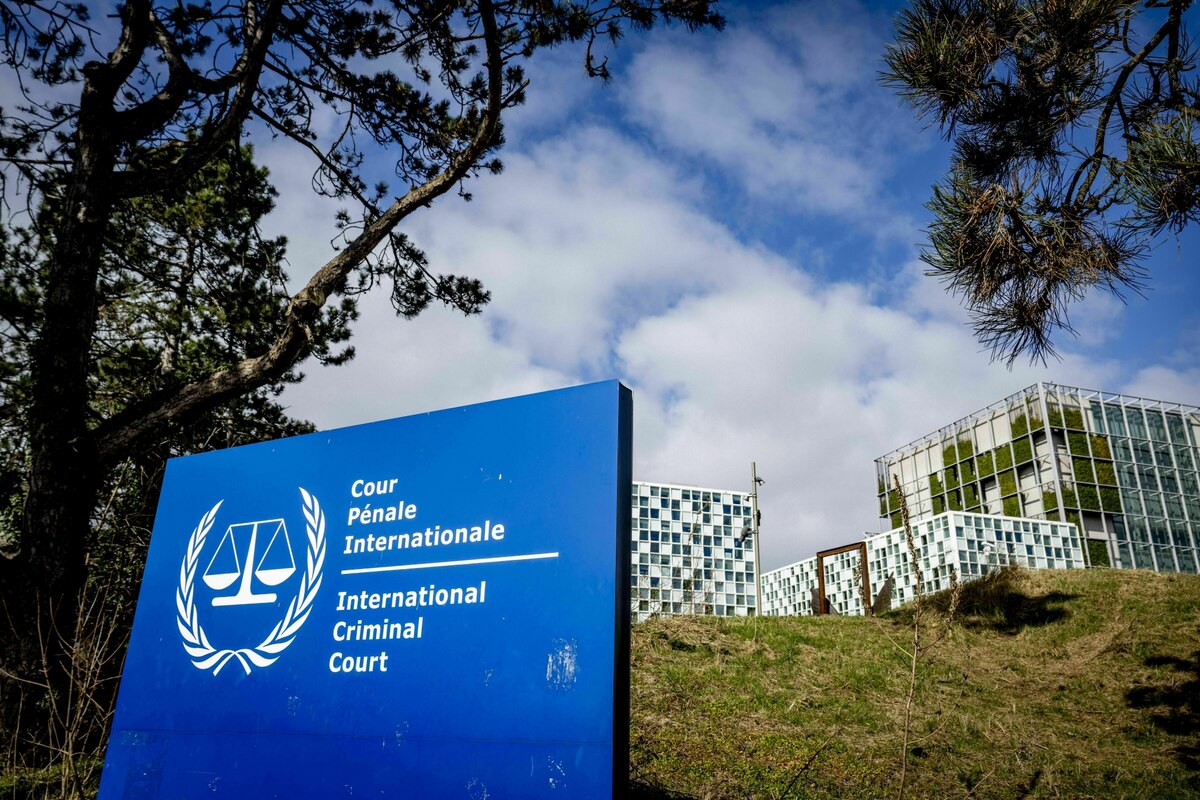
In a dramatic escalation of geopolitical warfare, the Trump administration has launched a systemic campaign to dismantle the International Criminal Court (ICC). What began as diplomatic posturing has devolved into a full-scale economic blockade, targeting not just the institution, but the individual judges and prosecutors tasked with upholding international law. For jurists like Canada’s Kimberly Prost, the fallout has been personal, professional, and chilling.
The conflict marks a watershed moment in the history of international justice. By employing the same sanctions mechanisms typically reserved for drug cartels, terrorists, and pariah states, Washington is attempting to render the "World Court" obsolete. This report examines the mechanics of the siege, the toll on those standing in the crosshairs, and the shifting tectonic plates of global justice.
The Ultimatum in New York
In July 2025, Reed Rubinstein, an advisor to the Trump administration, arrived at the United Nations headquarters in New York. His presence was an anomaly: he was there to address the 125 states party to the Rome Statute, even though the United States has never been a member of the court.
Rubinstein’s message was blunt. He characterized the ICC’s actions—specifically regarding investigations into U.S. and Israeli actions—as "unlawful." He warned the assembled delegates that the U.S. would employ "all appropriate means" to halt the proceedings. "Let me be unmistakably clear," Rubinstein stated. "All investigations and all arrest warrants against the U.S. and Israel must be ceased. Otherwise, all options remain on the table."
That ultimatum was not mere rhetoric. By August 2026, the administration had systematically expanded its "Specially Designated Nationals" (SDN) list to include nearly a dozen ICC judges and prosecutors, effectively turning the Hague-based institution into a pariah in the eyes of the global financial system.
A Chronology of Escalation: From Scrutiny to Sanction
The assault on the ICC did not happen overnight; it followed years of mounting tension regarding the court’s jurisdiction.
- 2020: The ICC authorized investigations into alleged war crimes in Afghanistan, including actions by the Taliban, Afghan military forces, and U.S. intelligence and military personnel.
- November 2024: The ICC issued arrest warrants for Israeli Prime Minister Benjamin Netanyahu and former Defense Minister Yoav Gallant, citing war crimes in the Gaza conflict.
- August 2025: The first wave of targeted sanctions hit. Judges from Benin, Uganda, Peru, and Slovenia, along with Chief Prosecutor Karim Khan, were placed on the U.S. sanctions list.
- Late 2025–Early 2026: The scope widened. Five additional judges and three prosecutors were added to the list.
- October 2026: The Trump administration announced a formal move to prohibit all transactions with the court, effectively seeking to "starve" the institution of its operational capacity.
The human cost of these sanctions is profound. French judge Nicolas Guillou, who co-signed the warrants for Israeli leadership, found his private life dismantled. His bank accounts were frozen, credit cards cancelled, and access to essential services—including Airbnb, PayPal, and even Amazon—was severed.
The "Engel of Death" and the Weight of Evidence
Despite the external pressure, the court continues its work. In May 2026, the ICC saw the trial of Khaled El Hishri, a former Libyan prison commander. El Hishri, arrested at Berlin’s BER airport, stands accused of systemic torture.
The trial serves as a grim reminder of why the ICC exists. Prosecutor Nazhat Shameem described the conditions in the Mitiga prison, where El Hishri was allegedly known as the "Angel of Death." The evidence included video surveillance of prisoners being starved and shot in the legs. For the victims present in the courtroom, the trial was more than a legal proceeding—it was a long-awaited confrontation with their tormentor.
Yet, the irony remains: while the court handles these harrowing cases of human rights abuses, its own staff are being treated as criminals by the world’s most powerful democracy.
The Psychological Toll: Life on the SDN List
For Justice Kimberly Prost, the reality of being sanctioned is "psychologically difficult to accept." Having dedicated her career to the rule of law, she now finds herself listed on page 2,070 of the U.S. Treasury’s sanctions document, wedged between members of the Sinaloa drug cartel and Russian-backed oligarchs.
"It feels absolutely terrible," Prost says. The uncertainty is the worst part. When she travels, she never knows if a hotel booking will be honored or if her credit card will be rejected at the checkout counter. Even professional engagements have become precarious; as a principal speaker at a recent legal conference, she was forced to participate via Zoom because the host organization feared that flying her in or paying her honorarium would trigger a U.S. audit.

The impact extends to the entire staff. A major European insurance firm, Axa, abruptly stopped processing health insurance claims for ICC employees, forcing them to pay for medical care out of pocket. Such administrative hurdles have created a culture of paranoia within the Hague.
Official Responses and the Failure of Solidarity
The international response has been fragmented. While the Nobel Committee awarded the 2026 Peace Prize to former ICC judge Navi Pillay in a direct show of support for the court, political backing has been harder to secure.
The European Union possesses a "Blocking Statute" designed to shield its companies and citizens from extraterritorial U.S. sanctions. However, its activation requires a unanimous vote from the European Council. Nations like Germany have remained hesitant to invoke it, fearing the economic fallout of a direct confrontation with Washington.
Meanwhile, U.S. Secretary of State Marco Rubio has doubled down on the administration’s stance. "We will prohibit transactions with this rogue court, cut its resources, and paralyze its work," Rubio declared. "Either the ICC ends its targeting of our allies, or we will end the ICC."
Implications: A Shifting Global Order
The consequences of this siege are reshaping the international legal landscape in ways that may be irreversible.
1. The Pivot to the Global South
Historically, the ICC was criticized by African leaders as a "club of the West." Today, the dynamic has flipped. States in the Global South, including South Africa, are now the most vocal proponents of the court, using it to pursue grievances against Western-aligned powers. The court is no longer seen as a tool of imperialism, but as an increasingly essential instrument for the Global South to demand accountability.

2. The Loss of U.S. Moral Authority
By attacking the court, the U.S. is effectively abandoning its role as a champion of international norms. Observers note that when the U.S. treats judges like terrorists, it cedes the moral high ground to its geopolitical rivals, including China and Russia, who have long advocated for a multipolar world that ignores Western-defined international law.
3. Institutional Existentialism
The ICC is currently facing an existential crisis. If the court cannot maintain its digital infrastructure, process payments, or ensure the safety of its judges, it will cease to function as a global arbiter. The forced relocation of the Rome Statute assembly from New York to The Hague symbolizes the closing of doors: the United States is becoming a "no-go area" for international justice.
Conclusion: The Future of the Bench
As the court prepares for upcoming judicial elections, the candidates—including Senegalese jurist Abdoulaye Seye—are being warned of the risks. They are essentially being asked to volunteer for a life of professional exile, under constant threat of financial ruin.
The case of the ICC is a canary in the coal mine for the liberal international order. If a powerful state can successfully dismantle a court simply by declaring its work "unlawful," the precedent for future international cooperation is bleak. As Kimberly Prost noted, "This is not a symbolic measure. This is a serious attack on the law." Whether the ICC survives the pressure, or whether it becomes the first major casualty of a new era of unconstrained power, remains to be seen. What is clear, however, is that the era of universal justice is currently under siege, and the walls are closing in.