In a significant development for German public health, the Robert Koch-Institut (RKI) has confirmed the first-ever domestic (autochthonous) case of Sindbis virus infection. While the disease is generally mild, its emergence in Central Europe marks a shift in the regional pathogen landscape, highlighting the increasing role of local mosquito populations as vectors for emerging viral diseases.
Executive Summary: The Discovery of the Sindbis Virus
The Robert Koch-Institut (RKI), Germany’s central authority for infectious disease control, recently published a bulletin detailing the confirmed diagnosis of a 60-year-old patient from Baden-Württemberg. The patient, who sought medical attention in July 2026, presented with symptoms that initially baffled clinicians. Subsequent laboratory analysis conducted in September confirmed the presence of the Sindbis virus—a pathogen previously associated primarily with Northern Europe and parts of Africa and Asia, but never before contracted locally within German borders.
This case is classified as "autochthonous," meaning the patient acquired the infection locally rather than through international travel. This distinction is critical for epidemiologists, as it confirms that the necessary components for transmission—the virus, the vector (mosquitoes), and the host (birds)—are successfully circulating within the German ecosystem.
Chronology of the Case: From Misdiagnosis to Confirmation
The timeline of this medical milestone began in mid-summer 2026.
- July 2026: A 60-year-old male resident of Baden-Württemberg presented to his primary care physician with acute symptoms, including high fever, skin rashes, and severe joint pain (arthralgia). Given the known presence of the invasive Aedes albopictus (Asian tiger mosquito) in the region, medical staff initially suspected a potential case of Chikungunya fever, a disease known for causing similar clinical presentations.
- August 2026: Initial diagnostic tests for Chikungunya, as well as other common travel-associated arboviruses, returned negative results. The patient remained under observation, and his symptoms gradually subsided, though the lack of a definitive diagnosis prompted further investigative screening.
- September 2026: Advanced serological testing was conducted. Laboratory analysis identified specific antibodies indicative of a recent Sindbis virus infection.
- October 2, 2026: The RKI formally released the findings in its epidemiological bulletin, confirming this as the first known case of local transmission of the Sindbis virus in Germany.
The patient’s case serves as a diagnostic template for the medical community, illustrating how easily emerging viruses can be overlooked when they mimic more commonly recognized tropical diseases.
Understanding the Sindbis Virus: A Brief Profile
The Sindbis virus is an alphavirus, part of the Togaviridae family. It is an "arbovirus"—a term derived from "arthropod-borne," indicating that it is transmitted by insects.
Mechanism of Transmission
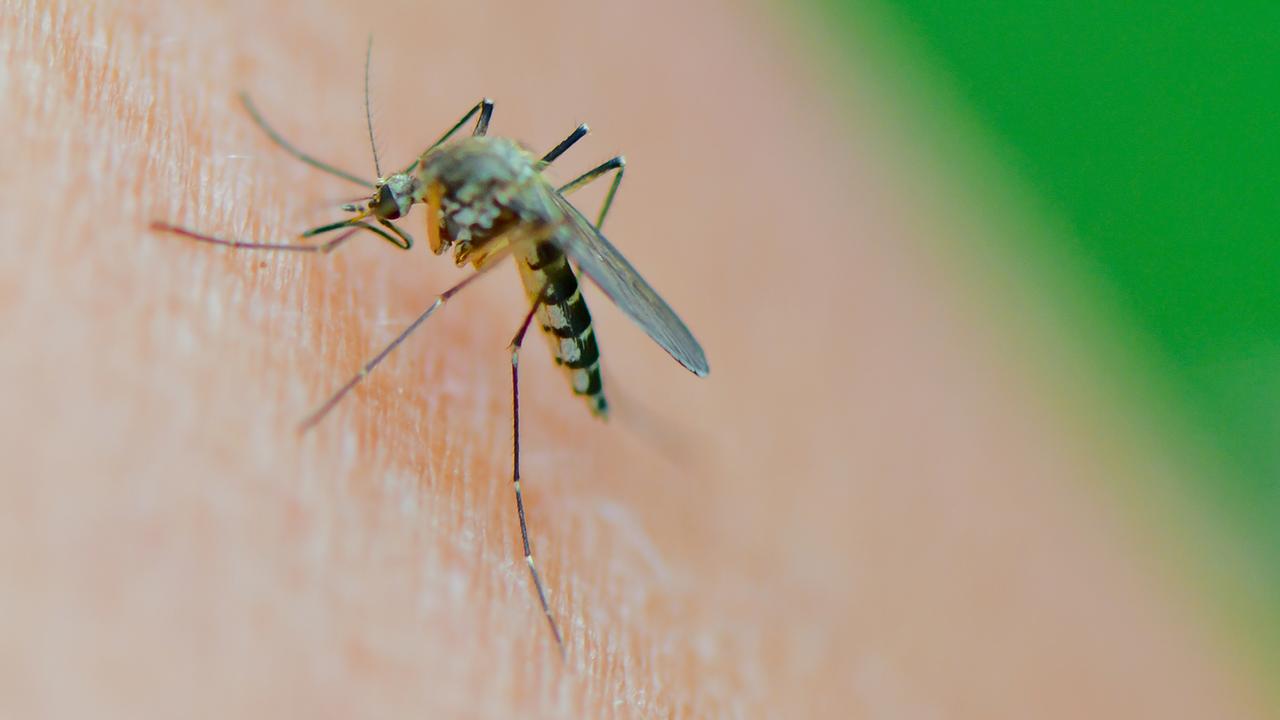
In the natural environment, the virus relies on a "bird-mosquito-bird" cycle. Mosquitoes (primarily of the Culex genus in Europe) feed on infected wild birds, which act as reservoirs and multiply the virus. When these mosquitoes subsequently bite humans, the virus is transmitted.
Crucially, humans are "dead-end hosts." This means that while a human can become ill, the concentration of the virus in the human bloodstream is insufficient to be picked up by another mosquito and passed on. Therefore, there is no risk of human-to-human transmission, and the virus does not spread through casual contact.
Regional Context: The "Pogosta" Connection
While new to Germany, the virus is well-established in Northern Europe. In Sweden, it is known as "Ockelbo disease," and in Finland, it is referred to as "Pogosta disease." These outbreaks typically occur in late summer and early autumn, coinciding with the peak activity of the mosquitoes that carry the virus. The arrival of this virus in Southern Germany suggests that climatic changes or ecological shifts may be expanding the geographic range of the vectors capable of sustaining the viral cycle.
Clinical Manifestations and Patient Prognosis
For the vast majority of infected individuals, the Sindbis virus is not fatal. However, it can cause significant discomfort.
Primary Symptoms
- Acute Febrile Illness: Sudden onset of high fever is a hallmark of the infection.
- Dermatological Manifestations: Patients often report a maculopapular rash, which can spread across the torso and limbs.
- Joint and Muscle Pain: The most debilitating aspect of the infection is often the arthralgia. Patients may experience swelling, stiffness, and pain in the joints, which can sometimes persist for months after the fever has subsided.
Long-term Outlook
While recovery is generally expected within one to two weeks, the persistent nature of the joint inflammation can impact a patient’s quality of life. In rare instances, patients may experience neurological symptoms, although these are considered the exception rather than the rule. Clinical management is currently limited to supportive care—treating the fever and pain with anti-inflammatory medication and ensuring adequate hydration.
Implications for Public Health and Clinical Practice
The confirmation of an autochthonous case forces a re-evaluation of diagnostic protocols in German healthcare facilities.
Diagnostic Vigilance
The RKI is urging physicians to broaden their differential diagnosis. When a patient presents with "the triad" of fever, rash, and joint pain, clinicians have traditionally looked for imported tropical diseases (like Dengue or Chikungunya) or Lyme disease. The RKI now recommends that in regions where these tests return negative, Sindbis virus infection should be considered as a viable candidate.
The Role of Climate Change
Ecologists note that the warming climate in Central Europe is creating more favorable conditions for mosquito populations. Extended summer seasons and milder winters allow for longer breeding cycles and the potential northward expansion of vector species. The Sindbis virus is just one of many arboviruses that experts have warned could move into new territories as ecosystems shift.
Surveillance and Future Research
Public health officials are now tasked with:
- Vector Monitoring: Increasing the surveillance of local mosquito populations to determine the prevalence of the virus in the wild.
- Reservoir Studies: Conducting studies on local bird populations to understand the environmental footprint of the virus.
- Public Awareness: Educating the public on traditional mosquito avoidance strategies, such as the use of repellents, protective clothing, and the removal of standing water where mosquitoes breed.
Official RKI Guidance
The RKI emphasizes that there is no cause for public panic. The Sindbis virus does not currently pose a threat of an epidemic in the traditional sense, as it cannot spread from person to person. However, it serves as a "sentinel" pathogen—a warning that the environment is changing and that the medical community must remain agile.
"The case in Baden-Württemberg is a reminder that the world of infectious diseases is dynamic," said an RKI spokesperson. "We must continue to invest in diagnostic capacity and environmental monitoring to ensure that as these pathogens appear, we are ready to identify and manage them effectively."
Conclusion: Adapting to a New Reality
The arrival of the Sindbis virus in Germany is a significant epidemiological event, but it is also a manageable one. It underscores the importance of the "One Health" approach—the understanding that human health is inextricably linked to the health of animals and the environment.
As Germany navigates this new reality, the focus will remain on rapid detection and public education. While the medical community works to understand the full scope of the virus’s reach in Germany, the public is encouraged to maintain standard precautions against mosquito bites. The 2026 case serves as a milestone, marking the beginning of a more vigilant era in German infectious disease surveillance, ensuring that the health system remains one step ahead of the evolving viral landscape.