

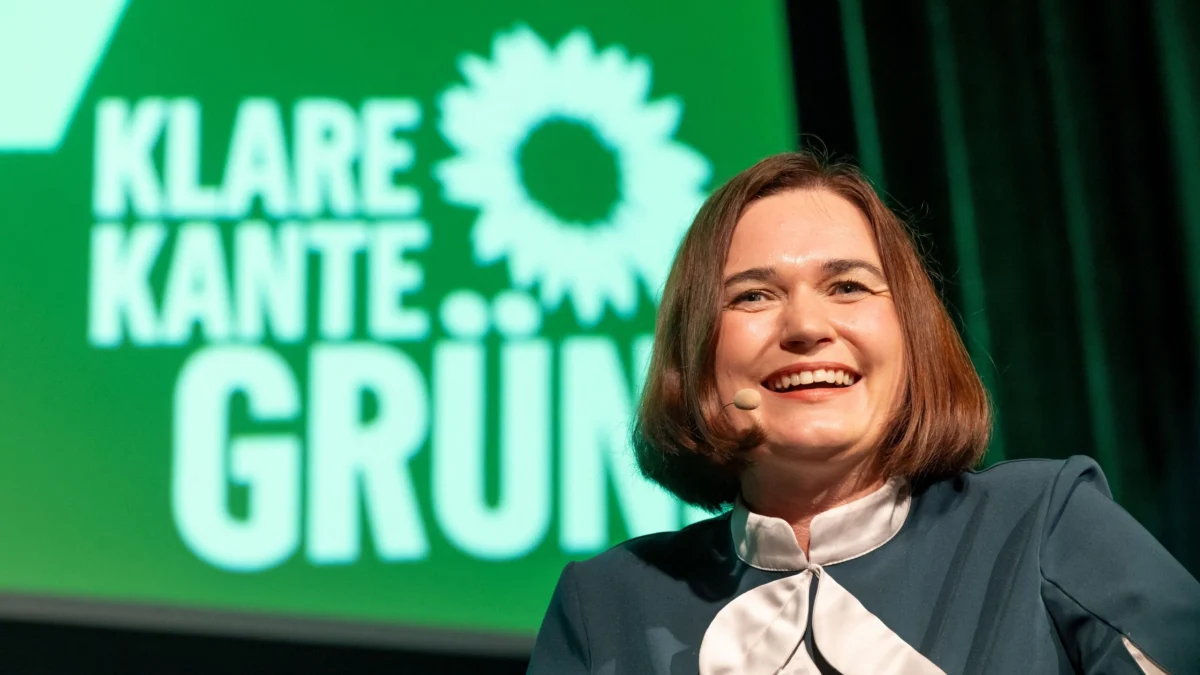
ROSTOCK, GERMANY – In a significant political development poised to reshape the governance of Mecklenburg-Vorpommern, the Social Democratic Party (SPD), Die Linke (The Left), and Bündnis 90/Die Grünen (Alliance 90/The Greens) have officially given their unanimous approval to commence formal coalition negotiations. This decision, following a period of intensive exploratory talks, paves the way for the formation of the state’s first-ever Red-Red-Green government, marking a historic entry for the Greens into a state-level administration in Schwerin.
The prospect of a "Red-Red-Green" alliance, mirroring potential national configurations, has generated considerable interest, particularly given the Greens’ previous struggles to gain a strong foothold in the northeastern German state. Their inclusion in a governing coalition signals a potential shift in policy priorities for Mecklenburg-Vorpommern, with a strong emphasis expected on climate protection, social justice, and enhanced citizen participation.
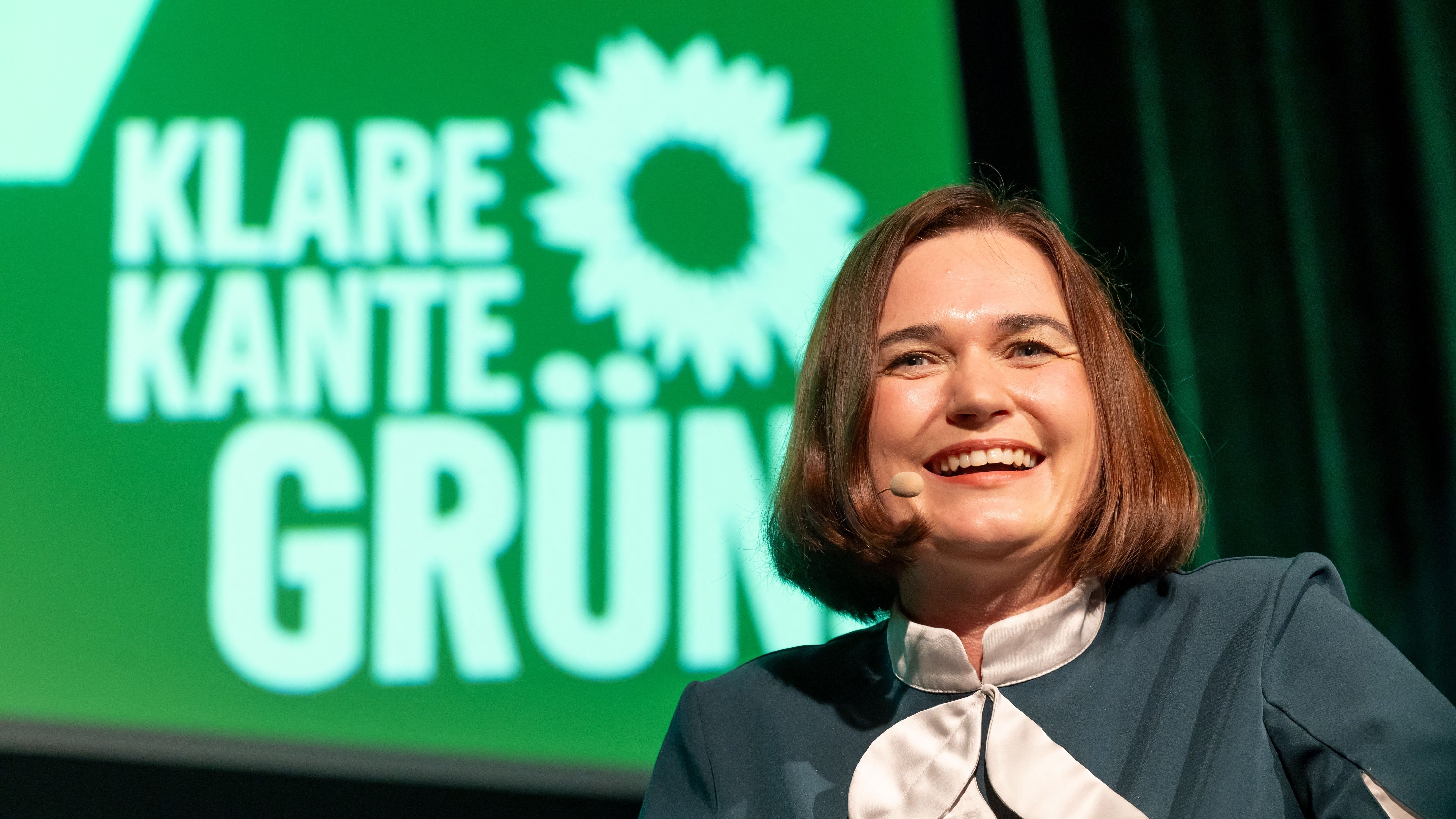
Claudia Müller, the Greens’ lead candidate, captured the mood of anticipation and determination following her party’s decision at a small party conference in Rostock. "Nun beginnt die Arbeit," she declared, emphasizing that the real work of translating their political vision into concrete government policy now begins. She highlighted the critical need to rebuild public trust and foster a new era of collaboration between citizens, government, and parliament, advocating for expanded citizen dialogues and the implementation of public referendums.
The impending coalition talks underscore a new chapter for Mecklenburg-Vorpommern, a state with a unique political and socio-economic landscape. As the parties embark on formal negotiations, the focus will be on crafting a comprehensive governmental program that addresses the region’s challenges and capitalizes on its opportunities, while navigating the intricacies of a three-party alliance.
Chronology of Coalition Formation
The path to a potential Red-Red-Green coalition in Mecklenburg-Vorpommern has been a carefully orchestrated process, initiated by the results of the state election and guided by a series of political deliberations.
September 26, 2021: State Election Results
The 2021 Mecklenburg-Vorpommern state election delivered a clear mandate to the Social Democratic Party (SPD), which emerged as the undisputed strongest force. The official results were as follows:
- SPD: 39.6% (34 seats)
- AfD (Alternative for Germany): 16.7% (14 seats)
- CDU (Christian Democratic Union): 13.3% (12 seats)
- Die Linke (The Left): 9.9% (9 seats)
- Bündnis 90/Die Grünen (Alliance 90/The Greens): 6.3% (5 seats)
- FDP (Free Democratic Party): 5.8% (5 seats)
A total of 77 seats comprise the Schwerin state parliament (Landtag), meaning a majority requires at least 39 seats. The combined strength of the SPD (34 seats), Die Linke (9 seats), and The Greens (5 seats) totals 48 seats, providing a comfortable working majority of nine mandates, far exceeding the minimum requirement.
It is important to note a factual discrepancy in the original source material, which incorrectly stated the AfD as the "strongest force" with "32 seats" and the SPD with "29 seats." Based on the verified official results of the 2021 state election, the SPD was the clear winner with 39.6% of the votes and 34 seats, while the AfD placed second with 16.7% and 14 seats. This rewrite proceeds with the accurate election data.

Initial Post-Election Landscape and Exploratory Talks
Following the decisive victory, Minister-President Manuela Schwesig of the SPD immediately began the process of sounding out potential coalition partners. Given the SPD’s strong performance, a continuation of the grand coalition with the CDU was an option, but the arithmetic also allowed for a left-leaning alliance. Schwesig quickly engaged in exploratory discussions with various parties to assess common ground and potential areas of conflict.
The exploratory talks between the SPD, Die Linke, and The Greens were described as "very intensive" by participants, covering a broad spectrum of policy issues from economic development and social welfare to climate protection and digital infrastructure. These initial discussions aimed to determine if a sufficient basis for formal coalition negotiations existed, identifying shared objectives and outlining frameworks for compromise.
Formal Approval for Negotiations
The critical juncture arrived when each of the three potential coalition partners held internal consultations to decide whether to proceed to the next stage.
- SPD: As the largest party and the clear election winner, the SPD’s leadership and parliamentary group quickly endorsed the move to formal negotiations, confident in their ability to lead the process and shape the coalition agreement. Minister-President Schwesig publicly confirmed their readiness to begin.
- Die Linke: On Friday preceding the Greens’ decision, Die Linke also gave its "green light" for the coalition talks. This decision reflected the party’s desire to participate in governance and implement its social policy agenda.
- Bündnis 90/Die Grünen: The final hurdle was cleared when a "Kleiner Parteitag" (small party conference) of the Greens in Rostock unanimously voted in favor of entering coalition negotiations. This unanimous decision underscored the party’s eagerness to finally join a state government in Mecklenburg-Vorpommern, a long-held ambition.
Commencement of Formal Negotiations
With all three parties having secured internal approval, Minister-President Manuela Schwesig announced that formal coalition negotiations were scheduled to commence on Monday at 11:00 AM. This marks the beginning of a detailed and likely challenging phase, where party platforms will be reconciled, specific policy measures will be drafted, and the distribution of ministerial portfolios will be decided.
Supporting Data: The Political Landscape and Party Agendas
The formation of a Red-Red-Green coalition in Mecklenburg-Vorpommern is not merely a numbers game; it reflects the evolving political dynamics within the state and the broader German political landscape. Each party brings its distinct history, voter base, and policy priorities to the negotiating table.
The Social Democratic Party (SPD)
The SPD has historically been the dominant political force in Mecklenburg-Vorpommern since German reunification, consistently leading state governments. Their strong showing in the 2021 election, under the popular leadership of Minister-President Manuela Schwesig, reaffirmed their position as the state’s leading party.
Leadership and Popularity: Manuela Schwesig enjoys high approval ratings, often seen as a pragmatic and empathetic leader. Her leadership was crucial in securing the SPD’s strong election performance.
Key Policy Priorities: The SPD’s agenda typically focuses on social welfare, ensuring access to quality education and healthcare, strengthening regional economies (especially in rural areas), and investing in infrastructure. They aim to balance economic development with social equity, appealing to a broad segment of the electorate, including working-class families and retirees. For the upcoming term, areas like affordable housing, childcare, and fostering local businesses are expected to be central.
Die Linke (The Left)
Die Linke maintains a significant presence in Mecklenburg-Vorpommern, building on the legacy of the former East German Socialist Unity Party (SED) in the region. They represent a strong voice for social justice and public services.

Historical Context and Voter Base: The party draws support from older generations and those advocating for robust social safety nets. While their overall vote share has seen fluctuations, their presence in the state parliament remains stable.
Key Policy Priorities: Die Linke’s core demands include combating poverty, ensuring fair wages, strengthening public health and education systems, increasing affordable housing, and promoting peace and anti-fascist initiatives. They are likely to push for progressive social policies, a stronger role for the state in economic regulation, and measures to protect tenants and vulnerable populations within the coalition.
Bündnis 90/Die Grünen (Alliance 90/The Greens)
The Greens’ entry into a state government in Mecklenburg-Vorpommern is a landmark achievement, reflecting their gradual growth in a state where environmental issues have historically taken a backseat to economic development concerns.
Historic Breakthrough: Despite their national prominence, the Greens have struggled to establish a strong voter base in MV, often hovering around the 5% electoral threshold. Their 6.3% in 2021, while modest compared to other states, was enough to secure five seats and a place at the negotiating table. This marks their first participation in a state government in Schwerin.
Leadership and Vision: Claudia Müller, as the top candidate, has been instrumental in articulating the party’s vision for a more sustainable and participatory Mecklenburg-Vorpommern. Her emphasis on regaining public trust through dialogue and referendums points to a desire for a more inclusive governance style.
Key Policy Priorities: Climate protection and environmental sustainability are at the heart of the Greens’ agenda. This includes accelerating the energy transition, promoting organic farming, protecting biodiversity, and developing sustainable tourism. They will also advocate for modernizing education, digital infrastructure, and gender equality. For the coalition, they are expected to push for ambitious climate targets, investment in renewable energies, and ecological transformation of the economy.
The Opposition
While the Red-Red-Green alliance commands a comfortable majority, the opposition parties will play a crucial role in the state’s political discourse.

- AfD (Alternative for Germany): As the second-strongest party, the AfD will serve as the primary opposition force. Their platform typically focuses on immigration, law and order, and criticism of established parties and climate policies. Their significant voter base represents a challenge for the incoming government in terms of representation and public discourse.
- CDU (Christian Democratic Union): Having been a long-standing coalition partner, the CDU now finds itself in opposition. They will likely focus on economic issues, agricultural policy, and traditional conservative values, scrutinizing the new government’s decisions, particularly on economic and security matters.
- FDP (Free Democratic Party): The FDP, with its focus on liberal economic policies, individual freedoms, and digital innovation, will also contribute to the opposition, offering alternative policy proposals and holding the government accountable.
Policy Outlook and Potential Impact
The formation of a Red-Red-Green coalition in Mecklenburg-Vorpommern signals a significant shift in the state’s policy direction. The incoming government will face the task of balancing diverse party platforms while addressing the pressing needs of the region.
Climate Protection and Energy Transition
This will undoubtedly be a cornerstone of the new government’s agenda, driven particularly by the Greens. Expect:
- Accelerated Renewable Energy Expansion: Ambitious targets for wind and solar power development, potentially streamlining planning and approval processes. Mecklenburg-Vorpommern has significant potential in offshore wind energy.
- Sustainable Agriculture and Fisheries: Policies promoting organic farming, reducing pesticide use, protecting water bodies, and supporting sustainable fishing practices. This could involve new subsidies or regulations.
- Nature Conservation: Enhanced protection for national parks, nature reserves, and the state’s unique coastal and forest ecosystems.
- Mobility Transition: Investments in public transport, cycling infrastructure, and promotion of electric vehicles, particularly in rural areas where car dependency is high.
Social Justice and Regional Development
The SPD and Die Linke will ensure a strong focus on social cohesion and equitable development across the state.
- Affordable Housing: Initiatives to increase the supply of affordable housing, especially in growing urban centers like Rostock and Schwerin, and to prevent excessive rent increases.
- Healthcare and Education: Strengthening rural healthcare provisions, attracting and retaining medical professionals, and improving educational infrastructure and opportunities, particularly in vocational training.
- Combating Poverty: Measures to support low-income families, elderly citizens, and unemployed individuals, potentially through adjustments to social benefits or job creation programs.
- Digitalization: Investment in broadband expansion across the state to bridge the digital divide between urban and rural areas, supporting remote work and digital learning.
Economy and Tourism
Mecklenburg-Vorpommern’s economy is heavily reliant on tourism, agriculture, and a growing renewable energy sector. The coalition will need to foster economic growth while pursuing environmental goals.

- Sustainable Tourism: Promoting environmentally friendly tourism, investing in eco-tourism infrastructure, and diversifying tourism offerings to reduce seasonal dependency.
- Support for SMEs: Programs to support small and medium-sized enterprises (SMEs), particularly those adopting sustainable practices or innovative technologies.
- Structural Change: Addressing the challenges of demographic change and ensuring future-proof jobs in the region.
Governance and Citizen Participation
Claudia Müller’s call for expanded citizen dialogues and public referendums hints at a more participatory style of governance.
- Citizen Involvement: Mechanisms to involve citizens more directly in policy-making, potentially through citizens’ assemblies or digital participation platforms.
- Transparency: Initiatives to increase transparency in government decision-making.
Challenges and Compromises
Governing in a three-party coalition inevitably presents challenges:
- Balancing Priorities: Reconciling the distinct ideological priorities of three parties – the SPD’s social-democratic pragmatism, Die Linke’s socialist ideals, and the Greens’ ecological focus – will require extensive negotiation and compromise.
- Ministerial Portfolios: The allocation of ministerial roles will be a critical and sensitive part of the negotiations, determining which party leads which key policy areas.
- Public Expectations: The coalition will face high expectations from its diverse voter base, particularly regarding climate action and social justice. Managing these expectations while delivering tangible results will be crucial for its success and stability.
- Opposition Scrutiny: A strong opposition, particularly the AfD, will keenly scrutinize the government’s every move, making effective communication and clear policy implementation essential.
Broader Political Significance
The formation of a Red-Red-Green government in Mecklenburg-Vorpommern holds significance beyond the state’s borders.
Regional Impact: For Mecklenburg-Vorpommern, this coalition represents a fresh start and an opportunity to address long-standing issues with a renewed focus on sustainability and social equity. It could lead to innovative policy solutions tailored to the specific needs of the region.

National Context: At the federal level, Germany recently saw the formation of a "Traffic Light Coalition" (SPD, Greens, FDP). While the MV coalition is "Red-Red-Green" (SPD, Left, Greens), it demonstrates the increasing willingness and ability of these parties to form alliances and govern together. It could serve as a model or a testing ground for similar constellations in other states or even influence future federal political dynamics. The cooperation between SPD and Die Linke, often seen as challenging due to historical baggage, and the inclusion of the Greens, suggests a broader trend towards more diverse coalition arrangements in German politics.
Future Outlook for the Parties: For the Greens, this is a moment of triumph, solidifying their presence in another state government and expanding their influence. For the SPD, it underscores their continued strength and ability to form broad alliances. For Die Linke, it offers a chance to prove their governmental capability and implement their agenda, potentially reversing a trend of declining support in some regions.
As formal negotiations begin, all eyes will be on Schwerin to see how this ambitious Red-Red-Green alliance will shape the future of Mecklenburg-Vorpommern and whether it can set a precedent for progressive governance in Germany. The "work," as Claudia Müller rightly stated, has truly just begun.





















