Warsaw, Poland – October 11, 2026 – Poland’s security apparatus has been thrown into high alert following the discovery of an alleged assassination plot targeting Prime Minister Donald Tusk and Defense Minister Władysław Kosiniak-Kamysz. Authorities have convened an emergency meeting of the nation’s counter-terrorism center, signaling the grave nature of the intelligence received. While details remain scarce, officials have described the threat as "very high probability" and significantly more alarming than previous security warnings.
The revelation underscores the heightened geopolitical tensions in Eastern Europe, with Poland playing a critical frontline role as a staunch ally of Ukraine against Russian aggression. The alleged plot, if confirmed, would represent a dangerous escalation in attempts to destabilize a key NATO and European Union member state, potentially impacting regional security and international relations.
A Nation Stunned: Immediate Response to Grave Threat
The Polish Ministry of Interior announced earlier today that the national police force had obtained credible intelligence pointing to a meticulously planned attack against two of the country’s most prominent political figures. Prime Minister Donald Tusk, a veteran European statesman known for his unwavering opposition to Russian expansionism, and Defense Minister Władysław Kosiniak-Kamysz, who is spearheading Poland’s ambitious military modernization efforts, were identified as the primary targets.
The gravity of the situation was immediately recognized by top security officials. A spokesperson for the Interior Ministry, utilizing the online platform X (formerly Twitter), confirmed that a critical meeting had been convened at the counter-terrorism center within the internal intelligence agency. This swift response highlights the perceived urgency and seriousness of the threat. Both the Interior Minister and the Minister responsible for the coordination of special services swiftly issued directives, ordering comprehensive measures to be implemented.
Jacek Dobrzyński, the spokesperson for the coordinator of secret services, conveyed the stark assessment of the intelligence community. According to the Polish Press Agency (PAP), Dobrzyński stated, "The relevant authorities have assessed the probability of these assassination threats being carried out as very high. We are taking this deadly seriously." This unambiguous declaration left little doubt about the profound concern gripping Warsaw’s security establishment. The immediate convening of the meeting was a direct consequence of this alarming assessment, aimed at coordinating a robust and comprehensive response across all relevant agencies.
Unfolding Crisis: A Detailed Chronology of Events
The first indications of the looming threat emerged in the early hours of Sunday, October 11, 2026. Government spokesperson Adam Szłapka informed TVN24 that Prime Minister Tusk was briefed on the intelligence findings during the predawn hours. "This signal was significantly more disturbing than similar signals in the past," Szłapka emphasized, indicating a qualitative shift in the nature or credibility of the current threat compared to previous, less substantiated warnings.
Following the Prime Minister’s early morning briefing, a rapid chain of command was activated. The intelligence was disseminated to key security officials, leading to the immediate call for a meeting at the national counter-terrorism center. This center, likely operating under the auspices of the Internal Security Agency (ABW – Agencja Bezpieczeństwa Wewnętrznego), is designed to coordinate responses to major security threats, including terrorism and state-sponsored destabilization efforts.
The meeting involved high-ranking representatives from various security and intelligence agencies, including the Internal Security Agency, the Intelligence Agency (AW – Agencja Wywiadu), the Military Counterintelligence Service (SKW – Służba Kontrwywiadu Wojskowego), the Ministry of Interior, and other specialized units. Their immediate tasks would have included:
- Threat Assessment: A deeper analysis of the intelligence, attempting to identify the source, methodology, and capabilities of the plotters.
- Security Augmentation: Implementing immediate and enhanced protection protocols for Prime Minister Tusk, Defense Minister Kosiniak-Kamysz, and potentially other high-value targets within the government.
- Information Sharing: Coordinating intelligence with international partners, especially within NATO and the EU, given the potential for foreign involvement.
- Public Communication Strategy: Developing a carefully calibrated message to inform the public without inciting panic, while simultaneously projecting an image of governmental control and resilience.
Despite the gravity of the situation, Szłapka reassured the public that Prime Minister Tusk was continuing his work as normal. This statement aims to project an image of stability and continuity, demonstrating that the government remains fully functional and unbowed by the threat. However, behind the scenes, an extensive and urgent investigation would undoubtedly be underway, with all available resources dedicated to uncovering the full scope of the plot and neutralizing the perpetrators.
The Geopolitical Crucible: Why Poland is a Target
The alleged assassination plot against Poland’s top leaders cannot be viewed in isolation; it is deeply intertwined with the country’s critical geopolitical position and its unwavering stance against Russian aggression. Poland serves as a vital bulwark on NATO’s eastern flank, a frontline state that has consistently championed a robust defense posture and an uncompromising approach to Moscow’s imperial ambitions.
Since Russia’s full-scale invasion of Ukraine in February 2022, Poland has emerged as an indispensable ally, providing significant military, humanitarian, and financial aid to Kyiv. It has become the primary logistical hub for Western military equipment and supplies flowing into Ukraine, a role that undeniably places it in Moscow’s crosshairs. This strategic importance, coupled with its strong advocacy for sanctions and increased pressure on the Kremlin, makes Poland, and its leadership, a prime target for destabilization efforts.
Prime Minister Donald Tusk, having previously served as President of the European Council, brings a wealth of international experience and a deeply ingrained skepticism towards Russian intentions. His return to power marked a renewed emphasis on European cooperation and a more assertive foreign policy, particularly concerning Russia. Defense Minister Władysław Kosiniak-Kamysz, as the head of the Ministry of National Defense, is responsible for overseeing Poland’s ambitious military build-up, which includes significant procurements of advanced weaponry and a substantial increase in troop numbers. This rapid modernization is explicitly aimed at deterring potential aggression, further solidifying Poland’s perceived threat to Russia’s regional objectives.
Moreover, Poland has been a frequent target of various forms of hybrid warfare, including cyberattacks, disinformation campaigns, and provocations along its border with Belarus, a close Russian ally. These activities aim to sow discord, undermine public trust, and test the resilience of Polish society and its institutions. An assassination plot, if state-sponsored, would represent a dramatic and dangerous escalation of these hybrid tactics, moving beyond digital interference to direct physical harm against political leaders. The historical context of Polish-Russian relations, often marked by periods of domination and resistance, adds another layer of complexity, making any threat emanating from the East particularly resonant.
Domestic Security Landscape: Navigating Threats
Poland’s internal security apparatus is a complex network designed to counter a range of threats, from domestic extremism to foreign intelligence operations. The Internal Security Agency (ABW) is primarily responsible for internal counter-terrorism, counter-intelligence, and the protection of state secrets and critical infrastructure. The Intelligence Agency (AW) focuses on external intelligence gathering. In a situation like the current alleged plot, both agencies, along with the national police and the military counterintelligence, would be working in concert.
The "Terror Prevention Center" mentioned by the Interior Ministry acts as a central coordinating body, ensuring that information is shared seamlessly and responses are synchronized across various governmental departments. This integrated approach is crucial when facing threats that could involve multiple dimensions, from physical security to cyber warfare and psychological operations.
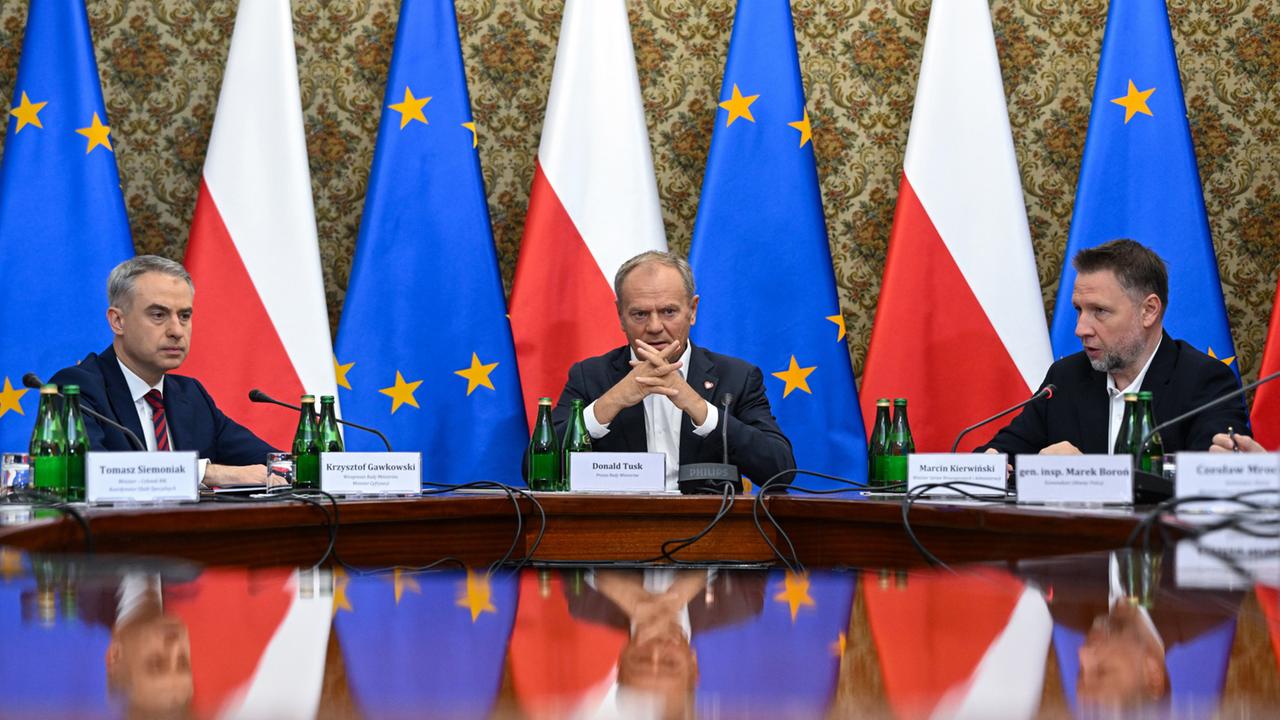
While the specific nature of the alleged plot remains undisclosed, the "very high probability" assessment suggests that the intelligence gathered is robust and detailed, potentially including information on methods, timing, or even specific individuals involved. This level of threat demands a multi-pronged security response. Beyond the immediate protection of Tusk and Kosiniak-Kamysz, it would likely trigger a broader review of security protocols for other government officials, critical national infrastructure, and public spaces.
The psychological impact of such a threat on the Polish populace cannot be underestimated. While Poles are generally resilient and accustomed to geopolitical challenges, an alleged assassination plot against their democratically elected leaders can breed anxiety and uncertainty. The government’s messaging will therefore be critical – reassuring the public while simultaneously underscoring the seriousness of the situation and the measures being taken to safeguard national security. This incident could also intensify the political discourse, potentially leading to increased calls for national unity or, conversely, exacerbating existing domestic divisions depending on how the threat is perceived and managed.
Official Statements and Assurances: Government’s Stance
In the immediate aftermath of the revelations, Polish officials have walked a tightrope, conveying the extreme seriousness of the threat while simultaneously projecting an image of steadfast resolve and governmental control. The initial announcement from the Interior Ministry spokesperson on X served as the official public notification, indicating the government’s commitment to transparency, even amidst a highly sensitive security situation.
Jacek Dobrzyński’s statement, emphasizing that authorities are taking the matter "deadly seriously" and assessing the probability of the threats as "very high," was crucial in setting the tone. It underscored that this was not a routine security alert but a genuinely alarming development demanding an extraordinary response. This directness, while potentially unsettling, aims to build public trust by acknowledging the gravity of the situation rather than downplaying it.
Government spokesperson Adam Szłapka’s confirmation that Prime Minister Tusk was briefed "early Sunday morning" and continues his work normally serves a dual purpose. It provides a chronological anchor for the unfolding events and, more importantly, sends a powerful message of continuity and resilience. By stating that the Prime Minister is "working as normal," the government seeks to reassure both domestic and international audiences that the state apparatus remains functional and that democratic processes will not be disrupted by threats.
The collective messaging from these officials highlights a coordinated strategy: acknowledge the threat, demonstrate immediate and decisive action, and project stability. The ordered "measures" by the Interior Minister and the Minister for Coordination of Secret Services would encompass a wide range of actions, from intelligence gathering and analysis to operational responses, including potential arrests, increased surveillance, and enhanced physical security. The details of these measures are, understandably, kept confidential to avoid compromising ongoing investigations or alerting potential perpetrators.
Broader Ramifications: Implications for Regional and International Security
The alleged assassination plot against Poland’s Prime Minister and Defense Minister carries significant ramifications that extend far beyond Poland’s borders, touching upon regional stability, NATO’s collective security, and the broader international response to Russian aggression.
Firstly, for Poland, it represents a direct challenge to its sovereignty and democratic institutions. Such a plot, regardless of its ultimate success, aims to sow fear, destabilize leadership, and undermine the confidence of the populace. If the plot is indeed linked to a foreign actor, it would constitute an act of state-sponsored terrorism or hostile intelligence activity, demanding a robust diplomatic and potentially retaliatory response.
Secondly, for NATO, of which Poland is a vital member, the incident underscores the persistent and evolving nature of threats on its eastern flank. An attack on the leadership of a member state could be interpreted as an attack on the alliance’s political cohesion and its ability to project strength. It will likely prompt increased intelligence sharing among NATO members, a re-evaluation of security protocols for high-ranking officials across the alliance, and potentially a further reinforcement of NATO’s presence in Eastern Europe. The incident serves as a stark reminder that the conflict in Ukraine has broader implications for European security, and hybrid warfare tactics can manifest in extremely dangerous ways.
Thirdly, the plot sends a chilling message to other leaders in the region, particularly those who have been vocal critics of Russia and strong supporters of Ukraine. It could be seen as an attempt to intimidate, to deter future acts of solidarity with Kyiv, or to create a climate of fear among those resisting Russian influence. Such tactics are characteristic of psychological warfare, aiming to achieve political objectives through terror and destabilization rather than direct military confrontation.
The international community, particularly the European Union, will also be closely monitoring developments. Any direct attack on the leaders of an EU member state is an attack on the foundational principles of the Union. Expect strong condemnations from Brussels and other European capitals, reiterating support for Poland’s sovereignty and security.
Ultimately, this incident forces a deeper consideration of the nature of modern conflict, where conventional warfare is often complemented by clandestine operations, cyberattacks, disinformation campaigns, and, as this case suggests, direct threats to political leadership. It reinforces the need for robust intelligence capabilities, resilient democratic institutions, and strong international alliances to counter these multifaceted challenges.
Enhanced Vigilance: The Path Forward
In the wake of this serious security threat, Poland is undoubtedly entering a period of enhanced vigilance. The immediate priority remains the thorough investigation of the alleged plot, aiming to identify the perpetrators, uncover their motivations, and dismantle any operational cells. This will involve intensive intelligence gathering, forensic analysis, and potentially cross-border cooperation with allied intelligence agencies.
Beyond the immediate investigative efforts, several long-term implications and actions can be anticipated:
- Strengthened Security Measures: Expect a permanent upgrade of personal security for Prime Minister Tusk, Defense Minister Kosiniak-Kamysz, and other key government officials. Security around critical government buildings and infrastructure may also be tightened.
- Review of Counter-Terrorism Protocols: The incident will likely trigger a comprehensive review of Poland’s existing counter-terrorism and counter-intelligence protocols to identify and address any potential vulnerabilities.
- Increased Public Awareness: While avoiding panic, the government may subtly encourage increased public vigilance, particularly concerning suspicious activities, reinforcing the idea that national security is a shared responsibility.
- Diplomatic Pressure: If foreign involvement is confirmed, Poland will likely exert significant diplomatic pressure through international forums like the UN, NATO, and the EU, demanding accountability and potentially imposing further sanctions or diplomatic repercussions.
- Investment in Intelligence Capabilities: The incident may further underscore the need for continued investment in Poland’s intelligence and security services, enhancing their capabilities to detect, deter, and neutralize complex threats.
The alleged assassination plot against Donald Tusk and Władysław Kosiniak-Kamysz serves as a sobering reminder of the volatile security environment in Eastern Europe. It highlights the determination of hostile actors to undermine democratic processes and destabilize nations that stand against their ambitions. Poland’s response – swift, serious, and coordinated – will be a crucial test of its resilience and its commitment to safeguarding its leadership and its role on the international stage. The world watches closely as Poland navigates this perilous challenge, demonstrating that threats to its leaders are threats to the very fabric of European security.