Introduction: Life on the Frontline
In the southern Ukrainian city of Cherson, survival is no longer a matter of grand strategy, but of minute-by-minute calculations. For 48-year-old electrician Andrij, who has spent his entire life in the city, the decision to remain despite the relentless proximity of the front line is rooted in a profound sense of duty. While many have fled the encroaching danger, Andrij remains the linchpin for his family—specifically his 76-year-old mother, who suffers from advanced Multiple Sclerosis and is entirely bedridden.
"I cannot leave because I cannot leave my mother alone," Andrij explains. "Where would we go? Our entire life is here." But his motivation is not merely familial; it is communal. As a skilled electrician, he understands that his departure—and the departure of others like him—would effectively switch off the city. "If everyone who knows how to repair power lines and keep the electricity flowing left, Cherson would sink into total darkness," he says.
The Chronology of Constant Conflict
The war in Ukraine, which saw its major escalation on February 24, 2022, following the 2014 annexation of Crimea and the subsequent Donbas conflict, has transformed Cherson into a grim laboratory of attrition. The city, situated near the Dnieper River, has become a focal point for Russian drone strikes and artillery bombardment.
- February 2022: Initial occupation and subsequent intense fighting.
- Late 2022: Liberation of the city by Ukrainian forces, followed by the immediate commencement of systematic shelling from the opposing bank of the Dnieper.
- September 2024: A period of heightened instability where infrastructure damage led to city-wide blackouts.
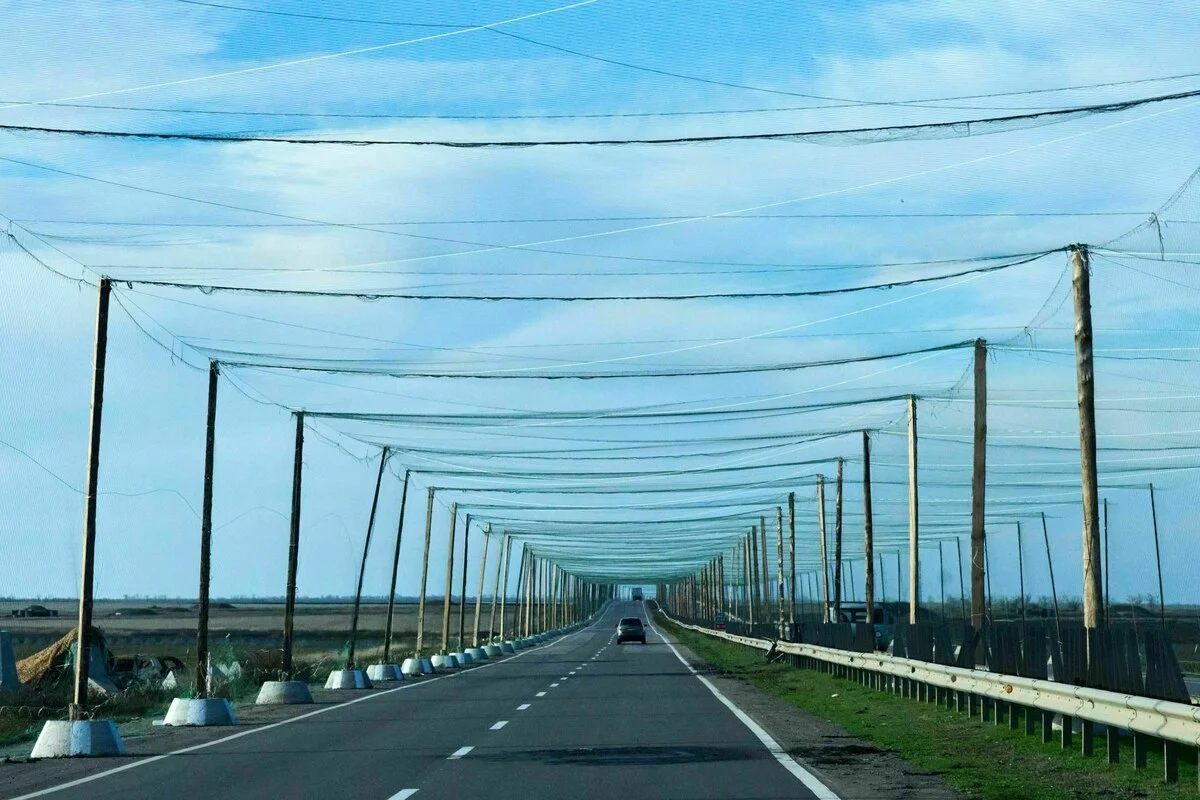
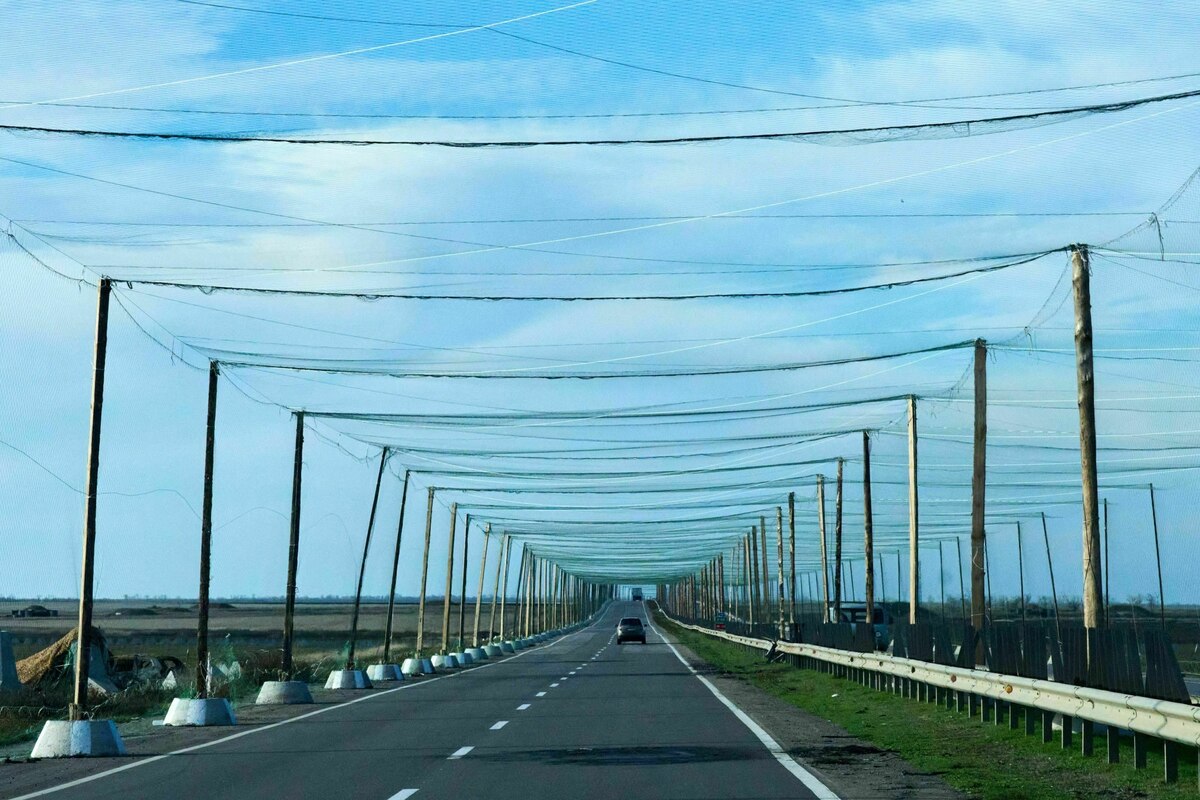
- Present Day: The city operates under a state of perpetual emergency, with anti-drone nets draped over streets to protect residents from the frequent aerial hunting parties that characterize daily life.
Supporting Data: The Logistics of Survival
The infrastructure in Cherson is a testament to the "heroism of the mundane." According to residents and local utility workers, the maintenance of basic services is a high-risk operation.
The Energy Crisis
The energy grid is a primary target. When Russian missiles strike energy substations, the cascading effects are immediate:
- Water Pressure: Without electricity, the water pumps fail. The city relies on water distribution points or intermittent generator usage to provide the most basic human necessity.
- The Repair Crews: Utility workers have been described by local residents as "saints." They operate under constant threat of drone strikes, often waiting for a lull in shelling to begin repairs.
- Communication Blackouts: Mobile network coverage is erratic. On days of severe bombardment, residents are often completely severed from the outside world, unable to call emergency services or even check on neighbors living just a few streets away.
The Medical Emergency
The healthcare system in Cherson is severely strained. While hospitals remain open, the exodus of medical professionals has left a "catastrophic shortage" of specialists. For patients like Andrij’s mother, the lack of localized care is a constant struggle. Specialised medications, hygiene products, and tailored nutrition are not available in local pharmacies. These items must be sourced through a precarious network of volunteers who navigate dangerous transit routes to bring supplies into the city.

Official Responses and Humanitarian Context
The international humanitarian community and local Ukrainian authorities have repeatedly classified the targeting of civilian infrastructure—such as power grids and water supplies—as a violation of international law. However, the tactical reality on the ground remains brutal.
The Ukrainian government has encouraged evacuations from frontline areas, particularly for the elderly and infirm, but for many, the logistical hurdle of moving a bedridden person through a war zone under active drone surveillance is insurmountable. Local authorities struggle to provide security, as the "hunting" of civilians by drones has become a recurring pattern of warfare. Recent reports highlight that even simple tasks, like walking through the streets or driving, are subject to these aerial threats, prompting the installation of overhead anti-drone nets in residential neighborhoods.
The Psychological Toll: Life Under the Shadow
Perhaps the most harrowing aspect of life in Cherson is the normalization of terror. Residents speak of a "constant tension" that has become the background noise of their existence.

"Miraculously, I think I have forgotten what it is like to live without drones above my head," says Andrij. "Without that feeling of constant danger. We live in a state of permanent tension. On the other hand, my family and I have accepted it and are trying to survive—somehow."
This psychological adaptation is not a sign of indifference, but a necessary mechanism for survival. The constant state of alertness—monitoring for the hum of a drone, keeping power banks charged, and maintaining water reserves—is a full-time occupation.
Implications: The Future of Frontline Cities
The situation in Cherson raises difficult questions about the nature of modern warfare and the obligation of the state to its citizens.

- The "Human Shield" of Infrastructure: The reliance on civilian workers to maintain essential services under fire suggests a collapse of the distinction between military and civilian space. The workers are essentially combatants without weapons, risking their lives to prevent a humanitarian catastrophe.
- The Erosion of Social Fabric: As professionals leave, the city loses the capacity to sustain itself. The remaining population is skewed toward those who cannot leave—the elderly, the sick, and those tied to the care of others. This creates a demographic crisis that will have long-term consequences for the post-war reconstruction of the region.
- The Moral Dilemma of Aid: International aid organizations face a dilemma: how to provide support in areas where the infrastructure is so damaged that distribution is almost impossible, and where the risk to aid workers is extreme.
Conclusion
Andrij’s story is representative of the silent majority in Cherson. He is not a soldier, yet his life is defined by the war. He is an electrician who serves as a vital artery for the city’s continued existence. His refusal to abandon his mother, despite the danger, is a powerful critique of a war that has turned the simple act of living into an act of profound resistance.
As the war continues, the city of Cherson remains a tragic, flickering beacon of resilience. Whether it is the volunteers bringing medicine or the workers climbing poles under the threat of drones, the city persists—not because it is safe, but because its people refuse to let it go entirely dark. The international community, while focused on the macro-level of military aid and geopolitical maneuvering, must not lose sight of the micro-level: the individual lives in cities like Cherson, where the cost of the conflict is paid in daily, quiet, and often heroic struggle.