

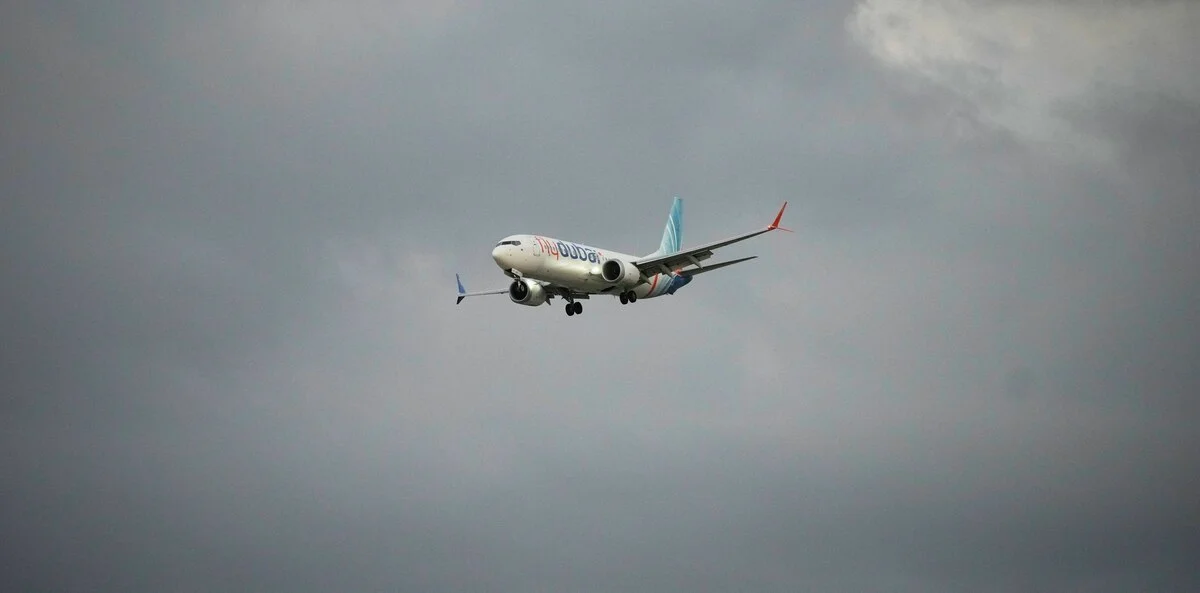
Dubai, UAE – In a chilling revelation that has sent shockwaves through the global aviation industry, Emirati investigators have concluded that the co-pilot of a Flydubai flight from Dubai to Tel Aviv deliberately attempted a suicide attack, intending to crash the aircraft into Israel’s Ben Gurion Airport. The dramatic incident, which saw passengers and a second flight crew heroically intervene, averted a catastrophe that could have claimed over 170 lives and had profound geopolitical repercussions.
The 29-year-old Omani co-pilot, whose name has not been officially released by Emirati authorities but has been identified in some reports as Khaled al-Shamsi, is believed to have been radicalized, drawing inspiration from the September 11, 2001, terror attacks in the United States. His meticulous preparations, including reconnaissance flights, underscore a deeply disturbing level of premeditation in what UAE officials have unequivocally labeled a planned terrorist act.
Main Facts Unveiled
According to Hamad al-Shamsi, the Public Prosecutor of the United Arab Emirates, the co-pilot’s intent was clear: to seize control of Flydubai Flight FZ729 and intentionally crash it into the passenger terminal of Ben Gurion Airport near Tel Aviv. This declaration, reported by the state-run Emirati news agency WAM, confirms earlier suspicions of a terror plot and provides a definitive motive behind the harrowing events aboard the aircraft.
The investigation revealed that the co-pilot had undertaken two prior flights to Tel Aviv as part of his preparation, meticulously familiarizing himself with the flight route and the airport layout. During interrogations, he reportedly admitted to acting alone, a claim that investigators are still scrutinizing for any potential wider network, though current findings suggest an individual radicalization process.
The incident itself unfolded with terrifying speed. The co-pilot launched a violent assault on the pilot, inflicting severe injuries with a rescue axe. However, the pilot, despite his wounds, managed to unlock the cockpit door, allowing passengers to enter and subdue the assailant. This extraordinary act of bravery by both the pilot and the passengers prevented the plane, carrying more than 170 individuals, from meeting a tragic fate. A second flight crew, quickly assembled from among the passengers, then took control and executed an emergency landing in Tabuk, Saudi Arabia.
A Chronology of Terror and Heroism
The harrowing events aboard Flydubai Flight FZ729 began on September 30, 2026, shortly after its departure from Dubai en route to Tel Aviv. The flight, part of the burgeoning air links established under the Abraham Accords, was carrying a diverse manifest of passengers, including a significant number of Israeli citizens.
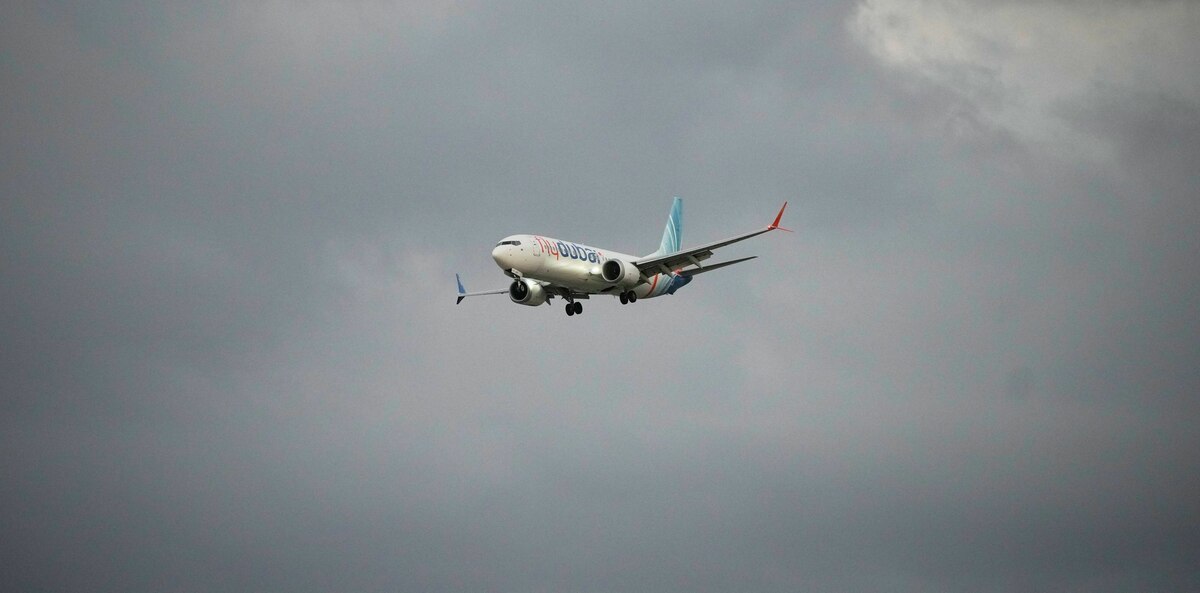
The Attack Commences: At an unspecified point during the flight, the co-pilot, identified by authorities as a 29-year-old Omani national, initiated his deadly plan. He turned on the aircraft’s captain, attacking him with a rescue axe typically stored within the cockpit for emergency egress. The assault was brutal and unexpected, leaving the pilot severely injured and the aircraft in immediate peril.
Pilot’s Critical Action: Despite his critical condition, the seasoned pilot displayed incredible presence of mind and courage. Recognizing the gravity of the situation and the immediate threat to the aircraft and everyone on board, he managed to unlock the armored cockpit door. This crucial action, an act of sheer will against overwhelming odds, created an opportunity for intervention that would ultimately save the flight.
Passenger Intervention: The unlocked cockpit door allowed concerned crew members and passengers, who had likely become aware of the struggle or unusual noises, to gain access. Eyewitness accounts suggest a chaotic but determined effort as several passengers surged forward, confronting the co-pilot. Their collective strength and bravery were instrumental in overpowering the assailant and restraining him, effectively ending his attempt to seize full control of the aircraft.
Aircraft in Peril: During the struggle, with the cockpit in disarray and the pilot incapacitated, the aircraft experienced a significant and dangerous descent. This sudden loss of altitude would have been a terrifying experience for those on board, underscoring the immediate danger averted by the passengers’ intervention. The plane reportedly "sagged heavily" as the struggle unfolded, indicating a critical loss of controlled flight path.
Second Crew Takes Over and Emergency Landing: With the co-pilot subdued, the immediate challenge shifted to regaining control of the aircraft. Fortunately, it was discovered that a second, off-duty flight crew was among the passengers. These highly trained individuals quickly stepped forward, assessed the situation, and took over the controls. Their expertise was vital in stabilizing the plane and initiating an emergency landing. The flight was diverted to Tabuk, Saudi Arabia, where it landed safely, bringing an end to the mid-air terror. The choice of Tabuk, a Saudi Arabian city, highlights the swift, cross-border cooperation necessitated by the emergency.
Aftermath: Upon landing, the injured pilot received immediate medical attention, and the co-pilot was taken into custody by Saudi authorities before being transferred to UAE jurisdiction for investigation. The more than 170 passengers and remaining crew were disembarked, shaken but safe, having witnessed and participated in an extraordinary act of collective heroism.

Supporting Data and Troubling Precedents
The investigation has shed light on the co-pilot’s alarming background and a pattern of behavior that should have raised more significant red flags. According to multiple media outlets, including the Wall Street Journal and CNN, the co-pilot had a history of extremist views that led to his dismissal from a previous employer.
CNN specifically reported that the co-pilot lost his job with Oman Air, the Sultanate’s national airline, just last year due to concerns over his extremist ideologies. This revelation raises serious questions about the international aviation industry’s vetting processes, information-sharing mechanisms, and the efficacy of psychological evaluations for pilots. How an individual deemed unfit to fly by one national carrier due to extremist leanings could subsequently secure a position with another airline, even a year later, is a critical point of inquiry. It suggests potential gaps in international aviation employment records or a failure to adequately communicate and act upon such grave concerns.
Public Prosecutor al-Shamsi further elaborated on the co-pilot’s radicalization, stating that initial signs of his shift towards extremism and terrorism emerged as early as 2017, during his time studying in Australia. It was during this period that he reportedly became deeply influenced by the September 11 attacks, internalizing "the idea of carrying out a similar action with an airplane," which "became firmly entrenched in his thinking." This trajectory from a student abroad to a radicalized pilot underscores the insidious nature of extremist recruitment and self-indoctrination.
The co-pilot had joined Flydubai in January of the current year, a relatively short tenure before the attempted attack. Prior to this, Emirati investigators revealed he had worked for "several airlines in different countries," indicating a potentially itinerant career path that might have allowed his past issues to be overlooked or minimized across different jurisdictions and hiring processes. The lack of a centralized, universally accessible database for pilot employment and disciplinary records, particularly concerning mental health or radicalization flags, appears to be a critical vulnerability.
Official Responses and International Cooperation
The immediate aftermath of the incident saw a flurry of official statements and a demonstration of swift international cooperation.
United Arab Emirates: General Prosecutor Hamad al-Shamsi’s detailed statements have been crucial in piecing together the official narrative. His office’s prompt and thorough investigation, culminating in the declaration of a planned suicide attack, underscores the UAE’s commitment to aviation security and its zero-tolerance policy towards terrorism. The UAE has been keen to demonstrate its proactive stance in counter-terrorism efforts, especially in light of its growing regional and global partnerships.

Flydubai: The airline issued statements confirming an incident involving a co-pilot and acknowledging the heroism of its crew and passengers. While details from the airline itself have been limited due to ongoing investigations, Flydubai has expressed its full cooperation with authorities and emphasized its commitment to passenger safety and security protocols. The incident undoubtedly places immense pressure on the airline to review its hiring and vetting procedures.
Oman: While no direct official statement from Omani authorities regarding the co-pilot’s past employment at Oman Air or his radicalization has been widely reported, the information cited by international media points to prior awareness within Oman regarding his extremist views. This raises questions about whether sufficient measures were taken to prevent him from obtaining employment with other airlines, or if there are limitations in cross-border intelligence sharing concerning such threats.
Israel: The intended target, Ben Gurion Airport, is a highly sensitive and symbolic location. Israeli security agencies would undoubtedly have been on high alert following the incident. While official statements from Israel were initially cautious, the confirmation of a deliberate attack targeting the airport would have reaffirmed their robust security posture and likely prompted an internal review of inbound flight security protocols, even for flights from friendly nations. The incident is a stark reminder of the persistent threats faced by Israeli targets.
Saudi Arabia: The swift response and provision of an emergency landing site by Saudi Arabia in Tabuk highlights the operational necessity of regional cooperation in aviation crises. This act, while standard procedure for an aircraft in distress, also subtly underscores the evolving diplomatic landscape in the Middle East, where pragmatic cooperation can sometimes transcend political differences.
Far-Reaching Implications
The attempted Flydubai attack carries significant implications for various sectors, from global aviation security to international relations and the ongoing fight against radicalization.
Aviation Security and Pilot Vetting:
The most immediate and profound implication is for aviation security protocols. The incident highlights a critical vulnerability: the potential for radicalization within the cockpit. While much of post-9/11 security has focused on external threats (e.g., passengers, baggage), the internal threat from a pilot or co-pilot presents a unique and terrifying challenge.

- Psychological Screening: There will be renewed calls for more rigorous and frequent psychological evaluations for pilots, not just during initial hiring but throughout their careers. These screenings must be sophisticated enough to detect subtle signs of radicalization, severe mental distress, or suicidal ideation.
- Background Checks and Information Sharing: The fact that the co-pilot had been dismissed from Oman Air for extremist views and yet found employment with Flydubai is deeply concerning. This incident underscores the urgent need for:
- Enhanced International Collaboration: A more robust and mandatory system for sharing critical information (such as dismissals for extremist views or serious mental health concerns) among national aviation authorities and airlines globally.
- Standardized Vetting Procedures: Development of universally accepted standards for pilot background checks that go beyond criminal records and include thorough assessments of an individual’s ideological leanings, particularly in regions prone to extremist influences.
- Continuous Monitoring: Consideration of systems for ongoing monitoring of pilots, including social media analysis (with appropriate privacy safeguards) and regular security reviews.
- Cockpit Security: While cockpit doors are hardened, the threat from within requires a re-evaluation of procedures for two-person cockpit rules, potential incapacitation protocols, and the storage and access of tools like rescue axes.
Mental Health in Aviation:
While the motive is clearly stated as terrorism, such acts often have underlying psychological components. The incident will reignite debates about the mental health support available to pilots, the stigma associated with seeking help, and how airlines can create an environment where pilots feel comfortable reporting issues without fearing career repercussions. A fine line must be drawn between supporting mental health and identifying potential security threats.
Geopolitical Ramifications:
The target of the attack—Ben Gurion Airport—is highly symbolic. The incident, had it succeeded, would have been a catastrophic act of terrorism against Israel, originating from a flight departing from the UAE.
- Abraham Accords: The UAE and Israel are signatories to the Abraham Accords, normalizing relations. A successful attack would have severely strained these nascent diplomatic ties, potentially undermining the trust and cooperation painstakingly built between the nations. The swift and transparent UAE investigation, therefore, serves to reassure Israel of the UAE’s commitment to counter-terrorism and its condemnation of such acts.
- Regional Stability: The Middle East remains a volatile region. An act of air terrorism of this magnitude would have undoubtedly destabilized the region further, potentially leading to retaliatory actions or heightened tensions.
Heroism and Lessons Learned:
The incident also serves as a powerful testament to human courage and resilience. The actions of the pilot, who bravely unlocked the cockpit door despite severe injuries, and the passengers who intervened, are extraordinary. Their collective heroism averted a major disaster. This highlights the importance of:
- Crew Training: Ensuring all crew members are trained to handle extreme emergencies, including potential insider threats.
- Passenger Awareness: While not advocating for vigilante action, general passenger awareness and the willingness to act in extreme circumstances can be a crucial last line of defense.
In conclusion, the foiled Flydubai plot is a stark reminder of the evolving nature of terrorist threats and the persistent vulnerabilities in even the most secure systems. It necessitates a comprehensive re-evaluation of aviation security measures, pilot vetting processes, and international cooperation to prevent similar attempts in the future. The bravery shown by those on board prevented a tragedy, but the underlying systemic challenges demand urgent and decisive action from the global aviation community.




















