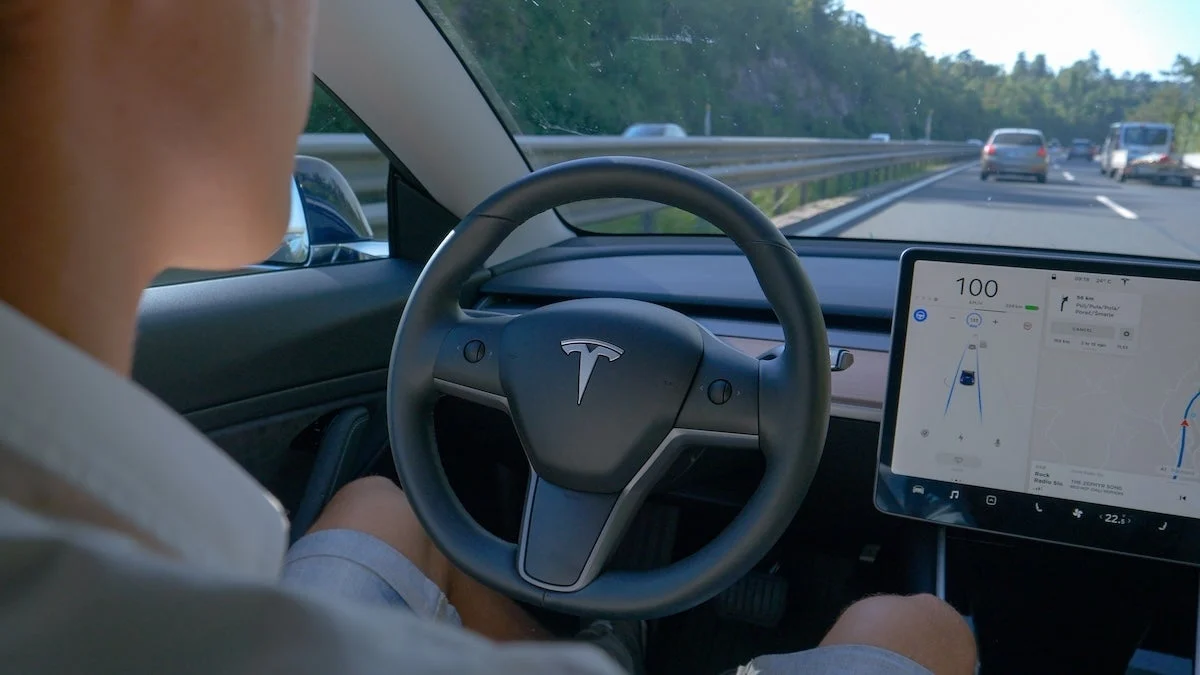
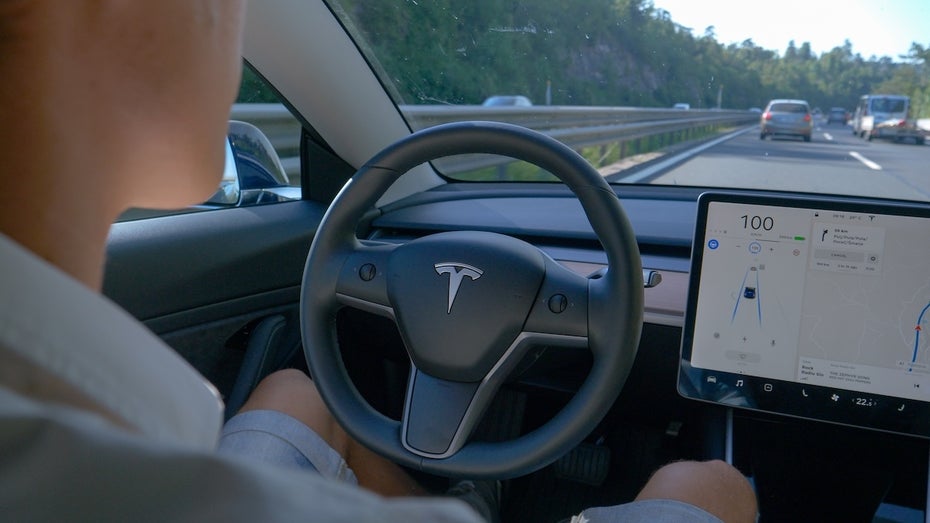
In a significant pivot for its European strategy, Tesla has agreed to rename its advanced driver-assistance software, moving away from the controversial "Full Self-Driving (Supervised)" moniker. Moving forward, the suite will be marketed as "Tesla Assisted Driving" across the European Union. This concession, confirmed by reports from Techcrunch, marks a notable victory for European regulators—specifically Germany’s Federal Ministry for Digital and Transport—who have long argued that the original branding was fundamentally misleading to consumers.
The move comes at a critical juncture for Elon Musk’s automotive empire, as the company navigates a complex web of regulatory hurdles, safety investigations, and intense scrutiny regarding the technical capabilities of its automated driving features.
The Core Conflict: Marketing vs. Reality
For years, the term "Full Self-Driving" has served as both a marketing powerhouse and a regulatory liability for Tesla. While the company claims the software is a path toward future autonomy, the version currently available to consumers is classified as a Level 2 driver-assistance system according to SAE International standards. In this classification, the vehicle is capable of steering, accelerating, and braking, but the human driver must remain fully engaged and prepared to take over at any given moment.
The German Federal Ministry for Digital and Transport, led by Minister Steffen Bilger, had maintained that the word "Full" suggested a level of capability that the vehicle did not possess. Officials argued that such terminology created a "false sense of security," potentially encouraging drivers to divert their attention from the road—a behavior that has been cited in numerous traffic incidents involving Tesla vehicles.
By forcing the change to "Tesla Assisted Driving," German regulators have set a precedent that marketing language must align strictly with the technical limitations of a product. This shift is intended to ensure that European consumers are under no illusions regarding the scope of the system’s responsibilities.
Chronology of the Regulatory Stand-off
The path to this rebranding was paved by months of intense, often quiet, diplomacy and technical negotiation.
- Early 2024: European regulators increased pressure on Tesla, citing a lack of transparency regarding the system’s "supervised" nature.
- Summer 2025: Tensions peaked as the Dutch RDW (the national road authority) and German transport officials expressed reservations about approving the software for wider deployment. Reports indicated that Tesla faced significant pushback during the certification process.
- September 2025: A series of high-level working group meetings took place between Tesla representatives and German transport officials. It was here that the compromise was brokered: Tesla would adopt the new, more conservative nomenclature, and in return, the Ministry would expedite its support for the software’s European type-approval.
- October 2026: The official announcement of the rebranding was finalized, signaling a thaw in the relationship between the automaker and European authorities.
Technical Compromises: A Speed Tolerance Breakthrough
The agreement between Tesla and the German authorities did not stop at marketing terminology. As part of the negotiation, both parties reached a technical compromise regarding how the vehicle handles speed limits.
The consensus reached allows the "Tesla Assisted Driving" system to exceed posted speed limits by up to 10 percent in specific, low-risk traffic scenarios. The Ministry justified this departure from strict speed adherence by noting that, in certain instances, the ability to slightly exceed a limit can contribute to a more fluid, predictable traffic flow, thereby reducing the likelihood of dangerous lane-changing maneuvers or "bottleneck" incidents caused by aggressive human drivers behind the Tesla.
While this may seem like a minor technical tweak, it represents a significant shift in how European regulators view software-driven vehicles. By integrating this "tolerance" into the official approval, Germany is signaling a willingness to adapt its rigid safety standards to accommodate the nuances of AI-driven navigation.
Official Responses and the Musk Factor
The reaction from Tesla’s leadership was surprisingly conciliatory. Elon Musk, who has historically been combative with regulators, took to his platform, X (formerly Twitter), to publicly thank Minister Steffen Bilger for his constructive engagement.

"Productive discussions with the German Ministry of Transport have led to a clear path forward for Tesla’s advanced driver assistance in Europe," Musk stated. "We appreciate the collaborative approach to safety and innovation."
Behind the scenes, however, the pressure remained immense. Industry insiders suggest that Tesla’s pivot was not purely voluntary. With the European market being a vital pillar of the company’s global expansion, the risk of being barred from the continent’s roads was a threat that Tesla could not afford to ignore.
Implications for the European Market
The rebranding and the subsequent path to approval have profound implications for the automotive sector in Europe.
1. A New Standard for Marketing
The decision by the German government to demand a name change is expected to influence other EU member states. Regulators in France, Italy, and Spain are likely to adopt a similar posture, demanding that automakers move away from "autonomy" terminology unless the vehicle has achieved Level 4 or Level 5 classification. This could force other manufacturers—such as Mercedes-Benz or BMW—to audit their own marketing materials to avoid similar friction.
2. The EU Type-Approval Process
The current deliberations among EU member states regarding the formal recognition of Tesla’s system are entering their final stages. If Germany successfully pushes for this model, the "Assisted Driving" system could become the blueprint for how Tesla functions across the entire European bloc. A vote is expected by the end of the year, and the momentum appears to be shifting in favor of approval, provided the company adheres to the new transparency requirements.
3. Safety Investigations and Public Trust
Despite the rebranding, Tesla is not out of the woods regarding its safety record. Investigations in the United States, spearheaded by the National Highway Traffic Safety Administration (NHTSA), continue to examine the role of the company’s software in various collisions.
Critics argue that a simple name change does not address the underlying technical issues, such as the system’s ability to recognize emergency vehicles, road debris, or human hand signals. The European focus on the "supervised" nature of the system reflects a broader global concern: that AI, no matter how advanced, currently lacks the common-sense reasoning of a human driver.
The Road Ahead: The Path to Autonomy
As Tesla moves forward with "Tesla Assisted Driving," the company must now prove that the software can perform consistently under the diverse and often chaotic conditions of European roads. The challenge is not merely technical; it is sociological. Tesla must demonstrate to regulators, insurance companies, and the public that its systems make the road safer, not more complex.
The Dutch RDW, which had previously expressed concerns regarding the pressure applied by the manufacturer during the certification process, will likely be watching closely to see if the "Assisted" branding correlates with a reduction in the number of incidents involving distracted drivers.
In conclusion, the rebranding of Tesla’s software is a landmark event in the evolution of automotive regulation. It marks the end of the era where manufacturers could unilaterally define the capabilities of their vehicles. Instead, we are entering a period of co-regulation, where governments hold the pen on how these technologies are presented to the public. Whether "Tesla Assisted Driving" can live up to its new, more humble name while still delivering the convenience Musk has promised remains the industry’s most significant question heading into 2027.