


The Hague, Netherlands – October 9, 2026 – In a move that has sent shockwaves across the international community, the United States has dramatically escalated its punitive measures against the International Criminal Court (ICC) in The Hague. Just hours after the Nobel Peace Prize was awarded to Navanethem "Navi" Pillay, a revered former judge of the very institution targeted, US Secretary of State Marco Rubio announced sweeping new sanctions designed to cripple the court’s operations. This unprecedented escalation has drawn immediate and vehement criticism from European allies and proponents of international justice, casting a shadow over the principles of multilateralism and the rule of law.
The US administration, under President Donald Trump, declared its intent to "prohibit all transactions with this rogue court, cut its resources, and decisively weaken its operational capacity," according to Secretary Rubio. These measures include the freezing of assets belonging to the ICC and individuals associated with it, further intensifying a campaign that previously saw sanctions imposed on several of the court’s judges and prosecutors. The timing, directly following the celebration of Pillay’s lifelong dedication to justice, has been widely described as a deliberate provocation and a stark demonstration of Washington’s disdain for the international legal framework.
A Chronology of Contradictions: Justice Heralded, Justice Undermined
The events of October 9, 2026, unfolded with a striking and symbolic contradiction.
Earlier in the day, the Norwegian Nobel Committee in Oslo announced its decision to award the prestigious Nobel Peace Prize to Navanethem "Navi" Pillay. The South African jurist was recognized for her unwavering commitment to human rights, her pioneering work in international law, and her distinguished service, which included a tenure as an ICC judge from 2003 to 2008. In her initial statement following the announcement, Pillay poignantly observed that her award came at a time when international humanitarian law and the very institutions designed to uphold it were increasingly under pressure. "This deteriorating trend is particularly evident in the attacks on the International Criminal Court," she stated, almost presciently. Her words, intended to celebrate the enduring pursuit of justice, quickly became a sobering prelude to Washington’s aggressive actions.
Hours later, the Trump administration made good on its long-standing threats, unleashing a new volley of sanctions. These measures transcend previous restrictions, which primarily targeted specific ICC officials, to encompass the entire institution. The broad nature of the latest sanctions, aiming to impede all transactions and freeze assets, signals a profound shift from targeted pressure to an attempt at systemic debilitation. This follows President Trump’s address to the UN General Assembly just last month, where he explicitly called for nations to withdraw from the court, a directive that was met with firm rejections from key European partners like Germany and the Netherlands, who reaffirmed their full support for the ICC.
Supporting Data: The US-ICC Rift and the Court’s Mandate
The latest sanctions are not an isolated incident but rather the culmination of a deeply entrenched ideological and legal rift between the United States and the International Criminal Court. The US has consistently refused to ratify the Rome Statute, the foundational treaty of the ICC, citing concerns over potential politically motivated prosecutions of American military and political personnel. This stance dates back to the early 2000s, with the Bush administration implementing the "American Servicemembers’ Protection Act" (dubbed the "Hague Invasion Act" by critics), which authorized the use of "all means necessary and appropriate to bring about the release" of any US or allied personnel detained or tried by the ICC.
The Trump administration has amplified this historical skepticism into outright hostility. US Secretary of State Rubio reiterated the administration’s core accusation: that the ICC is a "politicized rogue court" that seeks to "unjustly and unlawfully prosecute Americans and Israelis for alleged war crimes." He emphasized President Trump’s unwavering commitment: "President Trump will never allow the International Criminal Court to prosecute US citizens." This position stems from the ICC’s ongoing preliminary examinations, particularly into alleged war crimes committed in Afghanistan (which could involve US military personnel) and in the Palestinian territories (which could involve Israeli officials). For Washington, these investigations represent an unacceptable infringement on national sovereignty and a direct threat to its personnel, who operate under a different legal framework.
The International Criminal Court, established in 2002, serves as a court of last resort for the prosecution of individuals for the most heinous crimes of concern to the international community: genocide, war crimes, crimes against humanity, and the crime of aggression. It operates on the principle of complementarity, meaning it only intervenes when national courts are unwilling or unable to genuinely investigate or prosecute such crimes. With 125 member states, the ICC represents a global consensus that perpetrators of mass atrocities should not enjoy impunity. However, powerful nations like the United States, China, Russia, and Israel remain outside its jurisdiction, creating significant challenges for the court’s universal application and authority.
The sanctions announced by the US include broad financial restrictions, essentially cutting off the ICC from the US financial system. This means freezing any assets the court or its officials may hold in US banks, prohibiting US individuals or entities from engaging in transactions with the ICC, and potentially imposing secondary sanctions on foreign entities that continue to support the court. Such measures could severely impede the ICC’s ability to pay staff, conduct investigations, and carry out its judicial functions, particularly given its reliance on international cooperation and financial channels.
Official Responses: A United Front Against Unilateralism
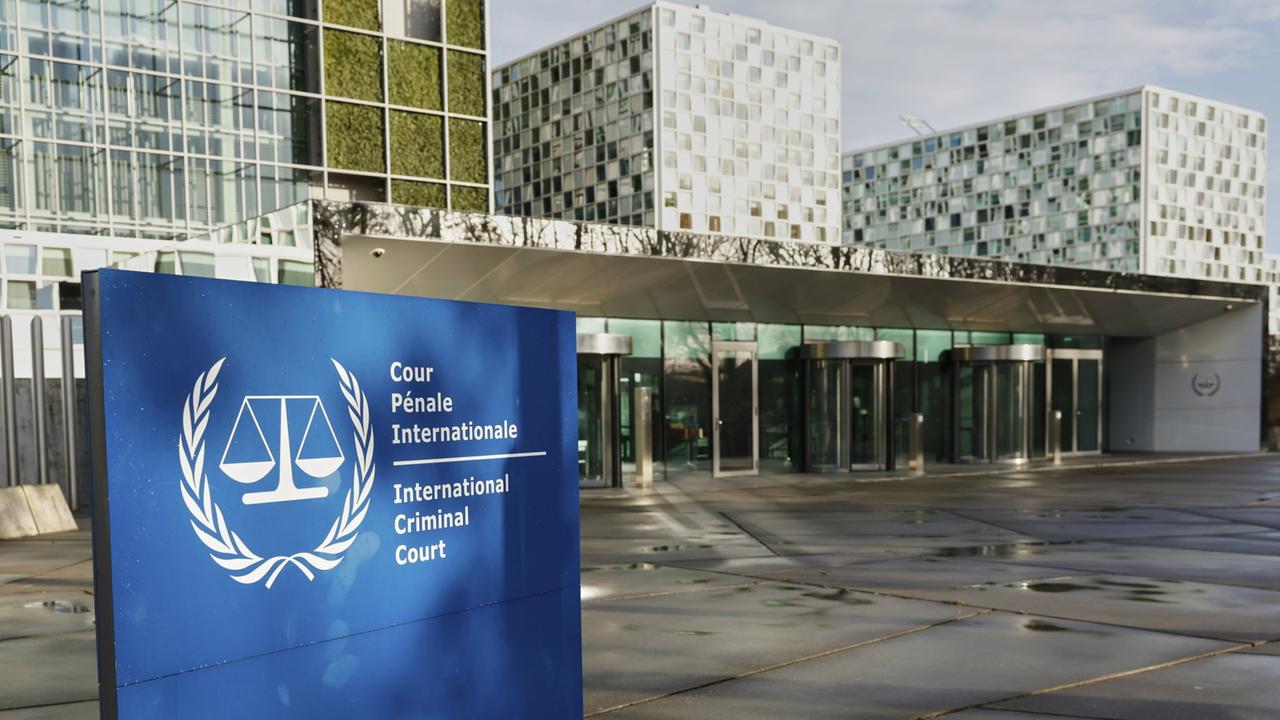
The international community’s response to the US sanctions has been swift and overwhelmingly critical, highlighting a deepening transatlantic divide on fundamental questions of international law and multilateralism.
European Union: The European Commission was among the first to react, expressing deep regret and concern over the US decision. A spokesperson for the EU Commission stated, "The European Union reiterates its unwavering support for the International Criminal Court. We will continue to cooperate with the Court to ensure it can effectively carry out its vital mandate of delivering justice for the victims of the gravest international crimes." The EU emphasized its commitment to a rules-based international order and expressed hope for a constructive dialogue with Washington, noting that the sanctions were announced with a six-month delay before full implementation, theoretically leaving a window for diplomacy. However, behind the diplomatic language, there was a palpable sense of frustration and exasperation at Washington’s unilateral approach. Josep Borrell, the EU High Representative for Foreign Affairs and Security Policy, later issued a stronger statement, asserting that the US actions "constitute a direct attack on the multilateral system and the independence of the international judiciary."
Germany: Germany, a staunch advocate for the ICC and a significant financial contributor, condemned the sanctions in the strongest terms. Federal Justice Minister Stefanie Hubig (SPD) declared, "Today is a dark day for international law and the idea of a rules-based world order." She underlined the "bitter irony" that the US had chosen to sanction the court on the very day one of its former judges was awarded the Nobel Peace Prize. German Foreign Minister Heiko Maas echoed these sentiments, calling the US actions "unacceptable" and reaffirming Germany’s "unconditional solidarity with the ICC." He stressed the importance of international cooperation in upholding justice and preventing impunity, especially in an era marked by increasing global instability.
The International Criminal Court: The ICC itself issued a powerful statement, characterizing the US measures as "an unacceptable attempt to obstruct the course of justice and to prevent the Court from fulfilling its mandate." The statement continued, "It is an attack on the rule of law and on the foundations of the international legal order." The Court reaffirmed its independence and its commitment to impartially investigating and prosecuting the gravest crimes, emphasizing that such pressure would not deter it from its duties. The ICC Registrar indicated that the court was assessing the full implications of the sanctions and would work with its member states to mitigate any adverse effects.
Human Rights Organizations: Leading human rights groups worldwide also voiced their outrage. Amnesty International called the sanctions "a disgraceful assault on justice" and urged the international community to stand firm against Washington’s attempts to undermine accountability. Human Rights Watch characterized the move as "reckless and dangerous," warning that it would embolden perpetrators of atrocities by signaling that powerful states could evade justice.
Implications: A Blow to Multilateralism and Global Justice
The US sanctions against the ICC carry profound implications for the future of international justice, global governance, and transatlantic relations.
Firstly, the immediate impact on the ICC itself could be substantial. While the court is funded by its member states, the freezing of assets and the ban on transactions could complicate its financial operations, access to banking services, and ability to attract and retain staff. Legal challenges to the sanctions are likely, but navigating these could divert valuable resources and attention from its core mandate. More broadly, the sanctions could deter potential witnesses or victims from cooperating with the court, fearing repercussions or a weakening of the institution’s ability to protect them.
Secondly, this aggressive stance by a major global power like the United States deals a severe blow to the principle of multilateralism and the rules-based international order. It signals a preference for unilateral action and an apparent rejection of international accountability when it conflicts with perceived national interests. This approach risks undermining other international institutions and treaties, creating a precedent for other powerful non-member states (such as China and Russia, who also reject the ICC’s jurisdiction) to further disregard international norms. The symbolism of an attack on the ICC, especially coming so close to a Nobel Peace Prize celebrating its ideals, is a stark reminder of the fragility of global cooperation.
Thirdly, the sanctions exacerbate tensions between the US and its European allies. European nations, many of whom are strong proponents and founders of the ICC, view the court as a cornerstone of their commitment to international justice. The US actions are seen as an affront to their shared values and a direct challenge to the transatlantic alliance. While European leaders have pledged continued support for the ICC, the episode underscores a growing divergence in foreign policy priorities and approaches to global challenges, potentially complicating future cooperation on a range of issues.
Finally, the long-term implications for the fight against impunity are concerning. The ICC was created to ensure that those responsible for the most egregious crimes against humanity would not escape justice, regardless of their position or power. By actively seeking to undermine this institution, the US risks sending a message that powerful actors can operate above international law, potentially emboldening despots and authoritarian regimes to commit atrocities without fear of consequences.
As the international community grapples with the fallout of Washington’s latest offensive, the future of the International Criminal Court, and indeed the broader international legal order, hangs in a precarious balance. The coming months will determine whether the collective will of nations committed to justice can withstand this formidable challenge to its foundational principles.





















