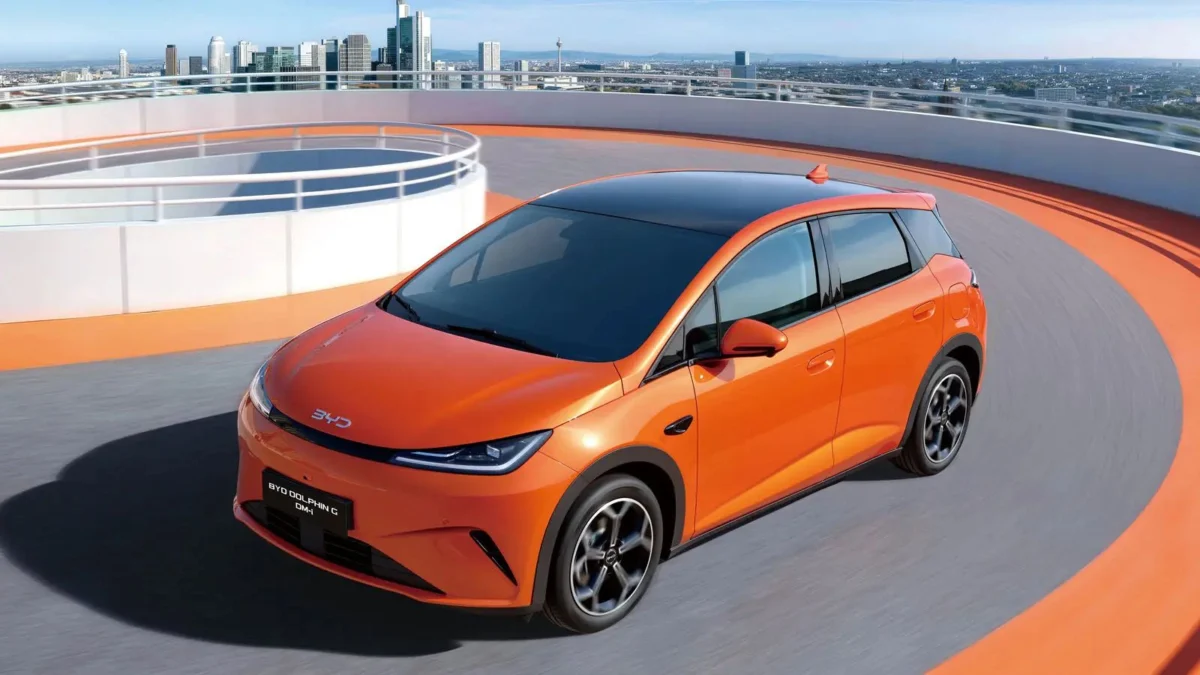
The European Union is intensifying its scrutiny of automotive imports from China, with reports indicating that the European Commission is actively considering measures to curb the influx of Chinese-made hybrid vehicles. While the bloc has already implemented significant tariffs on battery electric vehicles (BEVs) to counter what it deems unfair state subsidies, the hybrid segment has emerged as the new focal point of trade friction.
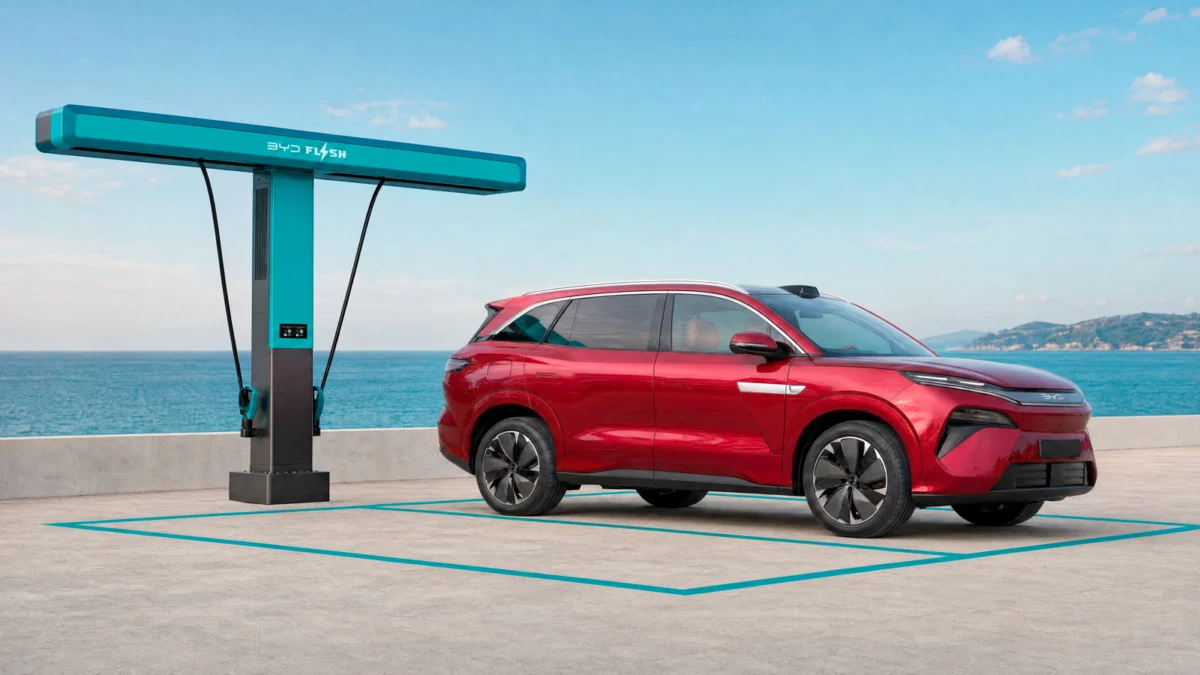
According to reports from Bloomberg, citing individuals familiar with the matter, hybrid vehicles manufactured in China now account for approximately one-quarter of all such cars sold within the European Economic Area. This rapid market penetration has triggered alarm bells in Brussels, where officials are evaluating the potential for time-limited import restrictions—such as tariff quotas—to shield domestic manufacturers from an onslaught of competitive imports.
The Evolution of the Trade Conflict: A Chronology
The current situation is the culmination of a multi-year shift in the European automotive landscape. The timeline of this escalating trade dispute is marked by several key developments:
- Initial Concerns (2022–2023): European regulators began investigating the supply chains and pricing strategies of Chinese automotive firms, suspecting that massive state subsidies were artificially suppressing the cost of Chinese EVs entering the European market.
- The EV Tariff Implementation (Mid-2024): After a formal investigation confirmed the existence of distortive practices, the EU imposed substantial additional duties on Chinese-made electric vehicles. This move effectively slowed the growth of pure EV imports.
- The Hybrid Pivot (Late 2024): As EV imports faced higher barriers, Chinese manufacturers pivoted their strategy toward hybrids, which had remained largely untouched by the initial wave of punitive tariffs. This resulted in a sudden, sharp spike in hybrid registrations across the continent.
- The Franco-German Initiative (October 2024): In a rare show of unified industrial policy, the leaders of Germany and France formally requested that the European Commission develop new, robust tools to combat market-distorting practices, signaling a hardening stance against Beijing.
Supporting Data and Market Dynamics
The shift in market dynamics is stark. While the EU’s tariffs on pure electric vehicles have achieved their intended effect—dampening the import of Chinese BEVs—they have created an unintended "balloon effect." By focusing regulatory pressure on one segment, the market has naturally shifted toward hybrids, which are currently exempt from the stringent duties applied to their fully electric counterparts.
For European legacy automakers, this trend is particularly concerning. The segment share of one-in-four hybrid sales being held by Chinese-origin products represents a significant loss of market control. Furthermore, the volatility in the stock market reflects this anxiety. Following the news of potential restrictions, shares of Volkswagen saw a notable increase of 2.6%, reflecting investor optimism that protectionist measures could safeguard margins. Conversely, the mixed performance of BMW and Mercedes-Benz—which dropped by roughly one percent—illustrates the complexity of the situation: these companies have deep manufacturing and supply chain entanglements in China, making them vulnerable to any potential retaliatory trade measures.
Official Responses and Diplomatic Friction
The debate over protectionism has created a diplomatic rift between Brussels and Beijing. The call for new protective tools, championed by German Chancellor Friedrich Merz and French President Emmanuel Macron, was outlined in a letter to European Commission President Ursula von der Leyen.
The Franco-German Perspective
The two leaders argued that "systematically market-distorting practices" threaten the viability of European industry and foster dangerous dependencies on external suppliers. Their proposal includes an "emergency mechanism" that would allow the EU to swiftly exclude products from specific countries if they are found to be violating fair trade principles. While the letter did not explicitly name China, the context of the discussions makes it clear that Beijing’s industrial strategy is the primary target.
Beijing’s Rebuttal
The reaction from the Chinese Ministry of Commerce was swift and critical. A spokesperson for the ministry condemned the calls for protectionism, stating, "Protectionism cannot increase competitiveness. Decoupling and the severing of supply chains will harm others without benefiting oneself." This rhetoric underscores the growing frustration in Beijing, where officials maintain that their automotive sector’s success is a result of innovation and efficiency, not illicit state support.
Strategic Implications and Future Outlook
The upcoming trade talks, scheduled for October 8 and 9 in Beijing, represent a critical juncture. EU Trade Commissioner Maroš Šefčovič is set to engage in high-level discussions with Chinese Commerce Minister Wang Wentao. The findings from these talks will be presented at the EU summit in Brussels on October 15 and 16, where member states will decide whether to formalize a new policy on hybrid imports.
The Complexity of "Local Content"
A major hurdle for any proposed tariff is the rise of localized production. Several major Chinese automakers, anticipating trade barriers, have begun establishing assembly plants within Europe. Under current international trade law, vehicles produced within the EU are not subject to import tariffs, regardless of the brand’s origin. This creates a loophole that could render broad-based import duties ineffective, as Chinese manufacturers may simply shift their supply chains to European soil to bypass the new restrictions.
The "Test Case" Strategy
Analysts view the potential restrictions on hybrids as a "test case." If the European Commission can successfully implement and defend these measures, it sets a precedent for how the EU intends to handle "overcapacity" in other sectors, such as green technology, solar panels, and wind turbine components. The Commission’s silence—a spokesperson declined to comment on the Bloomberg report—suggests that while they are evaluating their options, they are wary of triggering a full-blown trade war before the upcoming summits.
Conclusion: A Balancing Act
The European Union finds itself in a precarious position. On one hand, it must protect its foundational automotive industry—a sector that provides millions of jobs and remains a cornerstone of the European economy—from what it perceives as unfair competition. On the other hand, the EU’s green energy transition relies heavily on the affordability of electric and hybrid vehicles. By making these vehicles more expensive through tariffs, the EU risks slowing down its own climate goals.
As the October summits approach, the focus will remain on whether Brussels can find a middle ground that balances the need for industrial sovereignty with the realities of a globalized, deeply interconnected automotive market. For now, the automotive industry, investors, and policymakers remain in a state of high alert, awaiting a decision that could redefine the terms of trade between the world’s two largest economic blocs for years to come.