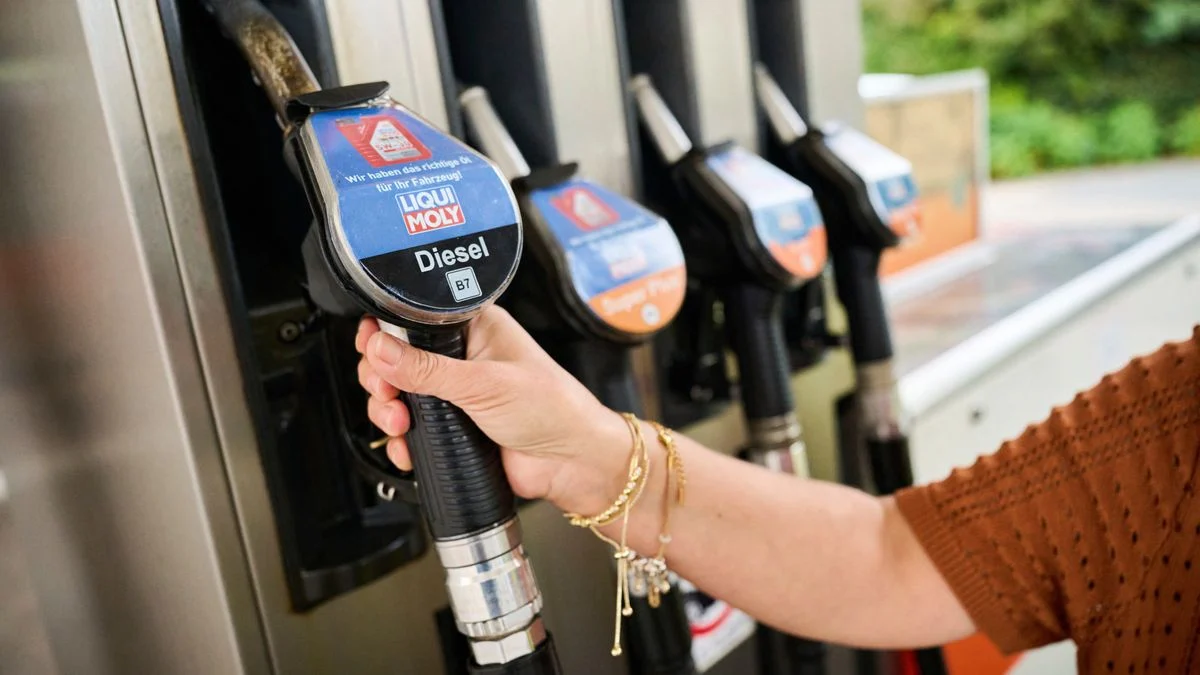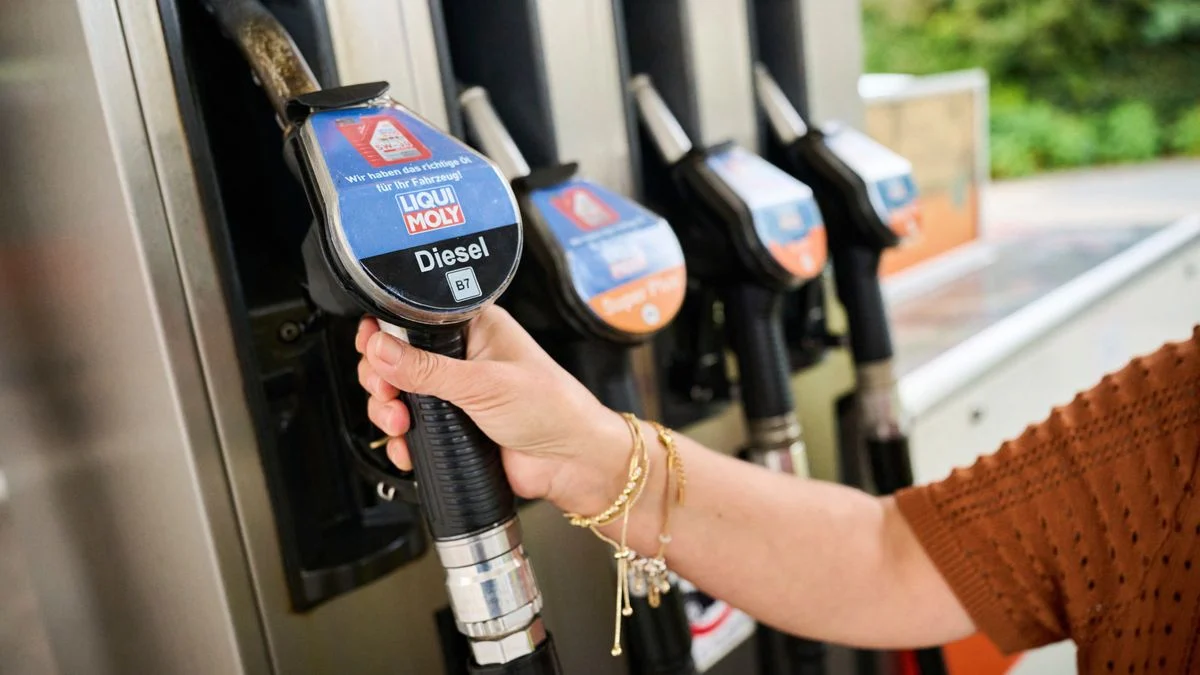
Since October 1st, the German government has implemented a significant fiscal intervention aimed at cushioning the blow of soaring energy costs for its citizens: a state-funded fuel rebate. By waiving 16.7 cents per liter in energy and value-added taxes, Berlin intended to provide immediate relief at the pump. However, new data from the Ifo Institute suggests that the reality for drivers is far from straightforward. Instead of a consistent, full-scale price reduction, consumers are encountering a fluctuating market where the rebate is being "leaked" rather than fully passed on.
The Core Conflict: A Partial Pass-Through
According to a detailed analysis by the Ifo Institute for Economic Research, mineral oil companies are failing to pass the full extent of the 16.7-cent tax relief to consumers. Florian Neumeier, a leading economist at the institute, highlights a discrepancy that has sparked fresh debate regarding market transparency and corporate responsibility.
"For diesel, gas stations have passed on an average of 15 cents of the 17-cent tax reduction per liter during the first five days of the measure," Neumeier reports. The figures for gasoline are similarly uneven: Super E5 saw an average pass-through of 16 cents, while Super E10 lagged behind at 15 cents. These numbers indicate that while the majority of the subsidy reaches the end-user, a notable portion is being retained, effectively acting as an indirect subsidy for the oil industry rather than a direct saving for the German public.
A Chronology of Volatility
The effectiveness of the rebate is not static; it appears to be highly sensitive to the day of the week and broader market cycles. The Ifo Institute’s data reveals a "seesaw effect" that has left many motorists confused.
On October 1st, the day the policy went into effect, the rebate was fully realized at the pump. However, as the initial excitement waned and the weekend approached, the pass-through rate began to erode. Particularly with Super E10, the data shows a stark decline in the benefit between Thursday and Sunday, with the effective rebate dropping by approximately 7 cents.
This cyclical pattern—where prices rise toward the end of the week and stabilize or drop at the start of the next—is not new to the German fuel market, but its persistence during a state-subsidized period has drawn sharp criticism. By Monday, the institute observed a return to a more "generous" pass-through rate, exceeding 15 cents. Diesel fuel followed a similar, albeit less volatile, trajectory, suggesting that the industry may be leveraging the lack of consistent regulatory oversight to maximize margins during peak demand periods.
Supporting Data and Methodology
To ensure accuracy and isolate the impact of the tax cut from global market fluctuations, the Ifo Institute employed a comparative analysis. By measuring German fuel prices against international benchmarks, researchers were able to filter out "noise"—such as global crude oil price spikes or supply chain disruptions—that would otherwise mask the true effect of the German policy.
This methodology aims to answer the fundamental question: Is the price drop solely due to the tax cut, or are external factors at play? Historical precedents, such as the RWI Leibniz Institute’s analysis of earlier rebate schemes, provide a warning. RWI researcher Manuel Frondel has noted that while prices often fall in immediate response to tax cuts due to high media scrutiny, the effect tends to "erode" as public attention shifts elsewhere. Once the policy moves off the front pages, the incentive for oil companies to maintain lower prices diminishes, and the benefits are often quietly absorbed into corporate margins.
The Industry Defense: A Question of Scale
The oil industry has been quick to push back against accusations of price manipulation. The economic association Fuels and Energie (En2x), which represents roughly half of Germany’s 14,000 gas stations, maintains that the criticism is fundamentally flawed.

"Without the fuel rebate, pump prices would have been 17 cents higher per liter at every moment since the beginning of October," an En2x spokesperson stated. The association argues that it is impossible to draw a blanket conclusion for the entire German market, given the decentralized nature of pricing and the logistical complexities of the supply chain. They assert that the volatility observed by researchers is a result of market dynamics and local competition rather than a coordinated effort to withhold the government’s tax gift.
However, critics point out that the lack of transparency in how these companies calculate their "base prices" makes it difficult for regulators to verify these claims. While the federal government has attempted to use antitrust law to prevent price gouging, experts remain skeptical. As noted by industry observers, the legal hurdles required to prove that companies are deliberately exploiting the tax cut are immense, rendering current antitrust measures largely toothless.
Economic Implications: More Than Just Prices
Beyond the immediate frustration of motorists, the fuel rebate has ignited a broader economic debate regarding the long-term efficacy of such interventions. Economists, including those at the Ifo Institute, view the policy with significant caution, citing two primary concerns:
1. The Erosion of Price Signals
High fuel prices, while painful for consumers, serve an essential economic purpose: they incentivize the reduction of consumption and push the market toward energy efficiency. By artificially lowering the price, the government risks blunting the "dampening effect" that high costs have on energy demand. In a period where climate policy and energy security are paramount, subsidized fossil fuels send the wrong signal to both consumers and the industry.
2. Distorted Market Behavior
The rebate is also being criticized for distorting long-term purchasing decisions. Florian Neumeier argues that by making gasoline artificially cheaper, the policy encourages consumers to stick with internal combustion engine vehicles, thereby deepening Germany’s dependence on oil imports from the Gulf region. "The price of fuel should reflect the true cost of consumption," he notes, suggesting that government intervention, however well-intentioned, may be undermining the transition to sustainable mobility.
The Path Forward: Can Policy Keep Up?
The ongoing struggle to ensure that the fuel rebate reaches the consumer highlights the limitations of direct fiscal intervention in a complex, globalized market. While the government’s intention was to offer immediate relief, the data suggests that the oil industry is effectively acting as a buffer, capturing a portion of the tax savings to compensate for their own market pressures.
As the government continues to monitor the situation, the debate remains polarized. Consumers demand full transparency and the immediate realization of promised savings, while industry representatives maintain that they are merely operating within the bounds of a volatile global commodity market.
For the German government, the lesson is clear: simple tax cuts are rarely simple in practice. Without robust monitoring mechanisms and a clear strategy to manage the transition away from fossil fuel dependency, such measures may offer only temporary respite while creating long-term structural distortions. For the average motorist, the takeaway is equally sobering: the price at the pump is determined by forces far beyond the reach of a single tax policy, and the "tank rebate" is, at best, a partial solution to a systemic energy crisis.