For decades, the cultural narrative surrounding video games was dominated by the image of the solitary player—a recluse tucked away in a dark room, disconnected from the physical world. However, as the medium has evolved into a sophisticated, interconnected ecosystem, that stereotype is rapidly dissolving. A new, comprehensive study suggests that for millions of people, the controller is not a tool for isolation, but a bridge for meaningful human connection.
A representative survey conducted by game—the Association of the German Games Industry—in collaboration with the research firm YouGov, paints a strikingly social picture of the gaming landscape. The data reveals that 42 percent of gamers in Germany—amounting to approximately 20 million people—actively use video games as a primary platform to maintain relationships with friends, family, and acquaintances. Far from being a digital silo, the gaming world has become a "digital sofa" where social bonds are forged, nurtured, and often transitioned into the physical realm.
The Evolution of the Virtual Gathering Space
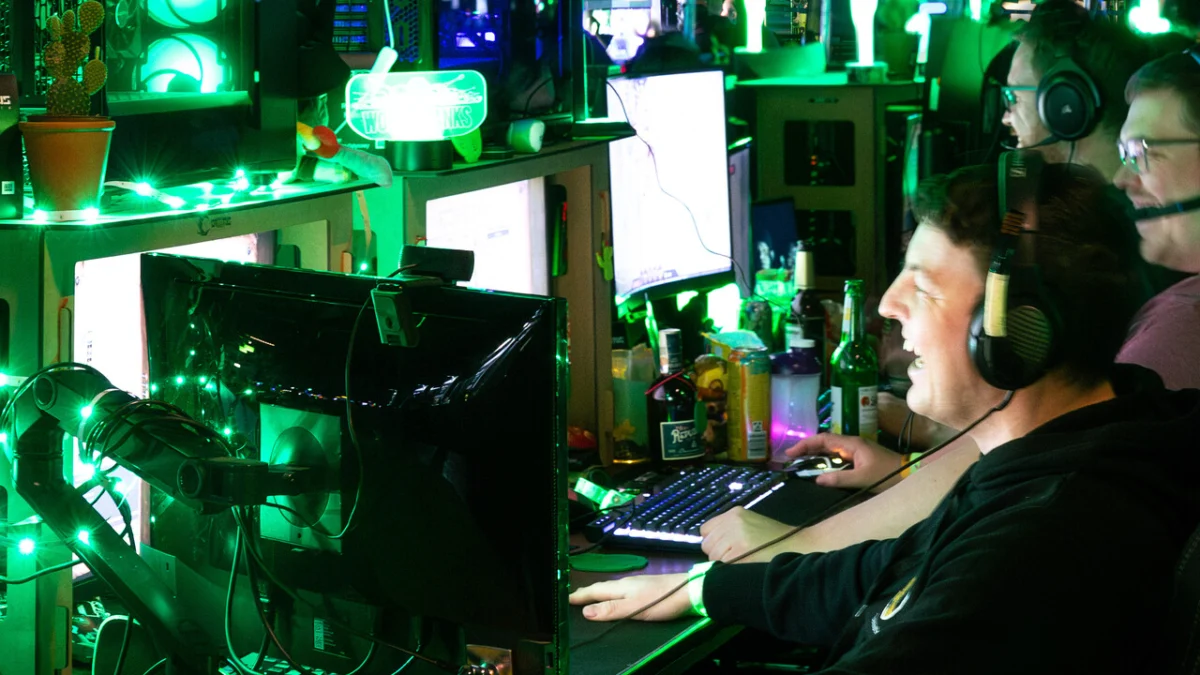
The social mechanics of gaming have fundamentally shifted in the last decade. Gone are the days when multiplayer gaming was limited to local "couch co-op" sessions. Today, integrated voice platforms like Discord, in-game social hubs, and cross-platform communication tools allow players to maintain high-fidelity social lives across hundreds, or even thousands, of kilometers.
For many, the gaming session serves as a modern-day parlor. It is a shared activity that provides a structured environment for interaction, allowing people to bond over common goals, collaborative problem-solving, and shared triumphs. Whether it is a routine evening round of a tactical shooter or a collaborative building session in a sandbox game, these interactions satisfy a fundamental human need for community.
Chronology of the Study and Data Breakdown
The study, which gathered data from 2,105 individuals across Germany between July 21 and July 28, 2026, provides a granular look at how different age groups navigate these digital social landscapes.
Key Data Points:
- Broad Adoption: 42% of all German gamers utilize games to stay in contact with their social circles.
- Bridging the Physical Divide: 30% of all gamers surveyed have used an in-game interaction as the catalyst for an in-person meeting.
- Generational Shifts: The trend is significantly more pronounced among younger demographics. Among players aged 16 to 24, a staggering 70% have moved their friendships from the virtual to the physical world after meeting in a game.
- The Multi-Generational Hobby: 81% of respondents agree that gaming serves as a viable hobby for people of different generations, effectively bridging age gaps that often exist in other forms of entertainment.
- Combatting Loneliness: 76% of participants believe that games are an effective tool for lonely individuals to find like-minded people.
Official Perspectives: The Industry’s Take
The timing of this data release is significant, coming just days before the annual observance of World Mental Health Day on October 10. Industry leaders are positioning these findings as evidence that gaming should be viewed as a proactive component of social health rather than a sedentary diversion.
Felix Falk, Managing Director of game, emphasizes that the medium has a unique capacity to dissolve traditional barriers. "Games bring people together across generations, distances, and the most varied life situations," Falk noted in a press statement. According to the association, the ability of games to provide a low-pressure environment for interaction makes them an ideal space for those who may struggle with more traditional or high-pressure social settings.
However, a note of caution is necessary for an objective analysis. While the study provides a valuable snapshot of user sentiment, it is an industry-commissioned report. While the methodology is rigorous and the sample size is statistically significant for the German population, the data represents self-reported perceptions of social efficacy rather than a clinical trial measuring a reduction in diagnosed loneliness. Nevertheless, the scale of the response—20 million people—indicates a profound cultural shift that cannot be ignored by sociologists and mental health professionals.
Implications for Society and Technology
The implications of this shift are multifaceted, affecting everything from urban planning and social policy to the design of future digital infrastructure.
1. Reconceptualizing "Real" Interaction
The data suggests that the dichotomy between "online" and "offline" is becoming increasingly obsolete. For younger generations, the digital experience is a legitimate component of their social reality. When 70% of 16-to-24-year-olds translate virtual play into real-world meetings, the game acts as a "third place"—a social environment distinct from the home and the workplace—that fosters community building.
2. The Role of Gaming in Mental Health
With 73% of gamers believing that games help them feel less lonely, the industry is increasingly scrutinized for its role in mental health. While games are not a replacement for professional therapy, they serve as a critical social safety net. In an era where urbanization and remote work can lead to social fragmentation, the ability to log on and immediately interact with a trusted group of peers provides a sense of belonging that is otherwise difficult to access for many.
3. Future Technological Design
As developers recognize the "social" nature of their audience, the design of games is evolving. We are seeing a move away from purely competitive mechanics toward cooperative, "cozy," and community-driven gameplay. Features such as in-game emotes, collaborative quests, and shared creative spaces are being prioritized because they facilitate the social bonding that the player base clearly desires.
The "Digital Sofa" as a Cultural Phenomenon
The phrase "Digital Sofa" perfectly encapsulates this transition. Historically, the living room couch was the center of social life. Today, that couch has been decentralized and digitized. It is a shared space that moves with the user, regardless of their physical location.
The survey results act as a mirror for contemporary society. In a world where physical proximity is no longer the prerequisite for friendship, gaming has stepped in to fill the void. By providing a platform where people can cooperate, compete, and converse, video games have become one of the most effective tools for maintaining human connectivity in the 21st century.
As we look toward the future, the integration of virtual and augmented reality will likely further blur these lines. If we are already seeing millions of people successfully translating digital interactions into physical ones, the next stage of this evolution—where digital spaces feel indistinguishable from physical ones—could revolutionize the way we define community entirely.
Conclusion: A Call for Open Dialogue
The evidence provided by the game association is a clear signal that the gaming community is, at its core, a social one. For those who still view the gaming industry through the lens of outdated myths, the data provides a necessary correction.
As we approach World Mental Health Day, it is worth reflecting on the power of our shared hobbies. Whether it is a tabletop game, a sports club, or a massively multiplayer online game, the value lies in the connection between the participants. Video games have proven that they are not just a way to pass the time; they are a way to find one another.
The next time you log into your favorite server or join a lobby, consider the weight of the connection you are making. You are not just playing a game; you are participating in a global network of human interaction, one that is reshaping the social fabric of our modern world, one lobby at a time.