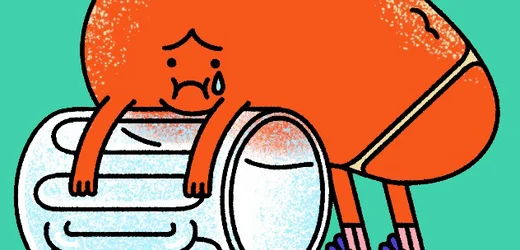
For decades, the female body operates in a finely tuned equilibrium, a rhythmic dance between the hormones estrogen and progesterone that regulates everything from reproductive health to metabolic stability. Yet, as women reach midlife, this delicate choreography often descends into a complex, sometimes chaotic, transition known as the menopause.
In Germany alone, an estimated nine million women are currently navigating this life stage. While the subject was once shrouded in silence and social stigma, a shift has occurred. High-profile figures, including Michelle Obama and Gwyneth Paltrow, have brought the conversation into the mainstream, sharing their experiences with the debilitating symptoms that can accompany this transition—ranging from persistent sleep disturbances and volatile mood swings to sudden, intense hot flashes.
However, as the discourse moves from private consultations to the public sphere—particularly on social media platforms—the wealth of information comes with a caveat. Katrin Schaudig, a prominent gynecologist and president of the German Menopause Society, warns that alongside increased awareness comes a flood of misinformation.
The Science of the Shift: Understanding the Hormonal Landscape
To understand why the menopause transition—often referred to as perimenopause—can be so disruptive, one must look at the physiological machinery involved. The transition is not a singular event but a prolonged process of hormonal recalibration.
As the ovaries gradually reduce their production of estrogen and progesterone, the body’s internal thermostat, sleep-wake cycles, and even cognitive functions can be severely impacted. Estrogen, in particular, acts as a systemic hormone, influencing brain health, bone density, and cardiovascular function. When these levels fluctuate unpredictably, the result is a systemic ripple effect.
Dr. Schaudig, who operates the specialized practice "Hormone Hamburg," emphasizes that while the biological process is universal, the experience is profoundly individual. "We see a dangerous level of polarization in the public discourse," Dr. Schaudig observes. "Some voices dismiss the symptoms as a natural process that shouldn’t be ‘medicated,’ while others advocate for aggressive interventions without proper medical context. Both extremes are problematic."
A Chronology of the Transition
The menopause journey typically unfolds across three distinct phases:
1. Perimenopause: The Beginning of Variability
Beginning often in the late 30s or early 40s, this phase is characterized by irregular menstrual cycles. Progesterone levels often drop first, leading to "estrogen dominance," which can cause heavy periods, breast tenderness, and irritability.

2. Menopause: The Threshold
Clinically, menopause is defined as the point when a woman has gone 12 consecutive months without a menstrual period. This marks the cessation of ovarian function. The average age for this milestone in Western populations is 51, though genetics, lifestyle, and medical interventions can cause it to occur significantly earlier or later.
3. Postmenopause: The New Equilibrium
Following the 12-month mark, the body enters a state of postmenopause. Hormonal levels remain low but stable. While the acute symptoms like hot flashes often subside during this period, the focus of healthcare shifts toward long-term management of risks associated with low estrogen, such as osteoporosis and cardiovascular health.
Supporting Data: The Scope of the Challenge
The sheer scale of the menopause transition in the modern workforce and society is significant. Research suggests that up to 80% of women experience some form of symptoms during the transition, with 20% to 30% reporting symptoms severe enough to disrupt their professional and personal lives.
Despite the prevalence of these symptoms, data from various health organizations indicates a persistent gap in medical literacy. Many women report waiting years before receiving an accurate diagnosis or effective treatment plan. The "symptom burden"—the cumulative effect of fatigue, brain fog, and vasomotor symptoms—leads to higher rates of absenteeism and, in some cases, premature exit from the workforce.
Furthermore, the "polarization" noted by Dr. Schaudig is reflected in the divergent advice found online. From unverified herbal supplements to contradictory claims about Hormone Replacement Therapy (HRT), the digital landscape is fraught with risks for women seeking evidence-based care.
Official Responses and Medical Guidelines
The medical community, led by organizations like the German Menopause Society, is working to standardize care. The primary objective is to move away from a "one-size-fits-all" approach.
"The goal is to empower women with the knowledge they need to make informed decisions," says Dr. Schaudig. "We must move past the idea that suffering is simply something women must endure. If a woman’s quality of life is severely impacted, we have safe, effective, and evidence-based medical tools to help her."
Current medical guidelines emphasize:

- Individualized Risk Assessment: Before any therapy, doctors must assess a woman’s personal and family medical history.
- The Window of Opportunity: Research indicates that the timing of intervention is crucial. Hormone therapy is most effective and carries the lowest risk when initiated within a certain timeframe after the onset of symptoms or the final menstrual period.
- Multidisciplinary Care: Managing menopause is not just about hormones; it involves nutrition, exercise, and mental health support.
Implications for Future Health and Policy
The implications of better managing the menopause transition extend far beyond individual comfort. There are significant public health benefits to addressing long-term health markers early. Estrogen replacement, when used appropriately, is linked to better bone mineral density, reducing the risk of fractures later in life. There is also ongoing research into the protective effects of hormone therapy on cardiovascular and cognitive health.
Furthermore, as more women remain in the workforce into their 60s and beyond, corporations and policymakers are beginning to recognize the "menopause gap." Implementing workplace policies that offer flexibility and support for women in this life stage is increasingly seen as a matter of economic necessity and gender equality.
Conclusion: A Call for Evidence-Based Dialogue
The conversation surrounding menopause is undergoing a long-overdue transformation. By shifting the narrative from one of shame and mystery to one of biological reality and proactive management, society can better support the millions of women entering this life phase.
As Dr. Schaudig highlights, the danger lies not in the hormones themselves, but in the lack of nuanced, medically sound guidance. Whether through podcasts like Smarter leben, which aim to bridge the gap between complex science and daily life, or through the expansion of specialized menopause clinics, the path forward is clear: education is the best antidote to the "hormonal chaos" of midlife.
For those experiencing the transition, the consensus is clear: Do not suffer in silence. Seek out qualified medical professionals who prioritize evidence-based care, and be wary of the "miracle cures" that frequently trend on social media. The transition to menopause is a significant chapter, but with the right support, it can be navigated with clarity, confidence, and health.
For those looking for further resources or wishing to share their experiences, the medical community encourages open dialogue with primary care physicians and specialists. Whether through text, audio, or clinical consultation, keeping the lines of communication open is the first step toward reclaiming one’s quality of life during this pivotal stage.