The landscape of European asylum policy is undergoing a profound transformation. As governments across the continent move toward increasingly restrictive border regimes, Bavaria has emerged as a focal point for the implementation of the New European Asylum System (GEAS). At the center of this controversy is the planned construction of a dedicated “deportation terminal” at Munich Airport and the repurposing of the former Ingolstadt prison for asylum detention. Critics, including the Bavarian Refugee Council, argue that these projects represent a systematic dismantling of the right to asylum, effectively creating “black boxes” where human rights oversight is minimized.
The Munich Project: A Hub for Expedited Expulsion
The plans for the Munich deportation terminal are ambitious in scale and scope. According to project documents, the facility is designed to facilitate up to two charter deportation flights and 100 individual repatriations daily. This represents a significant scaling of logistical capacity that far exceeds current operational requirements, signaling a shift toward the industrialization of deportations.
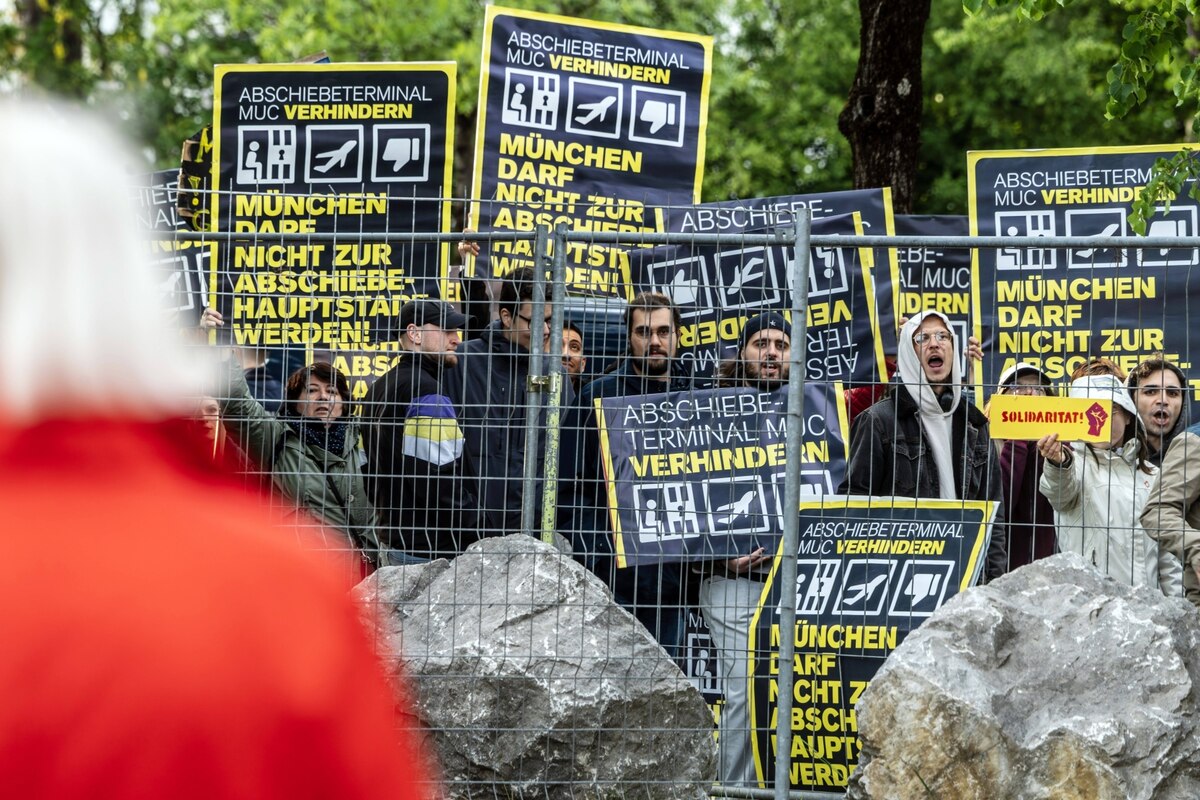
The initiative, which began in its conceptual phase in 2022, received formal approval from the Munich Airport supervisory board on July 14. The decision was met with significant political pushback; only the Mayor of Munich, Dominik Krause, and two representatives of the Verdi trade union voted against the project. With the planning approval process currently underway, the Bavarian government intends to break ground shortly, aiming to establish Munich as a primary European hub for joint charter deportations involving multiple EU member states.
A Chronology of Policy Shift
The trajectory toward this infrastructure began long before the current construction phase.
- 2022: Initial planning for the airport deportation facility commences.
- 2025: Germany conducts approximately 23,000 deportations. During this year, the JVA Ingolstadt is decommissioned as a standard prison and earmarked for conversion.
- July 14, 2026: The Munich Airport supervisory board grants formal approval for the terminal, ignoring warnings from human rights advocates.
- Late 2026: Conversion of the Ingolstadt prison into a detention center for asylum seekers under the “external border procedure” accelerates.
- Present: As the EU’s GEAS reform is implemented, these sites transition from theoretical planning to operational infrastructure.
Data and Discrepancies: The Case for Caution
One of the most striking aspects of the Munich terminal project is the financial commitment involved. The federal government is expected to pay approximately 4.2 million euros in annual rent for the facility. This expenditure is particularly contentious given that national migration statistics indicate a downward trend in asylum applications and arrivals.
Katharina Grote, spokesperson for the Bavarian Refugee Council, notes that the sheer capacity of the proposed terminal is disproportionate to current needs. “It is clear that Munich is positioning itself as a central node for charter deportations,” Grote explains. “By creating this infrastructure, the state is preparing for a future where they can conduct deportations like an assembly line, should political winds shift or a new government prioritize even more aggressive removal strategies.”
The fundamental difference between charter flights and commercial aviation lies in the level of coercive force applied. Charter flights operate without civilian passengers or independent flight crews who might witness or challenge the treatment of deportees. As Grote points out, the primary effect of these specialized terminals is that "no one is watching anymore."
The Legal Fiction of "Non-Entry"
Perhaps the most significant development is the use of the former JVA Ingolstadt. Under the new EU border procedures, asylum seekers arriving at external borders—including airports and seaports—who originate from countries with an asylum recognition rate of less than 20 percent (such as Turkey or Tunisia) are subject to a specific, 25-week detention-like procedure.

This process operates under a controversial legal mechanism known as the "fiction of non-entry." Even though these individuals have physically arrived on German soil, they are legally considered not to have entered the country. Consequently, they are held in facilities like the Munich Airport site or the Ingolstadt prison without a formal court-ordered detention warrant. This legal gray zone extends even to children, raising urgent questions about the compatibility of these measures with international child protection standards.
Official Responses and Bureaucratic Prioritization
The Bavarian State Government has largely framed these measures as necessary administrative steps to uphold the rule of law and maintain the integrity of the migration system. However, the lack of transparency has alarmed non-governmental organizations (NGOs).
Grote highlights that the decision to utilize the Ingolstadt prison came as a surprise to advocacy groups, with zero consultation from the state government. “One would assume that the Bavarian state government would immediately seek contact with experts when planning such drastic measures,” she notes. “Instead, they have prioritized speed and control over the rights of the individuals involved.”
Furthermore, the identification of vulnerable individuals—such as those persecuted for their sexual orientation or gender identity—appears to be left to the discretion of federal police. Experts argue that an asylum seeker is unlikely to disclose intimate, traumatic details to a law enforcement officer in a detention setting. By bypassing specialized social services, the state risks failing to protect those who are most at risk of persecution.

Implications for Legal Protection and Civil Society
The erosion of independent legal aid is another casualty of this new system. Historically, the Federal Office for Migration and Refugees (BAMF) covered the costs of legal counsel for those subject to airport procedures. With the implementation of the GEAS reforms, this practice has been curtailed, leaving the future of legal support in uncertainty.
The alternative provided by the state, known as "auRa" (a legal information service provided by BAMF), is widely criticized by NGOs. Because BAMF is the very authority responsible for rejecting asylum applications, it cannot be considered an independent or impartial advisor.
Additionally, the funding landscape for NGOs and social welfare organizations has shifted dramatically. In the last federal budget, funding for asylum procedure counseling was slashed from nearly 25 million euros to 5 million euros. In Bavaria, the situation is compounded by new state guidelines that effectively threaten to withhold funding from any organization that provides "outcome-open" or critical counseling. There is a concerted effort to prevent these organizations from offering information on protest initiatives, such as those opposing the new "payment card" system for asylum seekers.
Conclusion: The "Black Box" Risk
The development of the Munich deportation terminal and the repurposing of the Ingolstadt prison represent a shift toward an increasingly opaque migration regime. As these facilities become operational, the risk that they will become "black boxes"—devoid of independent legal scrutiny, oversight, or public accountability—is significant.

The challenge for civil society, as Grote suggests, is to maintain visibility. The public debate sparked by the Munich terminal construction proved that public scrutiny could at least slow down the process and force a conversation about the morality of mass deportations. Moving forward, the protection of these vulnerable spaces requires not only professional legal assistance but also a broader societal commitment to ensuring that the rights of asylum seekers are not sacrificed in the name of administrative efficiency. Whether through legal challenges, public protest, or humanitarian support, the battle over these sites will likely define the future of human rights in the German migration landscape for years to come.