As global temperatures climb, cities face the growing threat of "urban heat islands." However, a solution may be hiding in plain sight: the humble allotment garden. Beyond their traditional role as spaces for leisure and personal cultivation, these green patches are emerging as essential tools for climate adaptation, offering cooling effects, biodiversity havens, and significant carbon storage potential.
The Rising Importance of Urban Greenery
In the heat of mid-summer, the temperature difference between a densely paved city center and a lush, green space can be striking. For urban planners and climate scientists, the challenge is no longer just about planting trees along boulevards; it is about leveraging every available square meter of permeable land. Allotment gardens—traditionally viewed as historical relics or hobbyist retreats—are now being reframed as "critical climate infrastructure."
Recent research, including findings from the Econics Institute, suggests that these allotments provide a measurable defense against the heat-trapping properties of asphalt and concrete. While large-scale forests and expansive city parks provide the most significant cooling, the cumulative impact of thousands of small, interconnected gardens creates a "cooling web" that can significantly alleviate the thermal stress on urban populations.
A Model for Resilience: The Aronia Case Study
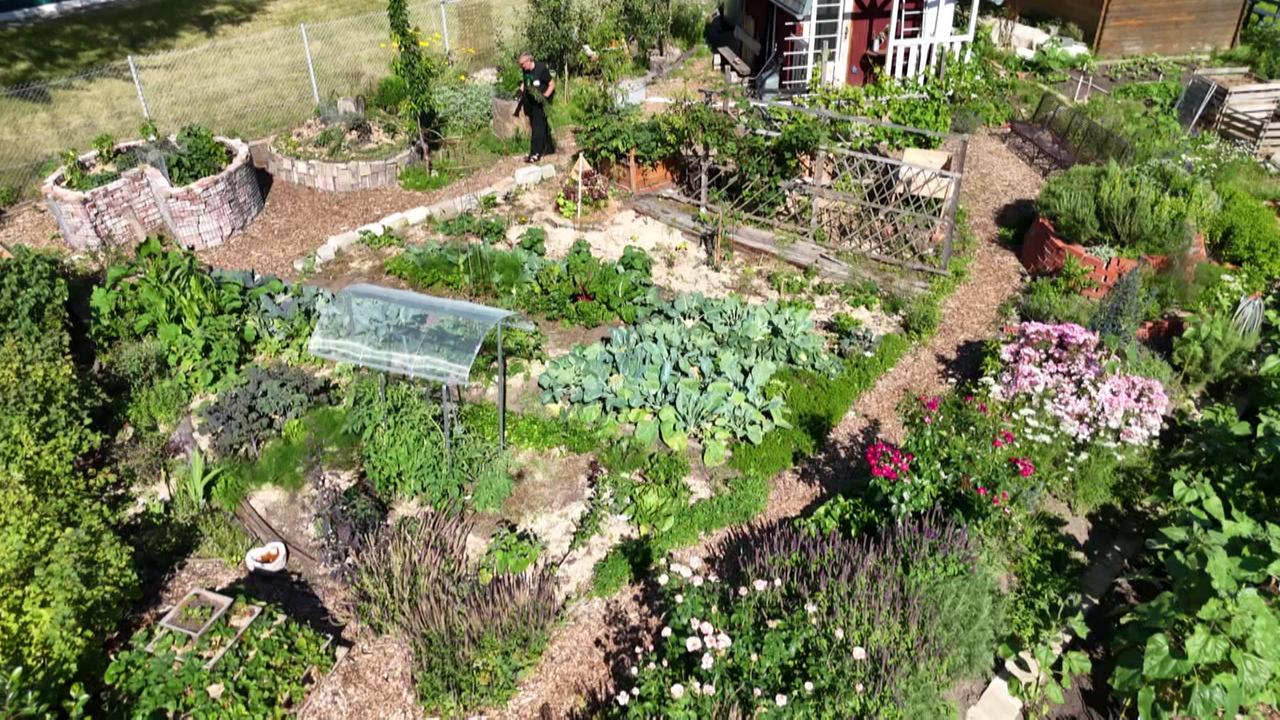
In Dresden, Germany, the Aronia allotment garden association is demonstrating how modern, ecologically conscious gardening can combat environmental stressors. Unlike traditional, highly regulated allotments that favor rigid lawns and manicured hedges, Aronia prioritizes biodiversity and soil health.
Here, the philosophy is simple: work with nature, not against it. Visitors will find winding pathways that encourage natural air circulation, and a deliberate mix of berry bushes and vegetables planted in harmonious clusters rather than isolated, mono-cultural rows. Crucially, the association has implemented a strict ban on synthetic fertilizers, chemical pesticides, and peat, fostering a healthy, living soil ecosystem.
"We aren’t just gardening; we are participating in climate protection," says Sven-Karsten Kaiser, board member of the Aronia association. For Kaiser, the secret weapon is mulching. By covering the soil with plant trimmings, gardeners protect the earth from evaporation, keeping the soil cool and moist. "When the moisture leaves the soil, the soil life dies. The worms and microorganisms flee to deeper layers, leaving the topsoil barren. Mulching preserves the biological integrity of the garden."
Chronology of the Allotment Movement
The concept of the "Schrebergarten" (allotment garden) originated in 19th-century Germany, initially conceived as a means to improve the health and nutritional status of the urban poor during the Industrial Revolution.
- 1860s: The first "Schreber" gardens appear in Leipzig, named after physician Moritz Schreber, who advocated for outdoor play and physical activity for children living in crowded urban tenements.
- Early 20th Century: Allotments become lifelines during the food shortages of World War I and II, providing essential produce for survival.
- Late 20th Century: The gardens shift toward recreational use, often criticized for being overly restrictive and lacking biodiversity.
- 2020s: A paradigm shift occurs. With the acceleration of climate change and the "Heat Age," the focus turns toward environmental functionality. Academic interest spikes, with studies from institutions like the Humboldt University of Berlin identifying these plots as vital climate-regulating assets.
Supporting Data: The Science of the "Green-Cooling" Index
The effectiveness of these gardens is not merely anecdotal. The Econics Institute, in collaboration with researchers like ecologist Pierre Ibisch from the Eberswalde University for Sustainable Development, has utilized satellite imagery to map the cooling capacity of various urban land types.
Key Findings:
- Thermal Buffering: Allotment colonies function as "thermal buffers," significantly lowering surface temperatures compared to adjacent residential blocks.
- Carbon Sequestration: Research from Humboldt University found that allotment soils store, on average, nearly 200 tonnes of carbon per hectare. This is more than double the storage capacity of typical agricultural land and significantly higher than many urban parks or managed forests.
- Water Retention: Through organic practices and permeable surfaces, these gardens act as sponges, reducing the strain on urban sewage systems during heavy rainfall—a common occurrence in the changing climate.
Official Responses and Policy Implications
The data is prompting a rethink among urban policymakers. No longer seen as mere "hobby land," allotments are increasingly viewed as strategic assets in municipal climate mitigation plans.
Ecologist Pierre Ibisch argues that the "reality of the Heat Age" requires a fundamental shift in how cities are built. "Allotment gardens are a crucial building block for the strategic development of cooling elements in cities," he notes. With over 867,000 such gardens in Germany alone—covering approximately 44,000 hectares—the potential for large-scale, decentralized climate intervention is immense.
However, integrating these spaces into formal city planning presents challenges. There is often a tension between the need for new housing and the preservation of green space. Yet, proponents argue that the "cooling service" provided by these gardens is an economic benefit that outweighs the potential development value, as it reduces energy costs for air conditioning and healthcare costs associated with heat-related illnesses.
Challenges and Cultural Evolution
Despite the benefits, the transition to "climate-resilient gardening" is not without friction. In associations adjacent to Aronia, gardeners are sometimes skeptical of the "wilder" look of ecologically managed plots. "There is a fear of weeds and a lack of order," explains Ines Schlatter, a local garden chair.
However, education is bridging this gap. By showcasing the practical results—such as higher yields despite lower water usage—the "Aronia" model is winning over skeptics. It is a nuanced approach; they do not let every "weed" grow, but rather curate the environment to balance food production with ecological support.
Implications for the Future
As we look toward 2030 and beyond, the role of the allotment garden is likely to evolve from a private sanctuary into a public utility. The future of urban living depends on our ability to integrate nature into the built environment.
The Path Forward:
- Policy Protection: Municipalities should grant long-term security to allotment associations, recognizing them as essential climate infrastructure.
- Knowledge Exchange: Implementing training programs for traditional gardeners to learn techniques like mulching, composting, and native planting.
- Strategic Connectivity: Urban planners should prioritize the placement of new green spaces to ensure they form "green corridors" that allow for airflow through dense city centers.
- Incentivizing Biodiversity: Local governments could provide subsidies or tax incentives for gardeners who adopt organic, climate-positive practices, further encouraging the transition away from chemical-heavy gardening.
Conclusion
The transformation of the humble allotment garden represents a broader shift in how we perceive urban survival in a warming world. These plots are no longer just places to grow potatoes or flowers; they are sophisticated, biological machines that cool our cities, capture carbon, and provide a buffer against the extremes of a changing climate.
By valuing these spaces as critical infrastructure, we do not just save a tradition; we invest in the liveability of our future cities. The "Aronia" model in Dresden proves that when we garden with the future in mind, we create a legacy that is as cooling to the planet as it is nourishing to the human spirit. The next time you walk past a gated community of small, vibrant gardens, realize that you are looking at one of our most effective, low-tech, and highly efficient weapons in the fight against climate change.