By Editorial Staff
Starting in October, the landscape of German railway stations is set for a profound transformation. The Deutsche Bahn (DB), Germany’s national railway operator, has announced a sweeping policy to implement a comprehensive alcohol ban across all 5,400 of its stations nationwide. While the policy aims to bolster security and improve the atmosphere for commuters, it has ignited a fierce debate in cities like Berlin, where the "Wegbier"—the beer enjoyed on the way to a destination—is often seen as an inseparable, if gritty, part of urban culture.
The Core Facts: A Gradual Rollout
The Deutsche Bahn’s decision is not an overnight shift but a calculated, phased implementation. By October 15, 2026, the ban will be active across the entire network. In Berlin, this move is particularly impactful, as it affects the city’s vast S-Bahn network.
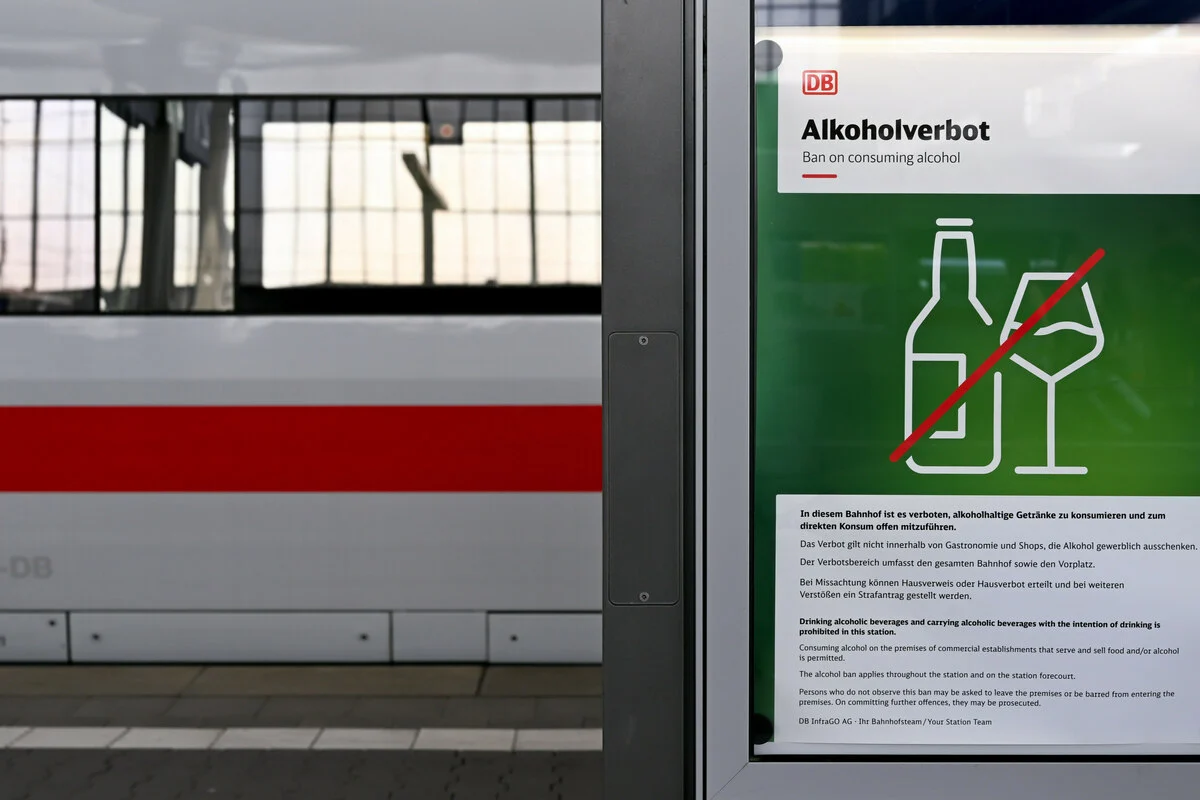
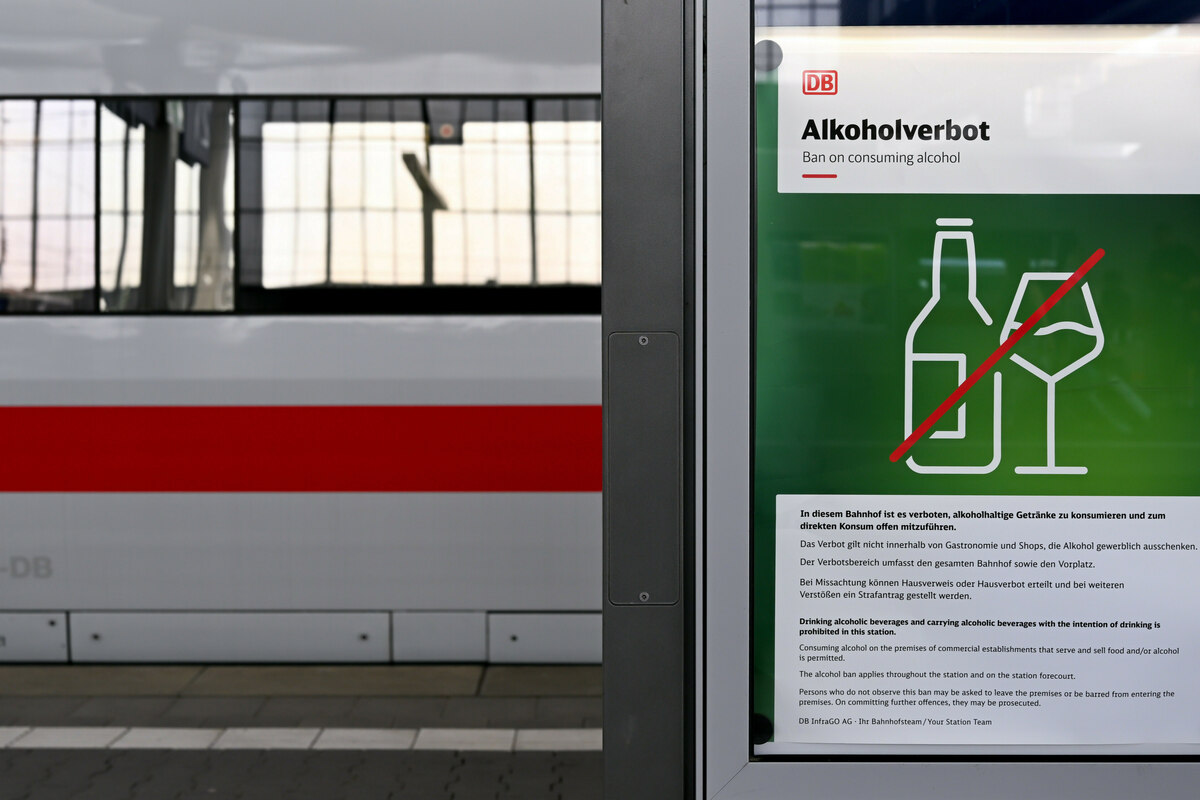
The regulations are specific: the consumption and open carrying of alcoholic beverages will be prohibited on station platforms and in public concourse areas. However, the policy contains important nuances. Closed containers of alcohol, such as those bought at a supermarket or kept in luggage, remain permitted. Furthermore, the ban does not apply to licensed restaurants, bars, or shops within the station premises that sell alcohol for on-site consumption. Enforcement will rely on security personnel who will issue warnings, followed by mandatory expulsion from the station or, in cases of repeat offenses, formal bans from the property.
A Chronology of Escalation
The push for this policy was not born in a vacuum. It follows a series of high-profile incidents that have forced the safety of railway staff and passengers to the forefront of public discourse.
- May 2024: The Berlin Ostbahnhof launched a pilot project, serving as a real-world testing ground for the total alcohol ban. This project provided the data and initial feedback that informed the national decision.
- Recent Months: Public alarm intensified following a violent incident in which an intoxicated passenger pushed a DB security guard from a moving train, leaving the employee with life-threatening injuries.
- October 2024: The start of the official national rollout begins, signaling the DB’s commitment to curbing alcohol-related violence.
- October 2026: The final deadline for the complete nationwide implementation across all 5,400 stations.
Supporting Data and Security Concerns
The primary driver behind the ban is the correlation between alcohol consumption and violent behavior. DB management, led by CEO Evelyn Palla, has been vocal about the necessity of this shift. Palla recently stated, "Too often, we have had to observe that where too much alcohol flows, violence also increases."
From a security perspective, the statistics are alarming. Railway staff, particularly those working evening shifts, report a significant increase in incidents ranging from verbal abuse and harassment to physical altercations. At the Ostbahnhof, for instance, retail workers describe a pervasive sense of insecurity during late hours, citing scenes of intoxicated individuals shouting and becoming aggressive. For many commuters, especially those who cannot "escape" a train station while waiting for a connection, this environment is deeply intimidating.
The "Berlin Identity" and the Counter-Argument
While the DB focuses on security, many Berliners view the ban as an assault on the city’s unique, albeit rough, character. Berlin is famous for its "atzig" (gritty/trashy) aesthetic, where drinking a beer while traversing the city is a social ritual.

A group of youths interviewed at the Ostbahnhof argued that the ban contradicts the "Berlin identity." For them, the freedom to consume alcohol in public spaces is a hallmark of the city’s permissive culture. "Everyone should do what they want," one remarked, echoing a sentiment held by those who believe the city is losing its edge.
However, this romanticized view of "Berlin grit" is challenged by others, particularly older residents and families. One grandmother noted that the presence of aggressive, intoxicated individuals is not just a nuisance but a source of genuine distress for children and families. She argued that there is a clear distinction between a casual "after-work beer" and the chaotic, often abusive behavior that currently plagues many platforms.
Official Responses and Social Implications
The debate has drawn in organizations that work directly with the vulnerable populations most likely to be affected by the ban: the homeless and the addicted.
Barbara Breuer, a spokesperson for the Berlin City Mission, warns against the potential for discriminatory enforcement. She emphasizes that the rules must be applied universally, noting that "it is important that these rules apply to all people equally and that a blind eye is not turned toward celebrating youths or euphoric football fans."

There is a widespread fear that the ban will disproportionately target the homeless, who often use railway stations as a refuge. If they are expelled, their situation does not improve; it merely shifts to the streets of the surrounding neighborhoods. Breuer argues that the focus should be on systemic solutions—such as more day centers and social support—rather than simply displacing the problem. "Whoever wants to reduce violence, littering, or uninhibited behavior must address the causes—poverty, homelessness, mental illness, and dependency," she says.
Logistical Challenges: The "Patchwork" Problem
The implementation of the ban is further complicated by the geography of Berlin’s transit network. Approximately 20 of Berlin’s 168 S-Bahn stations are shared with U-Bahn (subway) lines. Because the U-Bahn is operated by the BVG (Berliner Verkehrsbetriebe), which has not issued a similar alcohol ban, these stations will exist in a state of legal flux. Passengers could theoretically be in a "dry" zone while standing on the S-Bahn platform, only to be in a "wet" zone a few steps away on the U-Bahn side. This lack of uniformity raises questions about the practical feasibility of enforcement.
The Verdict: Will it Work?
The question remains: Does an alcohol ban actually reduce crime, or does it simply displace it?
Critics, including those who have written commentaries on the issue, suggest that the move might be counterproductive. By pushing the issue outside the station, the DB may be creating new hotbeds of conflict in the surrounding neighborhoods, effectively making the "Kiez" (neighborhood) responsible for the chaos previously contained within the station walls.

Retail workers at the Ostbahnhof remain skeptical. One employee, reflecting on her four years of experience at a station shop, put it bluntly: "It’s nonsense. Whether it’s consumed in front of the station or inside—if they are aggressive, they are aggressive. The problem isn’t necessarily inside the station; the people arrive already drunk."
Conclusion
The Deutsche Bahn’s alcohol ban is an ambitious attempt to reclaim public spaces for the majority of commuters. It is a reaction to legitimate fears regarding safety and the physical well-being of staff and travelers. However, the policy sits at the intersection of a massive societal challenge. It attempts to regulate behavior without necessarily solving the underlying issues of addiction and poverty.
As October approaches, the success of the policy will likely not be measured by the presence or absence of bottles on the platforms, but by whether it leads to a genuine decrease in violence or merely transforms the map of urban conflict in Berlin. The city is waiting to see if this shift will make the stations safer, or if it will simply strip away another layer of the "raw" Berlin that, for better or worse, defines the city’s soul.