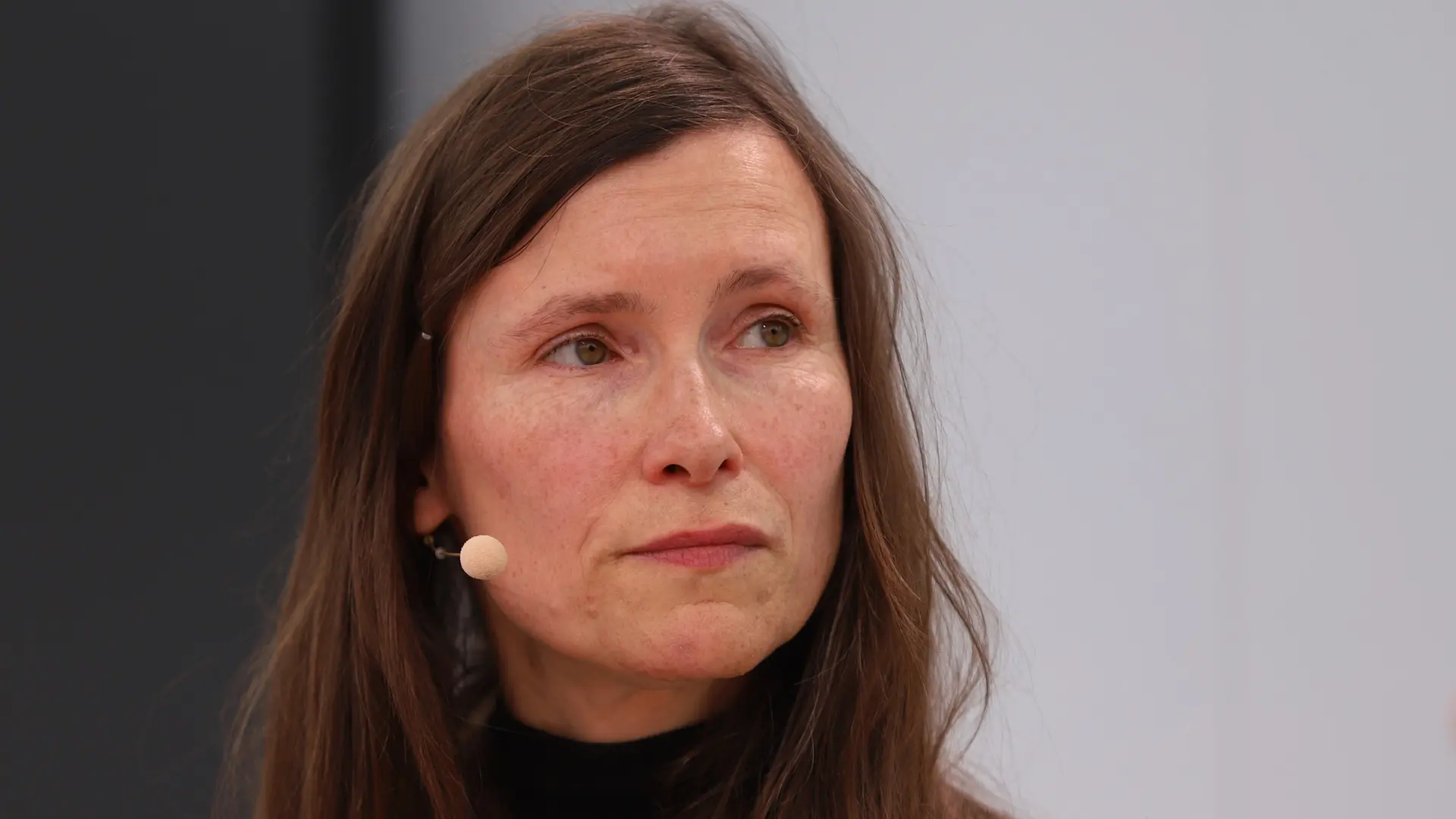
The Leipzig-based author Heike Geissler has been named the recipient of the prestigious Saxon Literature Prize 2026. Renowned for her incisive analysis of contemporary social conditions and her role as a “political philosopher” in literature, Geissler’s recognition underscores the importance of critical discourse in an increasingly polarized society.
On Thursday, the Saxon Literature Council (Sächsischer Literaturrat) officially announced the selection of Heike Geissler for the 2026 prize. The award, endowed with 10,000 euros, serves as one of the most significant honors in the region’s cultural calendar. The official ceremony is scheduled to take place during the renowned "Literary Autumn" (Literarischer Herbst) festival in Leipzig, an event that celebrates the intersection of regional heritage and global contemporary perspectives.
The Jury’s Verdict: A Fighter in Prose
The jury’s reasoning for the selection was both succinct and profound: "Wherever she competes, she fights." This statement captures the essence of Geissler’s body of work—a collection of novels and essays that refuse to shy away from the friction of modern existence.
According to the committee, Geissler does not merely write stories; she dissects the structural inequalities of our time. By framing her as a "political philosopher," the jury highlighted her unique ability to transform abstract social theories into human, relatable, and sometimes biting narratives. Her prose is described as not only "virtuous in language" and "erudite" but, crucially, as possessing a "comforting" quality—a testament to her ability to find humanity even in the most sterile or harsh environments.

Chronology of Excellence: A Career Defined by Inquiry
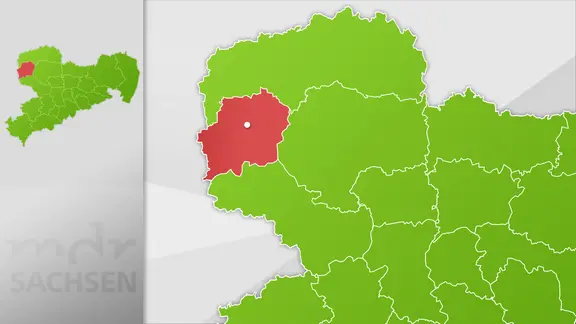
Heike Geissler, born in 1977 in Riesa, has spent over two decades establishing herself as a formidable voice in German-language literature. Her trajectory reflects a consistent preoccupation with the intersection of the personal and the political.
- Formative Years: Growing up in Riesa, Geissler’s early observations of the rapid socio-economic shifts in post-reunification Germany became the bedrock of her creative inquiry.
- Literary Breakthrough: Over the years, she has garnered acclaim for her ability to weave complex themes—such as the precarity of labor, the influence of digital technology, and the subtle ways power dynamics influence individual life choices—into accessible literary forms.
- Recognition of 2026: The awarding of the Saxon Literature Prize marks the culmination of a period of significant critical reception for her recent works, which have been lauded for their humor, intellectual depth, and unflinching honesty.
Supporting Data and Thematic Focus
To understand the weight of this award, one must look at the recurring motifs in Geissler’s bibliography. Central to her work is the concept of "labor"—not merely as an economic activity, but as a defining pillar of human identity.
The Aesthetics of Precarity
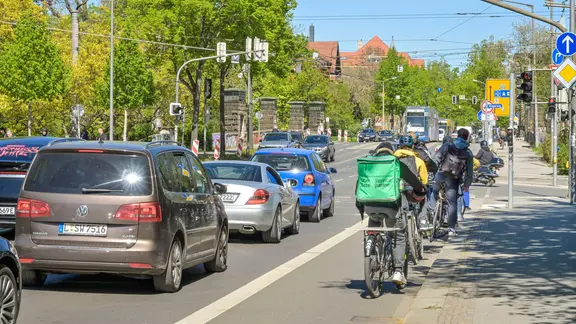
Geissler is widely considered an expert in documenting the "precarity of employment." In her novels, she explores how modern labor models affect the psyche, the family structure, and the capacity for political action. Unlike authors who treat the workplace as a mere backdrop, Geissler treats it as a primary character, often revealing how the "bureaucratic machinery" of modern life can strip individuals of their agency.
The Power of Linguistic Precision
Critics have frequently pointed out that Geissler’s strength lies in her "clear and occasionally humorous" literary style. She avoids the pitfalls of academic jargon, choosing instead a sharp, ironic, and highly observational tone that resonates with a broad readership. This stylistic choice is intentional; she aims to bridge the gap between high-level social analysis and the lived experiences of her readers.

Official Responses and Cultural Context
The announcement has been met with broad approval from the German cultural establishment. Saxony’s Minister of Culture, Barbara Klepsch, issued a formal commendation of the author, stating that Geissler’s ability to "illuminate both precarious employment conditions and complex intellectual processes" makes her an indispensable voice in contemporary literature.
"Heike Geissler belongs to a select group of writers who can hold up a mirror to society without breaking it," said a spokesperson for the Saxon Literature Council. "Her work invites us to look at the ‘business of life’ with fresh eyes."

A Tradition of Merit
The Saxon Literature Prize has historically been a marker of profound literary significance. Geissler follows in the footsteps of a distinguished list of recipients:
- 2024: Angela Krauß
- 2022: Lukas Rietzschel
- 2020: Daniela Krien
The inclusion of Geissler in this lineage confirms her position as a central figure in the literary landscape of Eastern Germany, a region that continues to grapple with the legacy of the past while navigating the complexities of the future.

Implications: Why This Prize Matters
The awarding of this prize to Geissler carries implications that extend beyond the recognition of one individual. It signals a shift in what is considered "valuable" literature in the current climate.
1. The Validation of "Political Literature"
In an era where many fear that literature is becoming too insular or purely aesthetic, the decision to honor Geissler is a clear statement that politically engaged, intellectually rigorous literature remains vital. By celebrating a writer who "fights," the Council is validating the role of the author as a public intellectual.

2. The Cultural Significance of Saxony
Leipzig has long been a hub for the publishing industry, and by hosting the ceremony during the "Literary Autumn," the state of Saxony reaffirms its status as a breeding ground for critical thought. The prize money of 10,000 euros, while modest in the context of global corporate awards, provides the financial breathing room for an artist to continue her research-intensive approach to writing.
3. A Call to Civic Engagement
Geissler’s work encourages readers to reconsider their own roles within the systems they occupy. By framing her as a "philosopher," the jury is suggesting that her books are not just for reading—they are for doing. They serve as a call to recognize the power structures at play in one’s own life and to find the courage to challenge them, just as the author does in her narratives.

Looking Ahead
As the literary community prepares for the ceremony later this year, the focus remains on the upcoming release of new materials and the continued discourse surrounding Geissler’s latest publications. Her ability to find "something comforting" in the midst of critical analysis suggests that, despite the grim realities she often depicts, she retains a fundamental faith in the potential for human progress.
For those interested in exploring the themes of "anger, protest, and the power of comfort" that permeate her work, the upcoming festival in Leipzig promises to be a focal point for discussion. It will serve not only as a celebration of Heike Geissler’s past achievements but as a forum for the questions she will undoubtedly continue to pose for years to come.
In a world that often demands silence or conformity, the recognition of Heike Geissler is a reminder that the most essential tool for change remains the written word—sharp, honest, and, as the jury rightly observed, always ready to fight.