Tehran, Iran – The Middle East finds itself ensnared in an increasingly volatile and multifaceted conflict, dubbed the "Iran-Krieg," as explosions rocked the Iranian capital of Tehran, triggering its air defense systems. This dramatic development marks a significant escalation in a region already grappling with a cascade of interconnected crises. Simultaneously, Houthi threats in the Red Sea continue to disrupt global shipping, prompting major course changes for tankers, while Pakistan has issued a stark warning of potential military intervention in the Houthi conflict. Jordan has also reported intercepting missiles over its port city of Aqaba, underscoring the broad geographical spread of the tensions.
The latest events underscore a dangerous new phase in a long-simmering rivalry, characterized by direct military actions, proxy confrontations, and strategic maneuvers that threaten to destabilize international energy markets and global security. The United States, having confirmed a rising toll of casualties among its forces, has intensified its own strikes against Iranian targets, while Tehran has vowed robust retaliation against any attack on its nuclear facilities. The complexities are further compounded by a proposed US-Saudi nuclear pact and the desperate plea from Lebanon for international support to avert another civil war, painting a grim picture of a region teetering on the precipice.
Main Facts: A Region on Edge
The recent surge in hostilities across the Middle East represents a perilous expansion of the long-standing "Iran-Krieg," a term encapsulating a series of proxy conflicts, direct military confrontations, and economic pressures involving Iran, the United States, and their respective allies. The activation of air defense systems in Tehran following reported explosions is perhaps the most direct indicator yet of the conflict’s internal impact on Iran itself, signaling a worrying new front.

Beyond Iran’s borders, the conflict manifests acutely in the Red Sea, where Yemen’s Iran-backed Houthi militia has declared a sea blockade against Saudi Arabia. This audacious move has forced numerous oil tankers to reroute, causing significant disruption to global maritime trade and raising fears for the world’s energy supply. The international community watches with bated breath as commercial vessels, laden with crucial cargo, navigate increasingly dangerous waters, with some opting for the longer, costlier route via the Suez Canal.
The geopolitical landscape is further complicated by Pakistan’s assertive declaration of potential military intervention in the Houthi conflict, a stance that highlights its deep-seated military alliance with Saudi Arabia and could draw another nuclear-armed nation into the regional fray. Meanwhile, Jordan’s interception of incoming missiles over Aqaba demonstrates the direct threat posed by these escalating tensions to neighboring states, with the US military concurrently confirming its eleventh wave of attacks against Iranian targets, primarily focusing on aircraft hangars and drone storage facilities. The human cost is mounting, with over 500 US soldiers reportedly wounded and at least 18 fatalities, including three recently confirmed after an Iranian attack on a US base in Jordan, marking the first direct Iranian attacks resulting in US troop deaths since the conflict’s recent re-escalation.
Chronology of Escalation: A Day-by-Day Account
The past few days have seen a rapid succession of events, illustrating the quickening pace of the conflict:

US Military Intensifies Offensive (Eleventh Wave): The United States Central Command (Centcom) confirmed it had completed its eleventh wave of attacks against targets within Iran. These strikes, reportedly targeting aircraft hangars and drone storage facilities, underscore a sustained effort by the US to degrade Iranian military capabilities. US President Donald Trump had previously announced his intention to intensify these attacks, signaling a clear strategic objective to exert pressure on Tehran. The US and Iran are currently engaged in a critical struggle for control over the strategically vital Strait of Hormuz, a chokepoint for a significant portion of the world’s oil supply.
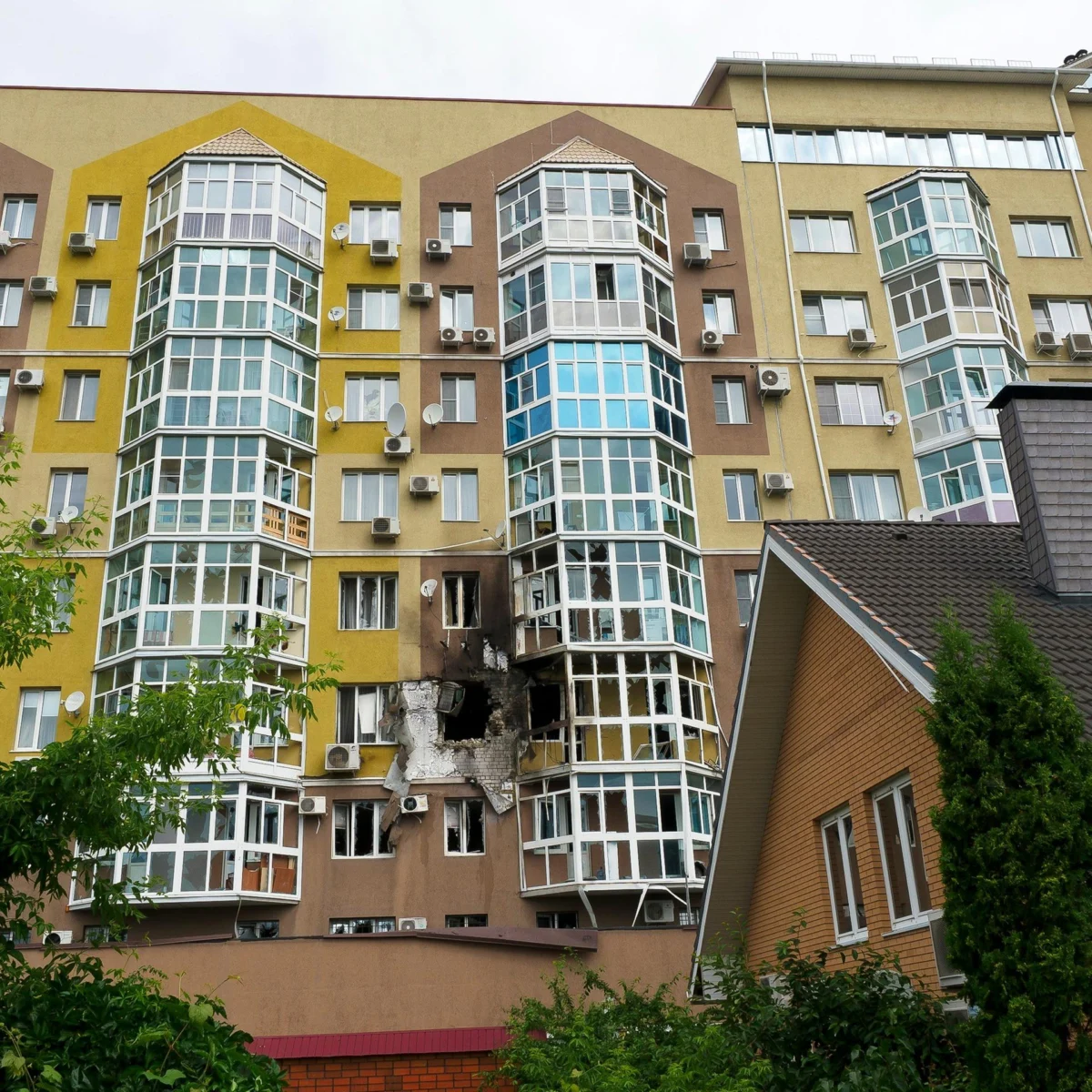
Iran’s Retaliation and Regional Strikes: In a swift and direct response, the Iranian army claimed to have launched its own drone attacks against US military bases in Kuwait, Jordan, and Bahrain. According to Iranian state media, these attacks successfully targeted quarters and material depots at Jordan’s Al-Azraq airbase and later struck material depots and maintenance hangars at the Sheikh Isa base in Bahrain. Concurrently, the Jordanian military reported activating air raid alarms in its port city of Aqaba and successfully intercepting four incoming missiles, with two others landing in uninhabited areas. Smoke clouds observed over Aqaba from the nearby Israeli city of Eilat further corroborated these reports, strongly implying an Iranian origin for the projectiles.
Houthi Maritime Blockade and Global Shipping Disruption: The Iran-backed Houthi militia in Yemen declared a naval blockade against Saudi Arabian shipping in the Red Sea. This announcement immediately triggered significant disruptions, with maritime tracking data from LSEG and MarineTraffic revealing that two oil tankers carrying Saudi crude for China and India reversed course and headed for the Suez Canal to avoid the Yemeni coast. Subsequently, additional vessels, including a vehicle transporter, diverted from their planned routes to Saudi ports, opting for open waters or the longer Suez passage. The Houthi’s official news agency, Saba, further claimed that the militia had forced six ships to turn back within 24 hours, though independent confirmation remains pending. US President Donald Trump issued a stern warning, stating that if the Houthi blockade materialized, the US military "will have to deal with it," highlighting the severe implications for international maritime security and global trade.

Pakistani Intervention Threat: Pakistan, a nuclear power with a robust military alliance with Saudi Arabia, issued a stark warning. Its Foreign Ministry declared that it reserved the right to use force to protect its interests, hinting at potential military involvement in the Houthi conflict. This statement came in response to the Houthi blockade threat against Saudi Arabia, which Pakistan vehemently condemned. Any military intervention by Pakistan would fundamentally alter the dynamics of the Yemen war, positioning Islamabad directly against Tehran and its proxies.
Tehran Under Siege: Air Defense Activated: In a dramatic turn of events, residents in Tehran reported hearing dull detonations in the northeastern part of the capital, prompting the activation of Iran’s air defense systems. Iranian state media also confirmed air defense fire in various districts across the city, home to approximately 15 million people. This incident marks the first time Tehran’s air defense has been activated since the recent escalation of the "Iran-Krieg," signaling a worrying expansion of the conflict directly into the Iranian heartland and raising questions about the source and nature of the explosions.
Syria Thwarts Hezbollah Arms Smuggling: Syrian authorities reported intercepting a significant weapons shipment believed to be destined for the Lebanese Hezbollah militant group. The seized contraband included 226 hand grenades found in a vehicle, following a larger discovery the previous week of weapons, rockets, and drones concealed in an oil tanker. These incidents indicate a notable shift in Syria’s stance. Following the overthrow of the Assad regime, the new Syrian leadership appears to be actively working to reduce Iranian influence by disrupting established supply routes that historically channeled weapons to Hezbollah in Lebanon.
Gaza Airstrike: In a separate but related incident underscoring the pervasive instability in the broader region, Palestinian civil defense officials reported that an Israeli airstrike in Gaza City killed six members of a single family, including four children. While the Israeli military did not immediately comment on this specific strike, it had earlier announced the killing of a terrorist allegedly involved in the October 7, 2023, attack and holding Israeli hostages. The differing accounts highlight the ongoing humanitarian tragedy and the cycle of violence in the Palestinian territories.
Supporting Data and Strategic Context
The ongoing "Iran-Krieg" is far from a conventional state-on-state conflict. It encompasses a complex web of proxy wars, economic sanctions, cyber warfare, and direct, albeit often covert, military engagements. The activation of air defenses in Tehran indicates a potential shift towards more direct confrontations, moving beyond proxy battlegrounds to the sovereign territory of Iran itself.
Human Cost and Military Casualties: The human toll of this protracted conflict is increasingly evident. A US government official disclosed that the number of US soldiers wounded in the "Iran-Krieg" now exceeds 500, a figure notably higher than the Pentagon’s official count of 482. This discrepancy is attributed to significant reporting delays within the Pentagon’s combat casualty tracking system. More tragically, the US military confirmed the deaths of three more soldiers following an Iranian attack on a US base in Jordan. These fatalities, which bring the total number of US military personnel killed since the war’s onset to 18, mark the first direct deaths of US troops resulting from Iranian attacks in this renewed phase of the conflict. The soldiers were deployed in support of anti-ISIS operations, highlighting the multi-layered nature of US engagement in the region.
Economic Burden of Conflict: The financial strain of the conflict is also substantial. US Defense Secretary Pete Hegseth informed the Senate Appropriations Committee that the "Iran-Krieg" has already cost the United States $37.5 billion. This represents an increase of nearly $8 billion since the last official estimate and includes projected expenditures through September 30. Hegseth stressed the urgent need for additional war funding, underscoring the significant economic commitment required to sustain US operations in the region.
The Strait of Hormuz: A Global Chokepoint: The Strait of Hormuz remains a critical flashpoint. As one of the world’s most vital maritime chokepoints, it funnels approximately one-fifth of global oil consumption. The explicit mention by Centcom of the US and Iran "struggling for control" over this strait underscores its immense strategic importance. Any disruption here could send shockwaves through the global economy, impacting energy prices and supply chains worldwide.
Nuclear Ambitions and Safeguards: A concerning development is the reported plan by the Trump administration to present Congress with a "123 agreement" for nuclear cooperation with Saudi Arabia. Insiders suggest this pact may lack crucial safeguards designed to prevent the development of a nuclear weapons program. Such a deal would allow US firms to assist Saudi Arabia in building a civilian nuclear industry, but its potential implications for regional non-proliferation are immense, especially given Iran’s own nuclear program. Iran’s supreme military command, the Khatam al-Anbiya Central Headquarters, has already issued a stern warning, threatening retaliatory attacks on US and allied targets if Washington targets Iranian nuclear facilities, particularly mentioning the heavily fortified tunnel system known as "Pickaxe Mountain" (Kuh-e Kolang), located near the Natanz nuclear site.

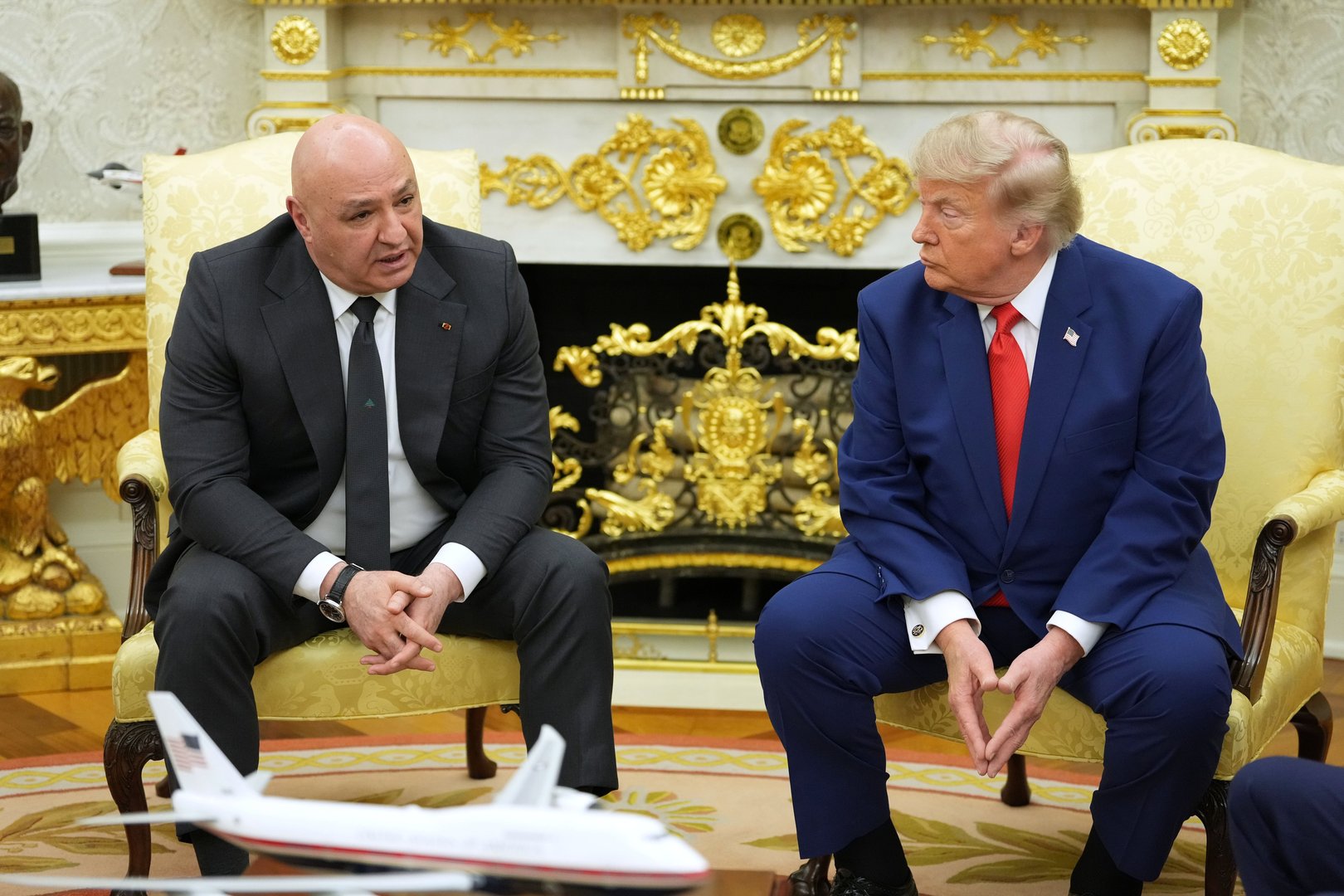
Lebanon’s Fragility: The broader regional instability profoundly impacts nations like Lebanon. President Joseph Aoun of Lebanon made an urgent appeal to US President Donald Trump for increased support for the Lebanese Armed Forces (LAF). Aoun warned that without such assistance, the country risked descending into another devastating civil war, echoing the brutal conflict of 1975-1990 that claimed an estimated 150,000 lives. He highlighted that the LAF was the first institution to collapse in 1975, leading to the proliferation of local militias. Lebanon’s army, though currently underfunded and reliant on over $3 billion in US military aid since 2006, remains one of the few institutions still commanding public trust, making its stability crucial for the nation’s future.
Official Responses and Diplomatic Maneuvers
The official responses from key players reveal a mix of aggressive posturing, strategic warnings, and tentative diplomatic overtures.
US Stance: Deterrence and Negotiation: President Donald Trump has consistently adopted a hawkish stance, emphasizing the intensification of US military attacks on Iranian targets. He has repeatedly asserted that Iran has "seen nothing yet" and that the US "has been nice," suggesting a capacity for even more devastating strikes. Trump specifically threatened to target "Pickaxe Mountain" and any other facility Tehran might use for nuclear purposes, vowing to hit them "with full force." Despite this aggressive rhetoric, Trump also stated a willingness to engage in talks with Iran, but only if Tehran demonstrates "serious interest" in "substantial negotiations." He contradicted reports of Iran’s unwillingness to negotiate, hinting at behind-the-scenes discussions, but maintained that the US would not withdraw from the region prematurely. US Secretary of State Marco Rubio, while reaffirming Washington’s "100 percent" commitment to ASEAN, acknowledged the regional impact of the Middle East conflict, highlighting the global reach of these tensions.

Iranian Retaliation and Warnings: Iran’s military leadership has responded with its own threats. Beyond claiming drone attacks on US bases, the supreme military command explicitly warned of attacks on US and allied targets should its nuclear facilities come under attack. This declaration underscores Iran’s determination to protect its nuclear program and signals a red line for potential direct conflict.
Regional Actors’ Positions: Pakistan’s threat of military involvement on behalf of Saudi Arabia adds a significant layer of complexity, indicating a potential widening of the conflict to include more regional powers. Jordan’s swift interception of missiles demonstrates its active role in defending its sovereignty and highlights the direct security threats faced by states bordering the conflict zones. The Syrian government’s actions to intercept weapons bound for Hezbollah suggest a strategic reorientation, potentially aimed at reducing Iranian influence within its borders, which could further isolate Tehran’s proxies.
International Concerns: The broader international community, as evidenced by the concerns voiced by ASEAN representatives, recognizes the far-reaching economic and security implications of the "Iran-Krieg." The disruption to global shipping, the threat to energy supplies, and the general instability in a vital geopolitical region are issues of paramount international concern.

Implications for Regional and Global Stability
The current trajectory of the "Iran-Krieg" carries profound implications, threatening to unravel the fragile stability of the Middle East and send ripples across the globe.
Escalation Pathways: The activation of air defense in Tehran, coupled with the tit-for-tat strikes between the US and Iran, points to a dangerous escalation spiral. The risk of miscalculation or an unintended incident triggering a full-scale regional war is alarmingly high. Direct attacks on Iranian territory, particularly nuclear-related sites, would almost certainly provoke a severe Iranian response, potentially drawing in more actors and intensifying the use of advanced weaponry. Proxy conflicts in Yemen, Iraq, and Syria could also intensify, leading to greater humanitarian crises and regional destabilization.
Economic Repercussions: The disruption to Red Sea shipping, a critical artery for global trade, has already begun to impact the global economy. Rerouting ships around Africa significantly increases transit times and costs, leading to higher insurance premiums, delays in supply chains, and potentially inflationary pressures on consumer goods and energy prices. Any further escalation in the Strait of Hormuz would be catastrophic, likely causing a sharp surge in oil prices and a significant downturn in global economic activity. The financial cost of the war, already quantified at tens of billions of dollars for the US alone, also diverts resources from other critical global challenges.

Humanitarian Crisis: The human toll of the conflict is devastating and continues to mount. The ongoing civil war in Yemen, exacerbated by Houthi actions, has created one of the world’s worst humanitarian disasters. The Israeli airstrike in Gaza, even if distinct from the US-Iran direct confrontation, underscores the endemic violence affecting civilians throughout the region. Furthermore, the reports of executions in Iran linked to recent protests highlight the internal repression and human rights abuses occurring amidst the external pressures, adding another layer to the humanitarian tragedy.
Shifting Alliances: The conflict is actively reshaping regional alliances and rivalries. Pakistan’s potential entry into the Houthi conflict on behalf of Saudi Arabia would be a significant realignment, demonstrating the intricate and shifting loyalties in the Middle East. Syria’s apparent move to curb Iranian influence, if sustained, could represent a notable weakening of Tehran’s regional network. These shifts could lead to new geopolitical blocs and further complicate pathways to peace.
The Role of Nuclear Ambitions: The proposed US-Saudi nuclear pact, especially if lacking robust non-proliferation safeguards, introduces a dangerous dimension. It could ignite a regional nuclear arms race, with other nations feeling compelled to develop their own programs in response to perceived threats. This, combined with Iran’s threats regarding its own nuclear facilities, creates an incredibly high-stakes environment where the potential for nuclear escalation, however remote, cannot be entirely dismissed.

Conclusion
The Middle East is currently experiencing a critical period of heightened tension, with the "Iran-Krieg" evolving into a multi-front, multi-layered conflict with far-reaching consequences. From the explosions in Tehran and the desperate pleas from Beirut to the disrupted shipping lanes of the Red Sea and the mounting casualties, the interconnectedness of these crises paints a grim picture. The interplay of military might, economic pressures, diplomatic rhetoric, and the specter of nuclear proliferation creates an extremely volatile environment. Without a concerted and effective diplomatic effort to de-escalate, the region risks plunging into a wider, more devastating conflict with dire implications for global stability, security, and prosperity.