Berlin, Germany – The political landscape within Germany’s ruling Union bloc has been significantly unsettled following the abrupt resignation of parliamentary group leader Jens Spahn. As the search for a successor intensifies, Federal Minister of the Interior Alexander Dobrindt (CSU) has conspicuously avoided declaring his own ambitions for the coveted position, choosing instead to defer to ongoing high-level party consultations. His calculated reticence underscores the intricate and politically sensitive nature of the leadership vacuum.
Dobrindt’s careful non-committal stance comes as the CDU/CSU parliamentary group prepares for a special session on July 29th to elect a new leader. The decision is not merely about filling a post; it’s a critical test of unity and strategic direction for the Union, particularly with Chancellor Friedrich Merz (CDU) hinting at a broader cabinet reshuffle potentially linked to the outcome.
Main Facts: A Leadership Void and Strategic Silence
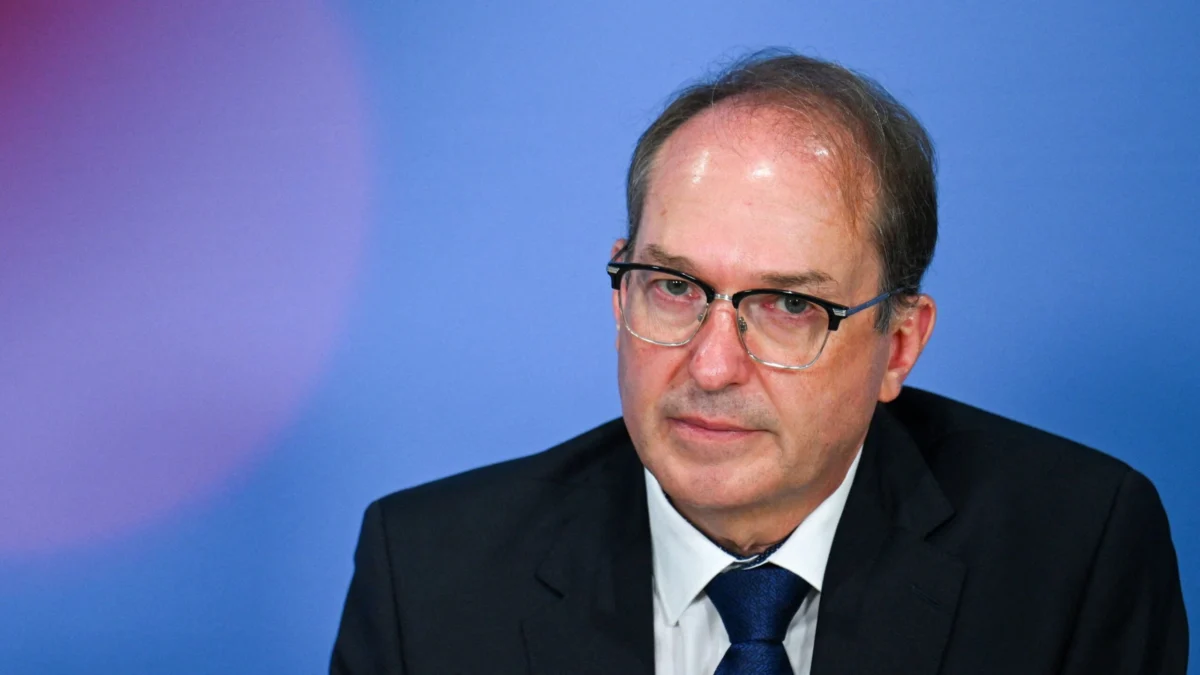
Speaking at a press conference in Berlin, Alexander Dobrindt, a prominent figure within the Bavarian Christian Social Union (CSU) and currently holding the portfolio of Federal Minister of the Interior in Chancellor Merz’s government, deflected questions regarding his potential candidacy for the leadership of the Union parliamentary group. The position became vacant after Jens Spahn stepped down amidst controversy.
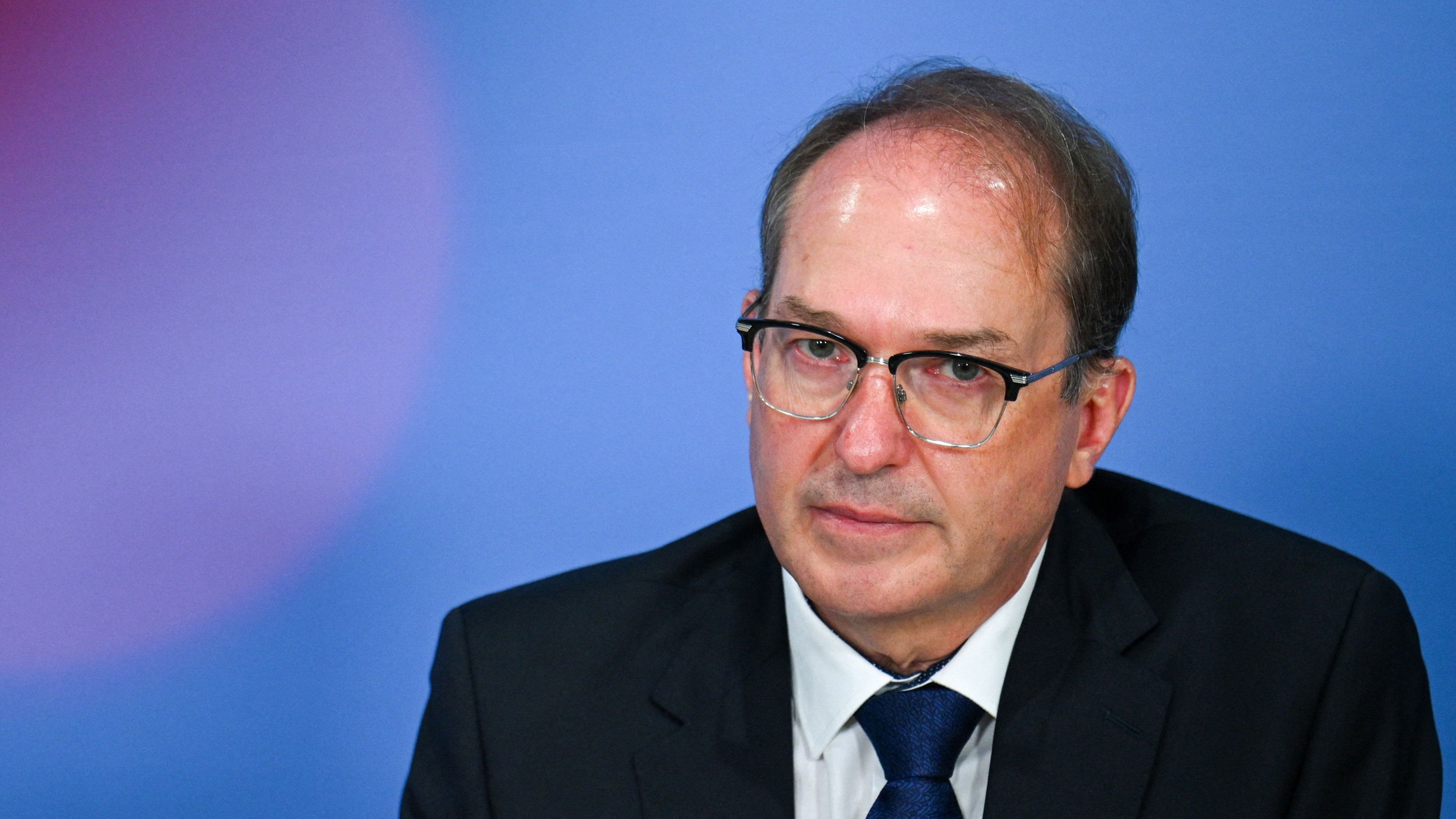
"The party leaders are in discussions regarding how the succession of Jens Spahn should be managed," Dobrindt stated, referencing Chancellor Merz’s recent remarks in a ZDF "Sommerinterview" on Sunday. "I have nothing to add to that." When pressed directly on whether he would be prepared to assume the parliamentary group leadership, Dobrindt offered a cautious, almost enigmatic response. "Anything I would hint at in any direction would probably only lay false trails. I do not want to do that."
This carefully calibrated evasion highlights the high-stakes political maneuvering underway. The CDU/CSU parliamentary group has confirmed it will convene on July 29th at 2 PM in Berlin for a special session to elect Spahn’s successor. Prior to this, the sister parties, CDU and CSU, are expected to agree upon a joint candidate proposal, emphasizing the need for a unified front in this pivotal decision. Dobrindt’s continued refusal to be drawn into speculation, even when challenged on whether he would support a decision made by the party leaders regardless of the outcome, further illustrates the delicate power dynamics at play. "What kind of trap are you setting for me now?" he quipped to a journalist, before reiterating that the party leaders, in conjunction with the parliamentary group, would deliberate on the future lineup. He explicitly stated his intent not to contribute to "personnel speculation," underscoring a deliberate strategy to remain above the fray.
Chronology of Events: From Personal Revelation to Political Upheaval
The chain of events leading to Jens Spahn’s resignation unfolded rapidly, triggered by a deeply personal announcement that quickly spiraled into a significant political crisis for the Union.

Last Wednesday: Jens Spahn, then the leader of the CDU/CSU parliamentary group, made a public announcement that he and his husband had become parents to a child born in the United States via a surrogate mother. While a joyous personal occasion, the revelation immediately ignited a fervent debate within his party and across the wider political spectrum.
Initial Reactions and Accusations: Critics were swift to pounce, accusing Spahn of "belated communication" regarding such a significant personal decision. More damaging were the charges of "double standards" and "hypocrisy." Spahn had, in the past, been a vocal opponent of commercial surrogacy in Germany, advocating for its prohibition. His personal choice, while legally permissible under US law, clashed directly with his previously stated political stance on the issue in his home country. This perceived contradiction fueled internal dissent and public scrutiny, questioning his moral authority and consistency.
Growing Internal Pressure: As the controversy intensified throughout the week, pressure mounted within the CDU/CSU. Many party members and conservative factions felt that Spahn’s actions undermined the Union’s traditional values and exposed the party to accusations of inconsistency. The situation became increasingly untenable for Spahn, who found himself isolated and facing calls for his resignation from within his own ranks.

Saturday’s Resignation: Facing this "growing internal party pressure" and reportedly at the "urging of Chancellor Merz," Jens Spahn announced his resignation as chairman of the Union parliamentary group. His departure created an immediate and unexpected power vacuum at a crucial time for the ruling coalition.
The Succession Timeline: In the wake of Spahn’s resignation, the interim parliamentary group chairman Alexander Hoffmann and parliamentary secretary Steffen Bilger informed members that a special session would be held on July 29th at 2 PM in Berlin to elect the new leader. This swift scheduling highlights the urgency with which the Union leadership seeks to restore stability and clarity. The expectation is that Chancellor Merz (CDU) and CSU leader Markus Söder will present a "joint personal proposal" for the new leadership, signaling a coordinated effort to ensure a smooth transition and maintain party cohesion. The entire episode, from Spahn’s announcement to his resignation and the scramble for succession, underscores the volatile interplay between personal ethics and political leadership in modern German politics.
Supporting Data and Key Players: A Web of Ambition and Strategy
The race to succeed Jens Spahn is more than a simple internal election; it’s a complex political chess game involving several high-profile figures, each with their own strategic considerations and potential impacts on the Union’s future direction.

The Significance of the Parliamentary Group Leadership:
The leader of the CDU/CSU parliamentary group holds immense power and influence. This individual is not only the public face of the Union in the Bundestag but also plays a crucial role in shaping legislative strategy, coordinating opposition (if in opposition, but in this hypothetical scenario, the Union is in government), and maintaining discipline among MPs. They are a key interlocutor with the Chancellor and other party leaders, making the position central to the functioning of the ruling bloc. The person in this role sets the tone, manages internal debates, and represents the combined will of CDU and CSU lawmakers. A strong, unifying leader is vital for stability, especially when navigating a governing coalition.
Chancellor Friedrich Merz’s Strategic Hand:
Chancellor Friedrich Merz is undoubtedly the chief architect of the succession process. His "urging" reportedly played a decisive role in Spahn’s resignation, indicating his firm control over party affairs. Merz’s comments in the ZDF "Sommerinterview," where he "did not rule out" the possibility of the personnel decision being linked to a cabinet reshuffle, are particularly significant. This suggests he views Spahn’s departure as an opportunity to potentially realign his government, consolidate power, or bring in fresh talent. A cabinet reshuffle could allow Merz to:
- Reward Allies: Appoint loyalists to key ministerial positions.
- Balance Factions: Ensure representation from different wings of the CDU and CSU, promoting unity.
- Strengthen Government: Bring in individuals perceived as stronger performers or better communicators.
- Inject New Impetus: Demonstrate dynamism and responsiveness to public sentiment.
Merz’s ultimate choice for parliamentary group leader will be a strong indicator of his strategic priorities for the remainder of his term.
Alexander Dobrindt: The Experienced Frontrunner (as per source’s premise):
As Federal Minister of the Interior, Alexander Dobrindt (CSU) is already a senior figure within the government. His experience in high office, coupled with his long tenure in the Bundestag, makes him a formidable candidate. Dobrindt is known for his sharp political instincts and his ability to articulate conservative positions forcefully.

- Strengths: Extensive experience in government and parliament, strong ties to the CSU (a crucial partner for the CDU), reputation as a decisive and articulate politician. His current ministerial role gives him a platform and demonstrates his capacity for executive leadership.
- Challenges: Potentially seen as too close to the existing power structures, which might not appeal to those seeking a fresh start. His strong CSU identity could also raise questions about balancing CDU and CSU interests within the broader Union. His reluctance to comment could be a sign of respect for the ongoing high-level discussions, or a strategic move to appear as a consensus candidate rather than an overt aspirant.
Other Potential Candidates:
While Dobrindt’s name is prominently discussed, others are also being "traded" (gehandelt) as possible successors:
- Thorsten Frei (CDU): As the Head of the Chancellery (Kanzleramtschef), Frei is a close confidant of Chancellor Merz. His proximity to the center of power and his role in coordinating government policy make him a strong internal candidate.
- Strengths: Direct link to the Chancellor, deep understanding of government operations, likely to be a loyal executor of Merz’s agenda.
- Challenges: May lack the broader public profile or independent power base of a figure like Dobrindt.
- Nina Warken (CDU): Identified in the original article as "Bundesgesundheitsministerin" (Federal Minister of Health).
- Strengths: A cabinet position gives her visibility and experience. As a female candidate, she could bring a different dynamic and potentially appeal to a broader base within the party, particularly if the Union seeks to present a more diverse leadership.
- Challenges: Might be newer to the national political stage compared to veterans like Dobrindt. Her policy focus on health might not immediately translate to the broad legislative and political leadership required for the parliamentary group.
The CDU/CSU Dynamic:
The relationship between the CDU and its Bavarian sister party, the CSU, is always a delicate balance. The parliamentary group leader typically comes from the larger CDU, but the CSU expects its influence to be duly recognized. A joint proposal from Merz and Söder is essential for maintaining unity. The choice of a CSU figure like Dobrindt could strengthen ties, but it must be palatable to the CDU’s diverse factions. Conversely, a CDU candidate must secure the full backing of the CSU. This intricate balancing act makes the decision "politically sensitive," as the original text notes, because it must "take into account the interests of the parliamentary group as well as the relationship between CDU and CSU."
The consultations held by the CDU Presidium and parliamentary group board on Monday reportedly focused on Spahn’s resignation and the timeline for succession, with no specific personnel being discussed. This suggests that the party leaders are meticulously preparing a unified proposal before bringing it to the wider parliamentary group for a vote.

Official Responses: United Front, Undisclosed Plans
The official responses from within the government and party leadership have consistently pointed towards a coordinated, top-down approach to filling the vacant parliamentary group leadership.
Government spokesman Stefan Kornelius reiterated on Monday that Chancellor Merz (CDU) and CSU leader Markus Söder would "submit a proposal for the new parliamentary group leadership." This statement reinforces the expectation that the decision will emerge from the highest echelons of the Union, rather than from an open field of candidates vying for the position. Kornelius also confirmed that the "timetables of the parties and the parliamentary group are coordinated," suggesting a carefully managed process designed to present a unified front.
Regarding the possibility of a cabinet reshuffle, Kornelius maintained a degree of ambiguity, stating that he would "leave open" whether the personnel decision would be linked to broader changes in the government’s composition. This echoes Chancellor Merz’s own remarks in the Sunday "Sommerinterview," where he had "not ruled out such a possibility." The repeated hints about a potential cabinet reshuffle serve as a strategic tool for Merz, allowing him flexibility and leverage in the ongoing discussions. It implies that the parliamentary group leadership is not an isolated decision but part of a larger strategic puzzle for the Chancellor to optimize his government and consolidate his position.

Dobrindt’s own official responses, characterized by his deliberate refusal to engage in "personnel speculation," align with this narrative of centralized decision-making. By consistently deferring to the "party leaders" and avoiding any personal pronouncements, Dobrindt portrays himself as a loyal party member willing to abide by the collective wisdom of the leadership. His comment about not wanting to "lay false trails" suggests an awareness of the delicate political environment and a desire not to disrupt the internal consensus-building process. Even when faced with a "trap" question about his hypothetical acceptance of a leadership decision, he skillfully pivoted back to the idea of collaborative deliberation between the party leaders and the parliamentary group, emphasizing unity over individual ambition. This collective front aims to project an image of stability and control, vital for a ruling party navigating internal turbulence.
Implications: Reshaping the Union’s Future
The resolution of the parliamentary group leadership question carries significant implications for the Union’s internal stability, its governing capacity, and its long-term political trajectory under Chancellor Merz.
Internal Cohesion and Stability:
The primary implication is for the internal cohesion of the CDU/CSU. Spahn’s resignation, spurred by a controversy that touched upon ethical and value-based issues, exposed fault lines within the party. A smooth and unifying succession is paramount to heal these divisions and prevent further factionalism. A contentious leadership battle could weaken the Union’s ability to govern effectively and present a united front to the public and its coalition partners. The "joint personal proposal" from Merz and Söder is a crucial mechanism to ensure that both major components of the Union – CDU and CSU – feel adequately represented and committed to the chosen leader. Failure to achieve broad consensus could lead to lingering resentment and internal dissent, hindering legislative efforts and party discipline.

Impact on Government Agenda and Legislative Work:
The parliamentary group leader is central to guiding the government’s legislative agenda through the Bundestag. A strong, experienced leader can effectively manage parliamentary debates, rally support for government bills, and counter opposition arguments. Conversely, a weak or embattled leader could struggle to maintain control, potentially delaying or derailing key policy initiatives. The new leader will need to quickly establish authority and demonstrate a clear vision for the Union’s role in government, especially given the complexities of coalition politics. The choice of leader will inevitably influence the legislative priorities and the style of parliamentary engagement adopted by the ruling bloc.
Chancellor Merz’s Authority and Future Direction:
This succession crisis is a critical test of Chancellor Merz’s leadership. His ability to navigate the process smoothly, present a consensus candidate, and potentially execute a strategic cabinet reshuffle will either solidify or undermine his authority. A successful outcome will demonstrate his capacity to manage internal party dynamics and steer the Union through challenging times. The identity of Spahn’s successor will also signal Merz’s preferred direction for the Union – whether he prioritizes experience and stability (e.g., Dobrindt), loyalty and close coordination (e.g., Frei), or a fresh, diverse perspective (e.g., Warken). This choice will impact the public perception of Merz’s government and the Union’s political brand.
The Role of the CSU:
The CSU, as the smaller but influential sister party, will closely watch the outcome. If Dobrindt, a CSU heavyweight, were to assume the leadership, it would significantly boost the CSU’s influence within the parliamentary group and the government. This could strengthen the Merz-Söder axis and ensure a more robust representation of Bavarian interests. However, it also requires a delicate balance to avoid alienating CDU members who might feel their party’s dominance is being diluted.

Public Perception and Electoral Outlook:
Ultimately, how the Union handles this leadership change will affect its public image and, consequently, its future electoral prospects. A messy or prolonged succession battle could project an image of internal disarray, eroding public trust. A swift, decisive, and unifying outcome, however, could demonstrate resilience and strong leadership, potentially bolstering public confidence. The choice of leader, their public persona, and their ability to articulate the Union’s vision will play a significant role in shaping how voters perceive the party heading into future elections. The political sensitivity of Spahn’s resignation means the Union must demonstrate not only political acumen but also a renewed sense of ethical clarity and consistency to regain any lost ground. The upcoming vote on July 29th is, therefore, far more than a procedural formality; it is a critical juncture that will help define the character and direction of Germany’s ruling Union for the foreseeable future.