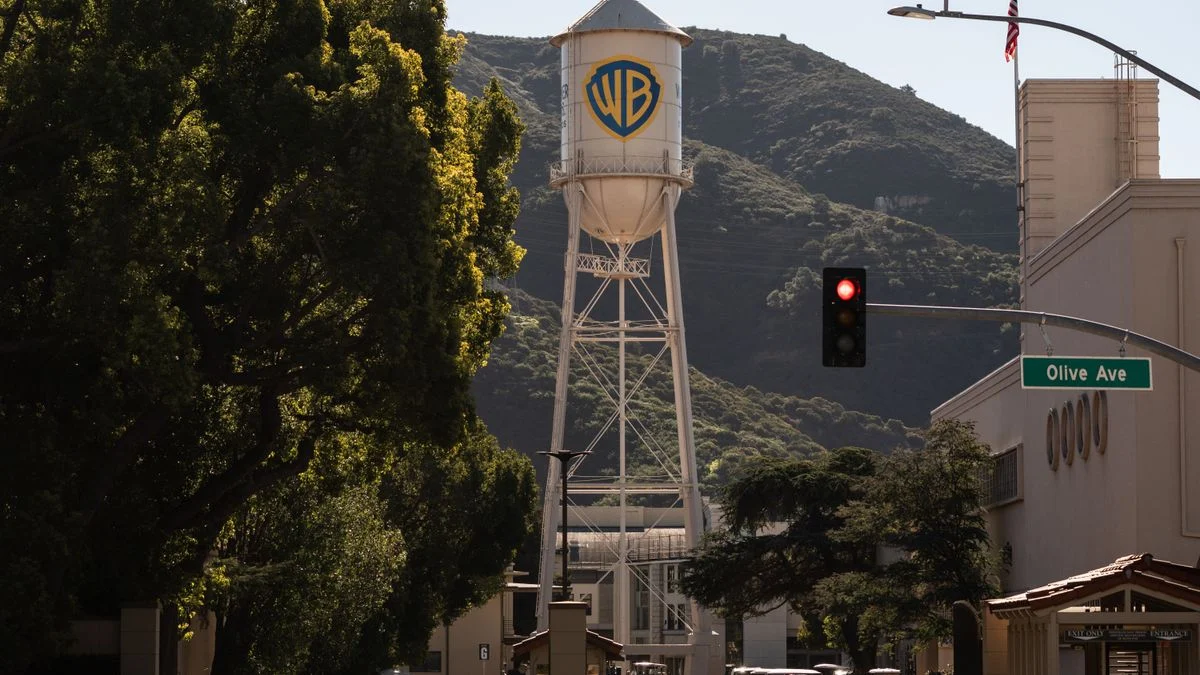
The landscape of global media and entertainment is currently facing a massive period of uncertainty as a landmark $111 billion merger between Paramount and Warner Bros. Discovery (WBD) has been brought to a screeching halt. A US federal judge has issued a temporary restraining order, effectively freezing the acquisition for two weeks. This legal intervention marks a significant blow to what would have been one of the largest corporate consolidations in media history, sparking intense debate over market power, regulatory oversight, and the future of journalistic independence.
The Legal Roadblock: Competition Concerns at the Forefront
The sudden pause in the merger follows a high-profile lawsuit filed by a coalition of twelve US states. The plaintiffs argue that the consolidation of two of Hollywood’s most storied "Big Five" studios—Paramount and Warner Bros.—would create an insurmountable barrier to entry and a dangerous concentration of power.
At the core of the state attorneys’ arguments is the fear of a monopolistic stranglehold on the cinema industry. With the combined entity controlling a vast library of intellectual property, blockbuster franchises, and theatrical distribution networks, critics contend that the merger would inevitably distort competition. Independent studios and smaller theater chains, already struggling in a post-pandemic landscape, would find it nearly impossible to secure screen time or compete with the sheer scale of the new media giant.
The federal judge presiding over the case acknowledged the gravity of these concerns. In her preliminary ruling, she noted that the plaintiffs had provided credible evidence suggesting that the merged company would command an excessive share of the film market. Consequently, she deemed it necessary to freeze the deal for at least 14 days, during which the court will deliberate on whether to issue a permanent injunction that could block the merger indefinitely.
A Controversial Approval: The Regulatory Conflict
Perhaps the most perplexing element of this saga is the stark divide between state-level legal action and federal regulatory behavior. The US Department of Justice (DOJ) had previously granted the merger an unconditional approval, concluding that the deal would not significantly harm consumers or stifle competition across the streaming, television, or film sectors.
However, the validity of this federal approval has come under fire. According to reports from the Wall Street Journal, there is internal turmoil regarding how that clearance was obtained. Sources suggest that the political leadership within the Department of Justice fast-tracked the approval before career antitrust experts had the opportunity to complete their comprehensive analysis and issue a formal recommendation.
This revelation has fueled accusations of political interference, suggesting that the "green light" from the DOJ was not a result of rigorous market analysis but rather a move influenced by external political pressures. As state officials continue their push against the merger, the discrepancy between the federal government’s initial stance and the evidence presented in court is becoming a central point of contention.
Chronology of the Acquisition
To understand how a deal of this magnitude reached this critical juncture, one must look at the rapid sequence of events that unfolded over the past year.
- Initial Bidding War: In early 2023, the media landscape was abuzz with rumors of a Warner Bros. Discovery spin-off. Netflix initially entered into advanced discussions with WBD regarding the acquisition of key studio and streaming assets.
- The Paramount Pivot: As the industry anticipated a Netflix-WBD partnership, Paramount stunned the market by intervening with a superior, all-encompassing bid. By offering to acquire the entire Warner Bros. Discovery conglomerate, Paramount effectively neutralized the Netflix bid.
- The Valuation Surge: The final offer, pegged at approximately $111 billion, was structured to consolidate the massive television and film portfolios of both entities, including legacy assets like CNN and HBO, into a singular behemoth.
- Regulatory Scrutiny: Following the announcement, the deal underwent standard antitrust reviews. While the federal government moved quickly to approve the deal, state-level regulators began building a case focused on the long-term impact on competition and consumer choice.
- The Judicial Halt: With the lawsuit filed by twelve states, the merger was paused by a federal judge, setting the stage for a prolonged legal battle that will define the future of media ownership in the United States.
The Shadow of Politics: The Larry Ellison Connection
The merger is further complicated by the ownership structure of Paramount. The company is under the influence of the family of software billionaire Larry Ellison, a prominent and vocal supporter of President Donald Trump.
This political alignment has raised alarm bells among media watchdogs and civil liberties advocates. The core of the concern lies in the ownership of CNN, which is part of the package being acquired from Warner Bros. Discovery. CNN has long been a frequent target of criticism from Donald Trump, who has frequently labeled the network "fake news" and suggested that a change in ownership would be a positive development for the country.
Critics argue that placing a major news organization like CNN under the umbrella of a company controlled by a staunch Trump ally creates an inherent conflict of interest. There are deep-seated fears that the editorial independence of the network could be compromised to align with the political preferences of its new ownership. History provides several examples of media companies being acquired by wealthy individuals, often resulting in a shift in editorial tone or a softening of investigative reporting on the new owners’ political associates.
The Broader Implications for the Media Industry
If the merger is allowed to proceed after the court’s review, it would signal a new era of consolidation, where only a handful of "super-entities" control the entirety of the cultural narrative. If it is blocked, it would represent a landmark victory for antitrust enforcement, setting a precedent that even the most massive corporate entities must respect the competitive health of the market.
Impact on Consumers
For the average viewer, the implications are profound. A consolidated market typically leads to less diversity in content and potentially higher costs for streaming services. With fewer competitors, the incentive to innovate—both in terms of technology and storytelling—diminishes.
Impact on Journalism
The debate surrounding CNN’s future is not merely an isolated concern about one network; it is a broader conversation about the role of the press in a healthy democracy. When media outlets are owned by individuals with clear political agendas, the boundary between news and propaganda becomes increasingly porous.
Impact on the Creative Workforce
Hollywood’s creative community has also expressed apprehension. A monolithic studio system would consolidate bargaining power, potentially depressing wages for writers, directors, and actors who are already dealing with the precarious nature of the streaming economy.
Conclusion: A Turning Point for Corporate Governance
As the two-week pause continues, the eyes of the financial world remain fixed on the courtroom. The outcome of this case will likely influence future mergers and acquisitions in the tech and media sectors for years to come. Whether the judge decides to uphold the deal or demands significant divestitures, the Paramount-Warner Bros. Discovery saga serves as a cautionary tale about the dangers of unchecked corporate growth.
The tension between economic ambition and the public interest has rarely been so clearly defined. As stakeholders wait for the court’s decision, one thing is certain: the era of "too big to fail" media conglomerates is being challenged, and the outcome will redefine the architecture of the information and entertainment industries.