The 2026 FIFA World Cup, hosted across North America, will be remembered not just for the tactical masterclasses or the tactical evolution of the 48-team format. History will look back at this tournament as a cultural watershed—a month where the lines between geopolitics, viral internet culture, and athletic endeavor blurred into an unprecedented spectacle.
From the rise of the underdog to political firestorms in the corridors of power, this was a tournament of narratives. Below, we examine the "Unconventional XI"—a collection of players and personalities whose influence on the 2026 World Cup extended far beyond the grass.
The Goalkeeper: Vozinha (Cape Verde)
The Viral Sensation
The narrative of Cape Verde’s World Cup was supposed to be short-lived. Critics argued that the expansion to 48 teams would lead to lopsided scores and the humiliation of smaller nations. Then came the opening match against Spain, which ended in a stunning 0-0 draw.
At the center of this defensive miracle was Josimar José Evora Dias, known globally as Vozinha. In just 90 minutes of regulation time plus stoppage, Vozinha became a global phenomenon. His Instagram following exploded from 50,000 to over 23 million. The saga of his mother’s frantic, ultimately successful journey to the stadium to watch him play became the heart of the tournament’s human-interest coverage. With rumors of interest from Inter Miami, Vozinha proved that in the modern game, the "underdog" is merely a label waiting to be dismantled.
The Defensive Line: Grit, Geography, and Global Fame
Andy Robertson (Scotland)
The Scottish presence in 2026 was less about the trophy and more about the cultural footprint. After the "Bravehearts" qualified, the Bank of Scotland issued a special-edition £20 note featuring the playoff drama against Denmark. The government even declared a national holiday following their opening win against Haiti. The decision by the town of East Renfrewshire to temporarily rename itself "East Robboshire" in honor of captain Andy Robertson remains one of the most endearing anecdotes of the summer.
Sidny Lopes Cabral (Cape Verde)
The journey of Sidny Lopes Cabral is the personification of the modern journeyman. From his humble beginnings in the German Oberliga with Rot-Weiß Erfurt to his pivotal role in Cape Verde’s historic knockout stage run, his trajectory is cinematic. His 103rd-minute equalizer against Argentina in the Round of 16—and his frantic, emotional sprint across the pitch to find his partner in the stands—remains arguably the most iconic visual of the 2026 tournament.
Livano Comenencia (Curacao)
Representing the smallest nation in the tournament, Curacao’s Livano Comenencia provided the ultimate "David vs. Goliath" moment. Scoring the only goal for his nation against the four-time world champion Germany, Comenencia experienced 17 minutes of global fame before the German side eventually asserted their dominance. His post-match admission—"I was shaking all over, then I started to cry"—captured the raw, unfiltered emotion that justifies the World Cup’s inclusive expansion.
The Midfield Engine: Politics and Viral Sounds
Jeremy Doku (Belgium)
The story of Jeremy Doku transcended the pitch when he requested permission to leave the Belgian camp to attend the birth of his child in London. While the move was applauded by his partner, Shirin, it triggered a regressive tirade from a prominent French television journalist, who labeled the birth a "useless moment" for a father. The subsequent backlash, which saw the journalist removed from her position and Doku hailed as a modern role model for work-life balance, highlighted the shifting social expectations placed on elite athletes.
Miguel Almirón (Paraguay)
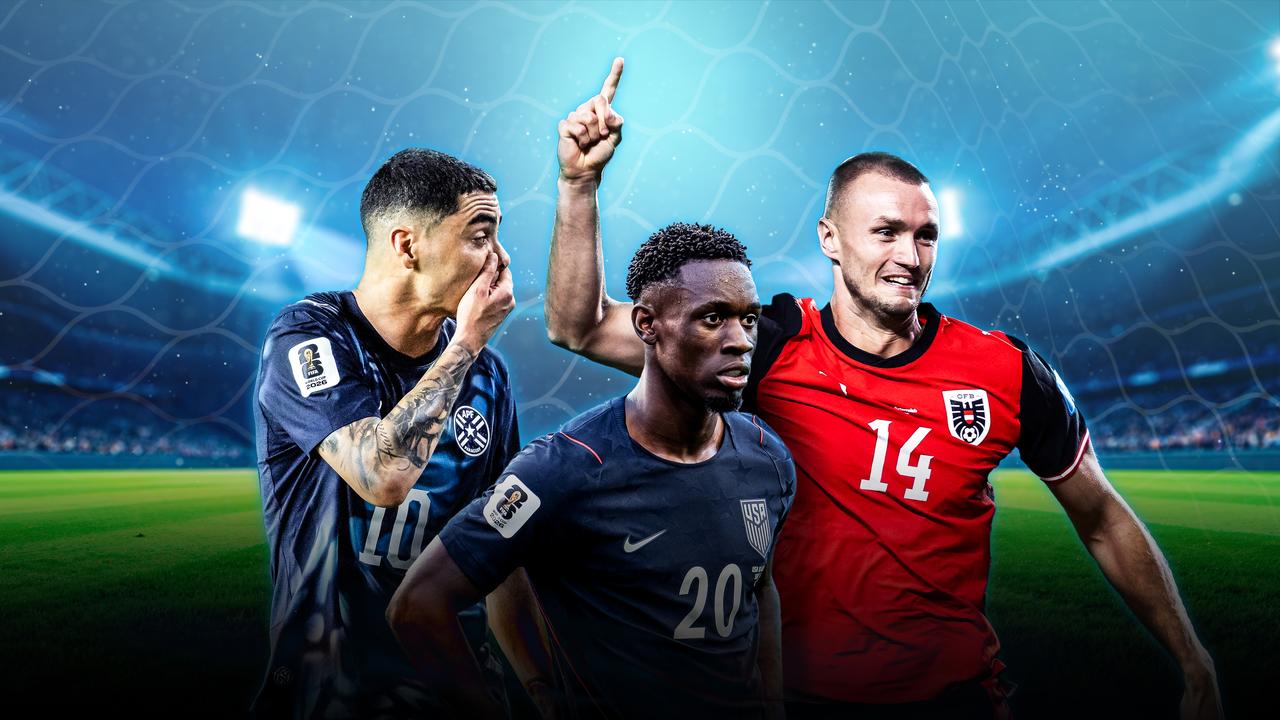
Paraguay’s Miguel Almirón found himself at the center of a bizarre rule change regarding "mouth covering" during on-field arguments. When referee Ivan Barton penalized Almirón, his delivery of the sentence—"After review, number ten, Paraguay, cover his mouth. Decision is red card!"—became a viral audio sensation. The clip was sampled for countless techno and funk remixes, turning a disciplinary incident into a global meme that even crossed over into political satire in the German press.
Gilberto Mora (Mexico)
The 2026 tournament saw the rise of the "Viking Row," a viral celebration adopted by Norwegian fans and eventually the entire tournament base. The sight of Mexican teenage prodigy Gilberto Mora joining the Norwegian fans in their celebration after his own team’s elimination was a defining moment of camaraderie, proving that the World Cup’s appeal remains fundamentally rooted in shared joy.
Felix Nmecha (Germany)
Germany’s Felix Nmecha brought the intersection of religion and sport into the spotlight. Known for his public displays of faith—including pre-match prayers and goal celebrations featuring symbolic crowns—Nmecha’s presence was polarizing. While he spoke of "love and gratitude," his associations with the "Ballers in God" network and past controversial statements regarding LGBTQ+ issues made him a lightning rod for debate. His journey at the tournament mirrored Germany’s own—filled with anticipation but ultimately ending in an unceremonious exit.
The Attack: Drama and Diplomacy
Sasa Kalajdzic (Austria)
The "Miracle of Kansas City" is now firmly etched in Austrian folklore. Trailing 3-2 against Algeria in the final minutes of their group-decider, Austria seemed destined for elimination. Enter Sasa Kalajdzic. The striker, who has battled back from three career-threatening ACL injuries, found the back of the net in the dying seconds to secure a spot in the Round of 16. His goal didn’t just save Austria; it immortalized the commentary of Dani Warmuth, who replaced the classic "I werd narrisch" with the incredulous, "Bist du deppert?"
Folarin Balogun (USA)
The most significant political scandal of the tournament involved the United States and the highest echelons of government. Following a red card issued to Folarin Balogun, Donald Trump intervened by calling FIFA President Gianni Infantino to contest the decision. The subsequent temporary suspension of the ban caused an international outcry, with EU parliamentarians calling for an investigation into Infantino. The irony was palpable: after all the political maneuvering, the USA was eliminated by Belgium in the very next round, with Balogun struggling to make an impact.
Kylian Mbappé (France)
Kylian Mbappé continued his dual role as a lethal striker and a vocal political activist. His public stance against the Rassemblement National and his sharp rebuke of a Paraguayan senator who directed racist comments toward him showed a player willing to use his platform for social change. With the backing of President Emmanuel Macron, Mbappé’s influence solidified his status as the most politically significant athlete of the generation.
Chronology of Key Events
- June 15: Curacao scores against Germany, marking a historic moment for the tournament’s smallest nation.
- June 22: Jeremy Doku leaves the Belgian camp for the birth of his child, sparking a global debate on fatherhood and professional duty.
- July 6: Donald Trump holds a press conference regarding the Folarin Balogun red card, creating the tournament’s largest diplomatic rift.
- July 12: The "Miracle of Kansas City" takes place as Sasa Kalajdzic saves Austria in stoppage time.
- July 20: The conclusion of the tournament marks the end of the "Vozinha Era," with the goalkeeper confirmed as a global household name.
Implications for the Future of Football
The 2026 World Cup was a reminder that football is no longer just a sport; it is the world’s largest platform for social, political, and cultural discourse. The "Unconventional XI" highlights a shift: fans now demand more from their heroes than just goals. They demand personality, political awareness, and a sense of humanity.
FIFA’s decision to expand the tournament proved to be a double-edged sword. While it allowed nations like Cape Verde and Curacao to steal the headlines, it also created logistical and disciplinary nightmares that tested the integrity of the governing body. As we look toward future tournaments, the legacy of 2026 will be the balance between the spectacle of the game and the chaotic, beautiful, and often controversial reality of the world surrounding it.