As temperatures soar across Europe, medical facilities find themselves on the front lines of a public health crisis. Following a lethal heatwave that claimed over 4,000 lives in Germany alone, the Robert-Bosch-Krankenhaus in Stuttgart is spearheading a radical transformation of hospital infrastructure to survive an overheating future.
The Anatomy of a Crisis: A Weekend of Desperation
The emergency department at the Robert-Bosch-Krankenhaus is designed for high-stakes trauma, but the final weekend of June presented a challenge that even the most seasoned medical professionals were unprepared for. According to Oberarzt (Senior Physician) Markus Günther, the facility operated at the absolute breaking point as a relentless heatwave pushed ambient temperatures to record-shattering levels.
“We were continuously occupied from Friday through to Monday morning,” Günther explains. “The influx of patients suffering from heat-associated illnesses was unrelenting.”
The clinical reality was harrowing. Patients arrived with core body temperatures exceeding 40°C (104°F). At these levels, the body’s internal cooling mechanisms fail, and cellular integrity begins to collapse. When human body temperatures cross the 42°C threshold, the proteins required for life begin to denature, leading rapidly to multi-organ failure. In the race against time, the medical staff resorted to desperate, non-conventional measures.
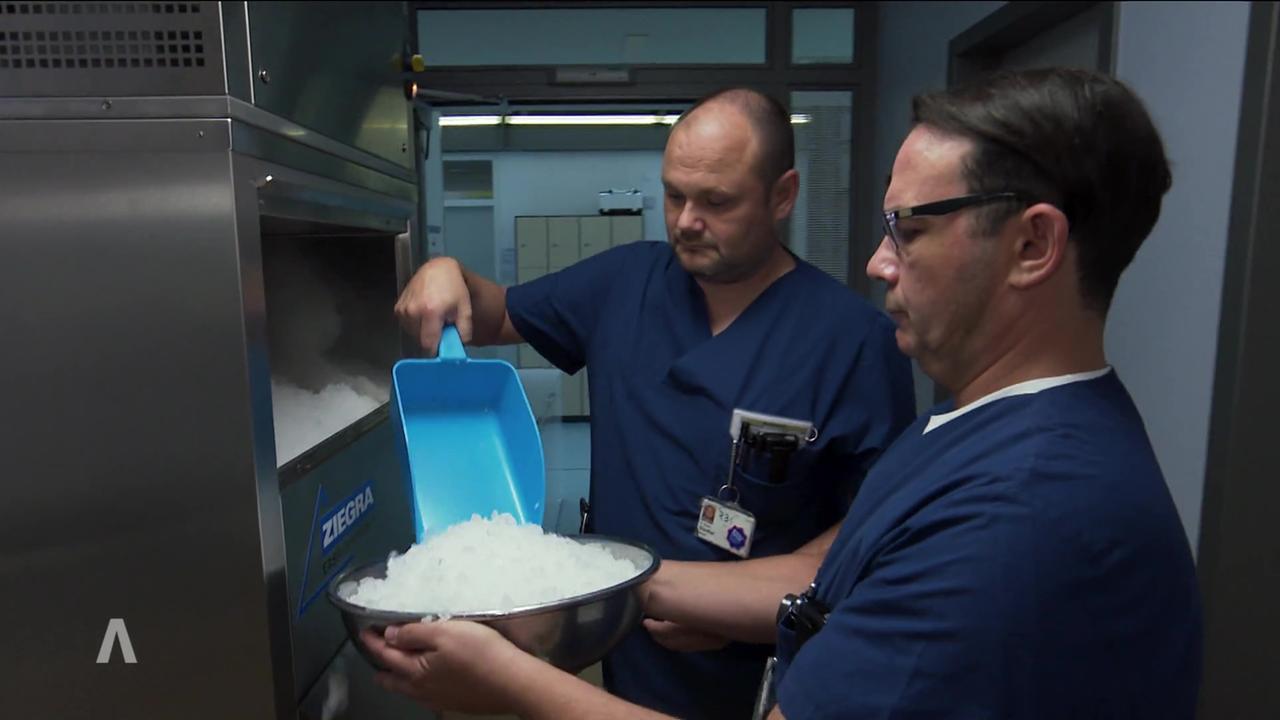
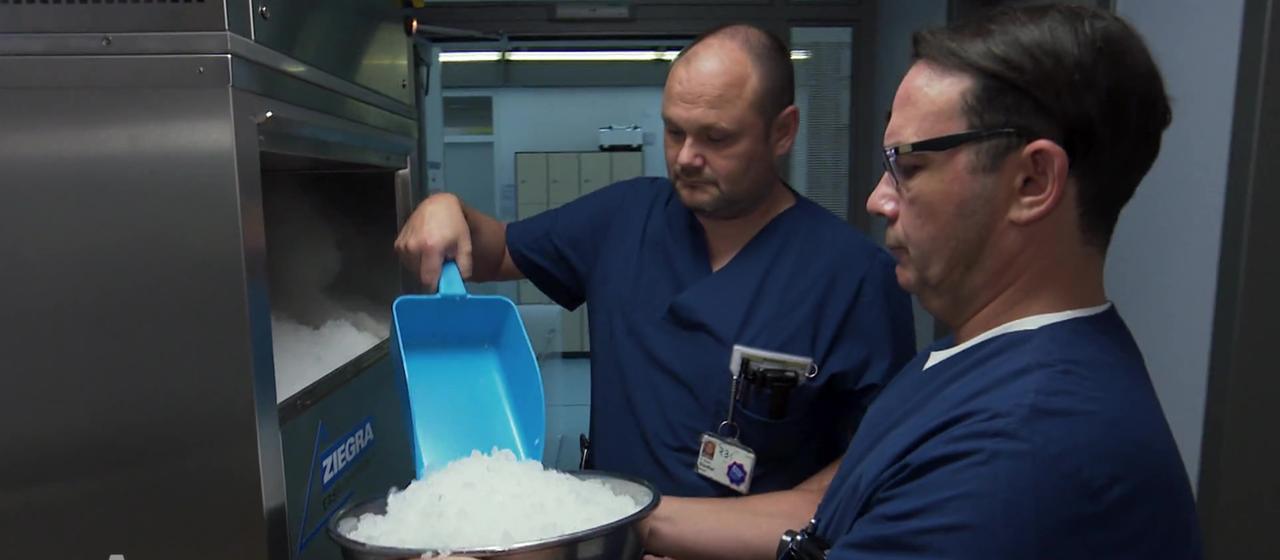
In the absence of specialized cooling equipment on general wards, doctors filled cadaver bags with ice and water, placing the overheated patients inside to force their core temperatures down. When the hospital’s primary ice reserves were depleted, the team was forced to raid the clinical research department’s supplies. Once those, too, were exhausted, they turned to rudimentary but essential methods: soaking towels, draping them over patients, and using industrial-strength fans to induce evaporative cooling.
Chronology of the 2026 June Heatwave
- Late June: A persistent high-pressure system settles over Central Europe, leading to prolonged extreme temperatures.
- Friday: The Robert-Bosch-Krankenhaus emergency room reports a sudden surge in admissions related to heat exhaustion and heatstroke.
- Saturday: The situation escalates. Clinical staff report a shortage of cooling supplies, leading to the repurposing of research ice and makeshift evaporative cooling protocols.
- Sunday: The heat reaches its zenith. Despite best efforts, the facility reports 160 heat-related cases, including one fatality.
- Monday: As the heat begins to break, the hospital administration initiates an emergency review of its infrastructure.
- July 11, 2026: Official reports confirm over 4,000 heat-related deaths across Germany, prompting a national debate on climate-resilient healthcare infrastructure.
Supporting Data: The Rising Toll of Heat
The Robert Koch Institute (RKI) has sounded the alarm, estimating that the June heatwave resulted in more than 4,000 excess deaths. These figures represent more than just statistics; they highlight the acute vulnerability of the German healthcare system.
Medical experts note that heat-related deaths are often "silent" killers. They exacerbate underlying conditions such as cardiovascular disease, respiratory failure, and chronic kidney issues. As the planet warms, the frequency and intensity of these "heat events" are projected to increase, placing an unsustainable burden on hospitals that were designed for a climate that no longer exists.
The Infrastructure Gap: Why Modern Hospitals are Unprepared
A critical issue identified at the Robert-Bosch-Krankenhaus—and reflected in hospitals nationwide—is the disparity in cooling infrastructure. While high-acuity areas like operating rooms, intensive care units (ICUs), dialysis centers, and laboratories are climate-controlled, general wards often lack central air conditioning.
This creates a dangerous environment for vulnerable patients. “Today, even the most budget-conscious hotels are equipped with air conditioning,” says Mark Dominik Alscher, the hospital’s managing director. “It is an indictment of our current planning that hospitals—places where life and death are decided—lack basic climate control.”
The structural deficit is not merely about comfort; it is about patient mortality. Without the ability to maintain a cool environment, recovery times for heat-stressed patients increase, and the risk of complications during heatwaves rises exponentially.
Official Responses and Strategic Pivots
In the immediate aftermath of the June crisis, the Robert-Bosch-Krankenhaus moved to implement a comprehensive "Heat Protection Plan."
Immediate Tactical Changes
- Procurement: The hospital has acquired 20 mobile, high-capacity cooling units to be deployed on demand to general wards.
- Emergency Mapping: Management has created a detailed "Cool Zone" map, identifying specific, climate-controlled areas of the hospital where patients can be relocated if their primary ward becomes dangerously hot.
- Workforce Flexibility: Recognizing the toll on staff, the hospital is formalizing a policy to allow administrative and non-essential personnel to work remotely during extreme heat alerts, reducing the physical strain and energy consumption within the building.
- Enhanced Logistics: The emergency department has been bolstered with additional industrial-grade ice machines and dedicated cooling storage, ensuring that the supply chain failures of June are not repeated.
Financial Implications: The Call for a "Heat-Stopp" Program
The cost of retrofitting aging hospitals with modern climate control is immense, leading to a clash over funding. Managing Director Mark Dominik Alscher has publicly called for a portion of the federal government’s 50-billion-euro "Transformation Fund"—originally earmarked for broader structural changes to the hospital landscape—to be redirected toward immediate climate-resilient upgrades.
“We must prioritize the most urgent threats,” Alscher argues. “If the hospital structure cannot withstand the heat, the clinical outcomes will remain suboptimal.”
This sentiment is echoed by the German Patient Protection Foundation (Deutsche Stiftung Patientenschutz). They have gone further, proposing a dedicated "Heat-Stopp Investment Program" of 30 billion euros, specifically targeting the installation of cooling systems and external shading in clinics and nursing homes by 2027. They argue that the current state of these facilities is a violation of basic care standards in a warming world.
The Future: A Paradigm Shift in Emergency Medicine
Beyond the building infrastructure, the medical community is reconsidering how heatstroke is managed. Christoph Wasser, head of acute and emergency medicine at the clinic, suggests that the "treatment" must begin before the patient arrives at the hospital door.
"In other countries, we see better integration of pre-hospital cooling," says Wasser. "Patients stand a much higher chance of survival if we can lower their core temperature while they are in transit."
Wasser advocates for the adoption of field-ready cooling technologies—such as portable immersion tubs or rapid-cooling blankets—that could be utilized at large public events or by emergency medical services (EMS). "It doesn’t have to be high-tech," he notes. "A simple inflatable pool or a standardized cooling protocol for paramedics could be the difference between a full recovery and permanent neurological damage."
Conclusion: Adapting to the New Reality
The events at the Robert-Bosch-Krankenhaus serve as a microcosm for the challenges facing the global healthcare sector. As the climate shifts, the definition of "essential medical infrastructure" must evolve. It is no longer enough to have the latest surgical robotics or diagnostic imaging; hospitals must first be able to maintain a habitable temperature.
The path forward requires a twofold approach: a massive, state-sponsored investment in physical cooling infrastructure and a cultural shift in emergency medicine that treats extreme heat with the same urgency as a cardiac arrest or a major trauma. As the summer progresses, the lessons learned in the sweltering halls of this Stuttgart hospital are becoming the blueprint for a more resilient, life-saving future.
The heat is rising, but with the right planning, the mortality toll of the next heatwave can be significantly reduced. The era of the "unprepared hospital" must come to an end.