The German Football Association (DFB) finds itself at a historic crossroads. Following a disastrous performance at the 2026 FIFA World Cup, where the national team crashed out in the Round of 32 against Paraguay, the federation has embarked on a radical restructuring of its sporting leadership. At the heart of this turmoil is the departure of Julian Nagelsmann and the aggressive pursuit of Jürgen Klopp, a move that the DFB hopes will steer the ship back toward international relevance.
The State of the DFB: A Program in Freefall
The elimination against Paraguay—a match defined by a lack of tactical fluidity and an alarming absence of the "fighting spirit" traditionally associated with German football—served as the final blow to the Nagelsmann era. Despite high expectations, the DFB team struggled throughout the tournament, failing to impose their will on opponents and ultimately succumbing to a team that, on paper, should have been well within Germany’s reach.
The fallout was immediate. Fans and pundits alike, including former international icons like Bastian Schweinsteiger, criticized the team’s lack of identity. With the "Sommermärchen" (Summer Fairytale) of 2006 now two decades in the rearview mirror, the current DFB leadership, spearheaded by President Bernd Neuendorf and Vice President Hans-Joachim Watzke, has been forced to confront the reality that German football has drifted far from the global elite.
Chronology of the Crisis: From New York to Frankfurt
The administrative earthquake was not spontaneous; it was the result of a week-long escalation of tensions within the DFB hierarchy.
- July 3, 2026: Julian Nagelsmann formally resigns as national team manager following intense internal questioning by the DFB board. The federation simultaneously signals its intent to pursue Jürgen Klopp.
- July 4-5, 2026: Reports surface of a DFB delegation traveling to New York to meet with Klopp, who is currently serving as an expert for MagentaTV during the World Cup.
- July 7, 2026: DFB Sporting Director Rudi Völler confirms that a "total package" is being negotiated and that he remains committed to the project, pending the successful recruitment of Klopp.
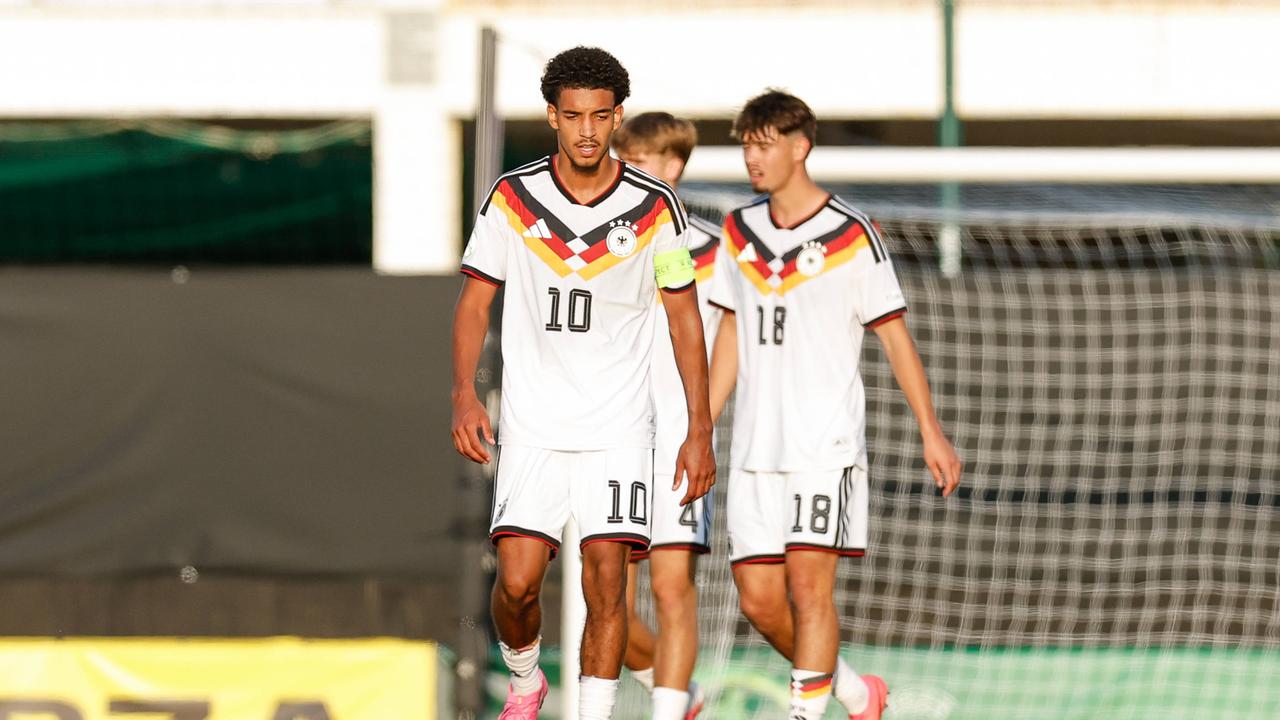
- July 10-11, 2026: The negotiation process intensifies. The DFB acknowledges that the deal hinges on discussions with Red Bull, where Klopp is currently under contract as "Head of Global Soccer." Meanwhile, the U19 team provides a rare glimmer of hope, reaching the European Championship final, though they eventually fall 0-2 to Spain.
- July 12, 2026: The DFB officially closes the "German House of Soccer" in New York, symbolizing the end of a disappointing tournament campaign and the transition into a new, uncertain chapter.
The Klopp Conundrum: The "Super-Candidate" and Red Bull
The pursuit of Jürgen Klopp is the DFB’s "Masterplan A." Klopp, a revered figure in German football, is viewed as the only individual capable of galvanizing the nation. However, the path to his appointment is obstructed by his current contractual obligations to the Red Bull corporation.
Klopp has expressed his willingness to step into the role, admitting that the "timing is better than it has ever been," despite his contractual ties until 2029. The DFB is currently engaged in complex negotiations with Red Bull’s Oliver Mintzlaff. The goal is to facilitate an amicable release, potentially allowing Klopp to retain an ambassadorial role for Red Bull while serving as the German national manager.
Critics, however, have raised concerns. Former DFB President Theo Zwanziger warned that a Bundestrainer cannot "wear two hats." He argued that the influence of the Red Bull brand on the national team’s primary decision-maker would be a "total no-go." Bastian Schweinsteiger also noted that Klopp’s presence as a TV pundit during the tournament—often looming as a "shadow coach"—was perhaps not the ideal way to transition into the role.
Supporting Data: Youth Development and Structural Reform
While the senior team is in crisis, the youth sector offers a nuanced picture. The U19 national team’s success in Wales serves as proof that talent in Germany is not dead. Players like Otto Stange and Francis Onyeka have demonstrated that the next generation is capable of competing at the highest levels of European football.
However, veterans like Thomas Müller have publicly demanded deeper, more structural reforms. "After five disappointing tournaments in a row, a concept with new, profound ideas is needed," Müller wrote in a recent LinkedIn post. The demand for a modern, coherent playing philosophy, coupled with an overhaul of the academy systems, has become the rallying cry for those advocating for a long-term fix rather than a quick managerial patch.
Official Responses and Internal Tensions
The atmosphere within the DFB is one of professional desperation. Rudi Völler, who initially defended Nagelsmann against what he deemed "unjust" media criticism, has shifted his focus to the future. His survival as Sporting Director seems inextricably linked to the success of the Klopp deal.
Furthermore, the DFB is dealing with internal instability at the executive level. Andreas Rettig, the DFB’s Sport-Geschäftsführer, has announced his departure for the end of the year, leaving a power vacuum that complicates the long-term planning for the federation. Meanwhile, figures like Oke Göttlich, President of FC St. Pauli and DFB Vice President, have lashed out at the perceived politicization of the sport—specifically regarding the "Balogun case" and alleged political interference in FIFA decisions—further eroding the federation’s public standing.
The Implications: A New Era or More of the Same?
The implications of appointing Jürgen Klopp are vast. If successful, the DFB secures the most charismatic and tactically astute coach in the modern era. Klopp’s ability to "collect relationships" and build emotional bonds with his players could be the missing ingredient for a squad that has appeared fragmented and directionless.
Yet, the risks are equally profound. If the negotiations fail, or if Klopp is unable to navigate the delicate balance between his professional ties and the demands of the national team, the DFB will be left with no "Plan B." The federation has effectively staked its entire reputation on this single pursuit.
Furthermore, the German national team is facing a demographic shift. The retirement of aging stars and the transition to a younger core—led by players like Florian Wirtz, Jamal Musiala, and the emerging Aleksandar Pavlovic—requires a manager who can bridge the gap between veteran experience and youthful potential.
Conclusion
The German Football Association is currently enduring its most difficult period in decades. The World Cup exit was not merely a defeat; it was a systemic warning. The, as yet, unfulfilled desire to bring Jürgen Klopp home is a testament to the DFB’s realization that they need a total reset.
As the federation navigates these turbulent waters, the eyes of the football world are fixed on Frankfurt and New York. The outcome of the Klopp negotiations will determine not just the next four years of the national team, but the very soul of German football. Whether the DFB can regain its place on the "parquet of the great football stages," as Thomas Müller phrased it, depends on whether they can move beyond the current crisis and rebuild on the foundation of genuine structural reform rather than relying solely on the promise of a single savior.
The summer of 2026 will be remembered as the moment German football finally stopped hiding from its problems and started the painful, necessary work of reconstruction. Whether that reconstruction leads to a new golden age or a continued descent into mediocrity remains to be seen. For now, the DFB waits—and the nation waits with it.