For PC enthusiasts and professionals, the thrill of an upgrade is often tempered by the reality of diminishing returns. In 2026, the landscape of PC building has shifted dramatically. With the rise of AI-driven demand disrupting supply chains and new architectural standards becoming the norm, the "if it ain’t broke, don’t fix it" mantra has never been more relevant. However, identifying true performance bottlenecks remains the key to maintaining a high-functioning machine without wasting capital.
This guide explores the current hardware ecosystem, providing a roadmap for strategic upgrades that prioritize longevity, efficiency, and raw performance.
Main Facts: The Current Hardware Landscape
The primary challenge for PC builders in 2026 is market volatility. The global push toward AI-heavy computing has created a massive ripple effect in the semiconductor industry, particularly concerning memory and storage components.
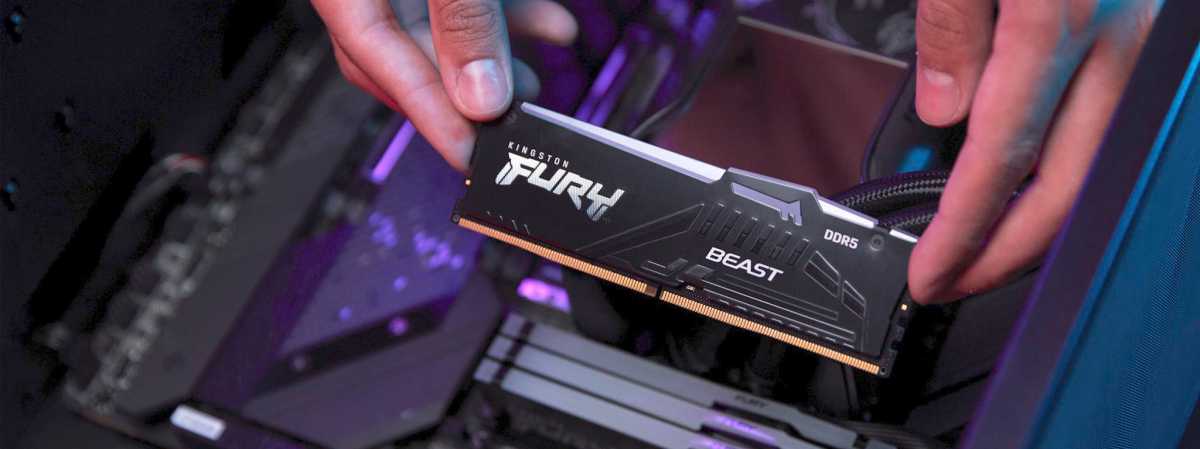
- The RAM Crisis: DDR5 memory prices have surged, with kits that were affordable in 2025 now commanding a significant premium. This is largely due to enterprise-level demand for high-density, high-speed RAM in AI data centers.
- Storage Evolution: PCIe 5.0 SSDs are becoming the new standard for performance, offering read speeds that were once considered science fiction.
- GPU Dynamics: The release of the NVIDIA RTX 50-series and the refinement of AI-upscaling technologies (DLSS 4 and FSR 4) have redefined the "minimum requirements" for high-end gaming.
- The Infrastructure Necessity: Upgrading a CPU or GPU in 2026 is rarely an isolated event. Often, the "chain reaction" of upgrading a motherboard, power supply, and cooling solution must be calculated as a single investment.
Chronology of Market Shifts
To understand why your hardware costs have spiked, one must look at the timeline of the last 18 months:

- Late 2025: The global semiconductor market began feeling the acute pressure of the AI boom. Demand for high-bandwidth memory (HBM) and standard DDR5 shifted production priorities away from consumer-grade components.
- Early 2026: Prices for DDR5-6000 kits began to climb, marking a departure from the steady decline seen throughout 2024.
- Computex 2026 (June): Industry leaders confirmed that the current supply strain on memory and advanced logic chips would likely persist, with analysts suggesting price stabilization might not occur until 2027 or 2028.
- Mid-2026: Manufacturers began emphasizing ATX 3.1 standards and 12V-2×6 power connectors to accommodate the massive power draws and transients of the latest generation of graphics cards.
The Strategic Upgrade Path: Component by Component
1. NVMe SSDs: The Immediate Performance Booster
For most users, the transition from a SATA SSD or HDD to an NVMe drive remains the single most impactful upgrade. Even in 2026, the responsiveness of the OS and the speed of application launching are tethered to storage throughput.
PCIe 4.0 vs. 5.0:
While PCIe 4.0 drives like the Crucial P310 or Samsung 990 PRO remain excellent workhorses for gaming and general professional use, the shift to PCIe 5.0 is now a viable consideration for power users. With speeds hitting 14,500 MB/s, these drives are becoming essential for creators handling 4K or 8K raw footage. For the average gamer, the practical difference is still minimal, but for those building a system for the next five years, the price convergence makes PCIe 5.0 the future-proof choice.
2. RAM: The "Wait and See" Approach
The memory market is currently a "danger zone" for casual upgrades. If your system is performing well, do not upgrade your RAM simply for the sake of it.
- Diagnostic Check: Before spending money, use the Task Manager (Ctrl+Alt+Delete) to monitor memory usage under load. If your usage is consistently below 80%, an upgrade will provide zero tangible benefit.
- The Cost Factor: With 32GB kits now costing up to 450 Euros, the return on investment for gaming is non-existent. Unless your professional workflow—such as heavy rendering or virtual machine management—is being actively bottlenecked by memory capacity, prioritize your budget elsewhere.
3. GPUs: The Gaming Sweet Spot
Graphics cards remain the primary engine of a gaming PC. However, the move to higher resolutions and more complex ray-tracing demands has changed the hardware requirements.
- VRAM Matters: Do not settle for less than 12GB of VRAM in 2026. While 8GB was the standard for years, modern AAA titles are pushing memory limits, leading to stuttering and texture pop-in. 16GB is the current "sweet spot" for longevity.
- Upscaling as Standard: Technologies like DLSS 4 and FSR 4 are no longer just "nice to have"; they are essential tools for maintaining fluid framerates in demanding, modern engines.
4. The CPU-GPU Balance
A common mistake is pairing a state-of-the-art GPU with an aging CPU. This creates a "bottleneck" where the GPU spends cycles waiting for data from the processor.
- The Rule of Thumb: If your CPU usage is pinned at 100% while your GPU usage is fluctuating or low, you have a CPU bottleneck. However, remember that a new CPU often necessitates a new motherboard and new RAM. Before pulling the trigger, verify if a GPU upgrade alone might satisfy your performance needs.
Supporting Data: Efficiency and Longevity
Data provided by industry monitors like TrendForce indicates that the current supply constraints are not merely transient market fluctuations but structural shifts. The move toward more complex architectures means that the efficiency of your supporting components—specifically cooling and power delivery—has become as important as the silicon itself.
Cooling and Power:
- Thermal Management: Investing in a high-quality AiO (All-in-One) liquid cooler or a premium air tower allows your CPU to maintain boost clocks for longer durations. This "hidden" performance is often overlooked.
- The ATX 3.1 Standard: If you are upgrading to a high-end RTX 50-series card, your power supply unit (PSU) must be up to the task. ATX 3.1 units are specifically designed to handle the rapid power spikes characteristic of modern GPUs, ensuring system stability and preventing premature hardware failure.
Official Perspectives and Implications
Industry analysts at the 2026 Computex trade show expressed a cautious outlook. The consensus is that while the "PC Master Race" era is not ending, the barrier to entry for high-performance builds has been raised by economic factors.
Implications for the Consumer:
- Prioritize Utility: Do not upgrade components that are currently performing within 90% of your needs.
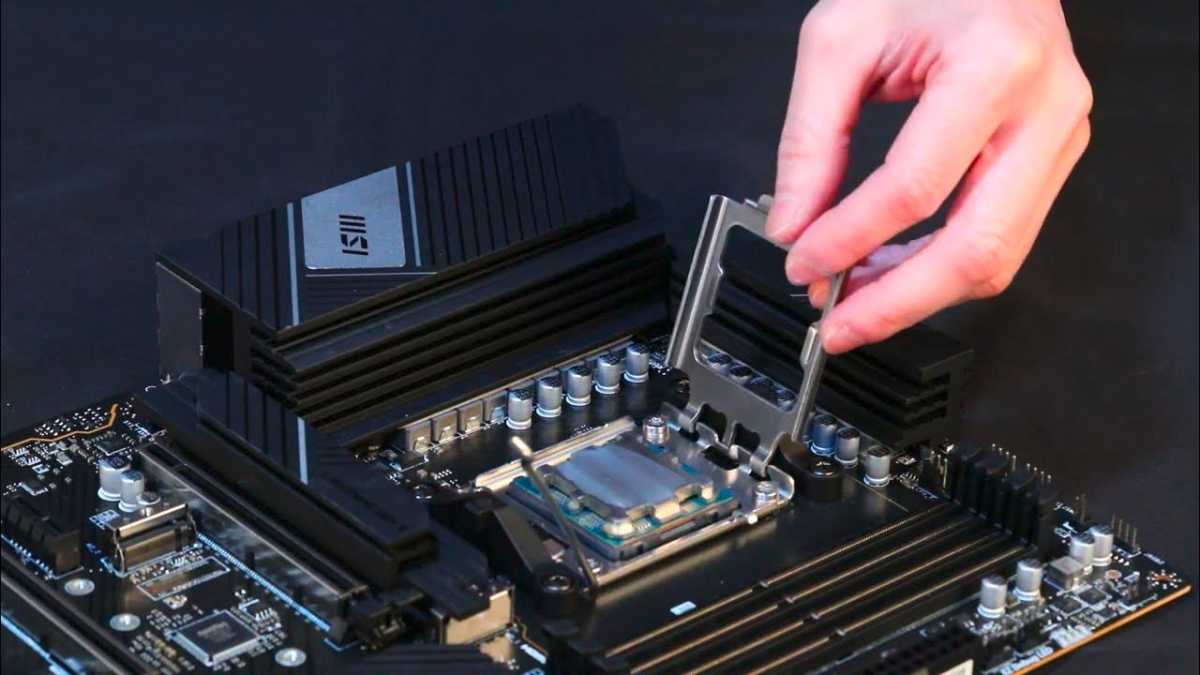
- Platform Longevity: If you are currently on an older platform (like AMD’s AM4), evaluate whether a full-platform migration is better than squeezing the last bit of life out of your current hardware. Switching to a new socket type in 2026 is a major investment that should last you at least 4–5 years.
- The Cooling Factor: As components become more powerful, they generate more heat. A "quiet and cool" build is not just about comfort; it is about extending the lifespan of your expensive components.
Conclusion: How to Proceed
In 2026, the best PC upgrade is a thoughtful one. If your goal is better gaming performance, look at your GPU and ensure your PSU is ready for the task. If your machine feels sluggish during multitasking, verify your RAM usage before buying. If you are a creator, a PCIe 5.0 SSD is a sound investment that will pay dividends for years.
The hardware market is currently demanding that we move away from impulsive upgrading. By carefully monitoring your system’s performance and focusing on components that offer the highest "performance-per-euro" ratio, you can maintain a top-tier PC experience even in a challenging, high-cost market. Always verify your current bottlenecks, respect the current constraints of the RAM and CPU markets, and ensure your foundation—your power supply and cooling—is robust enough to support your ambitions.