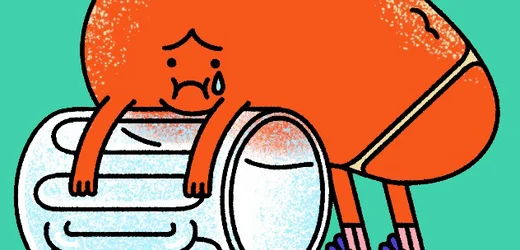
As record-breaking heatwaves become an increasingly frequent hallmark of summer, the challenge of maintaining personal health, productivity, and safety during extreme temperature events has transitioned from a seasonal inconvenience to a critical public health priority. With global temperatures consistently reaching new peaks, the physiological and structural strain of extreme heat requires a sophisticated approach to cooling and mitigation.
Main Facts: The Physiology of Heat Stress
When environmental temperatures exceed the human body’s ability to regulate its internal core temperature (approximately 37°C or 98.6°F), the body enters a state of thermal stress. The primary mechanism for heat dissipation—sweating—becomes increasingly ineffective as humidity levels rise, as sweat cannot evaporate efficiently into moisture-saturated air.
Prolonged exposure to heat can lead to a spectrum of conditions ranging from heat cramps and heat exhaustion to the life-threatening condition of heatstroke. Heatstroke occurs when the body’s thermoregulatory system fails, causing core temperatures to climb above 40°C (104°F), which can lead to organ failure, neurological damage, and death. Vulnerable populations, including the elderly, young children, and those with pre-existing cardiovascular or respiratory conditions, are at the highest risk, but even healthy individuals are susceptible if they overexert themselves in high-heat environments.
Chronology: The Escalation of Global Thermal Extremes
The history of extreme heat events over the last decade provides a stark narrative of our changing climate.
- 2015–2018: A period characterized by "heat domes" across Europe and North America. Scientists began identifying these events as early indicators of a new, warmer baseline.
- 2019–2021: The record-shattering heatwaves in the Pacific Northwest and the Mediterranean. These events were notable not just for their peak temperatures, but for their duration, lasting weeks rather than days.
- 2022–2023: The "Summer of Extremes," where global mean temperatures reached levels never before recorded in human history. The persistence of high nighttime temperatures—preventing the body from recovering from daytime heat—became a primary focus of medical researchers.
- 2024–Present: A transition from reactive crisis management to systemic urban planning and public health policy, as governments acknowledge that these heat events are no longer anomalies, but the new seasonal norm.
Supporting Data: The Science of Cooling
Data from climatological and medical institutions provide the evidence base for modern heat mitigation strategies. According to the World Health Organization (WHO), heat-related mortality is significantly mitigated by access to "cool islands"—shaded, ventilated, or air-conditioned spaces.
The Role of Passive Cooling
Architecture is shifting toward passive cooling techniques. These include:
- Reflective Surfaces: Using white roofs and light-colored paving to reduce the "Urban Heat Island" effect, which can keep cities up to 5°C cooler than those using traditional asphalt and dark materials.
- Strategic Ventilation: Utilizing natural cross-breezes by orienting buildings to capture prevailing winds, a technique common in traditional architecture that is seeing a resurgence in modern sustainable design.
- Hydration and Biological Regulation: Clinical studies confirm that electrolyte balance is as critical as water intake during extreme heat. Maintaining blood volume through proper hydration ensures that the cardiovascular system can continue to transport heat to the skin’s surface for cooling.
Official Responses and Policy Shifts
Governments worldwide have begun implementing "Heat Action Plans." In cities like Paris and Phoenix, authorities have introduced:
- Early Warning Systems: Utilizing AI-driven climate modeling to predict heatwaves two weeks in advance, allowing for the preemptive opening of public cooling centers.
- Urban Greening: Massive investments in "green corridors"—planting trees and creating parks that serve as natural heat sinks.
- Labor Legislation: Updated workplace safety standards that mandate breaks, mandatory water access, and the cessation of heavy outdoor labor once the "wet-bulb globe temperature" (a measure of heat stress that accounts for humidity) reaches a dangerous threshold.
Implications: The New Social Contract
The implications of sustained extreme heat reach far beyond the health sector. There is an emerging "social contract" regarding how we live, work, and move during the summer months.
The Economic Impact
Productivity losses due to heat are estimated to cost the global economy billions annually. When temperatures rise, cognitive function decreases, and physical labor becomes exponentially more dangerous. Industries are now facing the cost of "climate-proofing" their operations, which includes higher energy bills for cooling and the need for flexible working hours to avoid the hottest parts of the day.
Urban Infrastructure and Energy
The "cooling demand" is placing unprecedented pressure on power grids. As more citizens rely on air conditioning, the risk of blackouts increases. This has created a feedback loop: power plants, often reliant on water for cooling, may struggle to operate efficiently during droughts, which often accompany heatwaves. The move toward renewable, decentralized energy—such as rooftop solar paired with battery storage—is no longer just a climate goal; it is a critical component of national security and public safety.
The Inequality of Heat
Perhaps the most pressing implication is the inequity of heat vulnerability. Socioeconomic status is a primary determinant of heat survival. Those in lower-income housing, which often lacks adequate insulation or ventilation, are disproportionately affected. "Heat poverty" is becoming a recognized social issue, prompting calls for subsidized energy for cooling and the retrofitting of social housing to meet modern thermal efficiency standards.
Adapting to a Warmer Future: Practical Measures
To navigate this new reality, individuals must adopt a proactive rather than reactive stance:
- Home Optimization: During heatwaves, keep windows closed and blinds drawn during the day to prevent heat gain. Open windows only at night when the ambient temperature outside drops below the temperature inside.
- Personal Thermoregulation: Utilize "pulse cooling"—running cold water over the wrists or using damp cloths on the neck—to lower blood temperature effectively.
- Community Networks: Check on elderly neighbors or those living alone. The social isolation of the elderly is a leading factor in heat-related deaths.
- Nutritional Adjustments: Eat smaller, more frequent meals. Digestion creates metabolic heat; heavy, protein-rich meals can increase the body’s internal temperature. Focus on water-rich fruits and vegetables like watermelon, cucumbers, and citrus.
Conclusion: The Long-Term Outlook
The challenge of extreme heat is a defining issue of the 21st century. While individual adaptations—such as improved hydration, modified activity schedules, and the use of modern cooling technologies—are essential, they are only a stopgap. The long-term solution lies in a structural shift: decarbonizing the economy to stabilize global temperatures, redesigning our cities to be more resilient, and creating a robust social safety net that protects the most vulnerable from the extremes of the coming summers.
As we move forward, the "heat survival guide" will evolve. It will transition from a list of tips to a comprehensive set of societal norms, where the protection of the human body from thermal extremes is integrated into every aspect of urban design, labor law, and personal behavior. We are moving into an era where respect for the environment is not merely a philosophical stance, but a daily, practical necessity for survival.