For over two decades, the USB flash drive was the undisputed king of portable data. Whether you were a student transferring a term paper, an IT technician booting a diagnostic tool, or a photographer moving images between devices, the "thumb drive" was the essential accessory of the digital age. However, in recent years, the once-ubiquitous storage medium has found itself pushed to the periphery of modern computing. As we navigate an era defined by high-resolution media, instant cloud synchronization, and the migration toward universal connectivity standards, the classic USB stick is increasingly looking like a relic of the past.
Main Facts: The Decline of an Industry Staple
The decline of the USB flash drive is not merely a matter of nostalgia; it is a shift driven by fundamental changes in user behavior and hardware architecture. While these devices remain common, their role in the digital ecosystem has narrowed significantly.

The core issues can be summarized by three primary factors:
- Capacity Limitations: In the age of 4K and 8K video, high-resolution RAW photography, and multi-gigabyte software installations, the typical 128GB or 256GB USB stick is often insufficient.
- Performance Bottlenecks: Even high-end "speedy" flash drives struggle to match the sustained write/read performance of modern Solid State Drives (SSDs), which utilize superior NAND flash controllers and protocols.
- The Interface Crisis: The rise of USB-C and the move toward minimalist port design on ultrabooks and mobile devices have rendered the classic USB-A connector a nuisance. While "dual-drive" adapters exist, they are often compromised, budget-oriented solutions that sacrifice performance for compatibility.
A Brief Chronology: From Innovation to Legacy Status
The journey of the USB flash drive is a remarkable segment of computing history:

- 1999–2000 (The Birth): The first flash drives, branded under names like Trek Technology and IBM, hit the market with capacities as low as 8MB. At the time, they were revolutionary, replacing the fragile and sluggish floppy disk.
- 2005–2010 (The Golden Age): As USB 2.0 became standard, prices plummeted and capacities rose into the gigabyte range. They became the primary tool for sneaker-netting files and simple data backups.
- 2015–2018 (The Inflection Point): High-speed internet penetration and the maturity of Cloud services (Google Drive, Dropbox, OneDrive) began to undermine the necessity of physical storage. Simultaneously, ultra-compact SSDs began to appear at consumer-friendly price points.
- 2020–Present (The Niche Era): The hardware market pivoted toward USB-C. Apple, in particular, signaled the end of legacy ports, leaving USB-A drives as an inconvenient "dongle-dependent" technology. Today, flash drives are largely relegated to specific IT maintenance tasks rather than general data storage.
Supporting Data: Why SSDs and Cloud Services Are Winning
The market transition is best illustrated by a comparative analysis of performance and utility. When evaluating storage solutions, the disparity between a standard USB flash drive and a portable SSD is stark.
| Metric | Typical USB Flash Drive | Portable SSD |
|---|---|---|
| Max Capacity | 256GB – 512GB (Common) | 1TB – 4TB+ |
| Max Read Speed | 100–400 MB/s | 1,000–2,100 MB/s |
| Durability | Moderate | High (Often Shock-Resistant) |
| Ideal Use Case | Firmware updates, Boot disks | Backups, Video editing, Archiving |
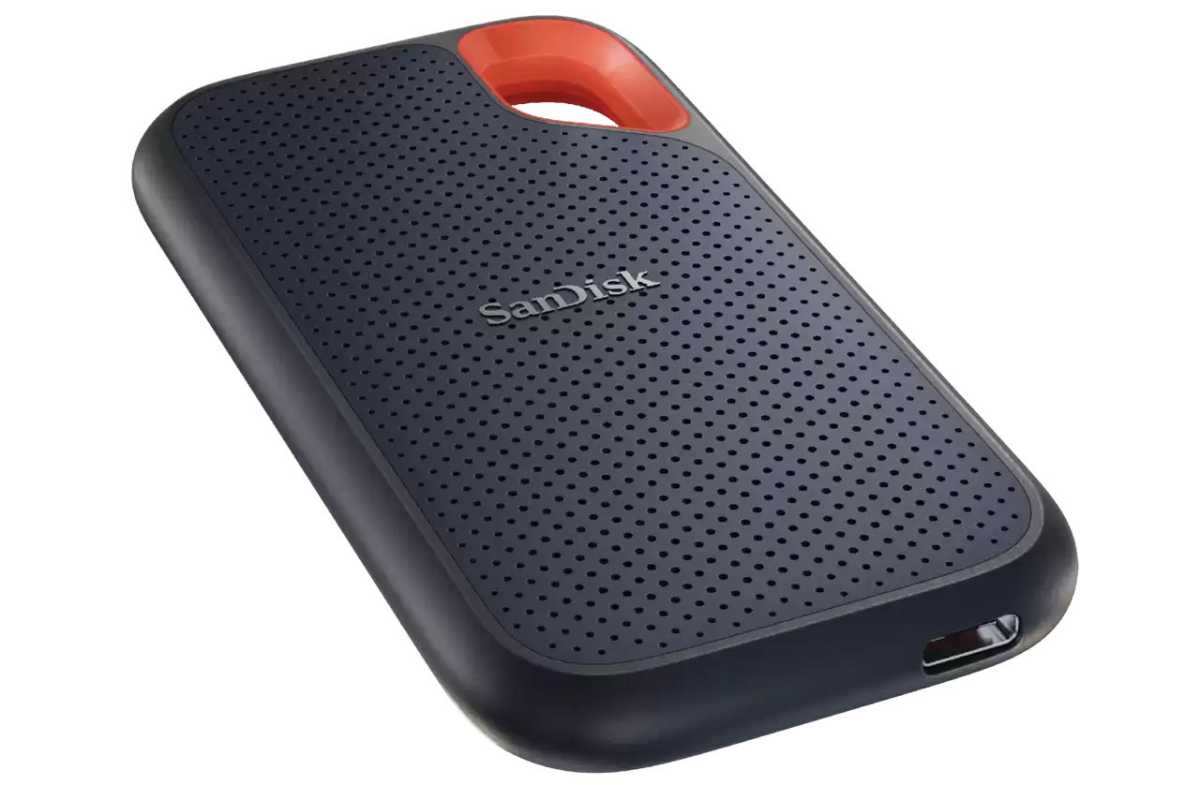
Portable SSDs, such as the Crucial X10 Pro or SanDisk Extreme Portable, offer throughput speeds that are often five to ten times faster than high-end USB sticks. For a creative professional, the time saved moving a 50GB video project is measured in minutes, not hours.
Furthermore, Cloud services have solved the "mobility" problem. Instead of carrying a physical object that can be lost, damaged, or infected with malware, users can rely on synchronized environments. The ability to collaborate in real-time on a single document—a feature inherent to modern platforms—renders the "one file, one drive" workflow of the USB stick archaic.
Official Perspectives and Industry Trends
Industry experts and tech manufacturers have largely ceased investing in the R&D of high-capacity USB flash storage, focusing instead on high-speed NVMe portable solutions.
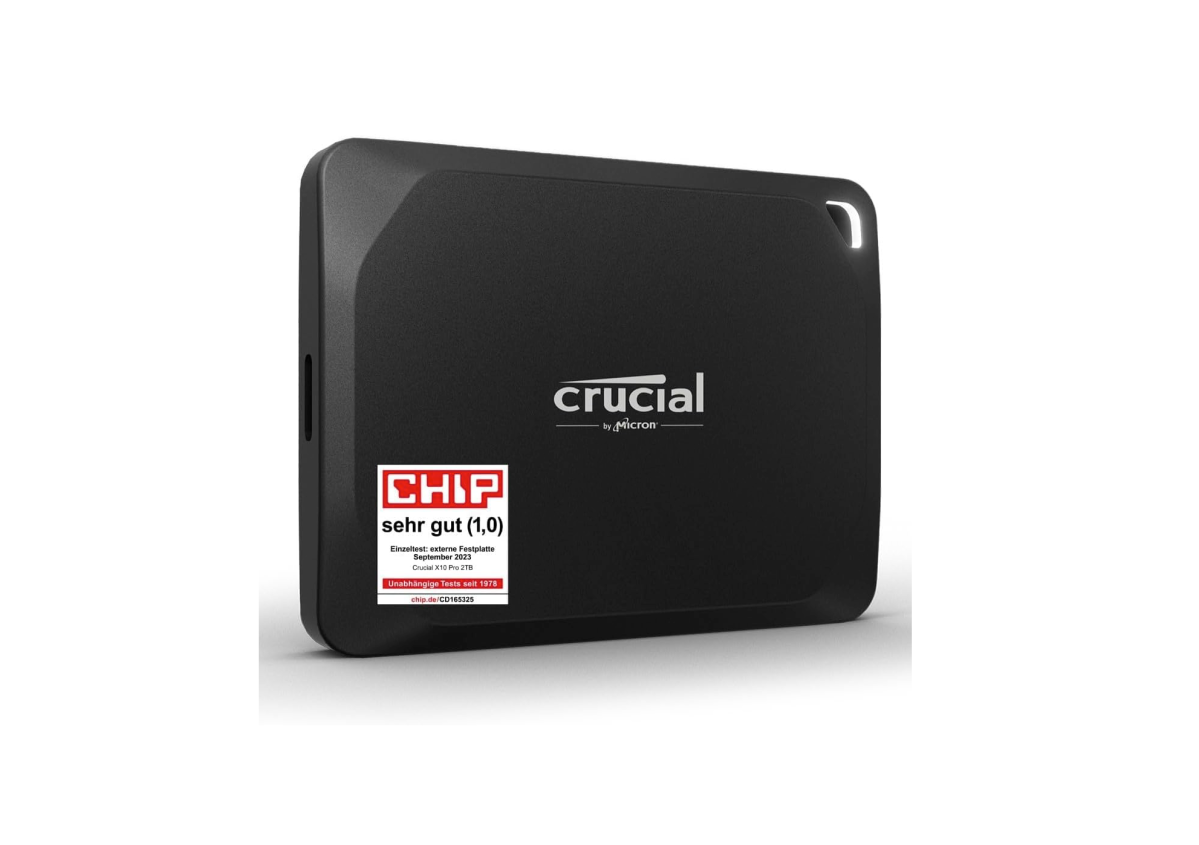
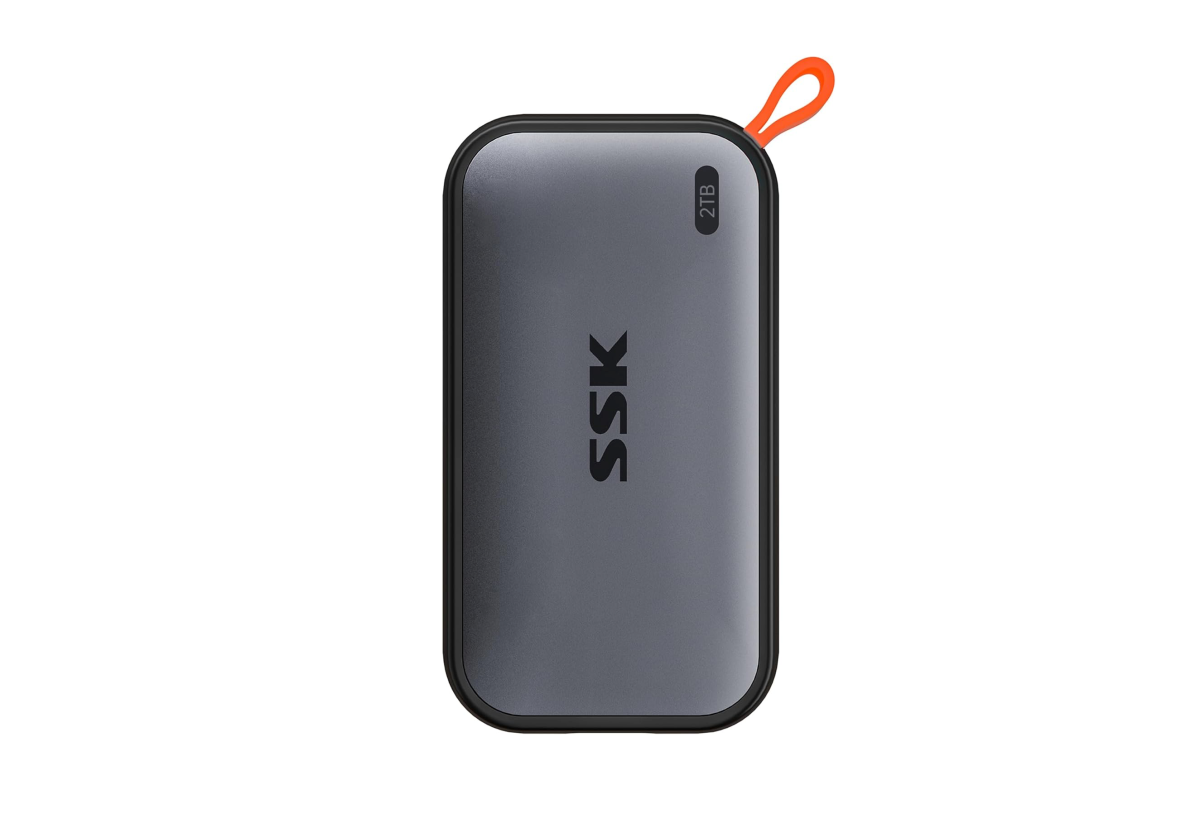
Leading manufacturers like Western Digital (SanDisk) and Samsung have shifted their marketing focus toward external SSDs for consumer and professional markets. When companies discuss "storage innovation," the conversation is now centered on TB-scale portable drives with hardware-level encryption and IP-rated weatherproofing—features rarely found in standard flash sticks.
Furthermore, hardware manufacturers (OEMs) have begun stripping legacy ports from their motherboards and chassis. As laptops become thinner and move toward a "USB-C only" philosophy, the friction involved in using a standard USB-A drive becomes a significant deterrent for the average consumer, accelerating the transition to cloud-based workflows or wireless file transfers like Apple’s AirDrop.
Implications: The Future of Data Portability
The decline of the USB flash drive carries several implications for the future of digital workflows:
1. The Rise of the "Cloud-First" User
For the younger generation, the concept of "transferring" a file via a physical object is becoming increasingly foreign. The reliance on persistent, internet-connected storage means that data is becoming detached from specific hardware. While this offers immense convenience, it also raises concerns about data sovereignty and the privacy of information stored on third-party servers.
2. The Return of the Specialist Tool
The USB stick will likely not disappear entirely, but it will undergo a transformation similar to the optical disc. It will remain a vital tool for IT administrators—specifically for creating bootable operating system installers, firmware flashing, and air-gapped data transfers in secure environments where cloud connectivity is prohibited.
3. Security Considerations
One of the hidden benefits of the move away from USB drives is a reduction in the "BadUSB" attack vector. Historically, flash drives have been a primary vehicle for malware propagation. As users transition to encrypted cloud services and secure, authenticated SSDs, the surface area for these types of physical hardware-based attacks is expected to shrink.
4. Environmental and Economic Impact
The mass production of low-cost, disposable USB sticks has historically contributed to e-waste. By shifting toward more durable, higher-capacity SSDs that can be reformatted and repurposed over many years, the industry is moving toward a more sustainable model, even if the initial price point for a high-quality SSD remains higher than that of a cheap plastic flash drive.
Conclusion: A Graceful Exit
The USB flash drive served us well. It democratized data portability and taught a generation how to manage files manually. However, as our digital lives become larger, faster, and more integrated, the limitations of the thumb drive have become too significant to ignore.
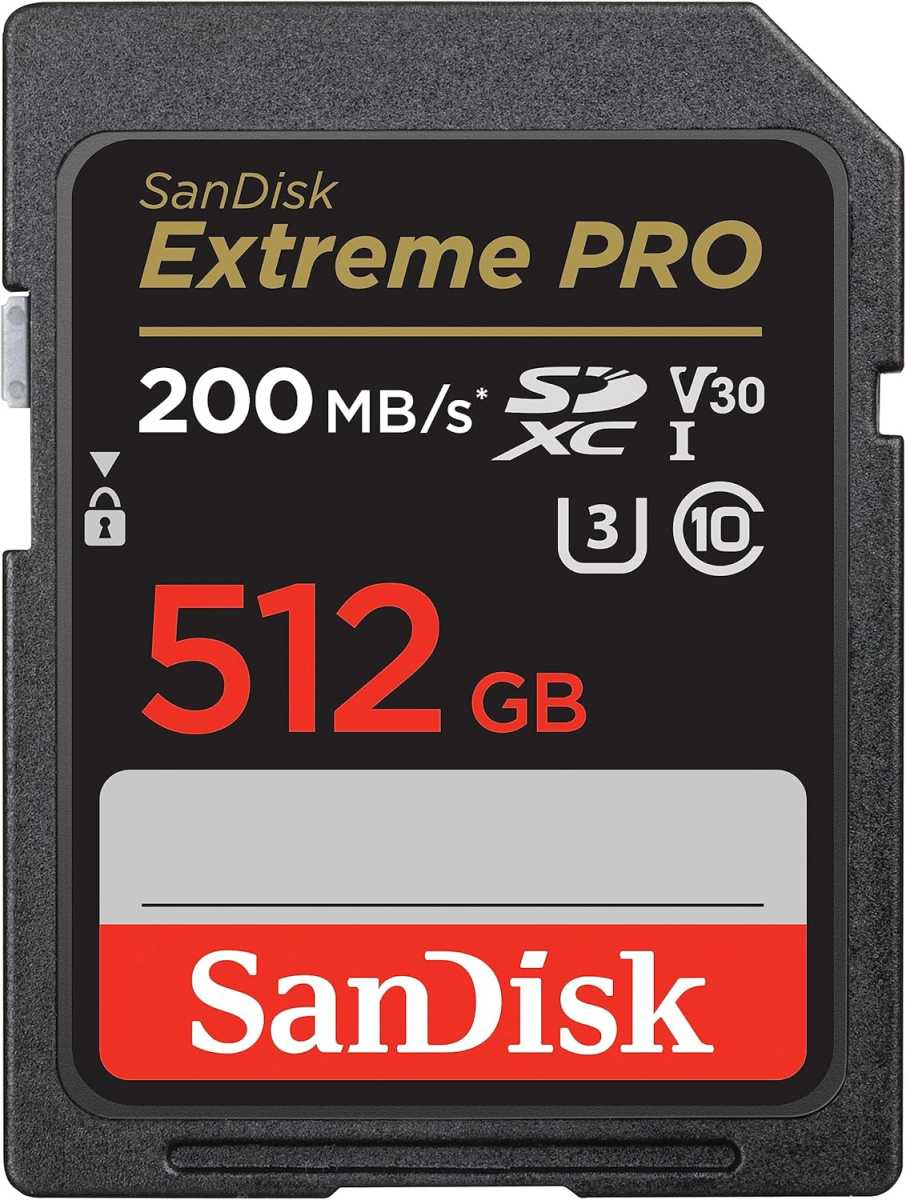
For those who still hold onto a drawer full of 16GB and 32GB sticks, it may be time to consolidate. By migrating to a single, high-speed portable SSD or a reliable cloud-sync service, users can enjoy a workflow that is not only faster and more secure but also better aligned with the capabilities of modern technology. The USB stick isn’t dead, but its days as the primary medium for the digital world are firmly in the rearview mirror.