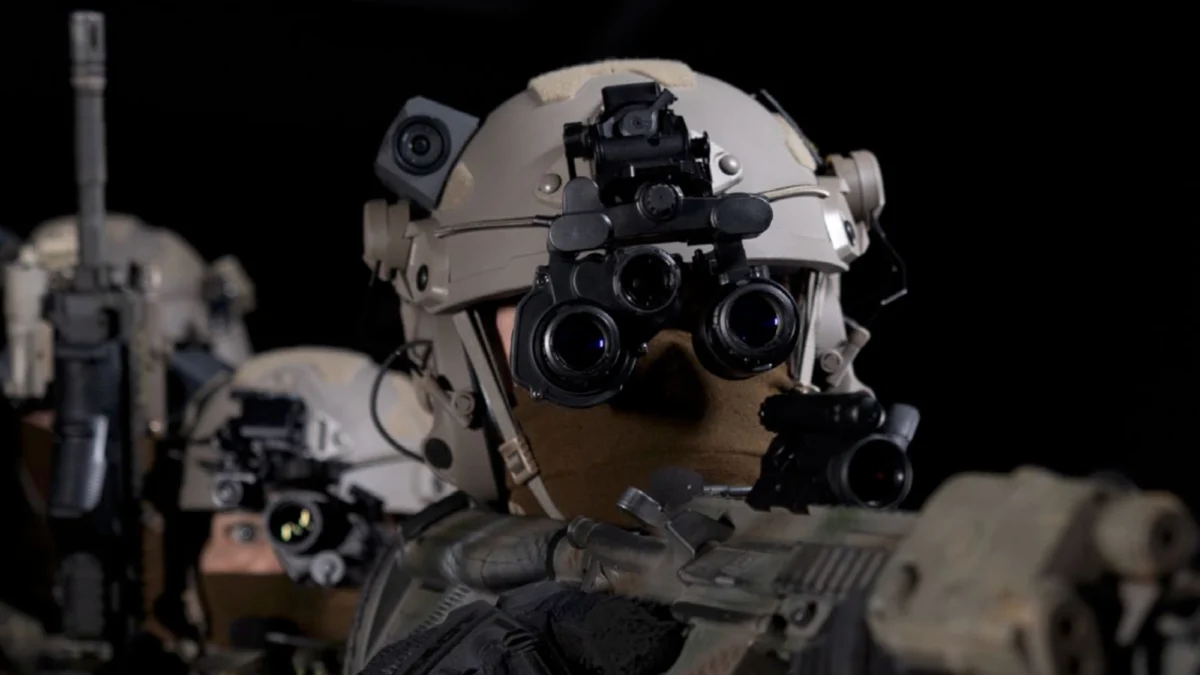
In a significant modernization move for the German Armed Forces (Bundeswehr), the Ministry of Defense is poised to replace its aging inventory of combat helmets with a high-tech successor. According to reports from the specialized defense portal Hartpunkt, the North Rhine-Westphalia-based manufacturer Hexonia has emerged as the winner of a highly competitive tender process. While an official announcement from the Bundeswehr remains pending, the selection of the "Trivium" helmet marks a pivotal shift in how the German infantry will be equipped for the digital battlefield.
Main Facts: A Leap into Modernity
The Trivium helmet is not merely a piece of protective headgear; it is an integrated protective platform. As modern warfare becomes increasingly data-driven, the requirement for a helmet that serves as a hub for communication and sensor integration has become critical.
Hexonia’s Trivium model, which has already seen limited service with German Special Forces, outperformed all competitors during the rigorous troop evaluation phase conducted in the spring of 2026. The procurement process reached its climax when the Bundeswehr requested a "Best and Final Offer" (BAFO) from the top two contenders. Following an exhaustive technical and economic analysis, the military authorities selected the Hexonia solution. The deal is currently subject to a standard mandatory objection period before the contract is finalized.
The helmet is constructed from ultra-high-molecular-weight polyethylene (UHMWPE). This advanced synthetic material represents a technological departure from traditional aramid fibers like Kevlar. UHMWPE provides superior ballistic protection while significantly reducing the overall weight burden on the soldier—a critical factor for long-term operational endurance.
Chronology of the Procurement Process
The journey toward the new helmet began as part of a wider effort to modernize the "Soldat der Zukunft" (Soldier of the Future) initiative. The timeline of this procurement highlights the Bundeswehr’s shift toward faster, more agile acquisition cycles:

- Initial Requirements Definition: The Bundeswehr sought a helmet that combined ballistic safety with modularity, capable of integrating modern tactical gear.
- Spring 2026 Trials: A series of comparative field tests were conducted, pitting several international and domestic manufacturers against one another in simulated combat scenarios.
- The BAFO Phase: Following the trials, the two highest-performing candidates were invited to submit their final financial and technical bids.
- Selection: Hexonia was identified as the preferred partner based on the performance-to-cost ratio of their Trivium platform.
- Legislative Approval: The German Bundestag had previously greenlit the funding for this massive procurement project, ensuring that the budget was secured well before the final selection was announced.
Supporting Data: Technical Specifications and Scale
The sheer scale of this procurement is unprecedented. The framework agreement allows the Bundeswehr to acquire up to 1.4 million helmets, a figure that underscores the intent to standardize protection across the entire force. The initial order consists of 700,000 units, with an option for an additional 700,000 to be exercised as needed. Reports indicate that approximately 120,000 units are slated for delivery before the end of 2026.
The Trivium Profile:
- Weight: Between 1.12 kg and 1.29 kg, depending on size.
- Ballistic Rating: Certified to stop 9mm Parabellum rounds, meeting the stringent requirements of the Bundeswehr’s "TL 84700004" technical directive.
- Modularity: Features side rails for mounting tactical accessories, a dedicated interface for night-vision goggles, and universal mounting points for communication headsets.
- Ergonomics: The internal harness system is fully configurable, allowing for individual adjustment. A unique "glove-friendly" adjustment dial at the rear of the head enables soldiers to secure or release the helmet quickly under stress.
- Safety Certification: The shock-absorbing padding and chin straps are certified according to EN 12492 and EN 397 standards, ensuring maximum trauma mitigation during high-impact scenarios.
Official Responses and Strategic Implications
While the Bundeswehr has maintained a low profile regarding the specific contract award, industry experts view this as a strategic win for the German defense sector. Hexonia, a company known for its focus on protective technology, has successfully positioned itself as a critical supplier for the nation’s military.
Integration with the Digital Battlefield
The importance of the Trivium helmet lies in its role as a "node" in the network. Modern infantry combat requires the constant flow of information—blue force tracking (friend-or-foe identification), streaming video from drones, and real-time communication between squad members. The Trivium’s rail system and standardized mounting interface allow for the seamless integration of these technologies. By standardizing this platform, the Bundeswehr aims to reduce the "weight of the soldier’s load" while maximizing their "situational awareness."
The Shift from Kevlar
The move away from Kevlar to UHMWPE reflects a broader trend in military material science. Kevlar, while effective, is often heavier and more prone to moisture absorption compared to modern polyethylenes. By adopting UHMWPE, the German military is prioritizing not only ballistic defense but also the physical well-being of the infantry, recognizing that neck strain and fatigue caused by heavy equipment are major factors in combat effectiveness.
Strategic Outlook: A New Standard for European Defense
The adoption of the Hexonia Trivium helmet is expected to have ripple effects across NATO. As member nations look to modernize their infantry equipment, the German procurement provides a benchmark for "next-gen" helmet systems.
The decision to acquire 1.4 million units suggests that the Bundeswehr is preparing for long-term sustainability and interoperability. By choosing a system that allows for continuous software and hardware updates via modular accessories, the military is moving away from "fixed" hardware that becomes obsolete within a few years.
Furthermore, the involvement of a domestic manufacturer like Hexonia helps secure the supply chain for essential military equipment. In an era of geopolitical uncertainty, having the capacity to produce high-performance protective gear within Germany provides a significant strategic advantage.
Conclusion: Investing in the Soldier
The procurement of the Trivium helmet is a tangible example of the "Zeitenwende" (turning point) in German defense policy. By prioritizing the individual soldier’s equipment, the Ministry of Defense is addressing long-standing criticisms regarding the quality and state of infantry gear.
As the objection period concludes and the first batches of the 120,000 helmets roll off the production line for the 2026 rollout, the German military will be taking a decisive step toward a more modular, lighter, and more technologically capable fighting force. For the average soldier, the upgrade represents more than just a piece of plastic and fabric; it represents a commitment to their safety and their ability to operate in an increasingly complex and dangerous global landscape.
The success of this project will ultimately be measured in the field. If the Trivium performs as well in the hands of the infantry as it did during the 2026 trials, the Bundeswehr will have set a new standard for protection in the modern era—one where comfort, weight, and connectivity are as vital as the ballistic resistance of the helmet shell itself.