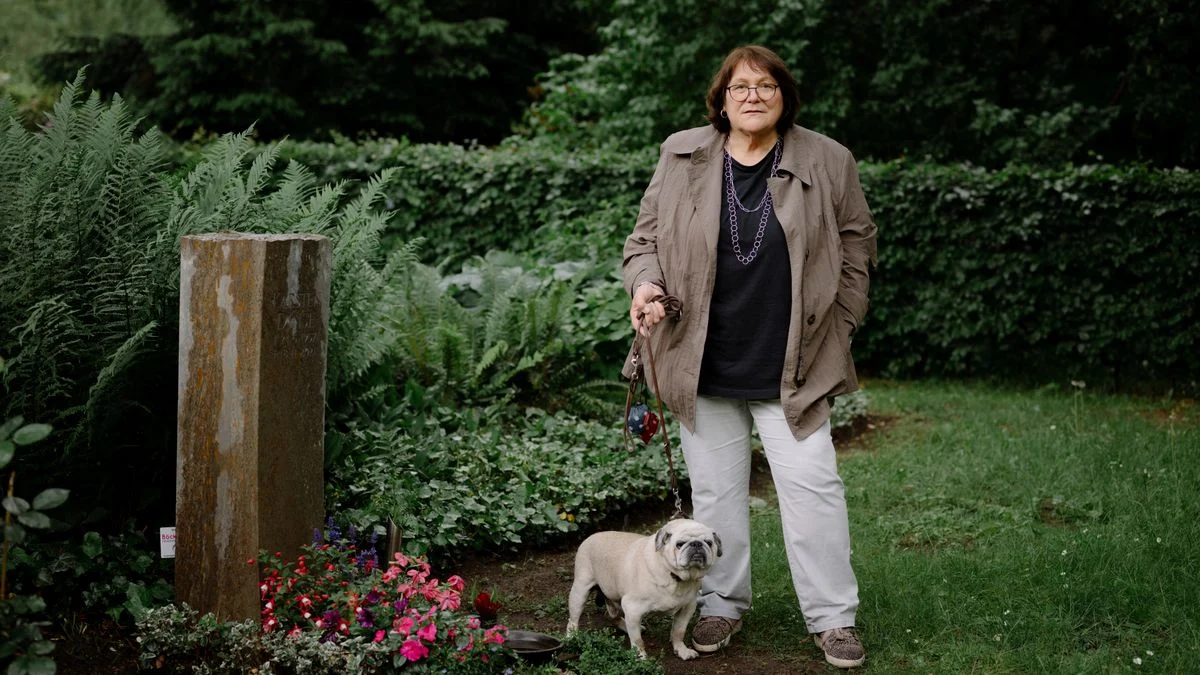
In a quiet corner of Hamburg, a profound shift in funerary culture is taking place. As societal norms evolve, the traditional boundaries between human and animal companionship are dissolving, even in death. The concept of "human-animal burials"—a practice where owners and their pets are laid to rest together—has moved from the fringes of eccentricity to a recognized, albeit emotionally complex, social phenomenon. This article explores the rise of this trend, the legal and ethical landscapes surrounding it, and what it reveals about our changing relationship with the creatures that share our lives.
Main Facts: The New Landscape of Commemoration
For centuries, cemeteries were strictly regulated spaces reserved for human remains. Today, however, Hamburg is at the forefront of a movement that prioritizes the deep emotional bond between humans and their pets. The "human-animal burial" is not merely about convenience; it is a manifestation of the "pet-as-family" paradigm.
In Hamburg, specific cemeteries have begun to offer plots where the ashes of a human can be interred alongside the ashes of their beloved dog, cat, or other companion animal. This service addresses a deeply felt need: the desire for an eternal connection with a creature that provided unconditional companionship during life. Critics may find the practice unconventional, yet proponents argue that it is a logical progression of modern secular mourning, where the focus shifts from traditional religious burial mandates to the preservation of significant emotional legacies.
Chronology: From Taboo to Public Acceptance
The Early Resistance (1990s – 2010)
Historically, German burial laws were rigid. Cemeteries were governed by strict hygiene regulations and traditional ecclesiastical norms. Pets were treated as "property" under the Civil Code (BGB), effectively separating them from the sanctity of human funerary rites. During this period, any mention of shared burial was often dismissed as a psychological anomaly or a breach of public decency.
The Turning Point (2010 – 2018)
As pet ownership rates surged and the demographic profile of pet owners shifted toward single-person households and childless couples, the social value of pets increased exponentially. In the early 2010s, pilot projects in various German municipalities began to test the waters. These initiatives were characterized by discreet offerings, often limited to "urn gardens" where humans and animals could be buried in separate but adjacent vessels.
The Modern Integration (2019 – Present)
Hamburg has emerged as a leader in this transition. The city’s cemetery administrators have recognized that a significant portion of the populace no longer views their pets as mere animals, but as central members of their family unit. Policies were updated to allow for the burial of animal ashes in human graves, provided the vessels are biodegradable and the placement does not violate the dignity of the human burial ground.
Supporting Data: Why People Choose Shared Burials
The motivation behind these burials is backed by sociological data regarding the "humanization" of pets.
- Loneliness and Attachment: Research indicates that in urban centers like Hamburg, pets serve as primary attachment figures. For many, the prospect of an afterlife without their constant companion causes significant anxiety.
- Economic Drivers: The pet industry has grown into a multi-billion euro sector, and the "death care" industry for animals is following suit. There is a clear market demand for premium services, including personalized urns, cemetery maintenance, and commemorative ceremonies.
- Demographic Shifts: Data from the German Federal Statistical Office suggests that the rise in single-person households correlates with higher rates of pet ownership. As traditional family structures evolve, the "chosen family"—which often includes pets—takes precedence in end-of-life planning.
Public opinion polls in Hamburg show that while older generations remain skeptical, individuals under the age of 50 are increasingly supportive of the practice. Roughly 35% of pet owners surveyed in the region indicated they would consider a shared burial if it were legally and logistically accessible.
Official Responses and Ethical Debates
The Church and Traditionalists
The official stance of the major churches in Germany remains largely cautious. While they acknowledge the emotional pain of losing a pet, the theological distinction between human beings—endowed with a "soul"—and animals remains a cornerstone of their doctrine. Church-operated cemeteries, therefore, generally prohibit the burial of animals in consecrated ground.
The Municipal Administration
Hamburg’s municipal cemetery authorities occupy a middle ground. They emphasize "public order and hygiene" while balancing the "wishes of the deceased." The city’s approach has been one of pragmatic tolerance. By creating designated areas for human-animal burials, they have effectively mitigated the risk of clandestine, illegal burials in parks or forests, which posed environmental and legal concerns.
Ethical Implications
Ethicists argue that this trend highlights a potential moral hazard. If we treat animals as humans in death, are we devaluing the status of human life? Conversely, supporters argue that by extending our compassion to animals in death, we are simply acknowledging the biological and emotional truth of our interconnectedness with the natural world.
Implications: A New Era for Funerary Architecture
The rise of human-animal burials is necessitating a redesign of the urban cemetery. No longer just a row of headstones, the modern cemetery is becoming a "commemorative park."
The Architectural Shift
Architects are now being tasked with designing "biophilic" burial spaces. These are not dark, somber rows of granite, but green, tranquil spaces that allow for communal grieving. This shift reflects a move away from the traditional, institutionalized mourning process toward a more personalized, nature-centric experience.
Legal Challenges
The legal framework is still playing catch-up. While urn burials are increasingly permitted, the burial of intact animal bodies remains restricted in most human cemeteries due to sanitary concerns. Legal experts predict that as the demand continues to grow, we may see litigation aimed at further loosening these restrictions, potentially leading to a constitutional debate over the "freedom of burial" as an extension of personal liberty.
Societal Impact
Ultimately, this movement forces us to confront our own mortality and the nature of our bonds. In a city as cosmopolitan and progressive as Hamburg, the trend serves as a mirror for our values. We are living in an era where the loneliness of urban life is being mediated by animal companionship, and it is only natural that this bond should be allowed to endure until the very end.
While some may still find the notion of a shared grave "weird" or "disconcerting," the reality is that the burial ground is a reflection of the living. If the living feel that their most authentic, honest, and loving relationships were with their pets, then the cemetery of the future must be capable of honoring those relationships.
As Hamburg continues to navigate this delicate balance between tradition and the evolving needs of its citizens, one thing remains clear: the final resting place is no longer a static institution, but a space that must adapt to the shifting landscape of human affection. Whether or not one agrees with the practice, it is undeniably a testament to the enduring power of the human-animal connection—a bond so strong that it defies even the ultimate barrier of death.