As the digital landscape evolves at an unprecedented pace, staying ahead of the curve is no longer a luxury—it is a necessity. Every Monday morning, we curate the five most critical stories shaping our world. This week, our spotlight shifts from the high-stakes arena of EU trade regulations to the subtle, often mysterious, ways artificial intelligence is embedding itself into our homes and creative processes.
This week’s agenda covers the looming overhaul of EU customs regulations impacting Asian imports, the emergence of the "Soft-Off-Day" concept, a deep dive into the curious case of the fictional "Elias Thorne" in LLM hallucinations, the integration of generative AI into smart home ecosystems, and an evaluation of Google’s productivity-focused AI tool, Pomelli.
1. The Great Import Shift: EU Customs and the Challenge of Temu and Shein
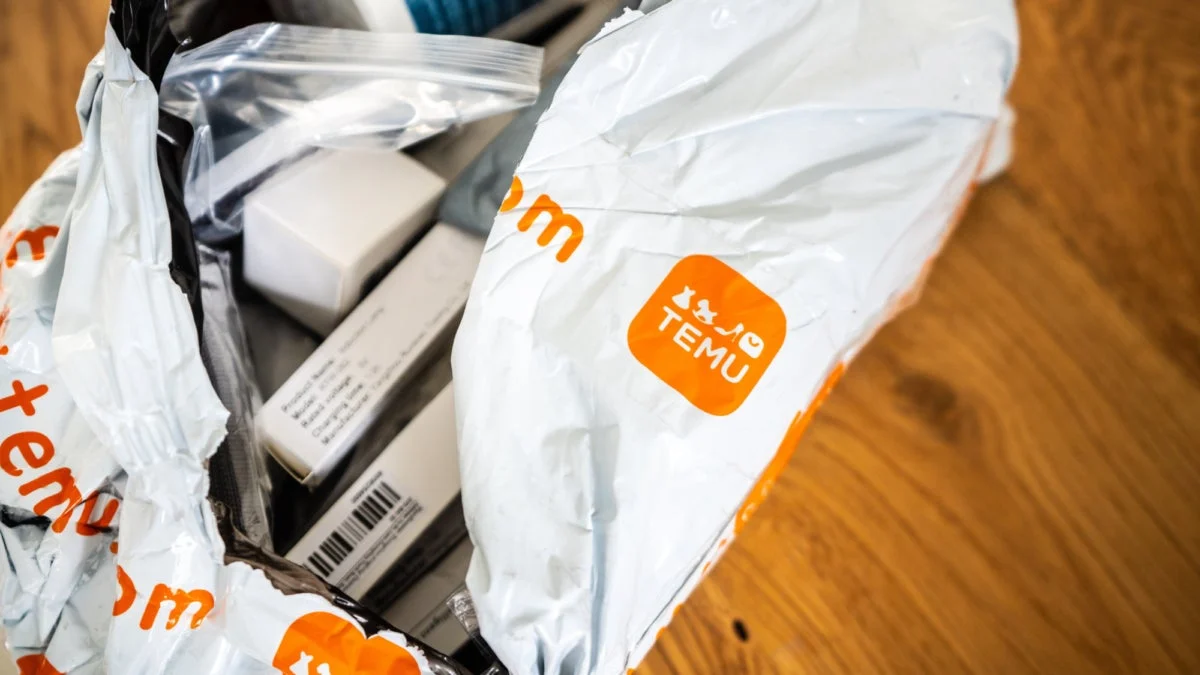
The European retail landscape is undergoing a tectonic shift. For years, the rapid ascent of Chinese e-commerce giants like Temu and Shein has been the subject of intense debate. Operating on a model of high-volume, low-cost logistics, these platforms have captured a significant share of the German and European consumer market.
Supporting Data: The Cost of Disruption
Recent data commissioned by the German Retail Association (Handelsverband Deutschland) paints a sobering picture for local businesses. The report estimates that the domestic retail sector loses approximately €2.5 billion in annual revenue directly attributable to competition from these Chinese platforms.
The primary catalyst for this shift is the exploitation of the "de minimis" customs threshold—a rule that has historically allowed small packages to enter the EU free of duties. However, the regulatory tide is turning. Starting in July, the EU is set to implement stricter oversight and potential tax adjustments to level the playing field.
Implications for Consumers and Retailers
While proponents of the regulation argue that it protects local jobs and ensures fair competition, skeptics worry about the impact on consumer purchasing power. For the average shopper, the era of dirt-cheap, duty-free fast fashion and gadgets may be coming to a close. Retailers, meanwhile, are watching closely to see if these measures will effectively curb the "Temu effect" or if the logistical prowess of these platforms is simply too vast to be contained by tariffs alone.
2. The "Soft-Off-Day": Redefining Workplace Productivity
In an era of perpetual connectivity, the concept of the "Soft-Off-Day" has gained traction as a strategic approach to mental health and sustained productivity. Unlike a traditional day off, the Soft-Off-Day is designed as a transitional phase—a way to wind down complex workflows without the abrupt shock of a total digital blackout.
Chronology of the Trend
- Early 2024: Emerging reports from Silicon Valley suggest high-performing teams were experimenting with "low-intensity Fridays."
- Q2 2024: The term "Soft-Off-Day" is coined, describing a day where non-essential meetings are banned, and communication is restricted to asynchronous channels only.
- Current Status: HR departments are now evaluating whether this model can mitigate burnout without sacrificing output.
The core philosophy is simple: by reducing the cognitive load of "always-on" communication, employees are better able to engage in deep work during the early part of the week and recover effectively by the end of it.
3. The Elias Thorne Mystery: Why AI Hallucinates Characters
One of the most fascinating phenomena in Large Language Model (LLM) research is the emergence of consistent "hallucinated" characters. A prime example is the recurring figure of "Elias Thorne," a fictional character that appears across multiple, unrelated AI models.
Why Do LLMs Create Characters?
AI models are trained on vast datasets encompassing literature, screenplays, and internet forums. When prompted to generate a narrative, the model often pulls from archetypal tropes—the "mysterious mentor" or the "brooding detective." Elias Thorne appears to be a statistical convergence: the model’s weightings for these tropes coalesce into a name and persona that feels statistically "correct" to the algorithm, even if the person never existed.
Official Responses and Technical Insights
AI researchers argue that this is a byproduct of "probabilistic creativity." Because LLMs are designed to predict the next logical token, they are incentivized to provide a cohesive narrative rather than a factually accurate one. The case of Elias Thorne serves as a reminder that current generative AI is a master of mimicry, not a repository of objective truth.
4. Smart Homes Get Smarter: The AI Integration
The smart home is no longer just about voice-activated lights or automated thermostats; it is entering the age of "predictive living." With the integration of advanced AI, your home is learning to anticipate your needs rather than simply reacting to them.

How AI is Changing the Domestic Sphere
Modern smart home systems are now using machine learning to analyze household patterns. From energy optimization—where the home learns to heat rooms only when they are occupied—to advanced security monitoring that can distinguish between a delivery person and an intruder, the complexity is increasing.
The Privacy Trade-Off
However, this convenience comes with a caveat. The amount of data required to make a home truly "smart" is immense. As these systems become more autonomous, the question of who owns the behavioral data—the manufacturer, the cloud provider, or the user—becomes a primary concern for privacy advocates.
5. Pomelli: Google’s Bid for Productivity
Google’s latest experiment, the AI-driven tool Pomelli, is attempting to bridge the gap between task management and focus enhancement. By utilizing the Pomodoro technique—an established method of breaking work into 25-minute focused intervals—Pomelli uses AI to optimize the timing of breaks based on the complexity of the task at hand.
Evaluation in Practice
Initial testing suggests that Pomelli is more than just a timer. It uses natural language processing to analyze the user’s "to-do" list, suggesting which tasks are best suited for deep-focus blocks and which should be relegated to "low-energy" periods.
While it is currently in its early stages, Pomelli signals a shift in Google’s strategy: moving away from simple search and toward active, agentic assistance that manages the user’s cognitive load throughout the workday.
Conclusion: Staying Informed in a Changing World
The intersection of trade policy, workplace culture, and artificial intelligence defines the current zeitgeist. As we navigate the implications of new customs rules on our shopping habits and witness the strange, creative outputs of LLMs like the Elias Thorne phenomenon, one thing is clear: the digital environment requires constant vigilance and adaptation.
Are you missing out on the deeper context behind these headlines?
Join our community of thousands of professionals who rely on the t3n Weekly newsletter to cut through the noise. Whether you are a developer, a strategist, or a curious observer of the digital transformation, our curated content ensures you are prepared for the week ahead.
Subscribe today to tailor your news experience and ensure you never miss the updates that matter most to your career and your industry.
Summary of Key Developments (Quick Reference)
| Topic | Primary Impact | Status |
|---|---|---|
| EU Customs | Increased costs for Chinese e-commerce | Implementation July 2024 |
| Soft-Off-Day | Improved mental health/work-life balance | Emerging Trend |
| AI Hallucinations | Risk of misinformation in creative writing | Ongoing Research |
| Smart Home AI | Enhanced energy/security efficiency | Rapid Growth |
| Pomelli | Optimized productivity management | Early Testing |
For more in-depth analysis on these stories and exclusive insights into the tech sector, sign up for our premium newsletter updates.