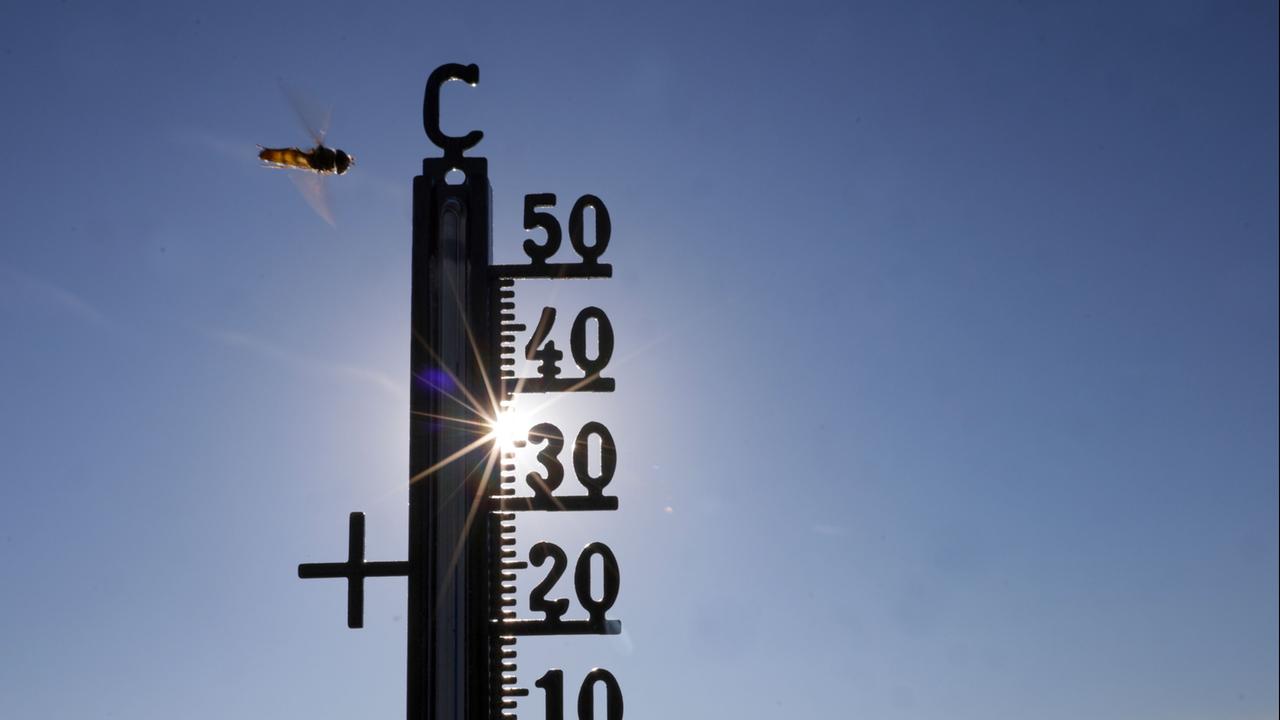
The sweltering heatwave currently gripping Germany shows no signs of relenting, with meteorologists warning that the mercury could climb toward the 40-degree Celsius mark in the coming days. While citizens yearn for relief, weather experts suggest that the furnace-like conditions are likely to persist until the weekend, accompanied by an escalating risk of severe, localized weather events.
The Current Situation: A Nation Under Pressure
As of June 22, 2026, the German Meteorological Service (DWD) has issued urgent warnings regarding extreme heat stress, particularly in the country’s southwestern regions. This ongoing thermal event is not merely a localized phenomenon but a continental-scale weather pattern that has locked much of Europe into a prolonged period of record-breaking temperatures.
While the heat was initially concentrated in the south, the DWD has confirmed that the mass of hot air is expanding, pushing northward as the week progresses. By mid-week, northern Germany is expected to face significantly elevated temperatures, further straining infrastructure, public health, and agricultural resources. Meteorologists are particularly concerned about the southern regions, where models suggest the possibility of localized temperatures hitting the 40°C threshold—a dangerous milestone that tests the limits of urban heat resilience.
Chronology of the Heatwave and Weather Volatility
The current weather pattern is characterized by a "heat-and-thump" cycle. As the intense sunlight warms the ground, the humidity levels rise, creating a volatile atmosphere that frequently collapses into violent thunderstorms.
- Early Week: The heatwave intensified, causing the DWD to issue multiple heat health warnings for the southwest.
- Yesterday: A violent storm front tore through Berlin and Brandenburg, serving as a precursor to the instability expected nationwide. The storm caused significant disruption, leading to flooded basements, fallen trees, and blocked roads.
- The Present: A state of high alert remains in place. The atmospheric pressure systems are currently shifting, pushing the heat further north, while localized convective instability threatens to trigger sudden, severe thunderstorms, particularly in North Rhine-Westphalia and the Thuringian Slate Mountains.
Supporting Data: A Continental Crisis
The situation in Germany is mirrored across the continent. Across Europe, the heatwave is shattering seasonal norms. In Italy, for instance, temperatures are currently tracking 10 degrees Celsius above the historical average for late June.
In France, thermometers have hit the 40-degree mark, straining the energy grid and public health services. Spain has issued high-level health alerts, warning citizens to limit outdoor activity after a German tourist suffered a medical collapse in Palma due to heat exposure. Meanwhile, the United Kingdom is bracing for potential national heat records, as forecasters predict the incoming mass of hot air will cross the English Channel.
The data suggests this is not merely a "hot spell" but a robust, sustained weather anomaly. The persistence of the high-pressure system, often referred to as a "heat dome," prevents cooler maritime air from reaching the interior of the continent, trapping the heat and allowing it to intensify daily.
Official Responses and Public Safety Measures
Authorities across Germany have mobilized to mitigate the risks associated with the heat. The DWD has urged the public to stay indoors during the peak afternoon hours, maintain hydration, and check on elderly or vulnerable neighbors.
The impact of the weather on public events has been immediate. In Berlin, the preparations for the "Fête de la Musique" were hampered by the recent storm, which damaged temporary stages and forced the cancellation or relocation of various performances. The Berlin S-Bahn experienced service disruptions as overhead lines and tracks were impacted by debris from the storm.
"We were fortunate that no major injuries were reported despite the intensity of the wind gusts," said a spokesperson for the Berlin Fire Department. "However, the sheer volume of calls regarding flooded cellars and structural damage to event infrastructure stretched our emergency teams to their limits."
Emergency services remain on high alert. The primary concern is not just the heat itself, but the secondary threats it creates: flash flooding from intense, localized rain in storm-hit areas and the potential for infrastructure damage from high-velocity wind gusts.
Implications: Infrastructure, Health, and Beyond
The socioeconomic implications of such an extreme weather event are profound.
1. Public Health Impacts
Heatwaves are silent killers. The rise in cardiovascular and respiratory distress during such periods places immense pressure on hospital emergency rooms. Vulnerable populations—the elderly, children, and those with pre-existing conditions—are at the highest risk. Public health officials are calling for the implementation of "cooling centers" and extended operational hours for air-conditioned public spaces.
2. Infrastructure Resilience
Germany’s transport and energy infrastructure are currently being tested. Rail operators have warned of potential delays due to heat-induced track warping, while the energy grid faces massive demand from air conditioning and refrigeration systems. The agricultural sector is also under severe strain; crops that are not drought-resistant face the threat of irreversible damage, which could lead to significant yield losses and subsequent price increases for consumers.
3. Environmental and Ecological Consequences
The combination of drought-like conditions and heat creates a high risk for forest fires. As the soil dries out, the vegetation becomes highly combustible. The DWD has warned that even small sparks could lead to uncontrollable wildfires in wooded regions. Furthermore, the rising water temperatures in rivers and lakes pose risks to aquatic life, as lower oxygen levels can lead to mass die-offs.
4. The Future of European Summers
This event underscores the changing nature of the European climate. Meteorologists and climate scientists point to a trend where such heatwaves are becoming more frequent, longer, and more intense. The current situation serves as a stark reminder of the need for long-term urban planning adaptations, such as increasing green spaces to combat the "urban heat island" effect, improving building insulation, and creating more robust disaster response protocols.
Conclusion: A Waiting Game
As of today, there is no immediate end in sight for the German population. The DWD suggests that any potential for significant relief is unlikely until at least the coming weekend, when a cold front may finally push the current air mass out of the region.
Until then, the advice remains consistent: stay informed through official weather channels, exercise extreme caution during outdoor activities, and prepare for the volatility that characterizes this summer’s weather. As the mercury climbs toward the 40-degree threshold, the endurance of both the population and the nation’s infrastructure will be tested to its fullest extent.