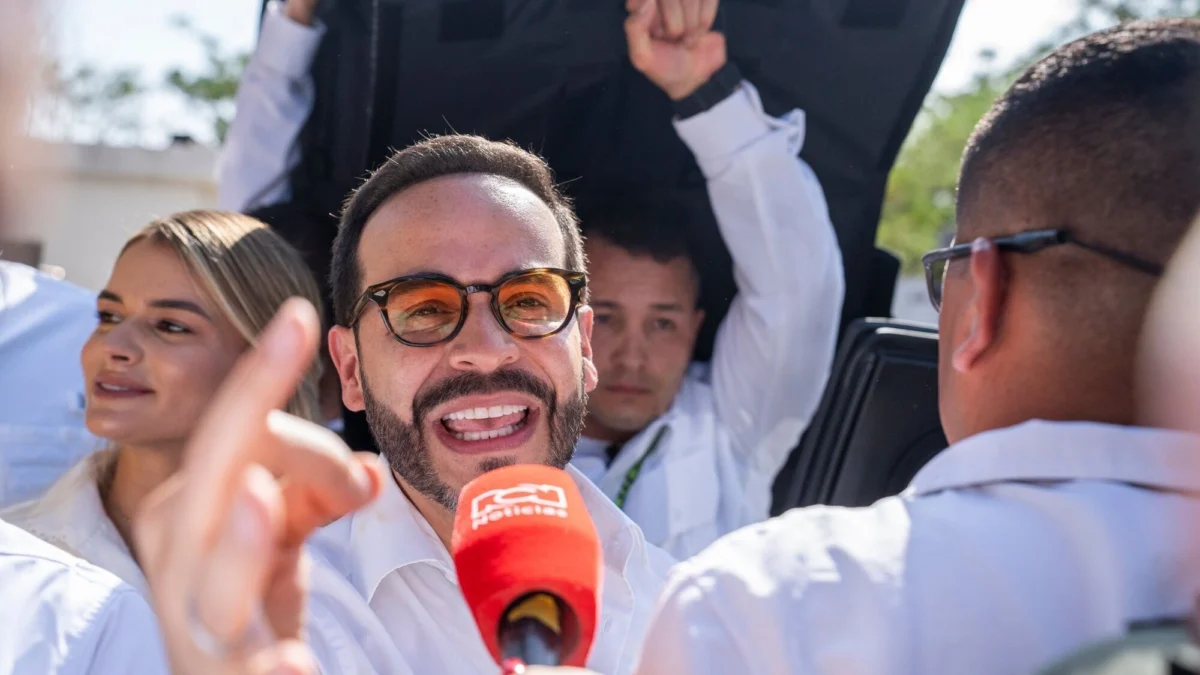
MEXICO CITY – Colombia, a nation of profound political and social complexities, has elected an ultra-right, anti-establishment candidate, Abelardo de la Espriella, as its next president. This razor-thin victory, following a fiercely contested runoff election on Sunday, marks a significant political realignment, concluding four years of left-wing governance under Gustavo Petro and signaling a broader ideological shift across Latin America. De la Espriella, a lawyer and entrepreneur with a mere year of formal political experience, successfully leveraged his outsider status to appeal to a populace disillusioned with what he characterized as a corrupt political elite, promising a radical departure from the status quo.
The preliminary results from the second round of voting indicate de la Espriella secured 49.7 percent of the ballots, narrowly surpassing his left-wing rival, Iván Cepeda, who garnered 48.7 percent. The margin separating the two candidates was exceptionally tight, with only approximately 250,000 votes determining the outcome. This close contest defied many pre-election polls, which had predicted a more comfortable victory for either candidate, underscoring the deep polarization and unpredictability of the Colombian electorate.
While the official verification of all election protocols is still pending and expected in the coming days, these preliminary counts are widely regarded as highly reliable in Colombia, the second-most populous nation in South America with approximately 53 million inhabitants. Historically, the final certified results have shown only marginal deviations from these initial tallies, reinforcing the immediate implications of de la Espriella’s presumptive win.
Addressing thousands of jubilant supporters in Barranquilla on Sunday evening, de la Espriella declared, "Today begins a new era and a new order in Colombia." His triumphant address was also marked by a stark warning to his opponent, Cepeda, and the outgoing President Petro, urging them not to incite unrest should they dispute the election results: "Do not fuel disturbances." This statement underscored the palpable tension and the high stakes involved in this pivotal electoral transition.
The Ascent of an Outsider: Abelardo de la Espriella’s Victory
Abelardo de la Espriella’s journey to the presidency is a testament to the potent appeal of anti-establishment narratives in contemporary politics. His background as a prominent lawyer and entrepreneur, rather than a career politician, became his greatest asset. He skillfully positioned himself as a fresh face, untainted by the perceived corruption and inefficiencies of traditional political institutions. This strategy resonated deeply with a significant segment of the Colombian populace yearning for radical change and an end to endemic corruption.
A Narrow Mandate for Change
The slender margin of victory, a mere one percentage point, underscores the deep divisions within Colombian society. De la Espriella’s triumph, while decisive, does not represent an overwhelming mandate for any single ideological direction but rather a complex interplay of frustrations, hopes, and anxieties. It reflects a nation grappling with its past, present, and future, oscillating between progressive reforms and a yearning for order and stability. Governing with such a narrow base of support will undoubtedly present significant challenges for the incoming administration, requiring astute political maneuvering and a concerted effort to build broader consensus.
The Anti-Establishment Wave
De la Espriella’s success is not an isolated incident but rather indicative of a broader anti-establishment wave sweeping across Latin America and beyond. Voters, increasingly skeptical of traditional political parties and their leaders, are gravitating towards figures who promise to dismantle existing power structures and challenge the status quo. This global phenomenon is often fueled by economic anxieties, a perceived lack of accountability among the ruling class, and a desire for decisive, unconventional leadership. In Colombia’s case, de la Espriella’s lack of political baggage and his direct, often provocative, communication style allowed him to tap into this deep well of public discontent, painting himself as the true voice of the people against a entrenched and self-serving political class.
The Road to the Runoff: A Polarized Campaign
The presidential election campaign was characterized by intense polarization, reflecting the profound ideological fault lines within Colombia. The first round of voting saw a crowded field of candidates, but it quickly became clear that the race would be between the left-leaning Iván Cepeda and the ultra-right Abelardo de la Espriella.
Petro’s Legacy and the Left’s Challenge
The election took place after four years of a left-wing government led by President Gustavo Petro, a former guerrilla fighter who came to power on a wave of promises for social justice, environmental protection, and peace. Petro’s administration implemented significant reforms, including efforts to redistribute land, expand social programs, and re-evaluate Colombia’s approach to the long-standing internal conflict and drug trafficking. While these policies garnered fervent support among some segments of the population, particularly the urban poor and indigenous communities, they also faced considerable resistance from conservative factions, business interests, and those wary of radical change. Critics often pointed to economic challenges, such as inflation and concerns about the pace of reform, as reasons for dissatisfaction. The left, represented by Iván Cepeda, sought to build upon Petro’s legacy, promising a continuation of progressive policies aimed at addressing inequality and fostering inclusive development. Cepeda, a senator and human rights defender, is a prominent figure on the Colombian left, known for his work on the peace process and victims’ rights. His campaign emphasized social programs, environmental sustainability, and a deepening of the peace accords. However, his association with the incumbent government, despite his own distinct political identity, made him vulnerable to criticisms aimed at Petro’s performance.
De la Espriella’s Campaign Strategy
Abelardo de la Espriella’s campaign, in contrast, focused heavily on a platform of law and order, fiscal conservatism, and a strong anti-corruption message. He pledged to crack down on crime, restore economic growth through free-market principles, and aggressively combat corruption within government institutions. His rhetoric often employed strong, unequivocal language, appealing to voters who felt that the country had become too lenient on criminals and too susceptible to bureaucratic graft. He masterfully capitalized on public fatigue with traditional politics, presenting himself as the only candidate brave enough to challenge the entrenched system. His direct communication style, often bypassing traditional media in favor of social media and direct rallies, allowed him to cultivate a passionate base of support that felt unheard by the mainstream. He also implicitly or explicitly criticized aspects of the peace process, arguing for a tougher stance against illegal armed groups, which resonated with those who felt the peace accords had not delivered sufficient security or justice.
Election Day Dynamics
The election day itself was largely peaceful, although the pre-election period and the underlying political climate were shadowed by reports of localized violence and security concerns, a persistent feature of Colombia’s complex socio-political landscape. Voter turnout was robust, reflecting the high stakes and the deep engagement of the electorate. The narrow margin reported by the quick count immediately after polls closed set the stage for a tense waiting period for the final official results, even as de la Espriella’s supporters began their celebrations. The fact that the outcome was much closer than anticipated by many polls suggests a late swing or a misreading of voter sentiment, possibly due to a silent majority or the difficulty of capturing the nuances of a deeply polarized electorate.
Decoding the Vote: What Drove Colombian Electorate?
The outcome of the Colombian presidential election is a multifaceted reflection of the nation’s contemporary challenges and aspirations. Several key factors appear to have coalesced to propel Abelardo de la Espriella to victory, offering insights into the evolving political landscape of the country.
Economic Discontent and Security Concerns
One of the primary drivers of voter sentiment was undoubtedly economic discontent. Despite efforts by the previous administration, Colombia has faced significant economic headwinds, including persistent inflation, unemployment, and challenges in diversifying its economy beyond traditional sectors. Many voters, particularly those in the middle and lower-middle classes, felt the pinch of rising living costs and a lack of economic opportunity. De la Espriella’s promises of fiscal discipline, tax cuts, and a business-friendly environment appealed to those seeking economic stability and growth.

Furthermore, security remained a paramount concern for many Colombians. While the historic 2016 peace accord with the FARC rebels brought an end to decades of armed conflict, new forms of violence have emerged, fueled by criminal gangs, dissident FARC groups, and other illegal armed organizations vying for control over lucrative drug trafficking routes and illegal mining operations. The perception that crime rates were rising and that the government was not adequately protecting its citizens created fertile ground for de la Espriella’s tough-on-crime rhetoric and his promises of a stronger state presence and unwavering resolve against all forms of illicit activity. His stance on reconsidering aspects of the peace process also resonated with those who felt it had been too lenient or ineffective.
The Urban-Rural Divide and Generational Gaps
While specific demographic data on voting patterns is still being analyzed, observers suggest that the election likely highlighted existing urban-rural and generational divides. Traditionally, left-leaning candidates have found stronger support in urban centers and among younger voters advocating for social change and progressive policies. Conversely, more conservative candidates often garner strong backing from rural areas, older generations, and segments of the business community who prioritize stability, traditional values, and economic liberalism. De la Espriella’s appeal to an "ordered society" and his emphasis on traditional values may have mobilized a significant conservative base that felt alienated by the progressive agenda of the previous administration. The stark difference in the preliminary results across different departments and municipalities would likely reveal these geographical and socio-economic fault lines.
Beyond the Polls: A Surprising Outcome
The significant discrepancy between pre-election polling data and the final outcome underscores the challenges of accurately capturing public sentiment in deeply polarized societies. Several factors could explain this divergence. A "silent majority" effect, where voters are hesitant to openly express support for controversial or unconventional candidates, might have been at play. Additionally, the intensity of the runoff campaign, particularly in its final days, could have swayed undecided voters towards de la Espriella. The anti-establishment sentiment, often difficult to quantify in traditional surveys, appears to have been a more powerful force than anticipated, enabling an "outsider" to overcome the predictions of political analysts and pollsters alike. This result serves as a reminder of the dynamic and sometimes unpredictable nature of democratic processes, especially in regions undergoing rapid social and political transformations.
Reactions and the Call for Stability
The aftermath of the election has been marked by strong reactions from both sides of the political spectrum, coupled with calls for national unity and a peaceful transition of power. The narrowness of the victory has only amplified the underlying tensions, making the period leading up to the official certification and inauguration crucial for Colombia’s democratic stability.
The Victor’s Proclamation
Abelardo de la Espriella’s victory speech in Barranquilla was a powerful declaration of intent. His assertion that "Today begins a new era and a new order in Colombia" encapsulated his campaign promise of a radical break from the past. He projected an image of a decisive leader ready to implement sweeping changes, signaling a firm commitment to his core agenda of fighting corruption, strengthening security, and fostering economic growth through a free-market approach. His rhetoric aimed to galvanize his supporters and reassure those who voted for change, framing his presidency as a historic turning point for the nation.
Calls for Unity and Warnings Against Unrest
Crucially, de la Espriella also addressed the potential for discord, directly warning his rival Iván Cepeda and outgoing President Gustavo Petro against inciting unrest. This pre-emptive caution highlights the deep polarization that characterized the election and the real concerns about social stability in a country with a history of political violence and social upheaval. The implicit message was a demand for respect for the democratic process and a peaceful acceptance of the election results. For the incoming administration, managing these post-election tensions will be an immediate priority, as any widespread refusal to acknowledge the outcome could destabilize the political environment and hinder the new president’s ability to govern effectively.
From the losing side, initial reactions from Iván Cepeda and the broader left-wing coalition are expected to emphasize the importance of protecting democratic institutions and the rights of all citizens, even as they come to terms with the defeat. While a formal concession speech from Cepeda would be a key step towards legitimizing the transition, the tight margin may lead to careful scrutiny of the electoral process and a renewed commitment to opposition politics.
The Path to Official Certification
The Electoral Authority’s official verification of all voting protocols, though generally a formality in Colombia given the reliability of preliminary counts, remains a critical step. This meticulous process ensures transparency and builds confidence in the integrity of the election. While major deviations are uncommon, the closeness of this particular race means that every step of the verification process will be under intense public and international scrutiny. Once certified, the results will formally pave the way for de la Espriella to assume the presidency, initiating the transition period and the formation of his new government. This period will involve intricate negotiations and appointments, setting the tone for his four-year term.
Implications for Colombia and Latin America
Abelardo de la Espriella’s victory is poised to trigger significant shifts, both domestically within Colombia and across the broader Latin American geopolitical landscape. The ideological pivot from a left-leaning government to an ultra-right administration will have far-reaching consequences for policy, social dynamics, and regional relations.
Domestic Policy Realignments
The most immediate implications will be felt in Colombia’s domestic policy arena. De la Espriella’s campaign platform suggests a distinct shift from the policies of the Petro administration:
- Economic Policy: Expect a move towards more orthodox, free-market economic policies. This could involve efforts to reduce government spending, cut taxes for businesses, privatize state-owned assets, and attract foreign investment. Such measures aim to stimulate economic growth but may also lead to debates over social welfare programs and income inequality.
- Security Policy: A tougher stance on law and order is anticipated. This could translate into increased military and police presence, stricter penalties for criminals, and a potential re-evaluation of aspects of the peace process with remaining armed groups. The focus will likely be on restoring perceived public safety and asserting state control over territories still affected by violence.
- Anti-Corruption Efforts: As a central pillar of his campaign, de la Espriella is expected to prioritize measures to combat corruption. While the specific mechanisms remain to be seen, this could involve judicial reforms, increased oversight, and a more aggressive pursuit of corrupt officials.
- Social Policy: The shift to the right may lead to a more conservative approach to social issues, potentially impacting policies related to gender equality, environmental protection, and indigenous rights, which were often central to the previous administration’s agenda.
Regional Repercussions
Colombia’s ideological shift holds significant weight for Latin America, a region characterized by a pendulum swing between left and right over recent decades. The original article’s statement that "Colombia is the next Latin American country to fall to the extreme right" points to a broader trend. While the region has seen a recent "pink tide" with the election of left-leaning leaders in countries like Chile, Brazil, and back in Colombia with Petro, the victory of de la Espriella could represent a counter-current, or at least a sign of continued political volatility.
- Diplomatic Realignment: Colombia’s foreign policy could see a reorientation. Under Petro, Colombia sought closer ties with other progressive governments in the region and emphasized multilateralism. De la Espriella’s administration might strengthen alliances with ideologically aligned conservative governments, potentially fostering closer ties with countries like Ecuador and Paraguay, and recalibrating its relationship with the United States. Its stance towards Venezuela, Cuba, and Nicaragua, which was softened under Petro, could become more confrontational.
- Regional Blocs: The change in leadership might influence the dynamics of regional blocs like the Pacific Alliance or the Andean Community of Nations, potentially shifting their collective political weight or priorities.
- Precedent for Neighbors: De la Espriella’s success could inspire similar anti-establishment, ultra-right movements in neighboring countries, demonstrating that such platforms can achieve electoral victory even in historically left-leaning contexts.
Challenges Ahead for the New Administration
De la Espriella’s presidency will not be without its formidable challenges. Governing with a narrow popular mandate demands a capacity for consensus-building and compromise, which might be difficult for an "outsider" leader who ran on an anti-establishment platform. Key challenges include:
- Social Cohesion: Healing the deep political and ideological divisions exacerbated by the election will be crucial for national stability.
- Economic Pressures: Navigating global economic uncertainties, managing inflation, and fostering inclusive growth will be ongoing tests.
- Security Landscape: Addressing persistent challenges posed by drug trafficking, illegal armed groups, and urban crime requires sustained effort and a comprehensive strategy.
- Legislative Hurdles: Without a clear majority in Congress, de la Espriella will need to forge alliances and negotiate extensively to pass his legislative agenda.
- International Scrutiny: His administration will likely face international scrutiny regarding human rights, environmental policies, and its approach to peace processes.
Conclusion: A Nation at a Crossroads
Abelardo de la Espriella’s victory marks a pivotal moment in Colombian history, signaling a clear shift away from the left-wing trajectory of the past four years. His narrow win, fueled by an anti-establishment wave and promises of order and economic revival, positions Colombia at a crossroads. The incoming administration faces the immediate task of uniting a deeply polarized nation, addressing pressing economic and security concerns, and navigating complex regional dynamics. As Colombia embarks on this "new era," the world will be watching closely to see how this ultra-right outsider translates his electoral triumph into governance, and what ripple effects his leadership will have on the future of Latin American politics. The path ahead promises to be both challenging and transformative for the nation and the region.