Ten years after the seismic vote to leave the European Union, the United Kingdom is grappling with the profound and multifaceted consequences of Brexit. A growing tide of disillusionment, particularly among the younger generation, is fueling calls for a re-evaluation of the nation’s post-Brexit trajectory. With over 80 percent of Britons under 25 expressing a desire to rejoin the EU, the nation finds itself at a critical juncture, re-examining the promises made and the realities faced.
The Lingering Echoes of a Divisive Decision
The reverberations of the 2016 Brexit referendum continue to shape the United Kingdom’s political, economic, and social landscape. What was once a fervent debate has evolved into a more somber reckoning with the tangible impacts of leaving the European Union. For many, particularly those who were too young to vote or whose futures were irrevocably altered, the decision has become a source of profound regret and a catalyst for action.
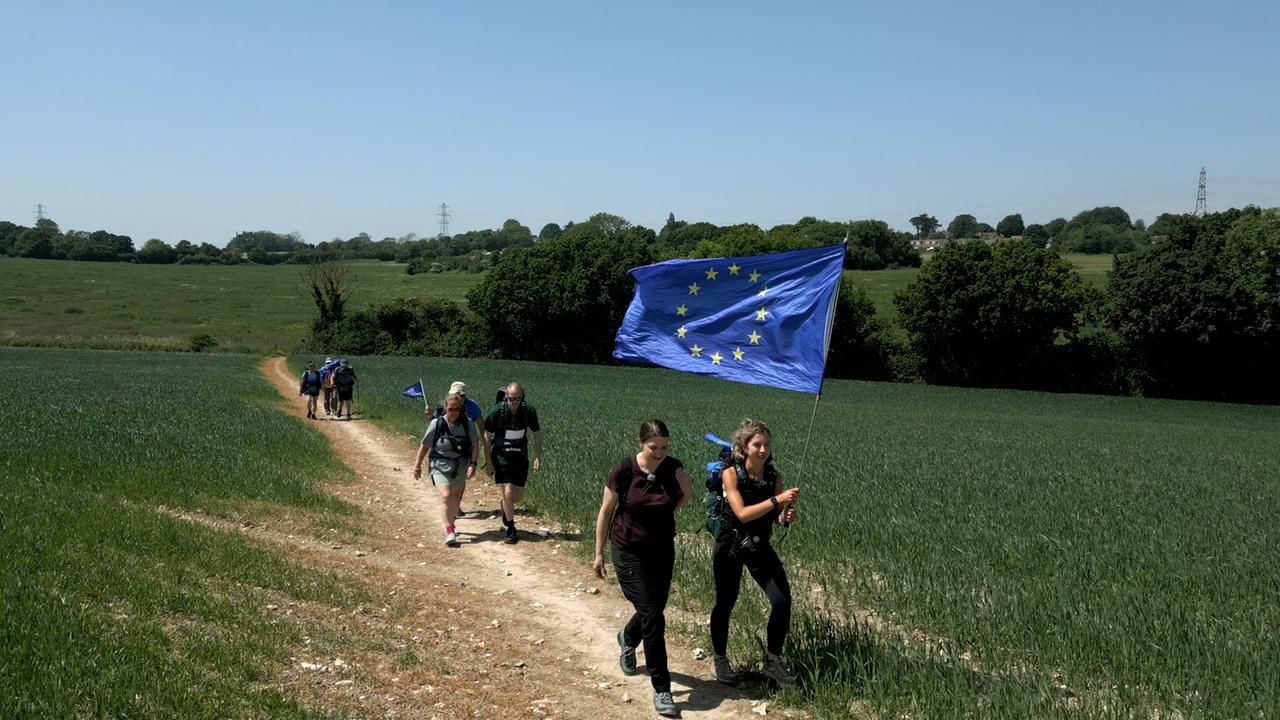
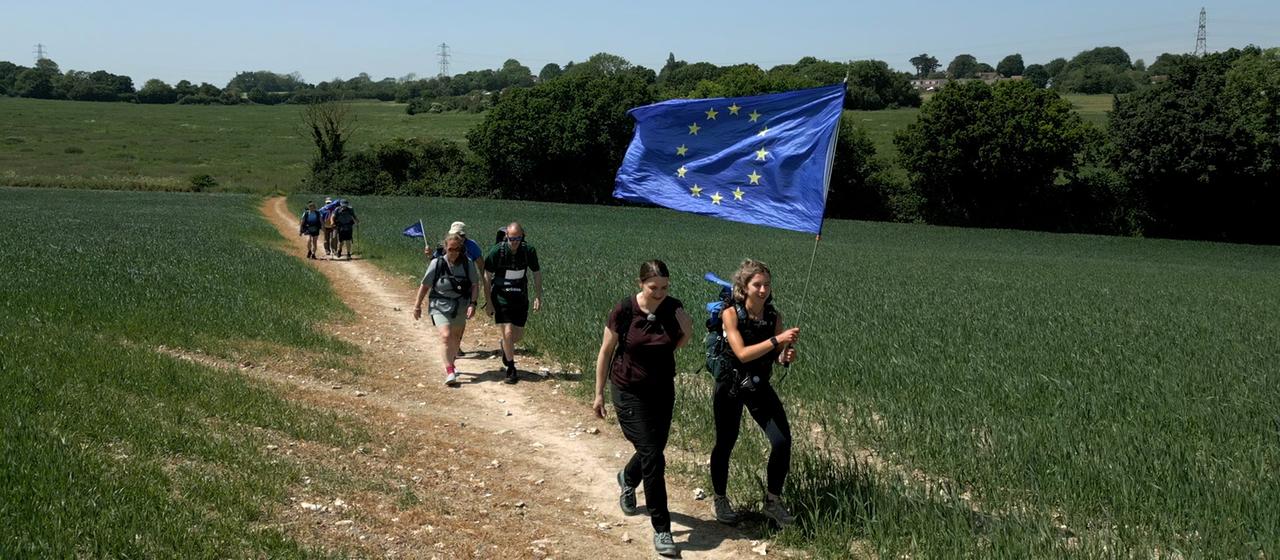
Ceira Casey Sergeant, a 24-year-old from Liverpool, embodies this burgeoning sentiment. Her days are now consumed by rigorous training for a gruelling protest march from Liverpool to Brussels, a symbolic journey aimed at advocating for the UK’s return to the EU. "I’m sick of Brexit," she declares, her voice resonating with a determination born of conviction.
Sergeant’s personal connection to the anti-Brexit movement is deeply rooted in her family’s experiences. She vividly recalls the morning after the referendum, awakened by her distraught mother who struggled to comprehend the outcome. The subsequent day at school was consumed by discussions about the unforeseen consequences. Her mother, a nurse, understood acutely the vital role EU-trained doctors and nurses played in the National Health Service (NHS). Her passing last year has only strengthened Ceira’s resolve to carry forward her mother’s legacy, advocating for a future where such essential services are not jeopardized by nationalistic policies.
Promises Unfulfilled: The Unravelling of Brexit’s Narrative
The Brexit campaign was replete with bold promises, none perhaps more potent than the pledge that leaving the EU would free up £350 million per week for the NHS. This seemingly straightforward arithmetic, emblazoned on red buses, resonated with many voters. However, ten years on, this promise stands as a stark symbol of unmet expectations and a testament to the complex realities that have unfolded.
Instead of an influx of funds, the NHS has faced mounting pressure, exacerbated by the very act of leaving the EU. A significant decline in healthcare professionals from EU countries has contributed to staff shortages, pushing already strained hospitals to their breaking point. Furthermore, the cost of essential medications, including life-saving treatments for cancer patients, has seen a sharp increase. International research collaborations, once a cornerstone of medical advancement, have also suffered, hindering the UK’s ability to contribute to and benefit from global scientific progress.
The economic forecasts presented by Brexit proponents have also failed to materialize. Studies, such as one conducted by Stanford University, suggest that the UK’s economic output could have been up to six to eight percent higher had it remained within the EU. This economic stagnation weighs particularly heavily on younger Britons, who are now confronted with rising living costs, exorbitant housing prices, and a scarcity of well-compensated entry-level employment opportunities. For many, rejoining the EU is increasingly seen not just as a political aspiration, but as an economic imperative.
The Generational Divide: A Vote Cast by the Elderly, Burdening the Young
The demographic contours of the Brexit vote reveal a stark generational divide. Data from polling firm Lord Ashcroft immediately following the referendum highlighted a clear trend: the older the voter, the greater the likelihood of supporting Brexit. While a narrow majority of those over 45 voted to leave, this figure rose to 60 percent among those aged 65 and over. Concurrently, a significant number of younger eligible voters abstained, their voices unheard in the decisive moment.
This electoral disparity has created a situation where the decision made predominantly by older generations has had a profound and lasting impact on the lives of younger Britons, many of whom were disenfranchised by the process. Ceira Sergeant, along with countless others in her age group, is now living with the consequences of a vote they had no power to influence. This sense of injustice fuels their determination to reclaim a stake in their nation’s future.
The economic fallout from Brexit has intensified these anxieties. The UK’s diminished economic performance has translated into a challenging landscape for young people, characterized by the struggle to secure stable housing, find meaningful employment, and achieve financial independence. In this context, the prospect of re-engaging with the EU is viewed by many as a potential pathway to economic recovery and renewed opportunity.
The Rise of a New Political Voice: Youth-Led Activism and the Green Party’s Stance
Recognizing the urgency of their generation’s concerns, a new wave of youth-led activism is emerging. Dylan Law, a 20-year-old Londoner, is actively involved in local politics with the Green Party, a movement he believes can counter the prevailing right-wing narrative with a progressive agenda. He emphasizes the need to take the younger generation’s aspirations seriously, advocating for policies that address the widening chasm between the rich and the poor, including a wealth tax. Crucially, the Green Party, under the leadership of figures like Zack Polanski, has openly declared its support for rejoining the EU, branding Brexit as an economic, social, and cultural disaster.
Polanski, who has garnered a following akin to a political pop star among younger Britons, champions a platform that challenges the status quo and advocates for a more equitable society. His openness to re-engaging with the EU reflects a growing sentiment within the party and among its younger supporters. Law echoes this sentiment, expressing a fervent desire for a second referendum. "When I hear about everything that was possible before Brexit and how much money we’ve lost as a country because of it, you can only say: That was a bad decision. That’s why I want a second referendum," he states, highlighting the perceived economic losses and the desire to rectify what he views as a detrimental choice. The pervasive feeling among his peers is that their concerns are consistently overlooked.
A Different Perspective: Disillusionment Within Reform UK
While the narrative of young Britons seeking EU re-engagement is prominent, the spectrum of political opinion within this demographic is diverse. Samuel Hussey, a 21-year-old from Stourbridge, articulates a different set of frustrations, though equally rooted in the post-Brexit landscape. Hussey, a member of Reform UK, the party led by the prominent Brexiteer Nigel Farage, prioritizes a stringent immigration policy. He expresses concern about the UK’s ability to control who enters the country, stating, "We don’t even know who is coming into our country."
Despite his affiliation with a staunchly pro-Brexit party, Hussey acknowledges the widespread disillusionment with the tangible outcomes of the referendum. "Many people say: Brexit hasn’t brought us anything. It has ruined the economy, and we even have more immigrants than before," he observes. However, he attributes these shortcomings not to Farage, but to the Conservative Party’s perceived failure to effectively implement Brexit during their tenure, particularly regarding immigration controls. This sentiment suggests a nuanced dissatisfaction, where the delivery of Brexit, rather than the core principle, is seen as the primary issue by some within the pro-Brexit camp.
The economic pressures on young people are a shared concern. Hussey, despite his university degree, hesitates to pursue higher education due to the significant annual tuition fees, opting instead for temporary jobs in warehouses and arcades. "Everyone should have a home, a job, that shouldn’t be a luxury. But unfortunately, not everyone has that in our country," he laments, underscoring the economic precarity faced by many in his generation, regardless of their political leanings.
The Shifting Political Landscape: A Renewed Debate on EU Relations
Recent polling data from YouGov indicates a significant shift in public opinion, with only a third of Britons now believing that Brexit was the correct decision. This erosion of support has prompted a re-emergence of the EU as a topic of political discourse, a subject that was long considered almost taboo in British politics.
Rachel Sylvester, a political journalist at The Observer, notes that the intense division caused by the referendum led many politicians to avoid discussing the matter. "It was such a painful referendum, politicians didn’t want to talk about all of that anymore. Brexit had divided the country," she explains. However, this reticence has begun to dissipate. Leading figures within the Labour Party, including London Mayor Sadiq Khan and former Health Secretary Wes Streeting, have openly advocated for rejoining the EU. Sylvester attributes this shift to the palpable economic costs of EU withdrawal that are now being experienced across the nation.
Furthermore, she points to a demographic evolution within the electorate. "To put it bluntly: many old Brexit voters have died since the referendum. At the same time, many who are much more positive towards the EU are now 18 and allowed to vote." This demographic recalibration is fundamentally altering the political calculus, creating a more fertile ground for pro-EU sentiment.
The Enduring Legacy: Young Britons Demand a Voice
Ten years after the Brexit referendum, one thing remains unequivocally clear: the shock decision and its far-reaching consequences will continue to shape the United Kingdom for years to come. Yet, a new generation is emerging, determined to have its say in shaping the nation’s future. Their voices, amplified by activism and a growing disillusionment with the status quo, are forcing a long-overdue reckoning with the promises and pitfalls of Brexit. The question now is whether the political establishment will heed their calls for re-engagement and a more prosperous, united future.
This report is part of a broader Weltspiegel series. Further reports can be seen on Weltspiegel – Sundays at 18:30 CET on Das Erste.