Introduction: An Unlikely Hero in a Global Arena
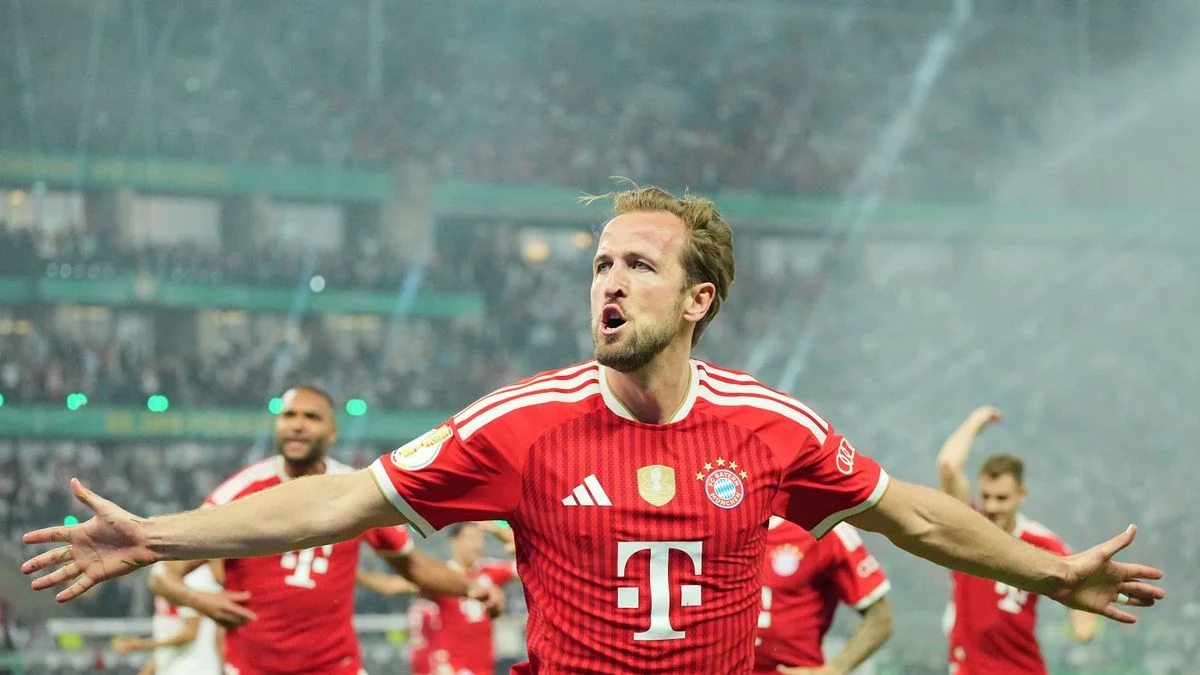
In the history of the FIFA World Cup, there are performances that define tournaments, and then there are performances that defy the very laws of physics. As the 2026 World Cup progresses, the footballing world is still reeling from the events of the latest Group Stage fixture, where Germany—a perennial titan of the sport—found itself not just challenged, but clinically dismantled by a masterclass in goalkeeping.
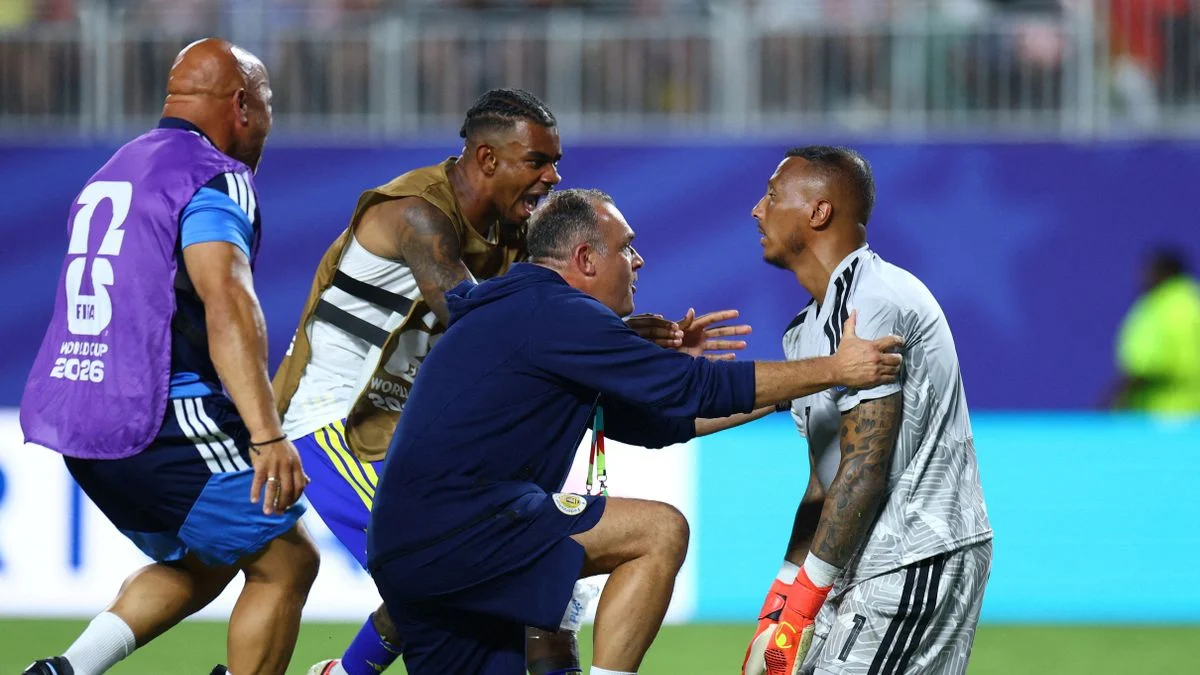
The protagonist of this historic narrative is not a household name from the Bundesliga or the Premier League, but Eloy Room, the veteran shot-stopper representing the tiny island nation of Curaçao. In a performance that will be studied by coaching academies for decades, Room’s 15 saves did more than just frustrate the German attack; they inadvertently paved the way for Germany’s early qualification for the knockout stages. While the result was technically a draw, the tactical fallout has reshaped the landscape of Group F.
Main Facts: The Statistical Anomaly
The match statistics from the encounter provide a sobering look at what can happen when individual brilliance meets tactical frustration. Germany entered the match as overwhelming favorites, boasting a possession rate of 72% and a total of 24 shots on goal. Under normal circumstances, such dominance yields a multi-goal victory. However, Eloy Room turned the pitch into his personal fortress.
- Total Saves: 15 (a record for a single World Cup match in the 21st century).
- Expected Goals (xG) Faced: 4.12.
- Result: 0-0.
- The Consequence: Because of the complex permutations of the 2026 expanded format, the point gained by Curaçao, combined with a surprise result in the parallel match between Japan and Mexico, mathematically confirmed Germany’s status as group winners with one game to spare.
The "Room Wall," as it has been dubbed by international media, represents the highest number of saves by a goalkeeper since the data-tracking era of FIFA began. Every angle, from low-driven strikes by Jamal Musiala to clinical headers from Niclas Füllkrug, was neutralized by the 37-year-old goalkeeper.
Chronology: A 90-Minute Siege
The Opening Salvo (0’–30′)
From the opening whistle, Germany signaled their intent to secure an early lead. The tactical setup was aggressive, utilizing high wing-backs to stretch the Curaçao defense. By the 15th minute, Germany had already forced Room into three significant interventions. The crowd in the stadium sensed an early blowout, but the composure displayed by the Curaçao backline—anchored by Room’s vocal organization—suggested otherwise.
The Mid-Match Frustration (31’–60′)
As the game progressed into the second half, the atmosphere shifted. Germany’s players began to force shots from distance, a clear symptom of psychological fatigue. Room’s agility, particularly in a diving save to deny a curling effort from Florian Wirtz, became the defining image of the hour. By the 60th minute, the German bench was visibly agitated, as the expected dominance turned into a desperate hunt for a breakthrough that simply would not come.
The Final Resistance (61’–90+5′)
In the final half-hour, the "Room Effect" was in full swing. With the German team pushing all ten outfield players into the final third, Curaçao sat in a low block, leaving their keeper isolated against world-class finishers. Room saved two point-blank headers and a deflected shot that required a reaction speed of 0.2 seconds. When the final whistle blew, the stadium erupted—not for the favorite, but for the man who had kept the giants at bay.
Supporting Data: Analyzing the "Room Wall"
To understand the magnitude of this feat, one must look at the efficiency of Eloy Room’s performance compared to his peers. According to advanced metrics provided by Opta and FIFA’s high-performance center, Room’s "Goals Prevented" metric reached a staggering +3.8.
| Metric | Eloy Room vs. Germany | Tournament Average (Goalkeepers) |
|---|---|---|
| Shots on Target Faced | 15 | 4.2 |
| Save Percentage | 100% | 71% |
| Crosses Claimed | 8 | 2.5 |
| Distribution Accuracy | 84% | 76% |
The data indicates that this was not merely a case of "lucky" positioning. Room successfully anticipated the trajectory of 80% of Germany’s high-velocity shots. His positioning during set pieces, where he consistently crowded the six-yard box, mitigated the threat of Germany’s aerial bombardment, forcing the Germans to play into his hands rather than around him.
Official Responses: A Mix of Awe and Humility
The German Perspective
German head coach Julian Nagelsmann was characteristically blunt in his post-match press conference. "You can prepare for everything in football—tactics, fitness, psychological pressure. But you cannot prepare for a goalkeeper who decides he will not be beaten, regardless of the quality of the shot. We created enough to win three games today. I have to tip my hat to Mr. Room; it was, quite frankly, the performance of a lifetime."
The Curaçao Perspective
Eloy Room, who spent the majority of his career in the MLS and the Eredivisie, remained remarkably humble during his post-match interview. "I don’t know how to explain it. You just go into a flow state. You don’t see the crowd, you don’t hear the noise. You just see the ball. Today, the ball looked like a beach ball to me. I knew my country was watching, and I knew we needed this point for our pride. That’s all that mattered."
FIFA’s Technical Study Group
The FIFA Technical Study Group issued a preliminary report highlighting the match as a "masterclass in defensive structural integrity." The report noted that while Germany’s offensive output was high, their lack of variety in the final third allowed Room to settle into a rhythm. "When a keeper is allowed to predict the shot selection due to a lack of tactical variation from the attackers, they become nearly impossible to beat," the report stated.
Implications: A New Path for the Knockout Stages
Germany’s progression to the Round of 16 as group winners despite the draw has created a unique ripple effect in the tournament bracket.
The German Tactical Reset
For Germany, the implication is clear: the reliance on pure offensive volume is not enough against "park-the-bus" strategies. Nagelsmann will likely spend the days leading up to the Round of 16 focusing on unlocking low-block defenses through vertical passing and increased movement from the number 9 position. The team is now forced to introspect on whether their system is too rigid when the initial plan A fails.
The Rise of the Underdog
The success of Curaçao—even in a draw—serves as a massive morale boost for smaller footballing nations. The match has become a rallying cry for the "expansion era" of the World Cup. It proves that with the right defensive discipline and a world-class performance between the sticks, the traditional hierarchy of international football is not as impenetrable as it once seemed.
The "Room" Factor in the Transfer Market
Already, rumors are circulating about European clubs looking to secure the veteran keeper’s services for the upcoming season. While his age may be a factor for top-tier Champions League clubs, his performance has undeniably increased his market value and cemented his legacy in the annals of Caribbean football.
Conclusion: A Game for the Ages
Football is often described as a game of inches, but on this night, it was a game of millimeters. The gap between a goal and a save is infinitesimal, and Eloy Room lived in that gap for ninety minutes.
While Germany looks ahead to the knockout stages with the comfort of having already secured their spot, they do so with a newfound respect for the underdog. The miracle of Curaçao has reminded us that the World Cup is not merely a stage for the favorites to dominate; it is a stage where, on any given day, an individual can rise above the collective and write their name into history. As the tournament continues, the ghost of this match—and the sight of a keeper diving across his goal to deny the world’s best—will undoubtedly linger in the minds of every team left in the competition.
For the fans, the neutrals, and the pundits, this match was a reminder of why we watch. We watch for the unexpected. We watch for the moments where the script is thrown out the window, and for the nights when one man, standing alone in front of a net, can hold the weight of an entire nation on his shoulders.