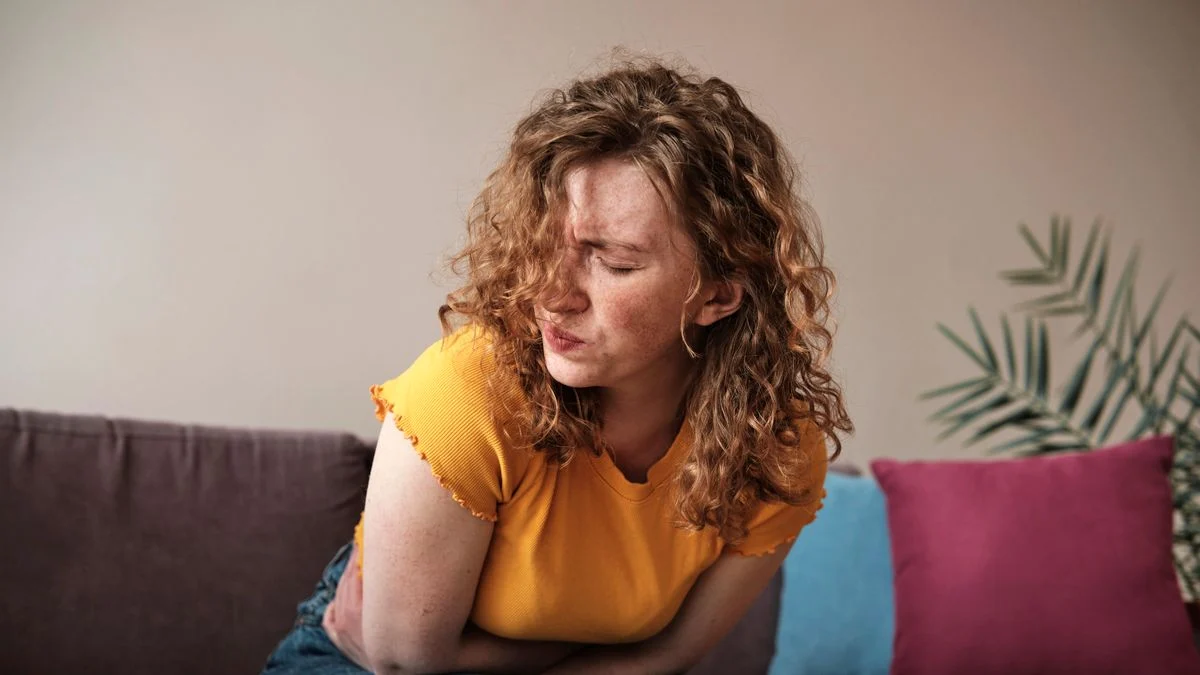
For millions of people worldwide, the morning begins not with a stretch, but with a sharp, familiar ache in the lower back. Chronic lower back pain is a modern epidemic, frequently topping the lists of causes for workplace absenteeism and long-term disability. As the medical community struggles to find universal solutions for this complex condition, many patients have turned away from conventional pharmacological approaches, seeking relief in the holistic, hands-on world of osteopathy.
However, a new, sobering evidence report from the IGeL-Monitor—the portal of the Medical Service of the Federal Association (MD Bund) in Germany—has placed this popular alternative practice under a harsh scientific spotlight. The findings suggest that the therapeutic promises of osteopathy may be built more on patient perception than on measurable clinical efficacy.
The Main Facts: A Disappointing Scientific Verdict
The IGeL-Monitor, which evaluates "Individual Health Services" (IGeL) according to rigorous, evidence-based medical standards, has issued a comprehensive analysis regarding the use of osteopathy for lower back pain. The core conclusion is stark: there is no robust scientific evidence to support the claim that osteopathy provides a therapeutic benefit superior to standard care or even, crucially, to placebo interventions.
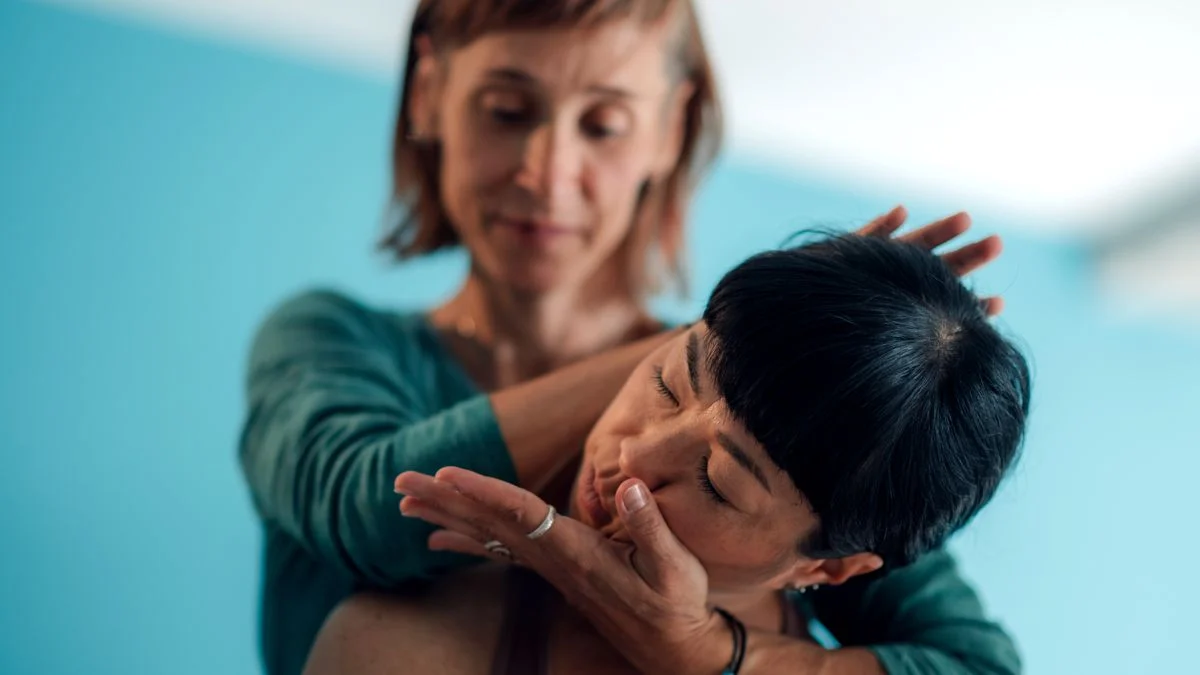
Osteopathy, which typically involves manual manipulation of muscles, fascia, and joints, is often marketed as a comprehensive system of diagnosis and treatment. Yet, the experts behind the report found that while some individual, smaller studies reported improvements in pain levels or mobility, these trials were characterized by significant methodological flaws. When the researchers filtered for high-quality, large-scale studies, the "osteopathic advantage" simply evaporated.
Furthermore, the report highlights the potential for "publication bias"—a phenomenon where studies with negative results remain in the proverbial desk drawer, while only positive findings are published. This skew creates a distorted landscape where the perceived efficacy of a treatment appears far greater than the objective reality.
A Brief History: From Frontier Medicine to Modern Controversy
To understand the current debate, one must look back to the late 19th century. Osteopathy was founded by Andrew Taylor Still, an American physician who sought to revolutionize medicine by focusing on the relationship between the body’s structure and its function. Still believed that by correcting mechanical imbalances in the musculoskeletal system, one could restore the body’s innate ability to heal itself.

- 1874: Andrew Taylor Still officially "discovers" osteopathy in Kansas, USA, promoting it as a drug-free alternative to the often-dangerous medical practices of the era.
- 1900s–1950s: The profession gains a foothold in the United States, eventually integrating with conventional medical education to create the Doctor of Osteopathic Medicine (DO) degree, which is functionally equivalent to an MD.
- Late 20th Century: The practice spreads to Europe and beyond, often diverging into different "streams." While some practitioners integrate with modern physical therapy, others maintain traditional, more esoteric theories that remain highly controversial.
- 2026: The current IGeL-Monitor report serves as a modern watershed moment, forcing a critical re-evaluation of the practice’s role in public health systems.
Supporting Data: The Evidence Gap
The scientific frustration regarding osteopathy stems from the difficulty of blinding participants. In drug trials, a placebo pill is easy to manufacture; in manual therapy, the act of touch itself carries psychological weight.
According to the new analysis, when osteopathic techniques are compared to "sham" treatments—where a practitioner performs a similar, non-therapeutic touch protocol—the clinical differences are statistically negligible. The report indicates that the most reliable, high-quality studies suggest that any improvement reported by patients is likely due to the "placebo effect" or the natural course of recovery, rather than the specific osteopathic techniques themselves.
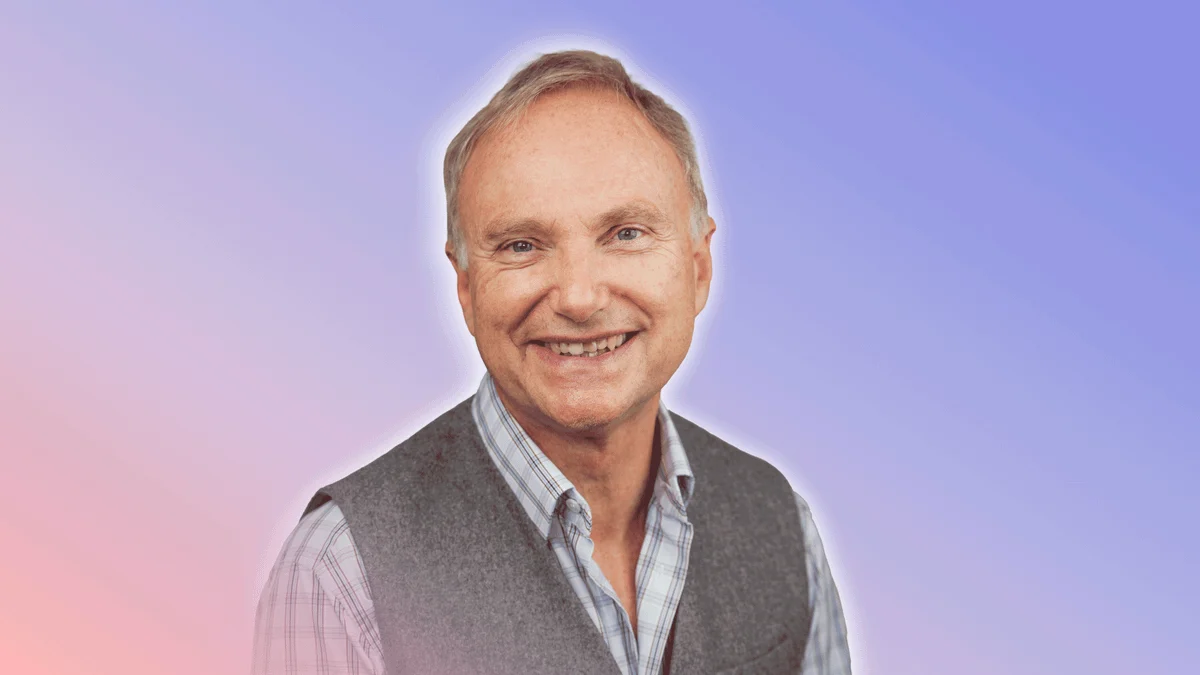
Daniel Belavy, a professor in the Department of Physiotherapy at the Bochum University of Applied Sciences, expressed deep skepticism regarding the utility of the practice. "Given the totality of the evidence, we should have concluded that osteopathy is no more effective than sham or placebo treatments," Belavy noted in comments provided to the Science Media Center. "At best, it has a small, clinically insignificant effect."
Official Responses and Professional Perspectives
The discourse surrounding the report is divided between those who view the results as a "death knell" for the practice and those who see them as an indictment of current research standards.
The Critics: No Place in Public Funding
Professor Belavy and other critics argue that the lack of empirical evidence should have direct policy consequences. "While osteopathy might appeal to those who feel unheard or misunderstood by conventional medicine, based on the current evidence, it should not be supported by statutory or private health insurance," Belavy asserts. A major point of contention in Germany and several other countries is the lack of a state-regulated, standardized curriculum. Without uniform quality control, the "osteopathy" a patient receives can vary wildly from one practitioner to the next.
The Nuanced View: The Value of the Therapeutic Relationship
Conversely, researchers like Lucia Gassner, a Senior Researcher at the Austrian Institute for Health Technology Assessment, argue that the report’s findings should not be interpreted as a blanket dismissal of the practice’s worth in a real-world setting.

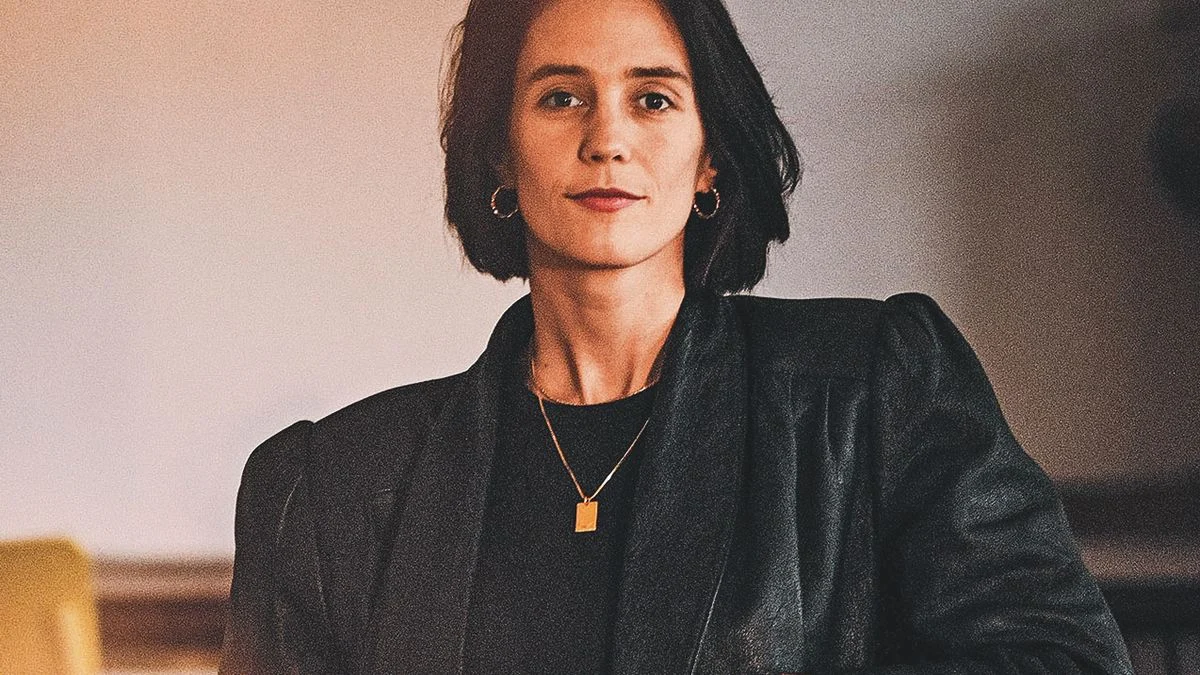
"The results do not necessarily mean that osteopathy is useless in everyday care," Gassner explains. "Human elements such as focused attention, the therapeutic relationship, and the patient’s positive expectations can provide real, measurable benefits." For patients suffering from chronic pain, where the psychological component is often inextricably linked to the physical sensation, the time and empathy provided by an osteopath can be a significant—if indirect—therapeutic intervention.
Implications for Patients and Policy
The "uncomfortable constellation," as Gassner calls it, leaves policymakers and patients in a difficult position. On one hand, the scientific community is calling for a move toward evidence-based medicine that excludes practices without clear, reproducible outcomes. On the other, the demand from patients for "whole-person" care continues to grow.
The Future of Research
The IGeL-Monitor report ultimately concludes that the primary failure of the current system is an "evidence gap." To resolve the controversy, experts are calling for:
- Publicly funded, industry-independent research: Removing the financial bias inherent in schools or clinics that benefit from the promotion of osteopathy.
- Standardization: Moving toward a clear, internationally recognized definition of what constitutes an osteopathic intervention.
- Transparency: Ensuring that patients are fully informed that the current scientific evidence for osteopathy in treating back pain is weak or non-existent.
A Path Forward
For the millions of patients seeking relief from chronic back pain, the message of this report is a call for critical thinking. While the human touch and a supportive therapeutic environment are undeniably valuable in the healing process, they are not a substitute for rigorous medical diagnosis.
As the medical field continues to evolve, the challenge lies in separating the "healer’s art"—the genuine, positive influence of the therapeutic relationship—from the pseudoscientific explanations sometimes used to justify manual procedures. Until then, patients should approach osteopathy with a healthy dose of skepticism, ensuring that it acts as a complement to, rather than a replacement for, evidence-based clinical care. The path to a pain-free back remains complex, and for now, the evidence suggests that the solution is more likely to be found in robust, standardized physiotherapy and active lifestyle changes than in the hands of the traditional osteopath.