


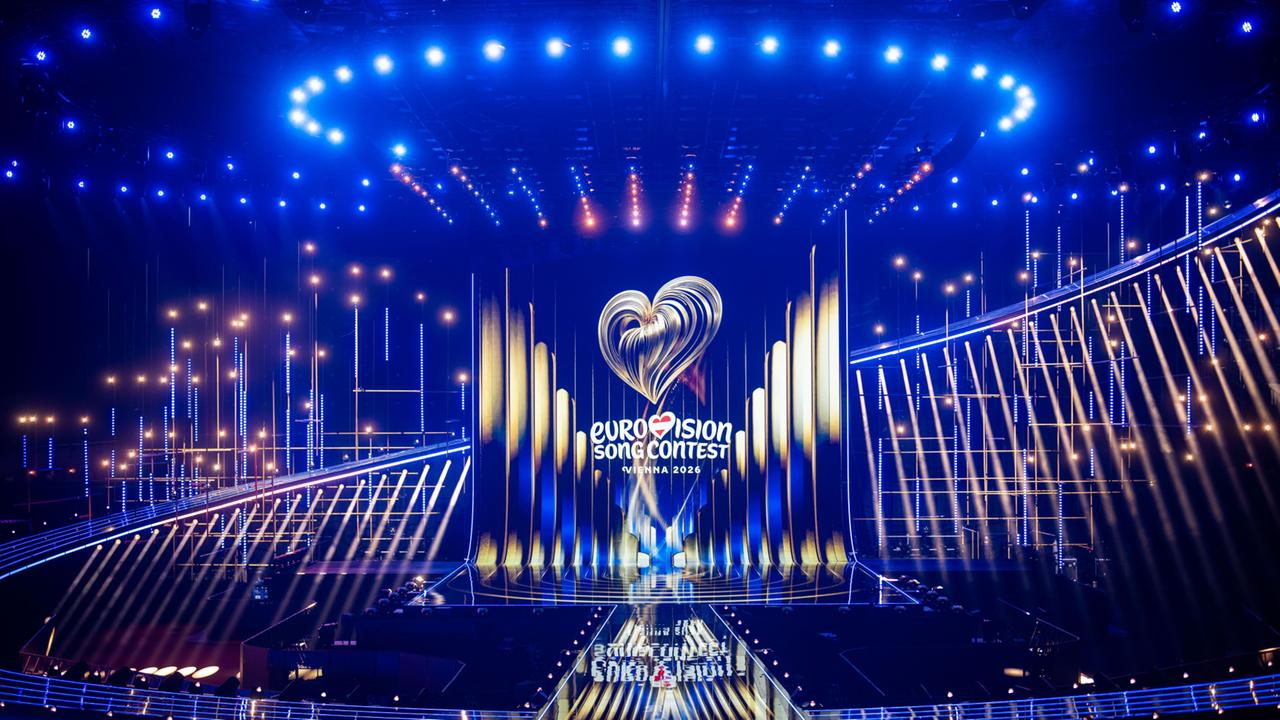
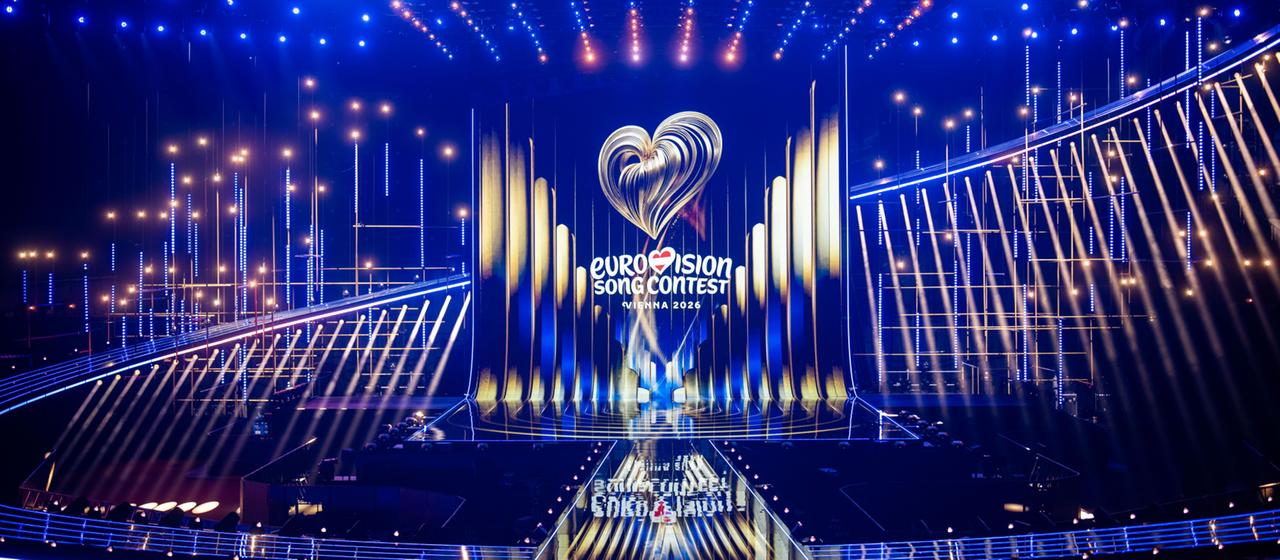
VIENNA – The grand stage in Vienna is finally set. Following the official opening ceremony on May 11, 2026, the Eurovision Song Contest has commenced its annual spectacle, marking the beginning of a week-long celebration of music, culture, and high-pressure competition. As the world turns its gaze toward the Austrian capital, the atmosphere is a volatile cocktail of traditional stage glamour and the modern, relentless scrutiny of the internet age.
With the semifinals scheduled to begin this Tuesday and the grand finale slated for Saturday, the air in Vienna is thick with anticipation. However, for the artists involved, the contest has been a grueling, months-long marathon played out in the digital sphere, where fan reaction videos, artificial intelligence, and social media commentary have created a pre-contest climate unlike any in the event’s history.
The Digital Arena: A New Era of Pre-Contest Scrutiny
In previous decades, the "Eurovision bubble" was contained within the host city’s press center. Today, the contest lives permanently online. Months before the first rehearsal in Vienna, the Eurovision community was already in full swing, with YouTube creators and "reaction channels" dissecting every leaked clip, snippet, and music video.
This digital ecosystem has become the primary battleground for narrative control. Fans from across the globe provide real-time feedback, creating a "hype cycle" that can elevate an underdog or destroy a frontrunner before they ever step onto the live stage. For participants like Germany’s Sarah Engels, this has been a double-edged sword. While international fans—such as vocal critics in Malta—have praised her soulful voice and performance aesthetic, the domestic reception in Germany has been notably more cynical.
Chronology of the 2026 Journey
- February 2026: National selections conclude across Europe, finalizing the list of 37 competing acts.
- March 2026: The official music videos are released. YouTube reaction culture hits a fever pitch, with thousands of fan-led analyses shaping the initial betting odds.
- April 2026: AI-generated remixes and mashups of popular entries, most notably Bulgaria’s "Bangaranga," begin trending globally, changing the viral trajectory of the songs.
- May 11, 2026: Official opening ceremony in Vienna. The contest begins.
- May 12–14, 2026: The two-part semifinal stage.
- May 16, 2026: The Grand Finale, where the 2026 champion will be crowned.
The "German Dilemma" and the Weight of Expectation
The discourse surrounding the German entry, Sarah Engels, serves as a poignant case study of modern national participation. While international reaction videos highlight her strong vocal performance, the German domestic press and social media have been harsh. Critics have labeled her entry as a "generic pop song," drawing unflattering comparisons to Cyprus’s 2018 hit "Fuego."
Engels, however, has taken a proactive, if unconventional, approach to the vitriol. In a bold move, she turned the negative comments directed at her on social media into a satirical song. Singing lines like, "Zero points as always, this is going to be embarrassing," she confronted the hate head-on.
"I think this kind of criticism is deeply embedded in our German DNA," Engels remarked during a press conference in Vienna. "We need to learn to support one another and actually feel a sense of pride in our own representatives. I won’t let the negativity cloud my focus." Her ability to weaponize mockery has earned her respect, if not necessarily a high rank in the betting markets.
Data and Trends: Who Holds the Edge?
According to the current data aggregation from major European betting agencies and social media sentiment analysis, the field is clearly defined. The consensus favorite is Finland, represented by the dynamic duo of Linda Lampenius and Pete Parkkonen. Their entry is currently the statistical leader, characterized by high production value and a strong performance narrative that has captured both the jury-voting demographics and the popular vote.
"We are incredibly motivated," Parkkonen stated during a recent media briefing. "The pressure is a privilege. We are looking to refine our performance every single day to ensure that by the time we hit the stage on Saturday, we are delivering something truly memorable."
Meanwhile, a viral sensation has emerged from an unlikely source: Bulgaria’s Dara. Her song, "Bangaranga," has transcended the traditional Eurovision format, largely due to the internet’s obsession with it. The song has been the subject of an unprecedented wave of AI-generated content, with fans creating versions of the track in styles ranging from traditional flamenco and Arabic folk to industrial heavy metal.
"It is absolutely wild to see what people are doing with the song," Dara said. "When I wrote ‘Bangaranga,’ it was about that inner feeling that everything is going to be alright. To see the world reinterpret that in a thousand different ways is the best reward an artist could ask for."
Official Responses and Organizational Challenges
The European Broadcasting Union (EBU) has acknowledged the unique challenges posed by the 2026 edition. With the rise of AI-generated content and the intensity of online discourse, organizers have been forced to implement stricter moderation protocols to protect artists from coordinated online harassment.
"The digital age brings visibility, but it also brings toxicity," an EBU spokesperson noted. "Our goal is to ensure that the stage remains a place of unity, regardless of what the algorithms or the trolls might say."
Logistically, Vienna has been praised for its seamless organization. The venue, which underwent significant technological upgrades, is designed to handle the complex, high-definition broadcast requirements of a modern Eurovision production. Security remains a top priority, with the Austrian government coordinating closely with international intelligence agencies to ensure a safe environment for the thousands of fans descending upon the city.
Implications for the Future of Eurovision
The 2026 contest represents a turning point for the Eurovision brand. The integration of AI, the dominance of reaction-culture, and the shifting dynamics of national pride are all indicators of a broader cultural shift.
If Finland wins, it will validate the current trend of polished, high-energy pop performances that resonate across digital platforms. If an outsider like Bulgaria manages to leverage its viral "Bangaranga" phenomenon into a top-three finish, it will signal that the future of Eurovision is not just about the stage show, but about the "remixability" and viral potential of the music itself.
For Germany, the stakes are existential. After years of poor finishes and domestic dissatisfaction, the country is looking for a path forward. Whether or not Engels achieves a high score, her interaction with the public highlights a critical need for a new relationship between the German public and their Eurovision entries.
As the semifinals approach, the focus will shift from the internet back to the live stage. The lights will dim, the music will swell, and for three minutes at a time, the noise of the internet will be replaced by the roar of the arena. In Vienna, the music is the message, and for the next few days, the world will be listening.















Leave a Reply