


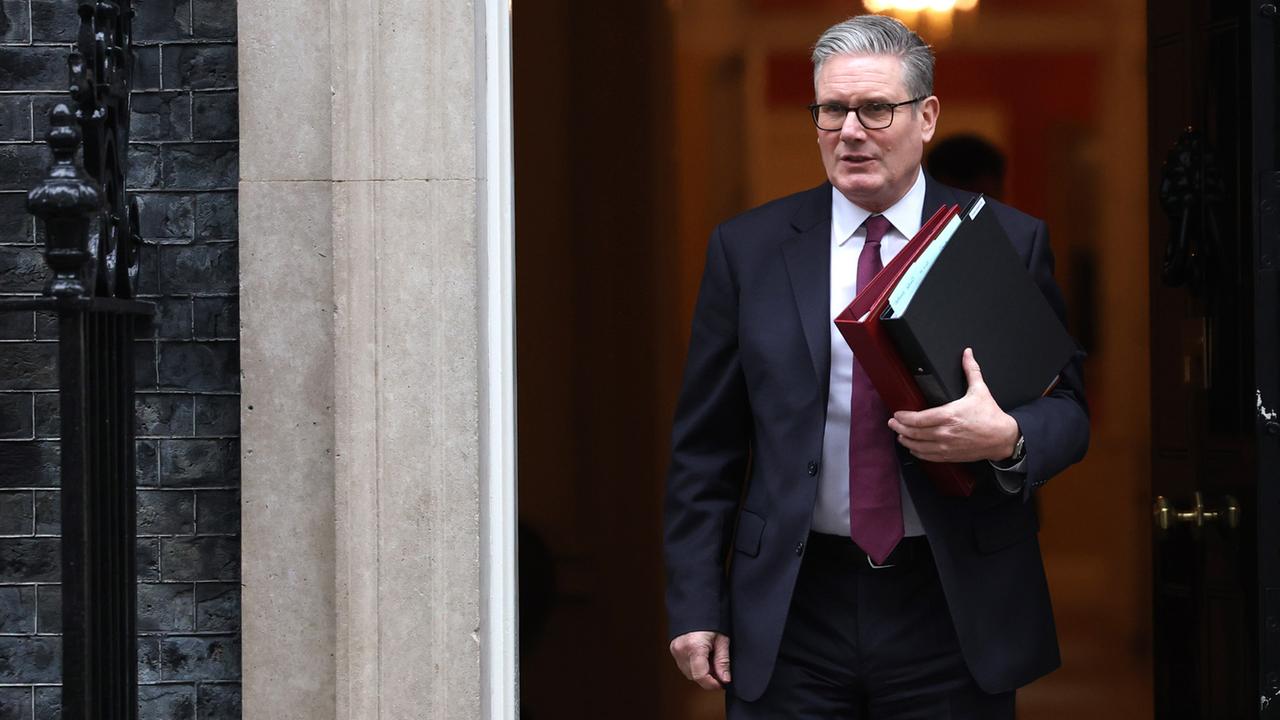
London, UK – May 12, 2026 – British Prime Minister and Labour Party leader, Keir Starmer, has publicly declared his intention to remain in office, despite mounting pressure and significant calls for his resignation following a disappointing performance by his party in recent local and regional elections. The electoral results, widely described as disastrous, have sent shockwaves through the Labour Party, igniting internal dissent and prompting a wave of criticism from within its own ranks.
Starmer, addressing a cabinet meeting on Tuesday, acknowledged his responsibility for the party’s electoral defeat. However, he simultaneously asserted his commitment to fulfilling the promises made to voters and to continue the work of governing the nation. The Prime Minister’s defiant stance comes after a period of intense scrutiny and speculation about his leadership, with numerous backbenchers and some prominent figures within the party publicly demanding his departure.
Main Facts: Starmer’s Unwavering Resolve
In a significant display of resolve, Prime Minister Keir Starmer has firmly rejected calls for his resignation following Labour’s poor showing in the recent local and regional elections. Speaking to his cabinet, Starmer acknowledged his accountability for the electoral setback, stating, "I accept responsibility for the results." However, he swiftly pivoted to emphasize his duty to the electorate and the ongoing mandate of his government.
"The country expects us to continue our work of government," Starmer declared, framing his continued leadership as a necessity for national stability and progress. He explicitly stated that the formal party procedures for removing a leader had not been initiated, underscoring his intent to see out his term. This firm assertion of his position seeks to quell the growing dissent within the Labour Party and project an image of unwavering leadership in the face of adversity.
The Prime Minister’s remarks were followed by a seemingly unified front presented by his cabinet ministers. Reports from the meeting suggest that no minister directly challenged Starmer’s leadership, providing him with crucial backing at a critical juncture. This apparent solidarity is a key factor in Starmer’s ability to weather the current storm, though the long-term implications for party unity remain to be seen.
Chronology of Events: A Party Under Pressure
The pressure on Keir Starmer began to mount immediately following the release of the election results. The scale of Labour’s losses in key local and regional contests painted a grim picture of the party’s electoral standing. This electoral disappointment quickly translated into internal turmoil.
Early Signs of Discontent: Within days of the election results, whispers of discontent within the Labour Party began to surface. Backbench MPs, disheartened by the poor performance, started to voice their concerns privately.
The First Resignation: The situation escalated with the resignation of Miatta Fahnbulleh, the Minister of State for Housing, Communities, and Local Government. Fahnbulleh’s departure was a significant blow, as she publicly urged Starmer to "do the right thing for the country" and to set a timeline for his own resignation. Her statement marked a public break from the party leadership and amplified the calls for Starmer’s exit.
Widespread Calls for Resignation: Following Fahnbulleh’s resignation, the number of Labour MPs publicly calling for Starmer to step down surged. Reports indicated that over 70 of the party’s approximately 400 Members of Parliament had urged Starmer to announce a timetable for his resignation. This widespread dissent from the parliamentary party represents a significant challenge to Starmer’s authority.
Cabinet Meeting and Show of Support: In response to the growing crisis, Starmer convened a cabinet meeting. The primary objective of this meeting appeared to be a demonstration of unity and a show of support for the embattled Prime Minister. Ministerial statements following the meeting emphasized Starmer’s steadfast leadership and the cabinet’s collective backing.
Labour Party Rules for Leadership Change: Understanding the internal dynamics of the Labour Party is crucial. According to party rules, a leadership challenge requires a candidate to secure the support of at least one-fifth of Labour MPs in the House of Commons, currently translating to 81 MPs. Following this initial threshold, the party membership would then decide on the new leader. This procedural hurdle, while significant, does not preclude a challenge if the required support is garnered.
Supporting Data: The Electoral Reality
The electoral landscape that has plunged Labour into this crisis is stark. While specific vote share percentages and seat counts are crucial for a detailed analysis, the overarching narrative from the recent local and regional elections has been one of significant Labour losses across various regions. These results suggest a deep-seated dissatisfaction among the electorate with the party’s current direction and appeal.
The failure to translate public sentiment into electoral gains, particularly in areas that have historically been Labour strongholds, raises fundamental questions about the party’s strategy and its ability to connect with a broad spectrum of voters. Analysts point to a potential disconnect between the party’s platform and the concerns of key demographics, necessitating a thorough re-evaluation of its electoral approach.
The specific details of the electoral performance – including the number of seats lost, the swing against Labour in different regions, and the performance of individual candidates – will be subject to intense post-election analysis. However, the immediate aftermath has been dominated by the political fallout and the leadership crisis it has triggered.
Official Responses and Political Maneuvers
The response from within the Labour Party leadership has been characterized by a dual strategy: acknowledging the electoral pain while projecting resilience.
Prime Minister Keir Starmer’s Position: As outlined, Starmer’s public statements have been a blend of responsibility and determination. He has not shied away from the fact that the election results were poor, but he has framed his continued leadership as essential for delivering on his promises and for the nation’s stability. His strategy appears to be to outlast the immediate wave of dissent and to refocus the party on its governing agenda.
Cabinet Ministers’ Support: The reported solidarity within the cabinet is a significant tactical win for Starmer. Ministers like Pat McFadden (Work and Pensions Secretary) and Peter Kyle (Business and Trade Secretary) have publicly voiced their support, describing Starmer’s leadership as "steadfast" and emphasizing his strength. These public endorsements are crucial in signaling to the party and the public that the leadership team remains united, at least outwardly.
The Role of the Party Machinery: The Labour Party’s internal rules for leadership changes are a significant factor. The requirement for a substantial threshold of MP support before a formal contest can even begin provides a degree of protection for the incumbent leader. However, the fact that over 70 MPs have already signaled their discontent suggests that this threshold could potentially be met if the pressure continues to build.
Potential for Interim Leadership: In the event of Starmer’s resignation, the party would likely appoint an interim leader. This individual would typically be someone who is not actively seeking the permanent leadership, aiming to provide stability during a transition period. Deputy Leader David Lammy has been cited as a potential figure for such a role, given his experience and standing within the party.
Implications and Future Outlook
The current political crisis within the Labour Party has far-reaching implications, not only for the party’s internal dynamics but also for the broader UK political landscape.
Party Unity and Cohesion: The most immediate implication is the strain on party unity. The public dissent and calls for resignation have exposed deep divisions within Labour. Starmer’s ability to heal these rifts and reassert his authority will be critical for the party’s future electoral prospects. A prolonged period of internal infighting could significantly weaken Labour’s position ahead of the next general election.
Electoral Strategy and Public Perception: The electoral results serve as a stark warning. Labour must critically assess why it failed to win over voters. This will likely involve a re-evaluation of its policy platform, its communication strategies, and its ability to appeal to a diverse electorate. The perception of leadership instability can also negatively impact public trust and confidence in the party.
The Next General Election: The current turmoil raises questions about Labour’s preparedness for the next general election. A divided party with a leader under pressure is unlikely to present a compelling alternative government. The coming months will be crucial in determining whether Starmer can navigate this crisis and re-establish Labour as a credible force capable of challenging the incumbent government.
Potential for Leadership Challenge: While Starmer has shown a firm resolve to stay, the significant number of MPs calling for his resignation indicates that the threat of a leadership challenge remains real. If the pressure continues to mount, and if more prominent figures within the party join the calls for his departure, a formal challenge could become inevitable.
Impact on Governance: As Prime Minister, Starmer’s focus must remain on governing the country. However, the internal pressures and the constant scrutiny of his leadership could divert attention and resources from crucial policy initiatives and parliamentary business. The ability of his government to function effectively amidst this internal turmoil will be closely watched.
In conclusion, Keir Starmer’s decision to defy calls for his resignation marks a pivotal moment for the Labour Party. His ability to rally support, address the underlying reasons for the electoral setback, and unite his party will ultimately determine his future as leader and Labour’s prospects for regaining power. The coming weeks and months are likely to be a period of intense political maneuvering and introspection for the party.





Leave a Reply