In an era of global travel, cruise ships represent a unique intersection of luxury and vulnerability. A recent, highly unusual infection incident aboard the expedition vessel Hondius has once again cast a spotlight on the precarious nature of maritime health, prompting experts to question the inherent risks of life on the open ocean.
For many, the cruise ship is the ultimate escape—a floating resort navigating the world’s most pristine environments. However, for a maritime physician, a cruise ship is a high-stakes epidemiological puzzle. Recent reports of a health crisis aboard the Hondius have reignited a long-standing debate: Can modern sanitation and medical protocols ever truly overcome the biological realities of bringing hundreds of people from across the globe into a confined, recirculated environment?
Dr. Schlaich, a renowned maritime physician and infection epidemiologist with two decades of experience, describes the situation as unprecedented. "An outbreak of this nature on a cruise vessel is something I have never encountered in my 20-year career," she explains. "It is a scenario I did not anticipate, even with the inherent risks of maritime travel."
The Perfect Storm: Why Ships Are Vulnerable
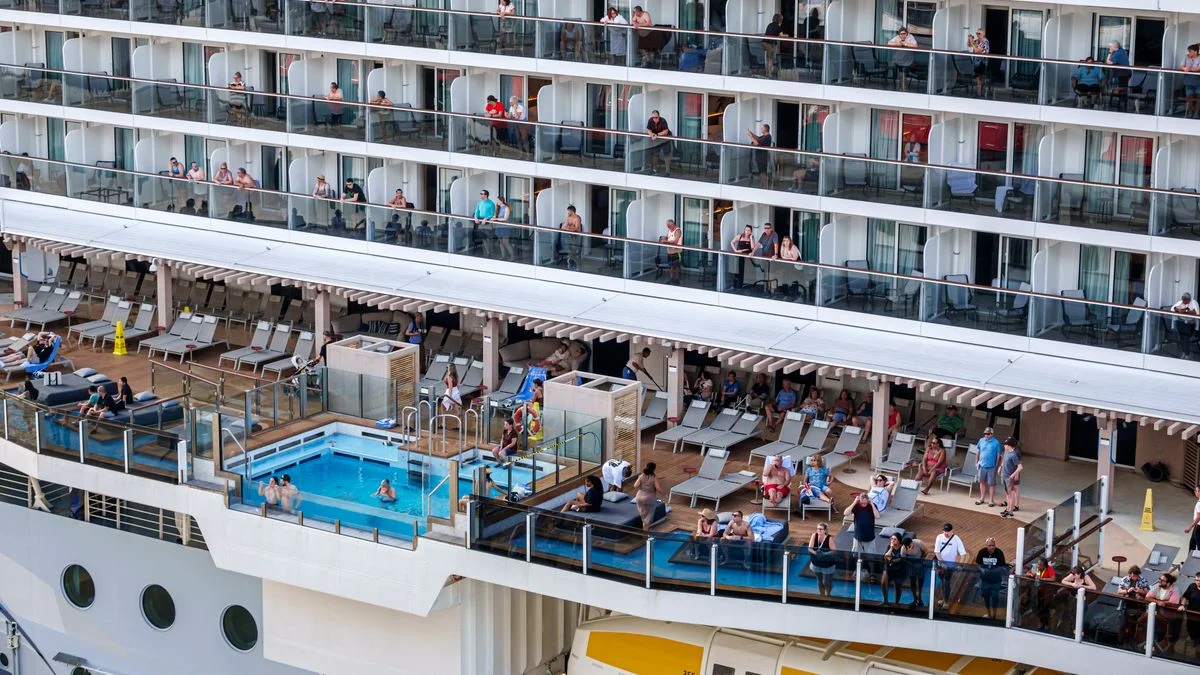
To understand the risk, one must look at the demographics and the logistics. A cruise ship, regardless of its size, is a "closed loop." Whether it is a small expedition vessel with 150 passengers or a mega-liner with 5,000, the fundamental challenges remain identical.
The Melting Pot Effect
The primary driver of infection is the human element. Passengers arrive from diverse geographic regions, bringing with them unique immunity profiles. Some may be carrying pathogens they have been exposed to in their home countries—pathogens that are harmless to them but potentially devastating to a fellow traveler from a different part of the world.
"When you bring people from the most disparate corners of the globe into such close, confined proximity, you are essentially creating an experiment in immunology," says Dr. Schlaich. "Differences in vaccination status, prior exposure to viruses, and general health baselines lead, almost inevitably, to the rapid transmission of contagious diseases."
The "Close Quarters" Problem
Cruise ships utilize centralized ventilation systems, communal dining areas, and shared recreational spaces. While modern HEPA filtration and rigorous cleaning schedules have improved significantly over the last decade, they are not foolproof. Pathogens that spread via aerosol droplets or high-touch surfaces—such as Norovirus or influenza—can bypass even the most robust hygiene protocols if a single "index case" is present.
A Chronology of Maritime Health Crises
The history of cruising is punctuated by major outbreaks, which have historically forced the industry to evolve.
- The Early Era (1990s–2000s): Norovirus was the primary concern, often dubbed the "cruise ship virus." Outbreaks were frequent and often attributed to inadequate hand hygiene among passengers and crew.
- The Pandemic Shift (2020): The Diamond Princess incident became the global benchmark for how quickly a respiratory virus (COVID-19) could overwhelm a vessel. It fundamentally changed the way cruise lines report health data and manage quarantine zones.
- The Modern Expedition Era (2023–Present): With the rise of boutique, expedition-style cruises to remote areas like the Arctic or Antarctic, the challenge has shifted. Smaller ships lack the massive medical wards of larger liners, making a sudden infection surge a logistical nightmare for emergency evacuation.
The Pathogens That Keep Physicians Awake
When asked what keeps her up at night, Dr. Schlaich is blunt. The concern isn’t necessarily rare tropical diseases, but rather the highly efficient, common pathogens that thrive in high-density populations.
1. Norovirus: The Persistent Enemy
Norovirus remains the most feared pathogen in the industry. It is notoriously difficult to eradicate, resilient to many common disinfectants, and requires only a tiny amount of viral material to infect a new host. It spreads through "fecal-oral" routes, often via handrails, buffet utensils, or shared bathroom facilities.
2. Respiratory Viruses (Influenza and Beyond)
Influenza and RSV (Respiratory Syncytial Virus) pose a massive threat because they spread through the air. In a ship’s dining hall or theater, the ventilation system can become a conduit for infection.
3. Vaccine-Preventable Diseases: Windpox and Measles
"Windpox [Varicella] is incredibly fast-spreading," notes Dr. Schlaich. "In an environment where you have elderly passengers or individuals with compromised immune systems, and especially for pregnant passengers, an outbreak of a vaccine-preventable disease is a serious medical emergency."
Official Responses and Industry Standards
Following recent incidents, the maritime industry has faced intense scrutiny. International maritime law requires ships to report gastrointestinal and respiratory outbreaks to health authorities (such as the CDC in the United States or equivalent European bodies).
The "Green Ship" Protocol
Many lines have adopted what is known as the "Green Ship" protocol, which involves:
- Enhanced Surveillance: Real-time monitoring of passenger pharmacy requests and infirmary visits.
- Proactive Quarantine: Isolating symptomatic passengers within hours of the first report.
- Advanced Air Filtration: Upgrading HVAC systems to hospital-grade standards.
However, as Dr. Schlaich suggests, technology can only do so much. "Policy and protocol are essential, but they cannot replace the biological reality of human behavior. If a passenger decides to hide symptoms to avoid missing a shore excursion, the entire system is compromised."
Implications: The Future of Expedition Cruising
The Hondius case serves as a warning for the future of expedition tourism. As more travelers seek out remote, "off-the-beaten-path" experiences, the infrastructure to handle medical crises is often miles away.
The Responsibility of the Passenger
Travelers must take a proactive role in their own safety:
- Vaccination: Ensuring all routine vaccinations (including flu and pneumococcal) are up to date before departure is the single most effective defense.
- Self-Reporting: The "social contract" on a ship is vital. Passengers must understand that hiding a stomach ache or a cough to save their vacation puts the entire ship at risk.
- Hygiene Habits: Despite the ubiquity of hand sanitizer stations, proper handwashing with soap and water remains the gold standard for preventing the spread of Norovirus.
Is the Risk Manageable?
Ultimately, experts agree that while cruising will never be entirely free of risk, the frequency of major outbreaks is remarkably low given the millions of people who sail annually. The goal is not to eliminate risk—which is impossible in a social environment—but to manage it through transparency, rapid detection, and the constant improvement of medical capabilities onboard.
"We are constantly learning," says Dr. Schlaich. "Every outbreak teaches us something new about airflow, surface transmission, and human interaction. While this latest case is concerning, it serves as a necessary reminder that on the ocean, we are only as healthy as the person standing next to us."
As the industry moves forward, the integration of better point-of-care diagnostics and more robust telemedicine connections between ships and shore-based hospitals will likely define the next generation of maritime safety. For now, the message to passengers is clear: enjoy the journey, but remain vigilant. The luxury of the cruise is protected by the science of the port, and the health of the vessel is a collective responsibility.