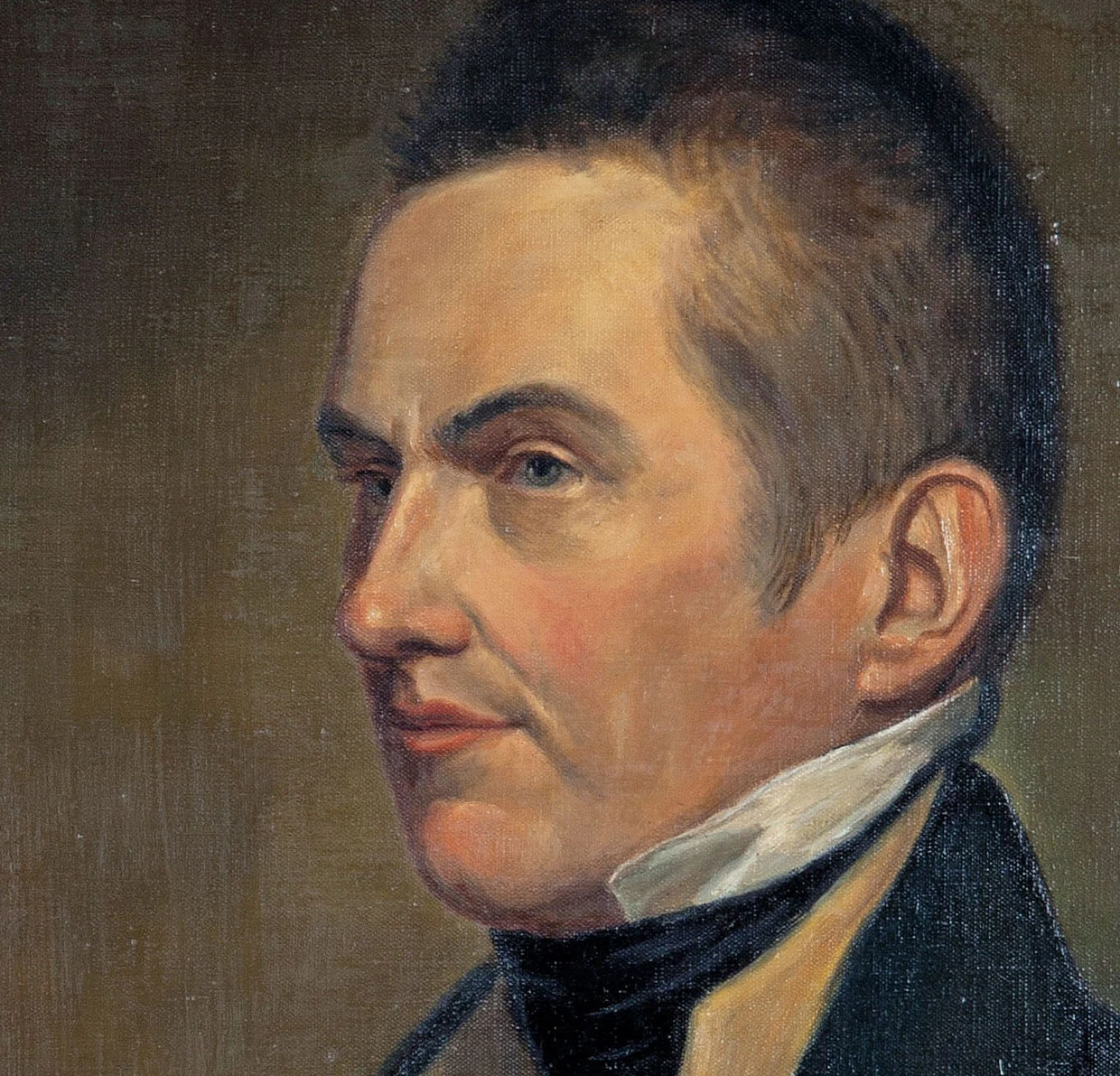
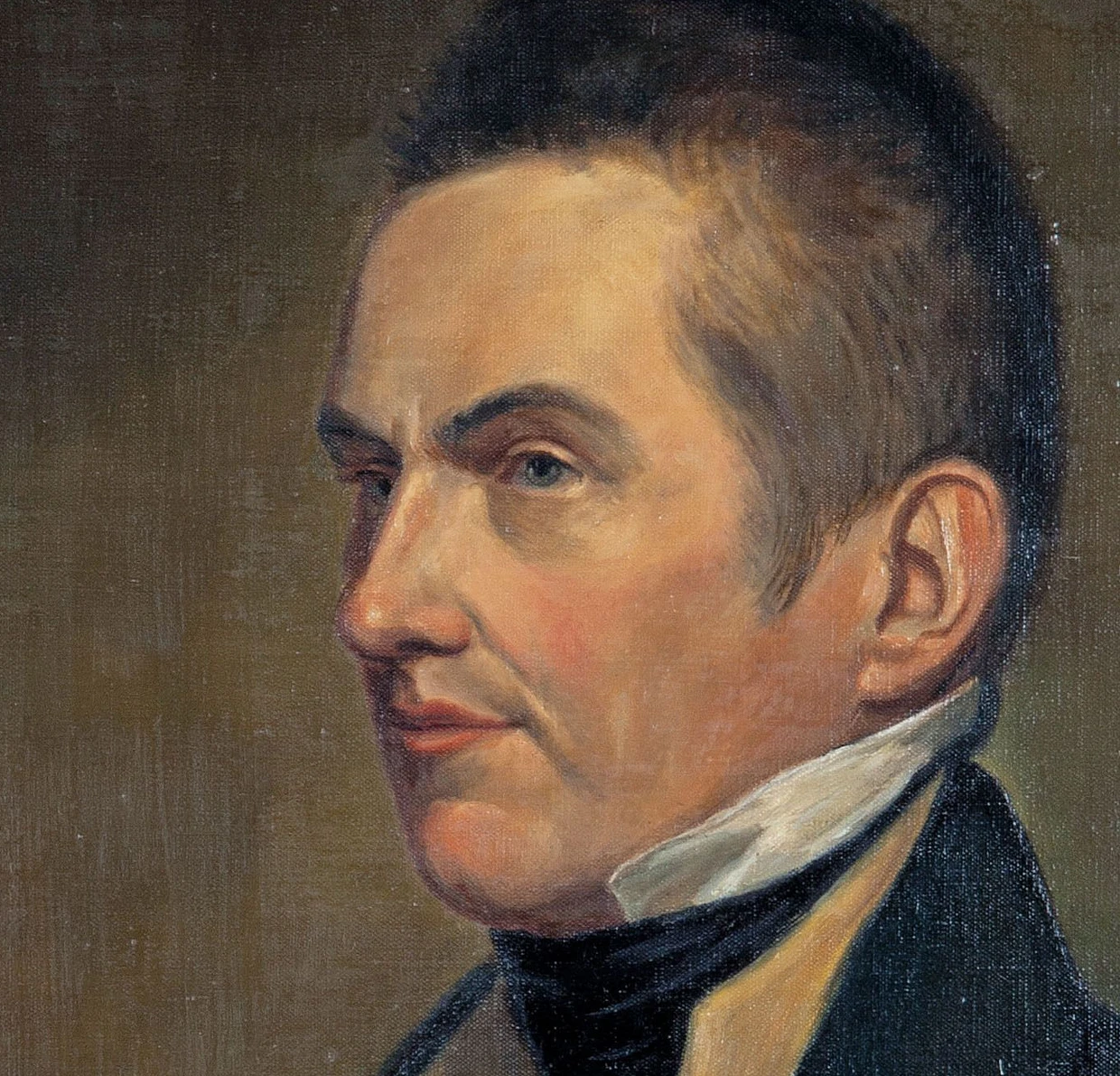
In the rolling landscapes of West Yorkshire, a unique celebration is underway. This May, locals and international visitors alike are gathering for "WallFest," a month-long festival marking the bicentennial of a monumental achievement in environmental history: the completion of a three-mile wall that transformed a private estate into Britain’s first official nature reserve. At the heart of this celebration lies the memory of Charles Waterton (1782–1865), a man whom history has often relegated to the shelf of "English eccentrics," but who, in truth, was a visionary ecologist living two centuries ahead of his time.
A Legacy of Non-Conformity
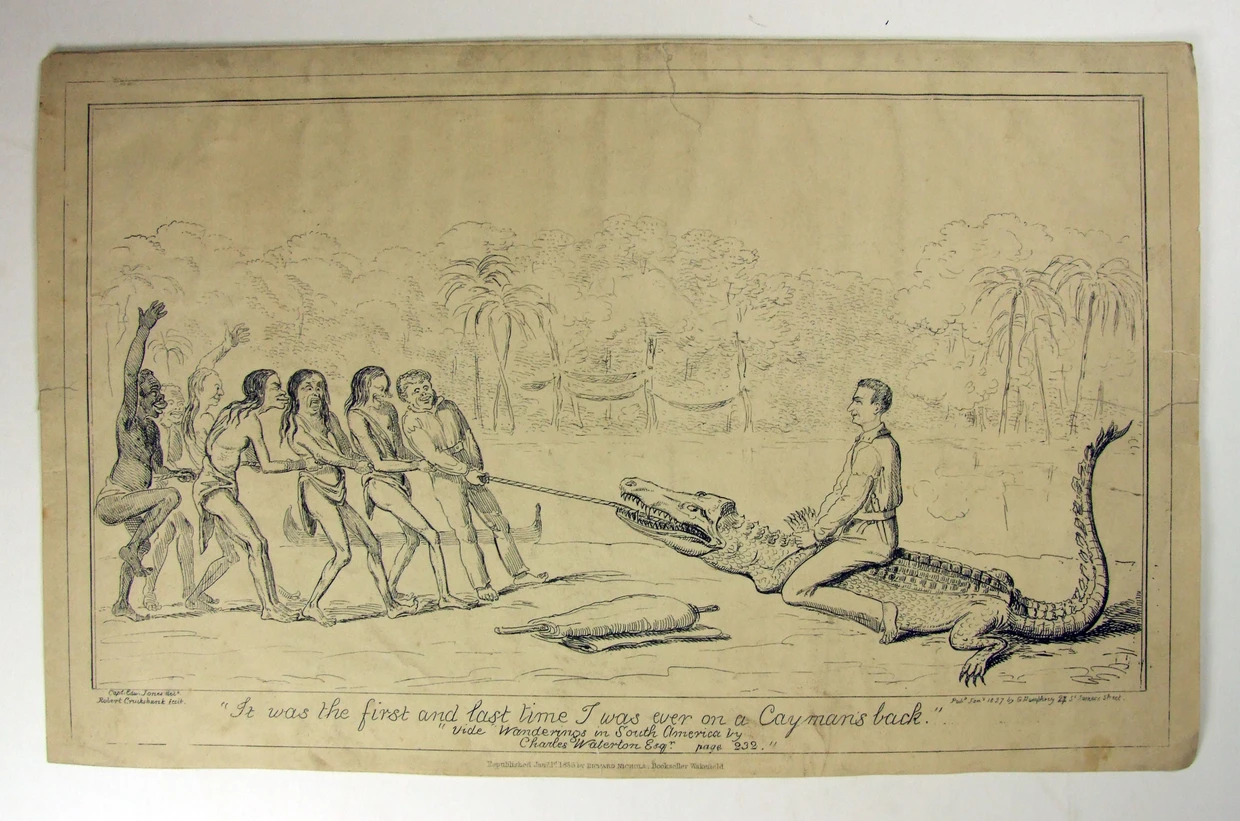
To the casual reader of Edith Sitwell’s classic English Eccentrics, Charles Waterton is a caricature—a man who rode a caiman, climbed trees with the agility of a youth well into his eighties, and drank his own blood as a bizarre prophylactic against the common cold. Yet, to view him only through the lens of Victorian oddity is to miss the profound brilliance of his life’s work.
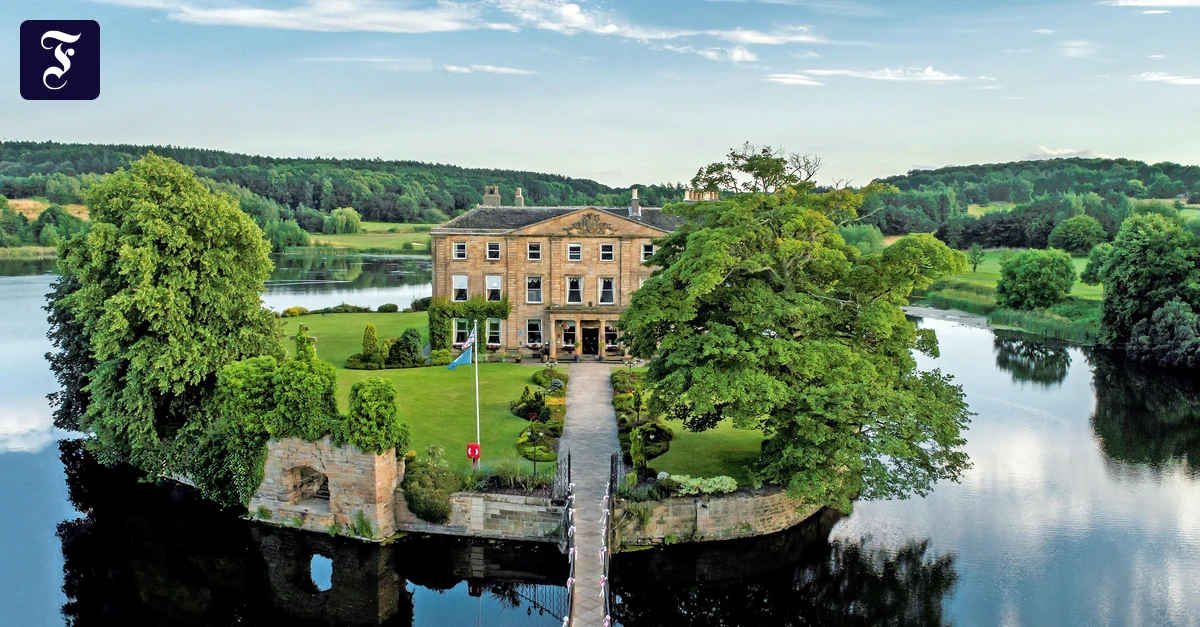
Waterton was a man who challenged the social and ethical norms of the 19th-century British aristocracy. In an era when the landed gentry defined their status through the slaughter of wildlife, Waterton did the unthinkable: he protected it. He transformed his family estate, Walton Hall, into a sanctuary where nature was not a resource to be harvested, but a community to be preserved.
Chronology: From Plantation to Paradise
The trajectory of Waterton’s life was shaped by both his faith and his travels. Born into a prominent Catholic family, Waterton lived during a time when his religion effectively barred him from political office, legal practice, and university education in England. This exclusion pushed the family to look abroad, specifically to their sugar plantations in British Guiana.
- 1805: Charles Waterton inherits the Walton Hall estate in West Yorkshire at the age of 23.
- 1812–1824: He embarks on four major expeditions to South America, documenting the flora and fauna of the rainforests. During this time, he witnesses the horrors of slavery firsthand, becoming an outspoken critic of the institution, despite his family’s historical reliance on the trade.
- 1820s: Upon his return to England, Waterton is struck by the environmental degradation caused by the Industrial Revolution. The smoke, the chemical pollution, and the loss of local biodiversity in Yorkshire become his primary targets.
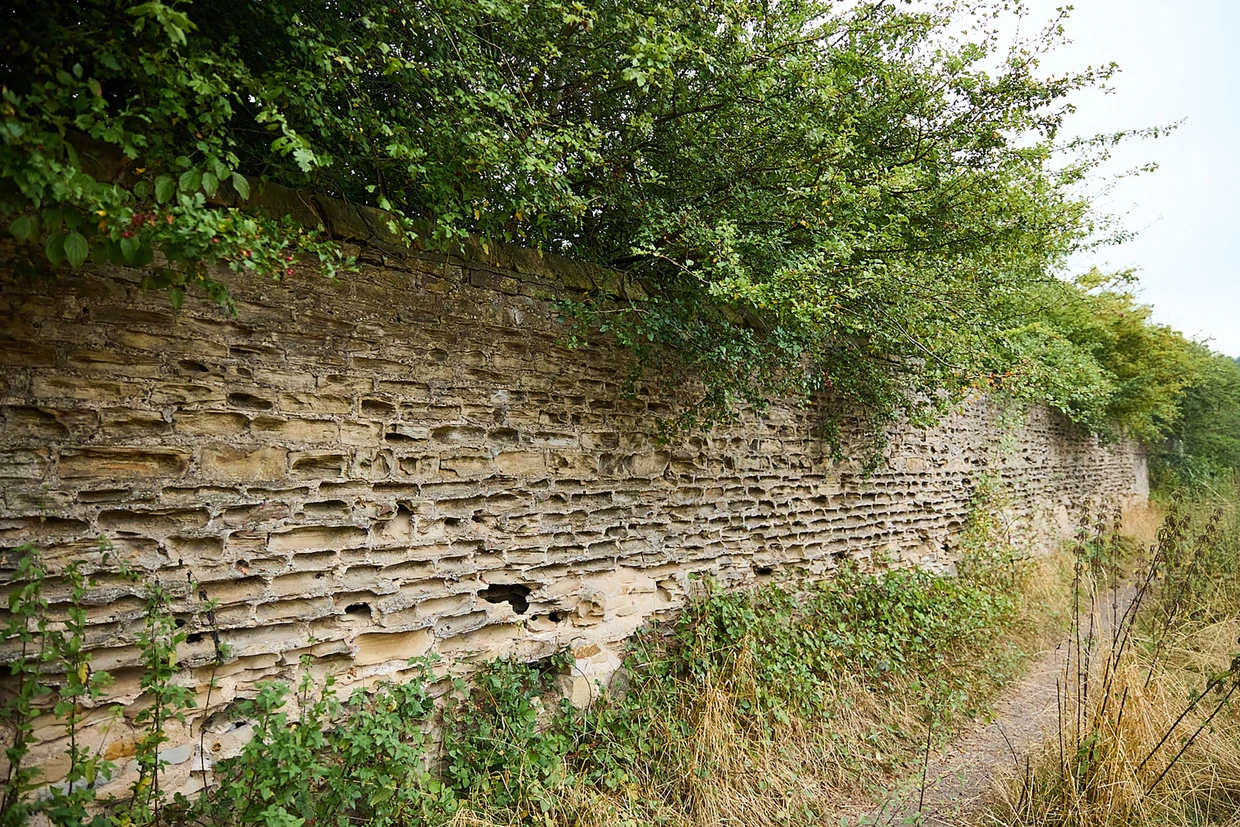
- 1825: Construction of the three-mile wall around his estate is completed. It is designed specifically to keep out poachers and foxes, creating a "walled garden" for wildlife.
- 1865: Waterton dies at the age of 83, leaving behind a blueprint for the modern nature reserve.
Supporting Data: The Birth of Environmentalism
Waterton’s methods were radical. He was one of the first people to recognize the dangers of industrial pollution. When a local soap factory began dumping toxic chemicals into the nearby water supply, Waterton did not just complain; he pursued a long and successful legal battle against the owners. He was also a pioneer of what we now call "rewilding," allowing parts of his lake to turn into marshland specifically to encourage heron populations.
His approach to the human element of conservation was equally progressive. He opened his grounds to the villagers of Walton, to scientists like Charles Darwin, and—most remarkably—to the patients of local mental asylums. He intuitively understood the therapeutic power of nature, a concept that modern mental health programs are only now fully integrating into mainstream medical practice.
Historic England’s Recognition
Two years ago, the official body for the protection of England’s heritage, Historic England, formally recognized Waterton’s contribution by placing the estate on its protected register. Their statement noted: "With Waterton Park, he created a prototype for the modern nature reserve, where wildlife and humans exist in harmony for mutual benefit."
Implications: The Modern Landscape
The legacy of Walton Hall lives on, though not without its challenges. Today, the neoclassical manor house serves as the Waterton Park Hotel. While the setting is undeniably beautiful, the modern demand for "perfect" aesthetics—such as short-cropped golf course grass—stands in stark contrast to the wilder, managed biodiversity Waterton championed.

The "Wedding Factory" Paradox
On weekends, the estate transforms into a bustling venue for nuptials. Visitors might find the bridge to the island adorned with white ribbons and the dining halls echoing with speeches. Yet, for those who seek the quietude Waterton intended, the weekdays offer a different experience. A stay at the hotel reveals the "hidden" side of the estate: the chorus of wild geese and ducks, the sight of a lone fisherman waiting on the lake, and the sprawling, untamed greenery that persists despite the encroachment of modern tourism.
WallFest: A Cultural and Environmental Milestone
The 200th anniversary of the great wall has been marked by a month of intensive programming. Events have included bird-watching tours, guided historical walks, and lectures held at the hotel itself—which was once Waterton’s own residence. One of the most poignant events of this year’s festival is a visit to the Wakefield Mental Health Museum, drawing a direct line between Waterton’s 19th-century "sanctuary" and 21st-century psychological care.
The Landscape of Influence
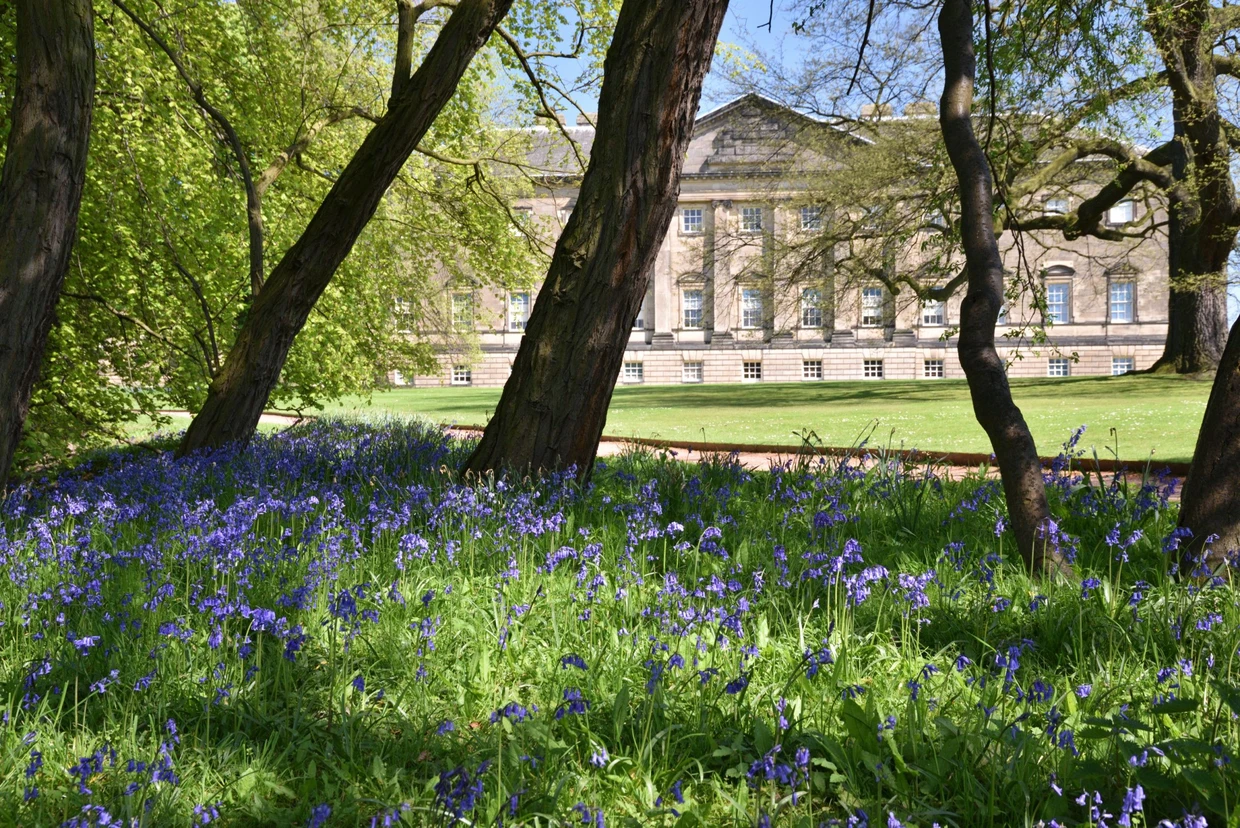
Waterton’s influence extends well beyond the walls of his estate. He was a pioneer of the "walking culture," often traveling barefoot through the countryside to visit friends like Charles Winn at Nostell Priory. Today, that spirit of exploration is kept alive by the Trans Pennine Trail, a 600-kilometer route that passes right through Walton.
Furthermore, the region of West Yorkshire has evolved into a hub of art and nature. A two-and-a-half-hour walk from the estate leads to the Yorkshire Sculpture Park, where works by titans of art—Damien Hirst, Henry Moore, and Barbara Hepworth—stand among ancient trees and grazing sheep. This marriage of culture and nature is a fitting tribute to the landscape that shaped the minds of these artists and the heart of the man who first fought to save it.
Conclusion: The Man for All Centuries
Charles Waterton was indeed a man of his time, yet his vision was perpetually fixed on the future. He saw the destructive power of unchecked industry long before "environmentalism" was a recognized political movement. He recognized the value of mental well-being and the necessity of preserving habitat for the sake of biological diversity.
As we celebrate the 200th anniversary of the wall that kept the world at bay so that nature could flourish within, we are reminded that true eccentricity is often just a synonym for foresight. Waterton may have been known for riding crocodiles and sleeping on floorboards, but his real legacy is the quiet, green breath of the park he saved—a sanctuary that continues to teach us, 200 years later, that we are merely guests in the natural world.