

By International News Desk
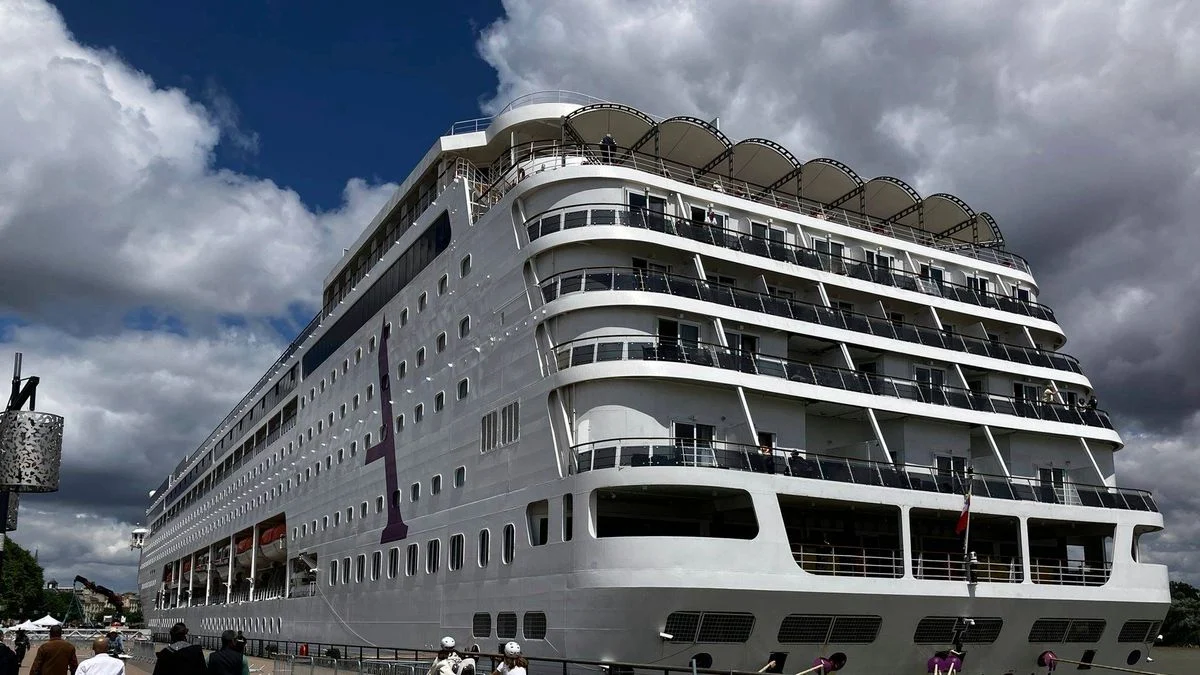
The picturesque port city of Bordeaux, France, became the site of a tense medical operation this week as the cruise ship Ambition was placed under strict quarantine. Following a significant surge in gastrointestinal illnesses among those on board, local health authorities and the Gironde prefecture initiated emergency protocols, barring all passengers and crew from disembarking. The situation has drawn international attention, compounded by the tragic death of an elderly passenger and the coincidental timing of another health crisis on a separate vessel, the MV Hondius.
Main Facts: The Crisis at the Port of Bordeaux
The Ambition, a cruise vessel operated by Ambassador Cruise Line, arrived in Bordeaux carrying over 1,700 people—comprising approximately 1,200 passengers, largely of British and Irish nationality, and a substantial crew contingent. The vessel, which had departed from the United Kingdom with stops in Belfast and Liverpool, reported a rapid escalation of gastrointestinal symptoms among its occupants.
According to the vessel’s captain, approximately 50 individuals reported symptoms consistent with severe digestive distress. In a tragic development confirmed by the regional newspaper Sud Ouest and corroborated by local authorities, a British passenger over the age of 90 passed away while the ship was in transit or shortly after arrival. While an investigation into the cause of death is underway, the presence of an infectious outbreak on board has necessitated a comprehensive public health response.
Medical teams from the local health authority (Agence Régionale de Santé) were dispatched to the ship immediately upon its arrival in Bordeaux. Clad in protective gear, these specialists conducted health assessments and collected biological samples from the symptomatic individuals to identify the pathogen responsible for the outbreak.
Chronology of Events
The escalation of the crisis can be tracked through the following timeline:
- Departure and Transit: The Ambition set sail from UK ports, specifically Belfast and Liverpool, maintaining a standard itinerary intended for subsequent stops in Spain.
- The Onset of Symptoms: As the vessel approached the French coast, the ship’s medical staff noted an unusual cluster of gastrointestinal cases. By the time the ship reached the Gironde estuary and prepared to dock in Bordeaux, the count had reached roughly 50 symptomatic cases.
- Arrival and Quarantine: Upon docking in Bordeaux, local maritime and health authorities enforced an immediate "no-disembarkation" order. The vessel was isolated at the pier to prevent potential community transmission.
- Medical Boarding: A specialized medical task force boarded the Ambition to assess the clinical status of the patients and ensure that proper quarantine measures were being enforced.
- The Investigation Phase: Throughout the day, the ship remained stationary while laboratory results were pending. Authorities indicated that decisions regarding the vessel’s future itinerary would be made only after the initial diagnostic reports were verified.
Supporting Data and Preliminary Findings
Initial epidemiological investigations have provided some clarity, though the situation remains fluid. Crucially, health authorities announced that preliminary tests for Norovirus—a highly contagious pathogen frequently responsible for gastrointestinal outbreaks in enclosed environments like cruise ships—have returned negative.
This unexpected result has shifted the focus of the investigation toward other potential vectors. One primary theory currently under scrutiny is foodborne illness. Given the concentrated nature of the symptoms, investigators are reviewing the ship’s food supply chain, kitchen hygiene records, and water systems to determine if a specific batch of contaminated provisions may be responsible.
The demographics of the passengers—many of whom are elderly—heighten the clinical risk of such an outbreak. Dehydration and secondary complications from gastrointestinal illness can be significantly more dangerous for older populations, a factor that likely contributed to the severity of the situation and the caution exercised by French authorities.
Official Responses and Public Health Coordination
The French authorities have been keen to maintain transparency while preventing public alarm. The Gironde prefecture issued several statements emphasizing that the situation is being managed according to strict maritime health protocols.
"Our priority is the health of the passengers and the safety of the local population," a spokesperson for the local health department stated. "We are working in close cooperation with the ship’s command to isolate the sick and ensure they receive appropriate care."
The cruise operator, Ambassador Cruise Line, has remained in contact with local authorities and the UK Foreign, Commonwealth and Development Office (FCDO) to coordinate the logistics of the situation. While the Ambition was originally scheduled to proceed to Spain, those plans have been indefinitely suspended pending the clearance of the ship by French health inspectors.
Addressing Misconceptions: The "Hondius" Parallel
A significant portion of the official briefings has been dedicated to dispelling rumors regarding a potential link between the Ambition and the MV Hondius.
The MV Hondius, a separate vessel currently embroiled in a severe health crisis, recently docked in Tenerife after an outbreak of the Hantavirus. Unlike the Ambition, the situation on the Hondius has been confirmed as a serious viral event involving the Andes strain of the Hantavirus.
As of the latest reports, the Hondius incident has resulted in 11 confirmed or probable cases, including three fatalities. The symptoms and transmission methods associated with the Hantavirus are vastly different from the gastrointestinal distress observed on the Ambition. French authorities have explicitly urged the public and the media not to draw parallels between the two events, noting that the Ambition outbreak appears to be a isolated gastrointestinal incident, whereas the Hondius situation is a viral infection likely linked to a specific environmental or zoonotic exposure.
Implications for the Cruise Industry and Maritime Law
The dual nature of these events—the Ambition in Bordeaux and the Hondius in Tenerife—has cast a spotlight on the vulnerabilities of the cruise industry in the post-pandemic era.
1. Health Protocols and Surveillance
Modern cruise ships operate as "floating cities," with high-density living quarters and shared ventilation and food service systems. These environments are inherently susceptible to the rapid spread of infectious diseases. The swift action taken by French authorities demonstrates that port health regulations have been significantly tightened, with a low threshold for enforcing ship-wide quarantines.
2. Legal and Liability Considerations
The death of the elderly passenger on the Ambition raises complex legal questions regarding duty of care. Cruise operators are subject to rigorous international maritime laws (such as the Maritime Labour Convention) regarding the health and safety of their passengers. If an investigation reveals that the outbreak on the Ambition was caused by negligence in food safety or improper hygiene management, the company could face significant litigation.
3. Impact on Itineraries and Logistics
For the passengers on the Ambition, the incident has resulted in the total disruption of their holiday. Beyond the physical toll of the illness, the administrative burden of being stuck in a foreign port—requiring potential repatriation or alternative transport—is a logistical challenge for both the company and the passengers.
Moving Forward: The Path to Resolution
As of the current reporting, the Ambition remains docked in Bordeaux. The next steps for the vessel involve:
- Laboratory Confirmation: Once the final results from the biological samples are received, the authorities will confirm the exact pathogen. If it is indeed a foodborne illness, the ship’s supply chain will be sanitized, and all affected food items will be discarded.
- Medical Clearance: Once the number of new cases drops to zero and the current patients have stabilized, health authorities will determine if the ship is safe to resume its voyage.
- Repatriation and Support: Depending on the severity of the ongoing health concerns, there remains a possibility that passengers may be offered the option to disembark and return home, should the cruise line decide to terminate the voyage early.
The tragedy in Bordeaux serves as a sobering reminder of the unpredictability of maritime travel. While modern medicine and improved sanitary standards have drastically reduced the frequency of such events, the cruise industry remains an environment where a single point of failure can lead to widespread distress. As the world watches the resolution of the Ambition case, the broader maritime community will undoubtedly be reviewing its own protocols to ensure that such an incident does not repeat itself on the high seas.
For now, the passengers and crew of the Ambition wait in the historic port of Bordeaux, their travel plans silenced by the urgent, clinical necessity of a public health investigation. The focus remains on the grieving family of the deceased and the recovery of those still suffering from the mysterious gastrointestinal ailment.




























Leave a Reply