As the “AI Tsunami” reshapes the global labor market, leading sociologist Allison Pugh warns that we are sleepwalking into a crisis of human dignity. In an increasingly automated world, the ability to offer genuine, non-predictable human connection may soon become our most valuable currency.
Introduction: The Looming Paradigm Shift
For decades, the bedrock of modern society has been predictability. We operate within systems—corporate, educational, and social—that prize consistency, reliability, and the efficient execution of repetitive tasks. However, we are currently witnessing a technological transformation that challenges these very foundations.
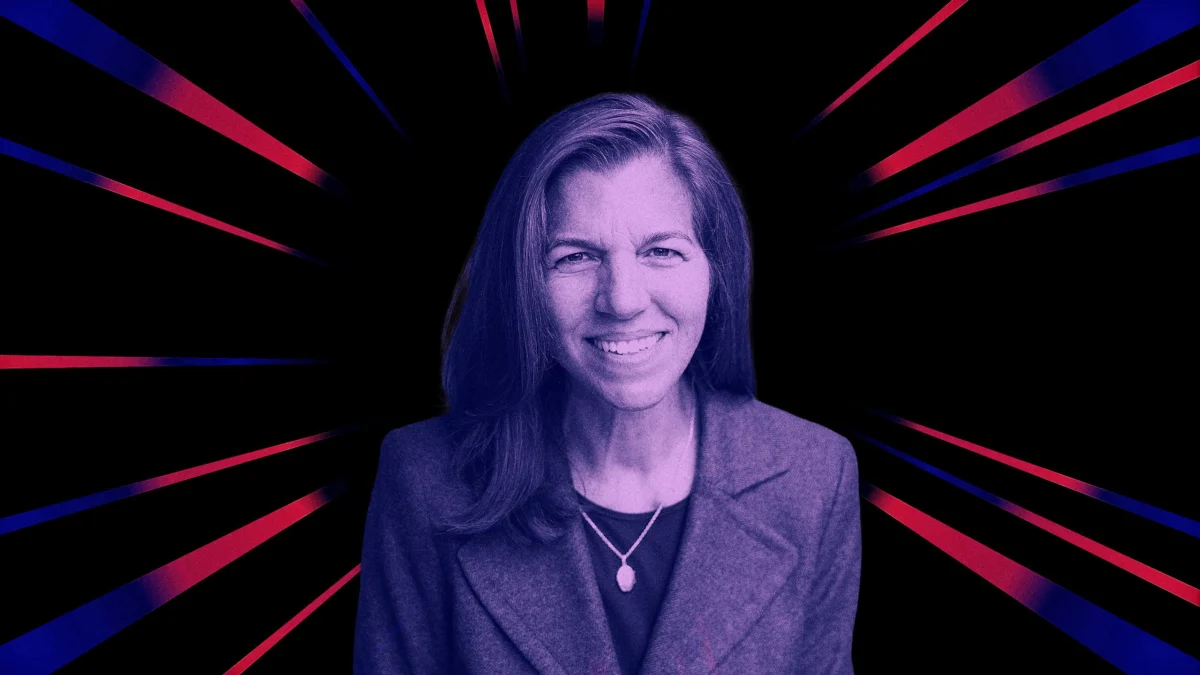
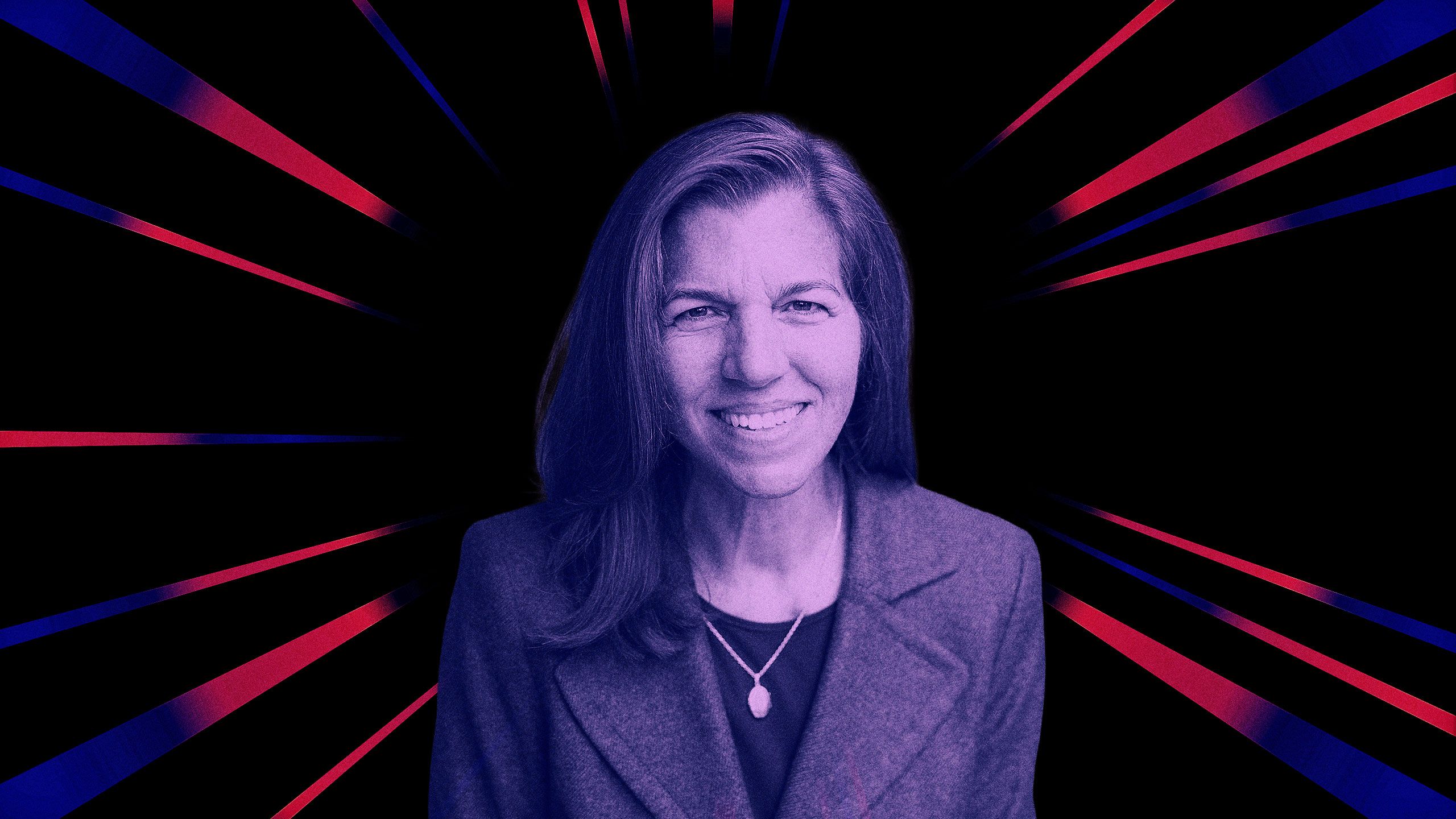
Allison Pugh, a distinguished sociologist at Johns Hopkins University, has spent years researching the intersection of artificial intelligence and the social fabric. Her findings suggest that as we delegate more of our cognitive and administrative labor to AI, we are not merely outsourcing tasks; we are potentially dismantling the social structures that grant us our sense of purpose and dignity. While tech titans like Microsoft’s Mustafa Suleyman predict that AI will handle the bulk of clerical work within years, the question remains: What happens to the humans who were once defined by that work?
The Mechanics of the "AI Tsunami"
The term "AI Tsunami" is not merely a rhetorical flourish in Pugh’s research; it describes the sheer velocity at which generative models are infiltrating the professional sphere. From legal drafting and medical diagnostics to creative writing and software engineering, the traditional "white-collar" safety net is eroding.
The Erosion of Routine
Historically, technological revolutions—such as the Industrial Revolution—displaced physical labor while creating new categories of intellectual work. The current wave is different. It targets the "cognitive middle," replacing roles that were previously considered safe havens for middle-class stability. When an algorithm can synthesize data, draft reports, and predict market outcomes faster and more accurately than a human, the economic value of those specific human skills plummets.
The Crisis of Dignity
Pugh argues that our current economic model ties human worth directly to productivity. If an AI can perform the work of ten people, the societal question is not just one of unemployment, but one of worth. "We are failing to prioritize or protect the intrinsic value of human effort," Pugh notes. If we define ourselves by what we produce, and machines produce better and faster, we face a crisis of meaning that could destabilize the social contract.

Chronology of the Transformation
To understand how we reached this point, we must look at the rapid acceleration of the last decade:
- 2012–2017: The Deep Learning Awakening. The rise of neural networks began to show promise in image recognition and rudimentary language processing. At this stage, AI was a tool for optimization, not a replacement for human judgment.
- 2018–2022: The Generative Leap. With the introduction of Large Language Models (LLMs) like GPT-3, the paradigm shifted from "data processing" to "content creation." This marked the point where AI began to encroach on creative and analytical domains.
- 2023–Present: The Integration Phase. We have moved from experimental use to enterprise-wide adoption. Corporations are now actively replacing workflows with AI-integrated systems, viewing it as a necessary cost-cutting measure to maintain competitive advantage in a high-interest-rate environment.
The Counter-Argument: The "Human Premium"
Despite the bleak forecasts, Pugh’s research identifies a glimmer of hope: a potential "human premium." This is the growing realization among consumers and professionals alike that, in a world flooded with synthetic content, authentic human interaction is becoming a scarce, luxury commodity.
Pugh recounts an anecdote from a recent lecture: a student mentioned that while they consult ChatGPT for efficiency, they still seek out their mentors and parents for life-altering decisions. The reasoning? "I know you won’t just tell me what I want to hear."
The Value of Non-Predictability
AI is fundamentally a predictive machine—it operates on the most likely outcome based on existing data. Human value, however, often lies in the unpredictable: the ability to challenge assumptions, display empathy, navigate nuance, and provide the friction necessary for genuine growth. In the future economy, the ability to provide subjective, context-rich, and non-algorithmic advice may command a premium that no machine can replicate.
Supporting Data: The Productivity vs. Humanity Gap
Economic data suggests that while AI increases "output per hour," it does not necessarily increase "human well-being."
- Job Displacement Rates: According to various studies from institutions like Goldman Sachs and the IMF, up to 300 million jobs globally could be exposed to significant automation.
- The Wage Stagnation Paradox: Historically, gains in productivity led to higher wages. However, with AI, the gains in productivity accrue primarily to the owners of the infrastructure (the tech giants), while the displaced labor force is left to retrain for roles that may themselves be susceptible to automation in the next cycle.
- Social Connectivity: Surveys indicate that as digital interaction replaces face-to-face professional collaboration, measures of workplace satisfaction and professional belonging have declined.
Official Responses and Corporate Strategy
The response from the corporate sector has been a mix of aggressive optimism and cautious PR. Companies like Microsoft, Google, and OpenAI frame AI as a "copilot" meant to augment human capability.

However, labor unions and labor economists offer a starkly different perspective. They argue that "augmentation" is often a euphemism for "downsizing." As firms look to satisfy shareholders, the incentive to replace human staff with cheaper, more efficient software agents is nearly irresistible.
Policy Implications
Pugh suggests that the solution cannot be left to the market. She advocates for:
- Redefining Labor: We need a broader definition of "work" that includes caregiving, community building, and creative endeavors that are currently unpaid or undervalued.
- Regulatory Friction: Policies that prevent the unchecked automation of critical human-centric roles (such as teaching and therapy) to ensure that we do not lose the essential human element in our institutions.
- Universal Basic Services: Moving beyond the concept of "Universal Basic Income," there is a need to ensure access to essential services that preserve human dignity, even as traditional career paths narrow.
Implications for the Future: The Human-Centric Economy
The future will likely be bifurcated. On one hand, we will have an AI-driven infrastructure that handles the "routine" and the "predictable." This will create immense wealth but potentially concentrated in the hands of a few.

On the other hand, there will be a burgeoning demand for "Human-Only" services. We are already seeing this in industries ranging from high-end hospitality to personalized education. The irony of the AI age is that as machines become more "human-like" in their output, we will place a higher value on the messy, inefficient, and deeply personal aspects of being human.
Conclusion: Reclaiming Our Role
Allison Pugh’s warning is ultimately a call to action. We must stop viewing ourselves as mere components of an economic machine. If we continue to allow our worth to be measured solely by our efficiency, we will eventually be rendered obsolete.
However, if we shift our focus toward the attributes that are uniquely human—empathy, moral judgment, long-term perspective, and the ability to act against the "predicted" outcome—we may find that the AI revolution is not an end, but an opportunity to reclaim the parts of our lives that have been long neglected in the pursuit of productivity.

The economy of the future will not belong to those who can compute the fastest. It will belong to those who can connect, understand, and provide the one thing a machine can never truly possess: the shared, lived experience of being human.