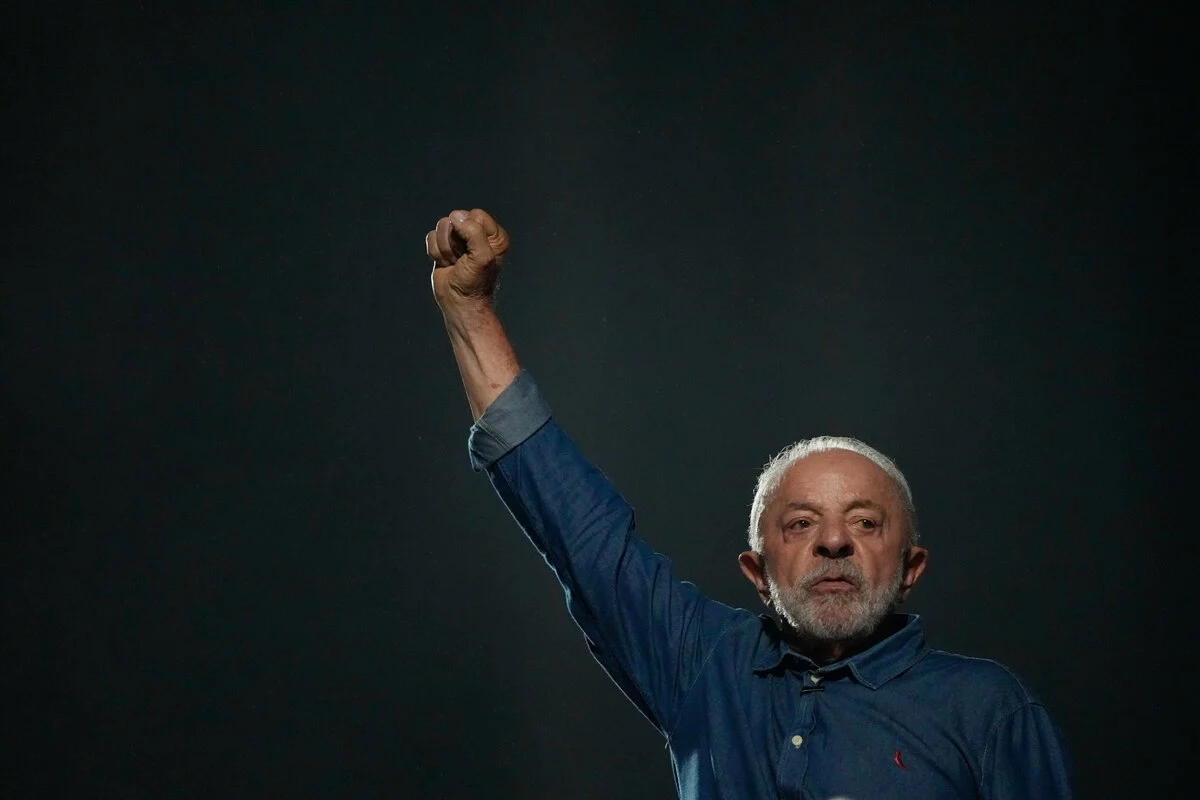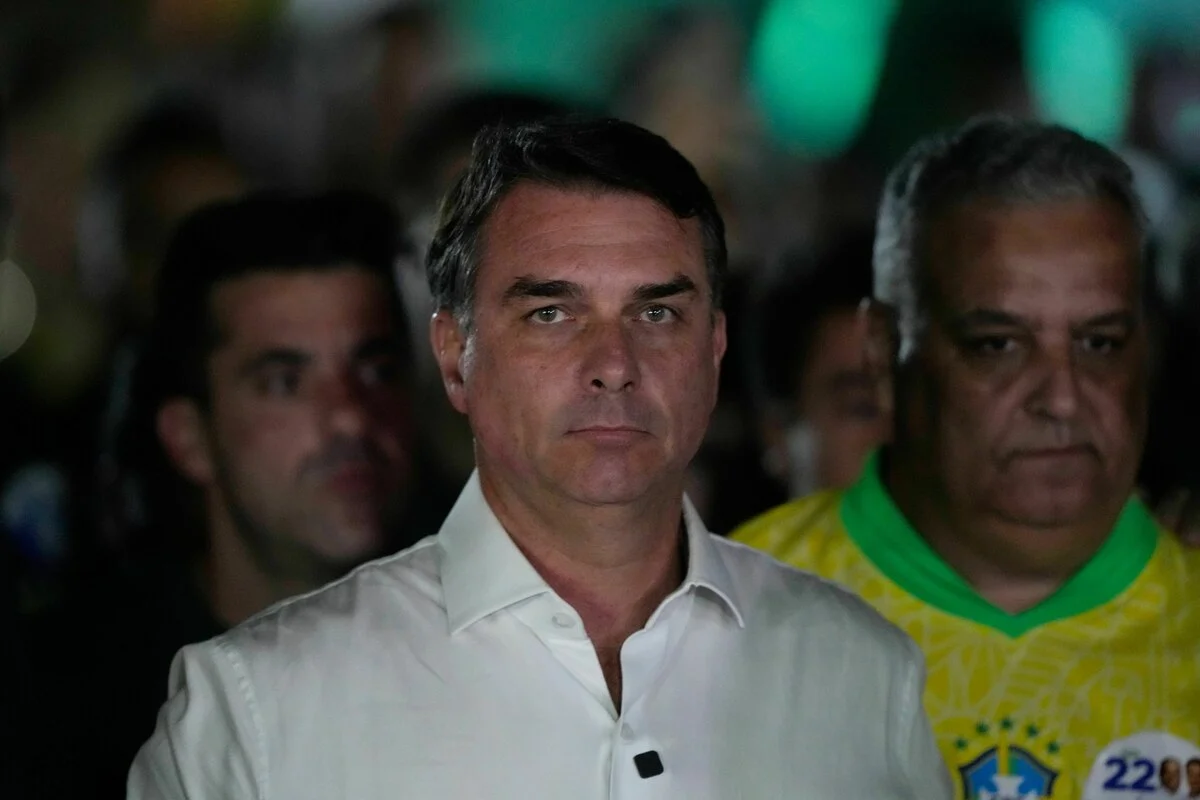
In the wake of a highly contentious presidential election that has sent shockwaves through South America’s largest democracy, the political landscape of Brazil remains fractured. While the international community has largely moved to recognize the victory of the veteran leftist leader Luiz Inácio Lula da Silva, the defeated incumbent’s political apparatus—led by his son, Flávio Bolsonaro—is mounting a final, desperate challenge to the legitimacy of the electoral process. The situation has drawn comparisons to the political volatility seen in the United States, fueled by international rhetoric and deep-seated ideological polarization.
The Core Conflict: A Victory Under Duress
At the heart of the crisis is the narrow margin by which Luiz Inácio Lula da Silva secured his return to the presidency. With 51.8% of the vote compared to Flávio Bolsonaro’s 48.2%, the election reflected a country split down the middle. For the Liberal Party (PL), the party representing the Bolsonaro family, the result is a bitter pill.
Initially, the immediate reaction from the Bolsonaro camp was one of total rejection. However, as the dust settled on the day following the runoff, the party’s stance shifted from outright denial to a conditional acknowledgment. Valdemar Costa Neto, the chairman of the Liberal Party, stated, "We recognize the result of the presidential election announced by the Superior Electoral Court (TSE), but we are of the opinion that the questions raised must be appropriately clarified."
The "questions" referred to by the PL center on the administration of social welfare benefits, which they allege were distributed with unusual speed in the days leading up to the Sunday vote—a move they claim constituted an improper use of state resources to influence the electorate.
A Chronology of Disruption: From Ballot Box to Courtroom
The timeline of the post-election period reveals a strategic pivot by the Bolsonaro family. In the immediate aftermath of the vote, the rhetoric was defiant. There were public declarations that the election was illegitimate and calls for a full annulment. However, as legal advisors likely assessed the futility of overturning the entire count, the strategy evolved.
By Monday, the focus shifted from a broad challenge of the ballot count to a targeted legal offensive against the conduct of the Lula campaign. The goal, as outlined by the legal team supporting Flávio Bolsonaro, is not necessarily to recount votes but to disqualify the winning ticket of Lula and his Vice President, Geraldo Alckmin. They argue that the pair should not be inaugurated in January, citing alleged "abuse of political and economic power."
This legal maneuvering coincides with a significant personal blow to the younger Bolsonaro. As part of a separate, ongoing investigation into money laundering and financial improprieties, the Supreme Court Justice Alexandre de Moraes—a figurehead of the judicial pushback against the Bolsonaros—ordered the surrender of Flávio Bolsonaro’s passports. This travel ban, intended to prevent the politician from fleeing the jurisdiction, has turned into a flashpoint for the family’s supporters, who view the move as an act of political persecution.
The "Trumpian" Shadow: International Echoes
The crisis in Brazil has not occurred in a vacuum. It has been amplified by the vocal support of former U.S. President Donald Trump, who has frequently aligned himself with the populist right in Latin America. Speaking to journalists shortly after the results were confirmed, Trump remarked, "I didn’t take sides, but it looked like another rigged election."

While Trump failed to provide any evidence for these claims, his rhetoric mirrors the language he used during his own attempt to overturn the 2020 U.S. presidential election. This cross-pollination of anti-democratic sentiment is a worrying trend for observers of global politics. Trump, who has previously lauded the elder Jair Bolsonaro as a political soulmate, has used the Brazilian situation to further his own narrative of electoral skepticism.
Analysts suggest that by questioning the integrity of the Brazilian vote, these actors are not merely seeking to change the outcome of a specific election, but are aiming to undermine the long-term credibility of electoral institutions globally. This "playbook" of claiming fraud without evidence has become a hallmark of a specific strain of modern right-wing populism, creating a climate where supporters are encouraged to distrust the very mechanisms of democratic transition.
The Judicial Front and the Question of Rule of Law
The role of the Brazilian judiciary, particularly the Supreme Electoral Court (TSE), has become the primary defense against the total collapse of the electoral process. Justice Alexandre de Moraes has emerged as the central antagonist to the Bolsonaro faction. His recent orders, including the confiscation of passports and the investigation into the dissemination of misinformation, have been framed by the Bolsonaros as "absurdity" and "intimidation."
However, the legal reality for the Bolsonaro family is becoming increasingly complex. Beyond the electoral challenges, Flávio Bolsonaro is entangled in serious allegations regarding financial links to online sports betting companies and private business entities. The Federal Police have reportedly uncovered evidence suggesting a connection between his financial assets and a bank account belonging to a lawyer under investigation.

Flávio Bolsonaro has taken to social media, specifically through video statements, to deny these claims. "I have never thought about leaving the country," he declared, framing the legal pressure as a "clear attempt to intimidate me." His defense hinges on the narrative that he is the victim of an activist judiciary bent on destroying his family’s political legacy.
Implications for Brazil’s Future
The implications of this standoff are profound. For Lula da Silva, the challenge is not only to win the presidency but to govern a nation that is deeply divided and where a significant portion of the population has been primed to view his administration as fundamentally illegitimate.
- Governance Stability: The threat of continued legal action against the inauguration process creates a cloud of uncertainty that could hamper the new government’s ability to implement policy from day one.
- Social Cohesion: The rhetoric of "stolen elections" has emboldened radical elements within the Brazilian right, potentially leading to increased street protests and social friction.
- Institutional Integrity: The resilience of the Supreme Court and the Electoral Court will be tested. If the institutions hold, they will solidify their role as the final arbiter of Brazilian democracy. If they buckle under pressure, it could signal a long period of instability.
Supporting Data and Political Context
The narrowness of the victory—51.8% to 48.2%—is a critical piece of the puzzle. While the margin is technically sufficient for a democratic victory, it provides a veneer of plausibility to those who wish to argue that the country is "split." Furthermore, the timing of the social benefit payments, which the PL highlighted, remains a point of intense debate. While many observers view the payments as standard administrative actions, the proximity to the election allowed the opposition to weave a narrative of "economic bribery."
Furthermore, the situation of the elder Bolsonaro, who is currently under house arrest and facing a potential 27-year prison sentence for his alleged involvement in a failed coup attempt, adds a layer of desperation to the family’s actions. The political survival of the Bolsonaro brand is now inextricably linked to their ability to delegitimize the current judicial system.

Conclusion: A Test of Democratic Resilience
Brazil stands at a critical juncture. The transition of power, which should be a routine administrative event in a healthy democracy, has been transformed into a battle for the soul of the state. The legal challenges brought by Flávio Bolsonaro and the rhetoric echoed by international figures like Donald Trump are symptoms of a larger struggle against the normalization of democratic norms.
As January approaches, the world will be watching to see if Brazil can navigate these turbulent waters. The resilience of the democratic process will depend on the ability of the judiciary to remain impartial, the capacity of the Lula government to reach out to a disillusioned segment of the population, and the willingness of the opposition to accept the reality of the ballot box. Failure to do so would not only damage Brazil but would serve as a dangerous precedent for other nations where democratic institutions are being systematically undermined by the very leaders who once claimed to uphold them.
The task ahead for Lula is monumental. He must govern for all Brazilians, even those who believe his election was a miscarriage of justice. Whether he can succeed in stabilizing the nation will be the defining challenge of his fourth term in office.