By Sports Desk | October 27, 2026
The echoes of the 2026 Olympic Winter Games in Cortina d’Ampezzo are beginning to fade, but for the elite luge athletes based at the Olympic training center in Oberhof, the hunger for success remains as sharp as ever. After a highly successful Olympic cycle that saw Thuringian athletes haul in four prestigious medals, the transition from the world’s biggest stage to the grind of the World Cup circuit is well underway. With the new season set to launch in just under four weeks, the focus has shifted from the rearview mirror to the icy tracks ahead.
Main Facts: The Transition Period
The post-Olympic landscape is a notoriously difficult period for high-performance athletes. It is a time defined by physical recovery, mental recalibration, and the inevitable return to the rigorous training cycles required to maintain dominance in one of the world’s most demanding winter sports.
The Oberhof training hub, a cornerstone of German luge, is currently a hive of activity. Athletes are not only refining their physical conditioning but are also engaging in exhaustive technical analysis. For many, the goal is to bridge the gap between their Olympic performances and the consistency required to dominate the upcoming World Cup series. The training sessions currently taking place in the heart of Thuringia are essential; they serve as the crucible where new start techniques are tested and equipment modifications are finalized before the global caravan begins its tour.
Chronology: From Cortina to the Starting Gate
The narrative of the current season is deeply rooted in the events of the last few months.
- February 2026: The Olympic Winter Games in Cortina d’Ampezzo conclude. Thuringian lugers return home with a haul of four medals, cementing their status as the backbone of the German national team.
- March – August 2026: A period of recovery and base-level physical training. Athletes transition from the ice to dry-land training, focusing on strength, explosive power, and injury rehabilitation.
- September 2026: The transition to on-ice training begins. Coaches, including former champion Andi Langenhan, initiate the evaluation of the A-kader (National A-Squad).
- Late October 2026: Official qualification races begin in Oberhof. These internal trials are critical, as they determine the final roster for the opening World Cup events.
- November 2026: The start of the new World Cup season.
For athletes like Merle Fröbel of the Suhl Luge Team, the chronology of this season is one of active recovery. Fröbel, 23, spent the weeks following the Olympics meticulously deconstructing her performance in Italy. A critical error during the third heat of her Olympic campaign cost her a spot on the podium, leaving her in eighth place—a result that, while respectable, left the ambitious athlete with a lingering sense of "what if."
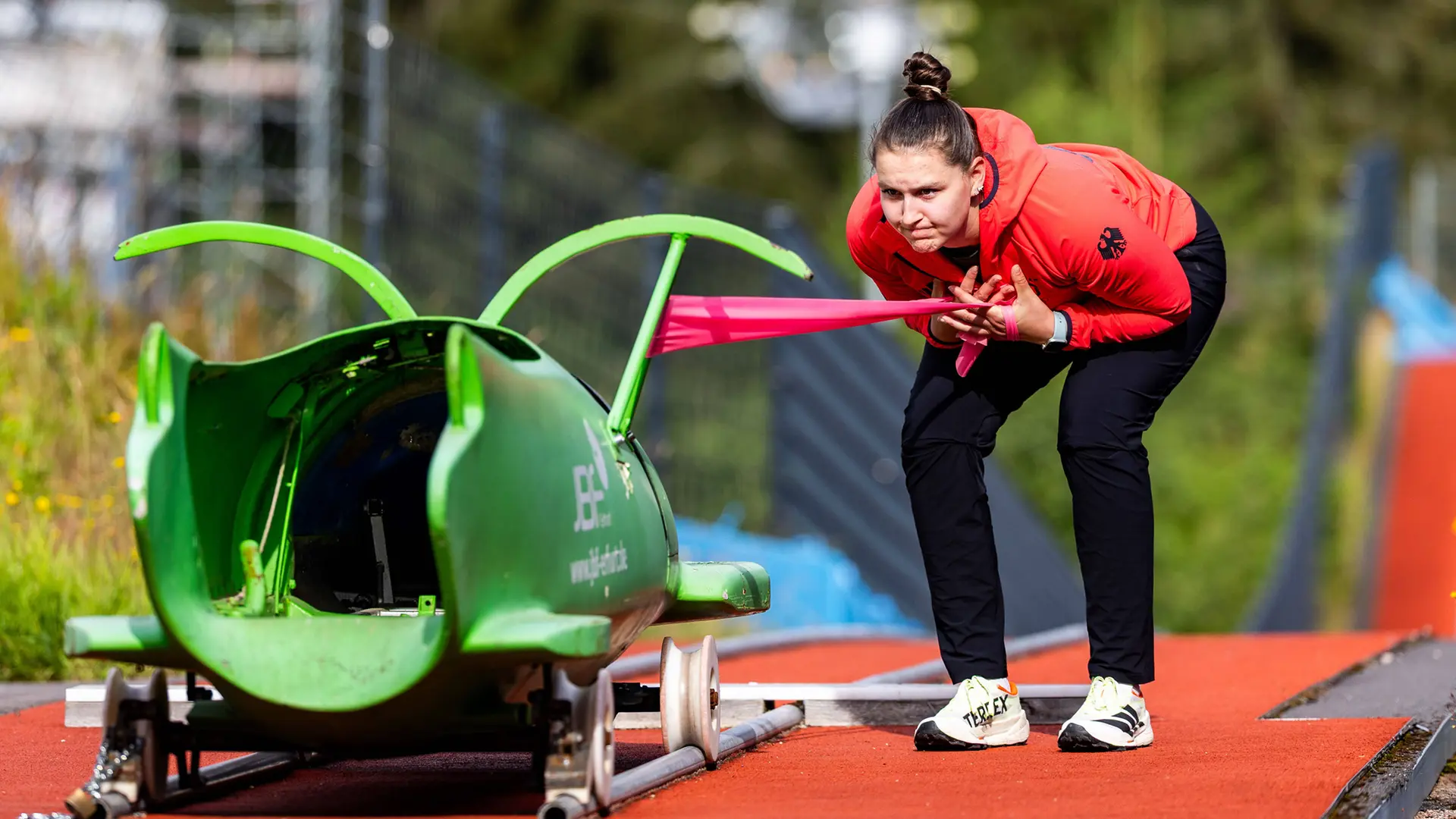
"I have processed the mistake mentally," Fröbel remarked during a recent training session. "Olympia is four years away; right now, my focus is purely on the present. I want to improve, to keep fine-tuning my line through the curves, and to shave milliseconds off my start time."
Supporting Data: The Quest for Perfection
The pursuit of excellence in luge is often a game of margins—measured in thousandths of a second. The current training methodology in Oberhof focuses on three distinct pillars: the start, the "line" (the path taken down the track), and equipment aerodynamics.
The Start
The start remains the most critical phase of a luge run. Coaches are currently pushing the athletes to increase their explosive power, utilizing specialized start-sleds that simulate the initial push-off. Data gathered from these sessions is analyzed against the performances of established stars like Julia Taubitz. Taubitz, a perennial favorite and a candidate for her sixth overall World Cup title, serves as the benchmark. Her ability to consistently deliver explosive starts is the standard that the younger generation is striving to meet.
The Double-Seater Dynamics
The discipline of the women’s doubles has seen a surge in interest and competitiveness. Pauline Patz (RSV Schmalkalden) and Elisa-Marie Storch (Suhl Luge Team) are entering their second full season together. The duo, who secured the Junior World Championship title in 2025, are looking to transition that success to the senior level.
"We want to build on the foundation we established last year," Storch explained. "We had some early-season struggles, but once we found our rhythm, we hit the top three twice. Standing on the podium in Oberhof during the home race was a highlight, and we are hungry for more of that."
The "Stellschrauben" Philosophy
David Nössler, the 25-year-old Schmalkalden native, offers a pragmatic view on improvement. Having missed Olympic selection by the narrowest of margins, his approach to the new season is methodical. He describes his strategy as "turning the small screws."
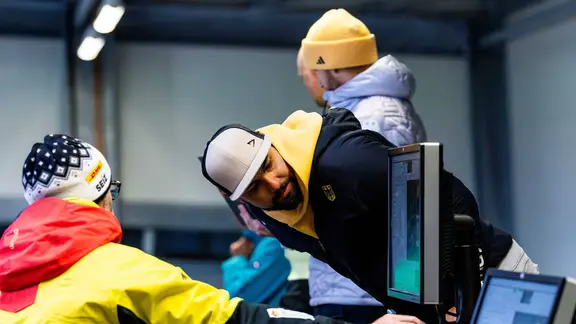
"It’s not about reinventing the wheel," Nössler noted. "It is about the small, technical components. If we gain a fraction of a second in the athletic phase of the start, and we maintain better consistency through the middle of the track, those are the ‘small screws’ that turn a top-ten finish into a podium appearance."
Official Responses and Strategic Outlook
The German luge program, under the guidance of lead coaches like Andi Langenhan, is emphasizing internal competition as a means of preparation. The decision to hold the initial qualification races in Oberhof, followed by stops in Altenberg and Königssee, is a deliberate strategy.
Langenhan, a former world-class athlete himself, emphasizes that the goal of these qualification races is to ensure that only the most consistent performers represent Germany on the world stage. "We are keeping the pressure high," Langenhan said. "The qualification process is designed to replicate the intensity of the World Cup. We are not just looking for speed; we are looking for the ability to handle the pressure of the start-house week in and week out."
The team’s focus has also pivoted toward the upcoming World Championships in Innsbruck-Igls. This event is widely considered the highlight of the winter season, and the German federation is keen to ensure that the team arrives in Austria with the best possible preparation.
Implications: A New Era for Thuringian Luge
The implications of this season are significant for both the athletes and the sport in the region. For the young core, such as Fröbel, Patz, and Storch, this season is about cementing their positions within the national hierarchy. For veterans like Taubitz, it is about legacy and maintaining a standard of excellence that has defined German luge for decades.
Furthermore, the emphasis on local training reflects the importance of the Oberhof facility not just as a track, but as a technological hub. The integration of high-speed cameras, biomechanical sensors, and aerodynamic testing within the training center is allowing coaches to provide real-time feedback that was impossible even a decade ago.

The Road Ahead
As the days tick down to the first World Cup race, the atmosphere in Thuringia is one of focused determination. There is a palpable shift in the air—the transition from the celebratory, yet reflective, atmosphere of a post-Olympic year to the hard, cold reality of the upcoming season.
The fans, who have long supported the sport in the region, are preparing to welcome the world back to their local tracks. For the athletes, the goal is clear: validate the training, minimize the errors, and turn the "small screws" until they are once again the undisputed masters of the ice.
With the qualification races set to determine the final composition of the team, the upcoming weeks will provide the first real test of whether the off-season labor has translated into on-ice speed. The world of luge is waiting, and for the Thuringian contingent, the hunt for the next podium begins exactly where it always does—in the starting house in Oberhof.