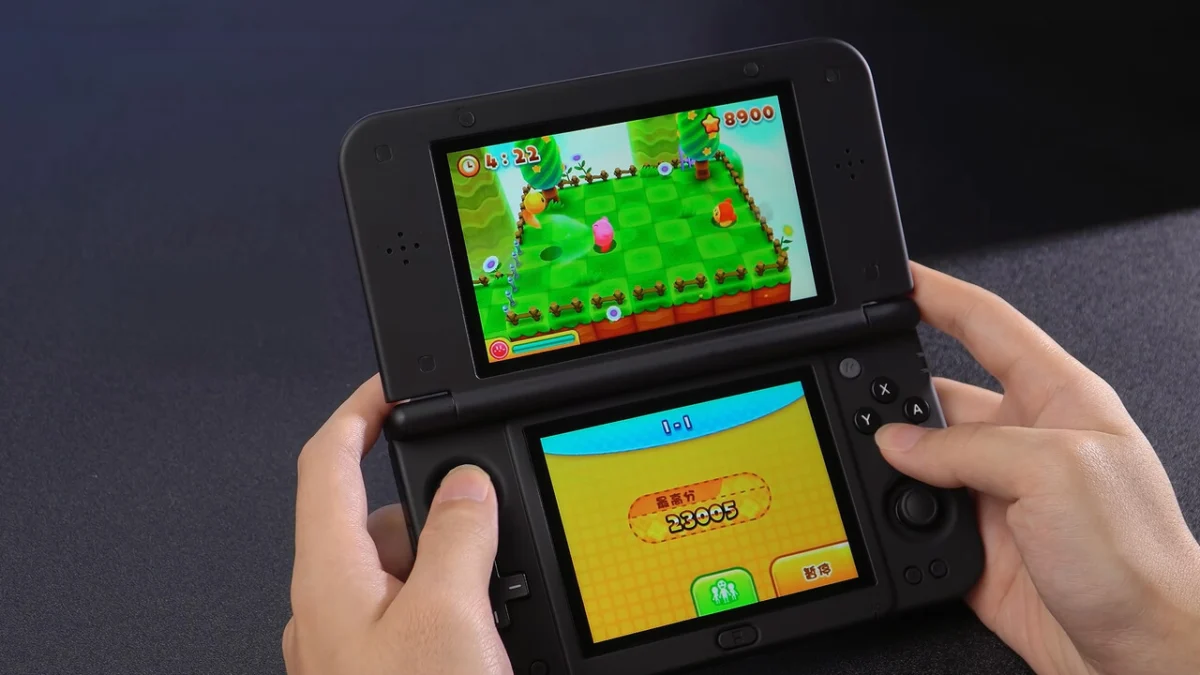
The gaming industry is once again embroiled in a high-stakes cat-and-mouse game between console manufacturers and the homebrew community. Reports emerging from the tech enthusiast hub GBAtemp and corroborated by industry outlets like Kotaku indicate that a new software-based exploit has been discovered for the Nintendo Switch 2. This vulnerability allows users to bypass certain security restrictions, facilitating the extraction of firmware and game data directly from the console to a PC.
While the exploit represents a significant milestone for the modding scene, it stops short of granting full administrative control. As Nintendo prepares its typical defensive measures, the discovery raises critical questions about the future of software piracy, preservation, and the rapidly evolving role of artificial intelligence in reverse engineering proprietary hardware.
The Core Vulnerability: What We Know
The newly surfaced exploit functions by manipulating the console’s memory to gain unauthorized access to the filesystem. Unlike previous, more rudimentary methods—such as those involving the application SmileBASIC4, which allowed for limited visibility and minor modifications—this new approach is notably more robust.
According to technical discussions within the GBAtemp community, this method allows for the arbitrary manipulation of files residing within the Switch 2’s internal storage. Most alarmingly for Nintendo’s legal and security teams, the exploit enables the seamless transfer of complete game data from the handheld device to a computer. This effectively bypasses the encryption protocols intended to protect intellectual property from being moved off the native hardware.
Despite its effectiveness, the exploit does not provide "Kernel Access." In the hierarchy of cybersecurity, kernel access is the "holy grail" for hackers; it would grant them total, unrestricted control over the console’s hardware and operating system. Without this level of access, the current exploit is considered "tethered" and limited in scope. It currently functions on firmware version 23.0.1, but experts expect Nintendo to issue an emergency patch in the near future to close this specific entry point.
A Chronology of the Switch 2 Security Struggle
To understand the significance of this event, one must look at the historical trajectory of Nintendo’s security architecture.
The Legacy of the First Switch
When the original Nintendo Switch launched, it was famously compromised by the "Fusée Gelée" exploit—a hardware-level vulnerability in the NVIDIA Tegra X1 processor that could not be patched via software. This forced Nintendo to release a hardware revision (the "Mariko" units) to mitigate the threat. The community learned early on that the company’s primary strategy for the successor console would be a "defense-in-depth" approach, relying heavily on software-locked encryption and frequent firmware updates.
The Early Days of the Switch 2
Since the launch of the Switch 2, the console has remained relatively resilient. Early attempts to penetrate the system were confined to sandbox applications like SmileBASIC4, which served as a playground for researchers to test the boundaries of the OS. These early probes were largely considered "proof of concept" and were not sophisticated enough to trigger widespread concerns regarding piracy.
The Recent Breakthrough
The current exploit, identified in late 2024/early 2025, marks the first time that the security wall has been significantly breached in a way that allows for meaningful data extraction. The transition from simple filesystem viewing to full-scale file dumping suggests that researchers have moved past the sandbox and into the core operating system architecture. This development has sent shockwaves through the emulation community, which is already working to decode the Switch 2’s unique proprietary formats.
The AI Factor: Accelerating the Underground
One of the most transformative elements in the current landscape is the integration of Artificial Intelligence (AI) into reverse engineering. The process of "cracking" a console requires thousands of hours of manual code analysis—a task that has historically served as a natural barrier to entry for amateur hackers.
AI has changed this dynamic entirely. Recent projects, such as the AI-assisted recompilation of The Legend of Zelda: Link’s Awakening into a native PC port, demonstrate how far this technology has come. By utilizing large language models and pattern-recognition algorithms, hackers can now automate the translation of proprietary machine code into readable, human-understandable formats.
This creates a "feedback loop":
- Exploit discovery: A small hole is found in the firmware.
- AI-driven analysis: AI tools quickly map the surrounding code, identifying further weaknesses that a human might take months to find.
- Emulator development: Once the file structure is understood, AI assists in writing the translation layers required for emulators to run the game code on non-Nintendo hardware.
This acceleration means that consoles are no longer safe for years, but potentially only for months, before their software libraries become vulnerable to unauthorized emulation.
Official Responses and Corporate Strategy
Nintendo has maintained its long-standing stance on hardware security: it is an absolute priority. Historically, the company is known for its aggressive legal posture toward developers of emulators (such as the recent Yuzu litigation) and those who facilitate the distribution of pirated firmware.
While Nintendo has not yet issued a formal press release regarding this specific exploit, the company’s pattern of behavior suggests a multi-pronged response:
- Rapid Firmware Deployment: We can expect a mandatory "System Update" (likely version 23.0.2 or higher) within days, designed to invalidate the specific memory offsets used by this exploit.
- Telemetry Monitoring: Nintendo’s internal telemetry systems likely flag consoles that exhibit "unusual" filesystem activity or unauthorized file transfers. Users who engage with these hacks risk being "banned" from the Nintendo Network, effectively turning their consoles into offline-only machines.
- Legal Injunctions: Nintendo’s legal team is likely already monitoring the GBAtemp threads, identifying the primary contributors to these exploits to build potential case files.
For the average consumer, the message is clear: modifying the console in this manner voids the warranty and carries a high risk of permanent service disconnection.
Implications: Emulation, Preservation, and Piracy
The emergence of this exploit has broader implications for the gaming industry that extend beyond mere piracy.
The Preservation Dilemma
Advocates for video game preservation argue that exploits are a necessary evil. As companies move toward all-digital storefronts, there is a legitimate fear that when the servers eventually shut down, the games will be lost to history. By dumping files to a PC, the community is essentially creating a backup of the library, ensuring that these titles remain playable long after the hardware has decayed.
The Impact on Developers
Conversely, developers—particularly indie studios—rely on the sale of software to sustain their livelihoods. When a console is compromised, the barrier to piracy is lowered, which can lead to significant revenue loss. This is why many developers support Nintendo’s stance on strict digital rights management (DRM).
The Future of Emulation
The current exploit is likely to lead to the release of a "Switch 2 Emulator" in the near future. While these tools are often marketed as educational or preservation-focused, they are frequently used for piracy. The legal precedent set by the Yuzu case serves as a warning to developers of these emulators: building software specifically designed to circumvent Nintendo’s encryption is a dangerous path that could lead to massive financial liabilities.
Conclusion: A Delicate Balance
The discovery of this filesystem exploit is a reminder that in the digital age, no system is truly impenetrable. As hackers find new ways to bypass security measures, and as AI continues to lower the barrier for reverse engineering, Nintendo finds itself in an increasingly difficult position.
For the end user, this exploit offers a glimpse into the guts of their console—a chance to explore the technical achievements of the Switch 2. However, it also signals the start of a new, intense period of digital warfare. Whether this leads to a new generation of high-fidelity emulation or a tightened, unhackable console ecosystem remains to be seen. One thing is certain: the security of the Nintendo Switch 2 is now the primary battleground of the gaming world, and the next few months will prove decisive in determining who holds the upper hand.
As Nintendo prepares its countermeasures, the community remains in a state of suspense. Will this exploit be the "Fusée Gelée" of the Switch 2 generation, or is it merely a temporary inconvenience for the gaming giant? For now, the files have been dumped, the code has been analyzed, and the game continues.