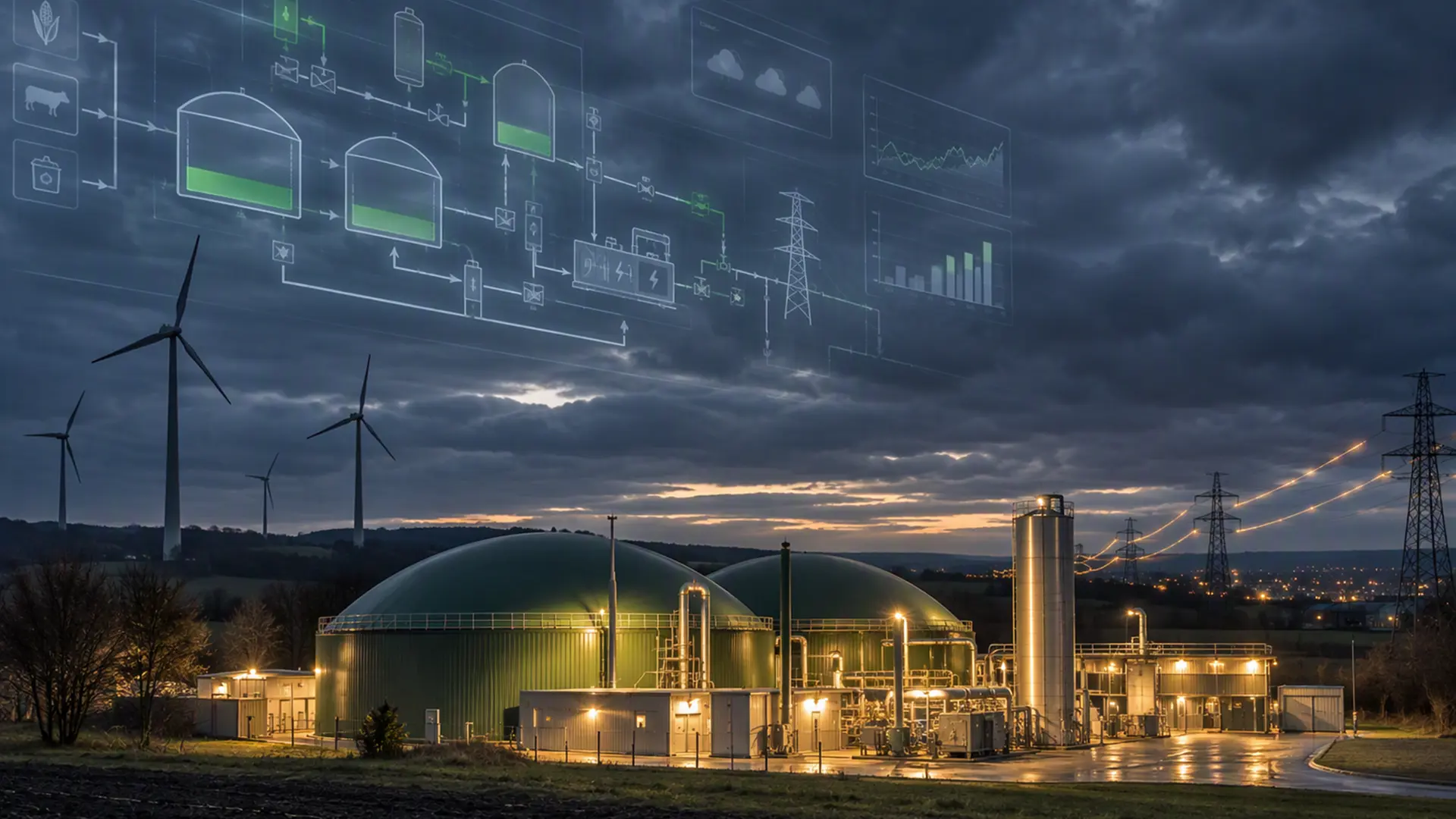
As Europe navigates the complexities of a climate-neutral energy grid, the reliance on weather-dependent renewables like wind and solar creates a critical vulnerability: the "Dunkelflaute"—a period of prolonged low wind and sunlight. A new technological initiative led by the Fraunhofer Institute for Interfacial Engineering and Biotechnology (IGB) aims to transform Germany’s 10,000 biogas plants into flexible, high-performance assets capable of stabilizing the grid exactly when it is needed most.
The Challenge of the "Dunkelflaute"
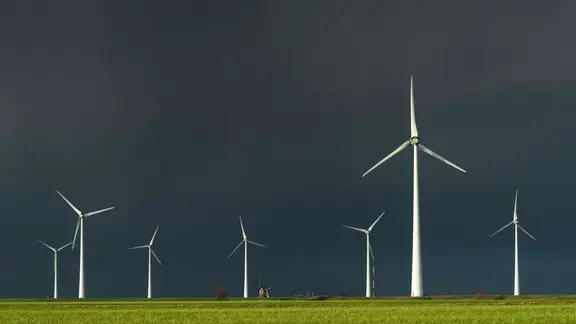
In the transition to a carbon-neutral economy, the inherent variability of wind and solar energy presents the greatest hurdle for grid stability. While Germany has made significant strides in installing photovoltaic and wind capacity, these sources are susceptible to seasonal lulls. Data from the KfW development bank, analyzed in early 2026, highlights that Germany experiences an average of 15 days per year characterized by these "dark doldrums" (Dunkelflaute), where renewable output drops significantly, threatening power reliability.
Historically, these periods have required the activation of coal or natural gas-fired power plants to prevent blackouts. However, researchers at the Fraunhofer IGB argue that the solution already exists within the country’s decentralized energy infrastructure: the extensive network of existing biogas plants. By upgrading these facilities with advanced AI-driven digital platforms, they can transition from "baseload" suppliers to "peaking" plants that respond dynamically to market demands.
Chronology of the Technological Shift
The movement toward smarter, data-driven bioenergy is not a new concept, but its implementation has accelerated rapidly over the last 24 months.
- Early 2025: Initial pilot studies began at selected sites in central Germany, testing the integration of IoT (Internet of Things) devices with legacy biogas control systems.
- Late 2025: The Fraunhofer IGB team identified that while most plants already collect vast amounts of sensor data, this information remains siloed within proprietary, closed-loop systems.
- Early 2026: Development of the "Edge Device" architecture was finalized. This allowed for real-time data processing without the need for complex, cloud-dependent infrastructure that could be vulnerable to latency issues.
- October 2026: Official unveiling of the integrated digital platform, demonstrating how biogas operators can now synthesize operational efficiency with real-time electricity market pricing to optimize production cycles.
Supporting Data: The Landscape in Central Germany
The potential impact of this technology is best illustrated by the current infrastructure landscape in central Germany. As of October 2026, the states of Saxony, Saxony-Anhalt, and Thuringia host nearly 1,000 active biogas facilities.
| State | Number of Plants | Total Power Capacity (MW) |
|---|---|---|
| Saxony-Anhalt | 364 | 297 |
| Saxony | 334 | 175 |
| Thuringia | 280 | 144 |
Source: Marktstammdatenregister (October 2026)
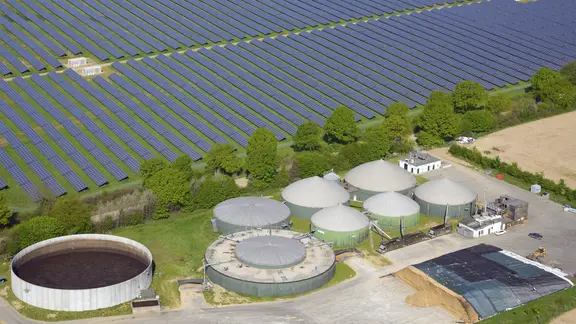
These facilities represent a massive, currently underutilized, flexible power reserve. The challenge has never been a lack of gas, but rather a lack of coordination. By using AI to synchronize the biological process of fermentation with the economic reality of the electricity market, operators can hold reserves of gas and release them into the grid during price peaks, which almost always coincide with periods of high demand during a Dunkelflaute.
The Technical Solution: Edge Computing and Data Bundling
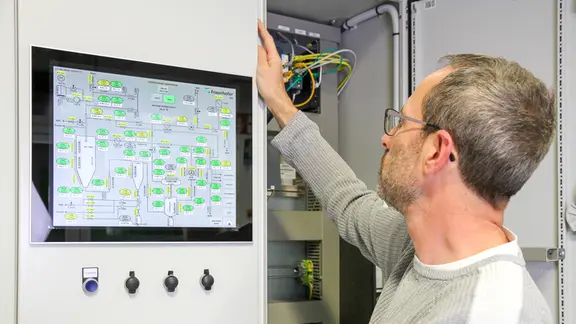
The Fraunhofer IGB’s innovation centers on the "Edge Device"—a specialized industrial computer installed directly on-site at a biogas plant.
Why Edge Computing?
Traditional digitalization projects often rely on sending data to a central cloud, which presents cybersecurity risks and requires stable, high-speed internet connections that may not be available in rural agricultural zones. The Edge Device processes data locally. It integrates information from:
- Sensors: Temperature, pressure, and gas composition within the fermenter.
- Operational Logs: Pump activity, agitator performance, and historical maintenance cycles.
- Market Data: Real-time electricity spot market prices and weather forecasts.
By analyzing this data, the AI generates specific "operating recommendations." For example, if the system predicts a drop in wind speeds and a concurrent rise in market electricity prices for the following 48 hours, it can advise the operator to pause immediate electricity production, accumulate gas in the facility’s storage, and ramp up power generation only when the grid value is maximized.
Optimizing the "Feeding" Cycle
The process of "feeding" the fermenter is the engine of the operation. The new platform doesn’t just manage the gas-to-electricity conversion; it optimizes the inputs. By analyzing the biological health of the bacteria and the cost of different substrates (organic waste, energy crops, etc.), the software assists operators in planning the nutrient mix. This ensures that the facility produces the highest possible gas yield at the lowest cost, while timing the output for grid stability.
Implications for Future Energy Infrastructure
The implications of this technology extend far beyond the biogas sector. The modular nature of the Fraunhofer IGB platform means the software architecture can be adapted for a variety of industrial applications.
1. Wastewater Treatment Plants
Large-scale municipal water treatment facilities are major energy consumers. By applying the same AI-driven optimization, these plants could better manage their aeration systems, which account for a massive percentage of their total power consumption, effectively shifting their load to off-peak times or integrating their own energy recovery systems more effectively.
2. Smart Irrigation and Trinkwasser
The technology can be utilized in agricultural irrigation and municipal water supply systems to manage pump operations based on water demand and renewable energy availability. This creates a circular, intelligent system where "energy-hungry" infrastructure becomes a flexible component of the national grid.
3. A New Business Model for Farmers
For agricultural operators, this represents a transition from being simple "energy producers" to becoming "grid-service providers." As the German energy market moves toward more sophisticated demand-response pricing, the ability to store energy (in the form of biogas) and deploy it strategically is becoming a primary revenue stream. This provides a necessary financial buffer for farmers, potentially increasing the resilience of the rural economy.
Official Perspective and Future Outlook
Researchers from the Fraunhofer IGB emphasize that the goal is not to force maximal production, but "intelligent" production. "The transition to a renewable-based energy system is not just about building more turbines or panels," says one lead researcher. "It is about the intelligence we apply to the resources we already have. By making biogas plants ‘aware’ of the grid’s needs, we effectively turn them into the batteries of the German energy transition."
While critics often point to the costs of upgrading legacy infrastructure, the Fraunhofer team notes that their solution is designed to leave existing primary control systems untouched. The Edge Device acts as an intelligent overlay, making the upgrade path financially accessible for small-to-medium-sized operators who might otherwise be priced out of the digital transformation.
As we look toward the winter months, the integration of these AI-powered systems could mark a turning point. If the 1,000 plants in central Germany—and the thousands more across the nation—can successfully transition to this flexible model, the "Dunkelflaute" may eventually lose its status as a threat to national stability. Instead, it will simply become another operational variable that a smart, interconnected, and digitized energy grid can manage with ease.
The path forward is clear: the energy transition will be won in the details of operational efficiency, the synthesis of biological processes, and the deployment of decentralized artificial intelligence. The silent, steady hum of the biogas generator, once a static element of the farm, is set to become the heartbeat of a stable, resilient, and sustainable power grid.