By Staff Reporter, based on investigations by MDR Sachsen
Introduction: The Midnight Knock
It was the early hours of October 22, 1946, when the stillness of the Soviet occupation zone in Germany was shattered by a coordinated, massive, and clandestine operation. Across Saxony and other parts of the Soviet-occupied territory, thousands of German scientists, engineers, technicians, and their families were jolted from their sleep by the rhythmic, intimidating thud of boots and the cold, mechanical click of Soviet soldiers’ submachine guns.
This was the beginning of Operation "Osoaviakhim"—a massive, state-sanctioned abduction that saw the cream of German technical intellect forcibly relocated to the heart of the Soviet Union. For those affected, the world changed in the span of a few hours. With only a handful of suitcases permitted and no information regarding their destination or the duration of their "assignment," these families were loaded onto trains and whisked away into the vast unknown. For decades, this event remained a footnote in history, a hushed trauma buried under the politics of the Cold War. Today, survivors and historians are finally shedding light on how this forced migration shaped not only the individual lives of thousands but also the trajectory of the Soviet aerospace industry and the post-war development of German aviation.
Chronology of the Operation
The planning for Operation Osoaviakhim was as meticulous as it was ruthless. Stalin’s administration, desperate to rebuild a nation ravaged by war and to secure a technological edge in the emerging nuclear and jet age, recognized that German expertise was the "spoils of war" they valued most.
- October 22, 1946: The operation commences simultaneously across the Soviet zone. The scope is staggering: approximately 2,000–3,000 specialists, along with their families, are detained. In total, over 6,000 people are displaced.
- Late 1946 – 1947: The experts arrive at various secret sites across the USSR, including Podberesje, near the Volga River. They are tasked with reconstructing German wartime research—specifically in rocket propulsion, radar, and jet aviation.
- 1950 – 1954: As the Soviet Union begins to absorb the German technical knowledge and train their own domestic workforce, the "German specialists" are gradually permitted to return to the German Democratic Republic (GDR).
- 1958: The final major remnants of the deported groups are repatriated, though many have already integrated into the GDR’s state-led industrial machine, particularly in Dresden.
Supporting Data: The Human Cost and Technical Legacy
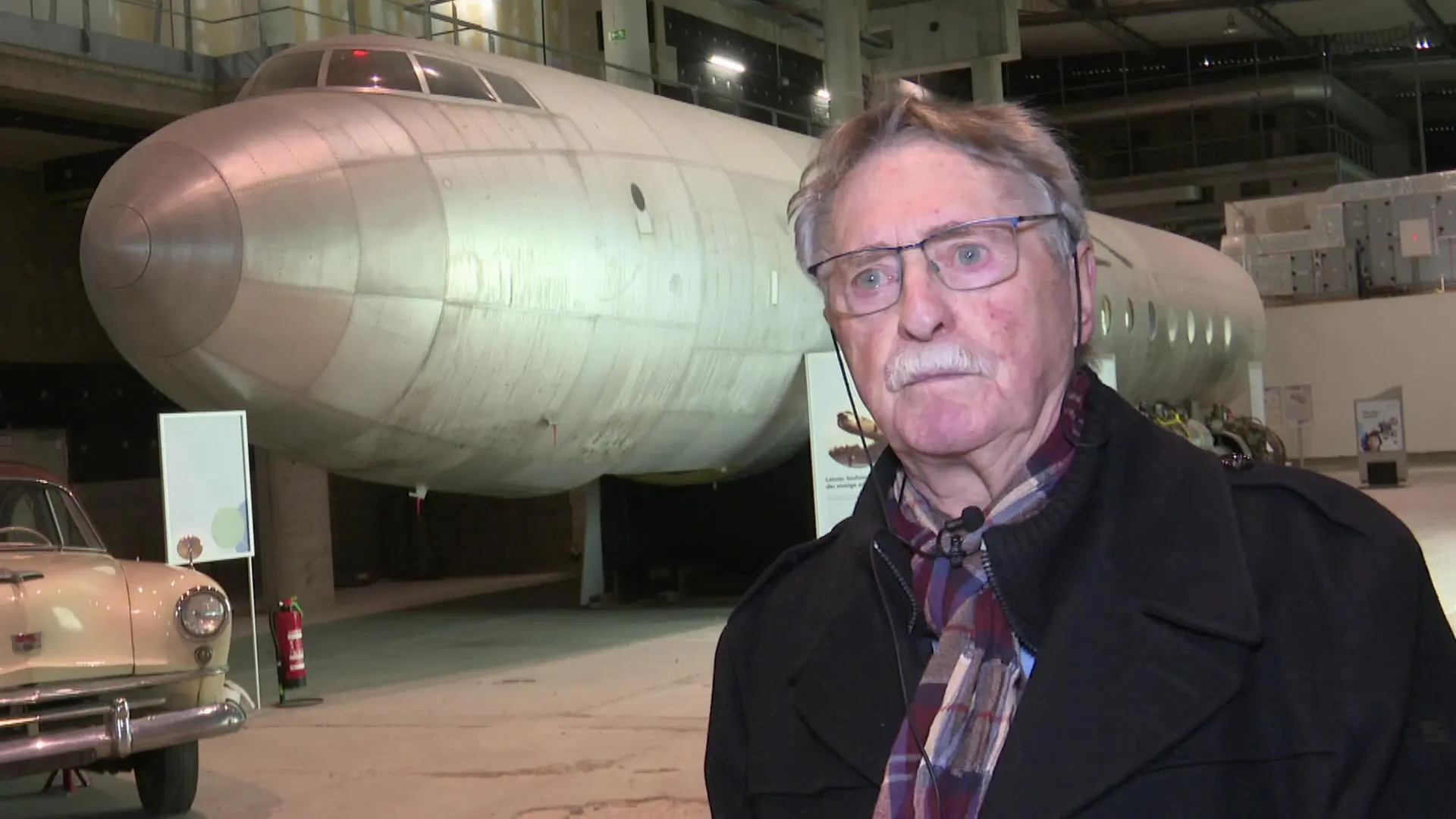
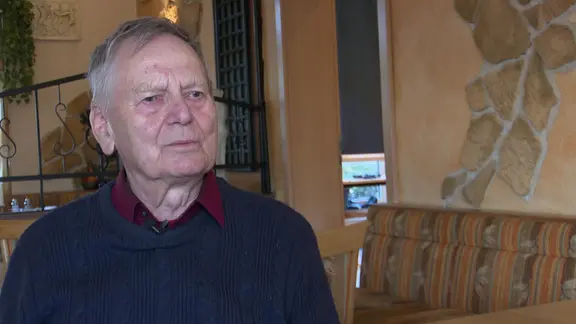
The personal accounts of survivors provide a haunting counter-narrative to the clinical language of official state documents. Konrad Eulitz, who was merely two years old when his family was rounded up, serves as a poignant witness to this era. His father, a gifted aerodynamicist, was among those seized.
"You have to imagine the scene," Eulitz recalls. "It is six in the morning. A Soviet officer is standing in your doorway, backed by armed soldiers. You are given no choice, very little information, and the uncertainty is paralyzing."
The living conditions in the Soviet Union were complex. While the families were effectively prisoners, they were also "high-value assets." Alfredo Paasch, another child of a deported Junkers employee, notes that while the local Russian population faced severe post-war shortages and famine, the German specialists were often granted access to "special shops" and better rations to ensure their productivity. This created a friction-filled existence; the Germans were simultaneously beneficiaries of the regime and targets of the local populace’s resentment.
Despite the captive nature of their work, these engineers contributed significantly to the Soviet Union’s rapid advancement in aeronautics. Their work on engine design and airframe aerodynamics laid the groundwork for later Soviet breakthroughs in the Cold War space race and military aviation.

The Dresden Connection: The Baade 152
The impact of the deportation was perhaps most deeply felt in Saxony, which had long been a hub for German aerospace manufacturing. When the experts finally returned, their experience did not vanish; it was channeled into the GDR’s state-owned industrial projects.
The most famous outcome of this "imported" knowledge was the Baade 152, the first and only passenger jet developed in East Germany. Named after chief designer Brunolf Baade, the project was a direct descendant of the research and development practices the scientists had been forced to engage in while in the Soviet Union. It represented a desperate bid by the GDR to stake a claim on the international aviation market. While the project ultimately failed to reach mass production due to political interference and economic constraints, it remains a monument to the technical resilience of the engineers who survived Operation Osoaviakhim.
Official Responses and the Culture of Silence
For the duration of the Cold War, the official narrative in East Germany regarding the deportation was one of "voluntary assistance." The state propaganda machine framed the move as a fraternal act of cooperation between socialist nations. In reality, the truth was an open secret.
The fear of the Stasi and the necessity of keeping one’s head down meant that families rarely spoke of their years in the Soviet Union. The deportation became a "taboo subject," even within family circles. Many survivors only began to openly discuss their experiences after the fall of the Berlin Wall in 1989. For many, the silence was not just a result of political pressure; it was a psychological defense mechanism against the trauma of their displacement.
Implications: History Reclaimed
The legacy of Operation Osoaviakhim is twofold. First, it underscores the brutal pragmatism of the early Cold War, where human lives were treated as mobile assets to be seized and utilized by superpowers. Second, it highlights the resilience of the individuals who, despite being uprooted, continued to push the boundaries of science.
Today, the work of people like Konrad Eulitz, who actively collaborates with the Interessengemeinschaft Luftfahrt Dresden (Dresden Aviation Interest Group), is vital. Through public lectures, the archiving of private documents, and the cataloging of survivor testimonies, these organizations are ensuring that the history of the deported families is not lost to the fog of time.
The story of the Saxonian aviation experts is a testament to a generation that lived through the most volatile period of the 20th century. By studying their displacement, we gain a clearer understanding of how the technological foundations of the modern world were built—often at the cost of the very people who designed them.
As we look back at the events of October 1946, the lesson is clear: the history of innovation is rarely just about equations and prototypes; it is about the people, the forced choices, and the long, silent struggle to preserve one’s identity in the face of absolute power. The commemoration of this event serves as a necessary act of historical justice, honoring the experts who, against all odds, left their mark on the skies of both East and West.