In an era dominated by algorithmic feeds and the constant pressure of digital curation, the literary preferences of the next generation are shifting. This year, the participants of the "Sächsischer Buchsommer" (Saxon Book Summer) have sent a clear message: they are not interested in escapism, but in confronting the stark, often uncomfortable realities of the digital age.
On Monday, the prestigious reader’s prize of the Saxon Book Summer was awarded in Freiberg to author Basma Hallak for her novel, Please Unfollow. The accolade, bestowed by a dedicated jury of young book enthusiasts, serves as a testament to the intellectual depth and social awareness of today’s adolescents. Rather than favoring lighthearted narratives, these young readers have championed a work that dissects the psychological toll of social media, proving that the youth of Saxony are deeply invested in the societal, political, and personal challenges that define their generation.
The Core Narrative: Why "Please Unfollow" Resonated
At the heart of this year’s competition was a rigorous selection process that saw young readers engaging with thirty distinct titles before narrowing them down to five finalists. Please Unfollow emerged as the definitive favorite. The novel centers on 16-year-old Sherry, whose life is effectively controlled and consumed by the digital world until she finds herself in a rehabilitation camp in the Saxon Switzerland region.
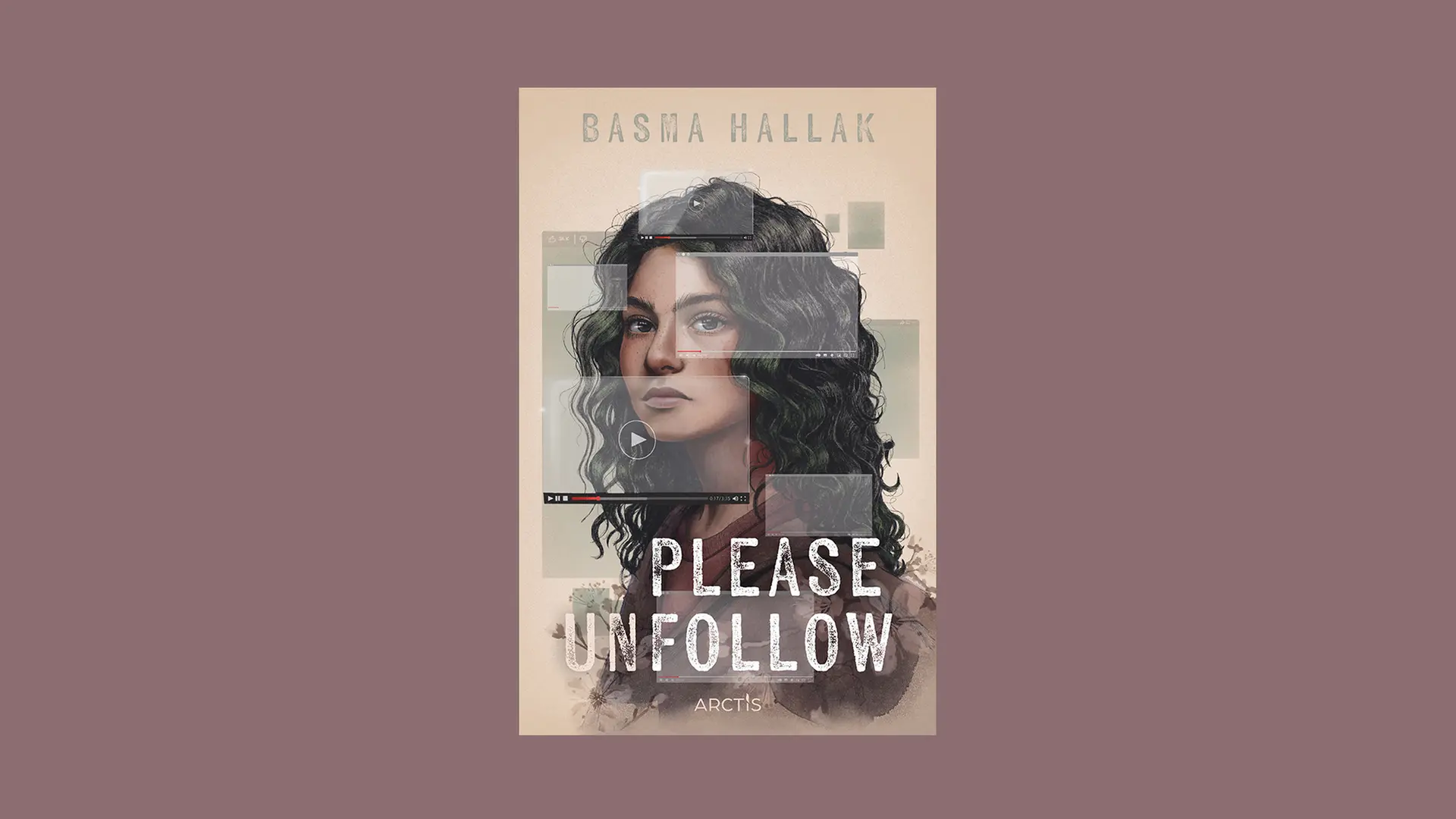
The story, which explores themes of digital exhaustion and the loss of personal agency, resonated with the jury not just for its premise, but for its narrative structure and emotional honesty. As Maria Beier, a tenth-grade student and juror, explained to MDR KULTUR, the selection process was grueling. "It was a truly difficult decision," Beier noted, having read roughly 200 books this year alone. "We wanted something that reflected our reality."
A Chronology of the Selection Process
The journey to the award ceremony began months prior, rooted in the grassroots efforts of the "Buchsommer" initiative. The process is unique because it is almost entirely youth-led:
- Initial Review: Participants across Saxony spent the summer months reading through a curated list of contemporary literature.
- The Grimma Deliberation: In early autumn, a dedicated youth jury gathered in Grimma to analyze the titles. Using a specialized voting system, they whittled the list down to five final candidates.
- Critical Discourse: Throughout this phase, the teens were supported by local book clubs, such as the one led by bookseller Ines Klisch in Grimma. These sessions allowed for a deeper, more sophisticated debate regarding the merits of each book.
- The Public Vote: Following the shortlisting, all participants of the Saxon Book Summer were invited to cast their final votes.
- The Award Ceremony: The culmination occurred this past Monday in Freiberg, where Basma Hallak formally accepted the prize, noting in a heartfelt video message the honor of having her work recognized by such a discerning audience.
Supporting Data and Literary Trends
The literary choices made by the Saxon youth this year highlight a broader trend in Young Adult (YA) literature. The finalists, which included Birk by Liv K. Schlett and Mama, bitte lern Deutsch by Tahsim Durgun, demonstrate a preference for "difficult" themes.

- The Power of Vulnerability: Birk was lauded by the jury for its experimental format—a series of anonymous internet diary entries. It deals with bedwetting and mental health issues, topics historically considered taboo in YA fiction. The jury’s statement noted that the book "breaks taboos by addressing shame-filled issues… as openly as few other youth books dare."
- Intersectionality and Identity: Tahsim Durgun’s Mama, bitte lern Deutsch provided another pillar of the competition. Through a lens of humor and biting irony, the book examines the immigrant experience, the complexities of acting as a translator for one’s parents, and the omnipresent reality of racism.
These books share a common thread: they refuse to offer "neat" endings. Maike Beier, who oversees the Buchsommer for the Saxon Library Association, observed that the jury was consistently drawn to the most challenging material. "They want the things that can’t be easily resolved," she stated. "They want the social critique, the political weight, and the family conflicts."
Official Responses and Ministerial Praise
The significance of the award has not gone unnoticed by regional authorities. Barbara Klepsch, the Saxon Minister of Culture, commended the initiative for highlighting the intellectual rigor of the state’s youth.
"The prize demonstrates how young people are grappling with the challenges of our time through literature," Klepsch remarked. "I am fascinated by how engaged and competent these young jurors are in their analysis."

The professional community, represented by the Saxon Library Association, echoed these sentiments. The process of the Buchsommer is designed to empower young people to see themselves as critics rather than just consumers. By facilitating discussions in libraries—such as the award-winning library in Hoyerswerda—the Association has successfully fostered a culture where reading is a communal, intellectual, and, above all, critical act.
The Implications: A Shift in Media Consumption
The success of Please Unfollow acts as a cultural barometer for the "Digital Native" generation. While older generations often worry about the screen-time habits of teens, this award indicates that young people are not passive consumers of their own digital environments. They are acutely aware of the dangers of performative living and the erosion of privacy.
The "Digital Detox" Realization
For many jurors, the act of reading Please Unfollow was a transformative experience. Maria Beier admitted that, prior to reading the book, she hadn’t fully grasped the extent of the societal pressure exerted by social media algorithms. The book acted as a mirror, forcing a realization about the nature of the "curated self."

Future Trends in Publishing
The publishing industry is taking note. The preference for raw, honest, and socially conscious storytelling suggests that the market for "fluffy" or overly idealized teen fiction may be waning. Young readers are demanding literature that mirrors their anxieties—whether it is the pressure to be constantly online, the struggle with mental health, or the friction of living in a multicultural society.
Conclusion: The Resilient Reader
The Saxon Book Summer 2026 has provided more than just an award; it has provided a platform for a generation to articulate its own anxieties and values. By honoring Basma Hallak, the youth of Saxony have signaled that they value literature that challenges them to think, to question the status quo, and to critically examine the digital platforms that shape their daily lives.
As the literary landscape continues to evolve, the voices of these young readers will undoubtedly influence the next wave of authors. They are not merely reading for entertainment; they are reading to understand their world, to break down the walls of shame surrounding their personal struggles, and to find a voice that is authentically their own in an increasingly noisy digital landscape. The message is clear: they are ready to turn off the notifications, put down the phone, and engage with the hard, necessary work of critical thought.