Introduction: A Defiant Comeback
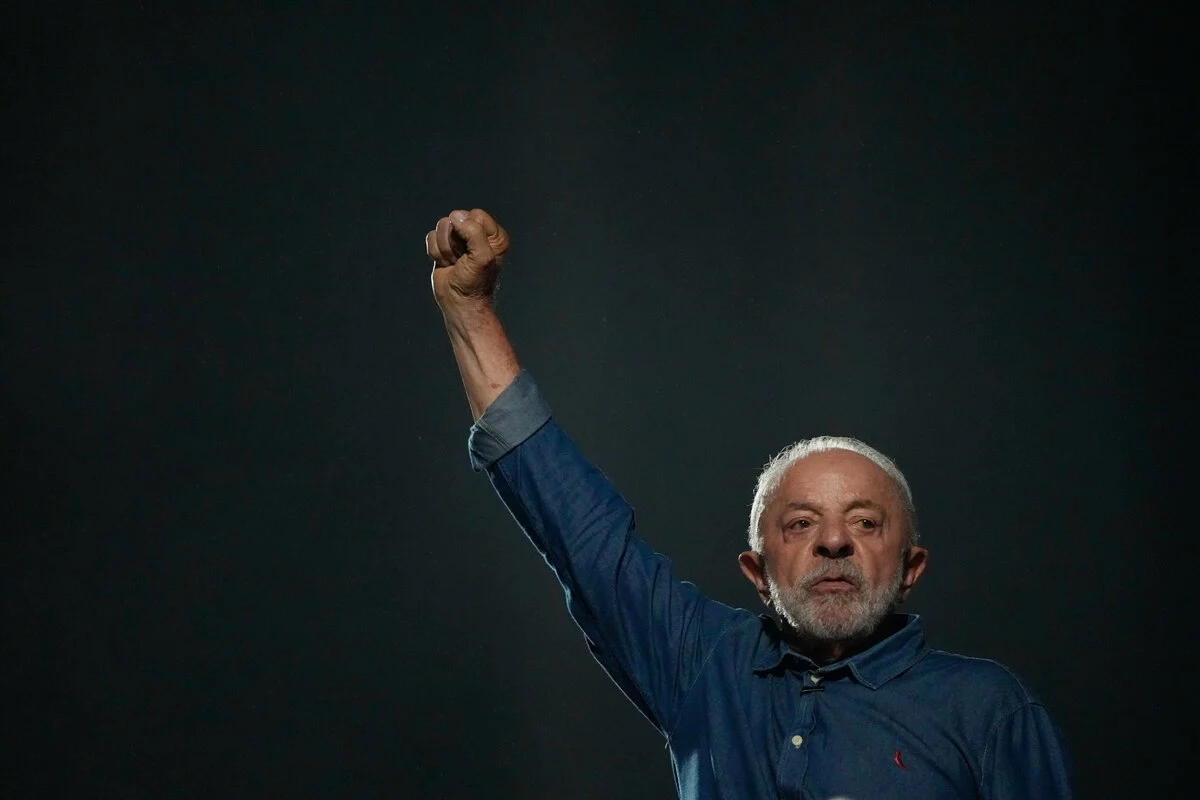
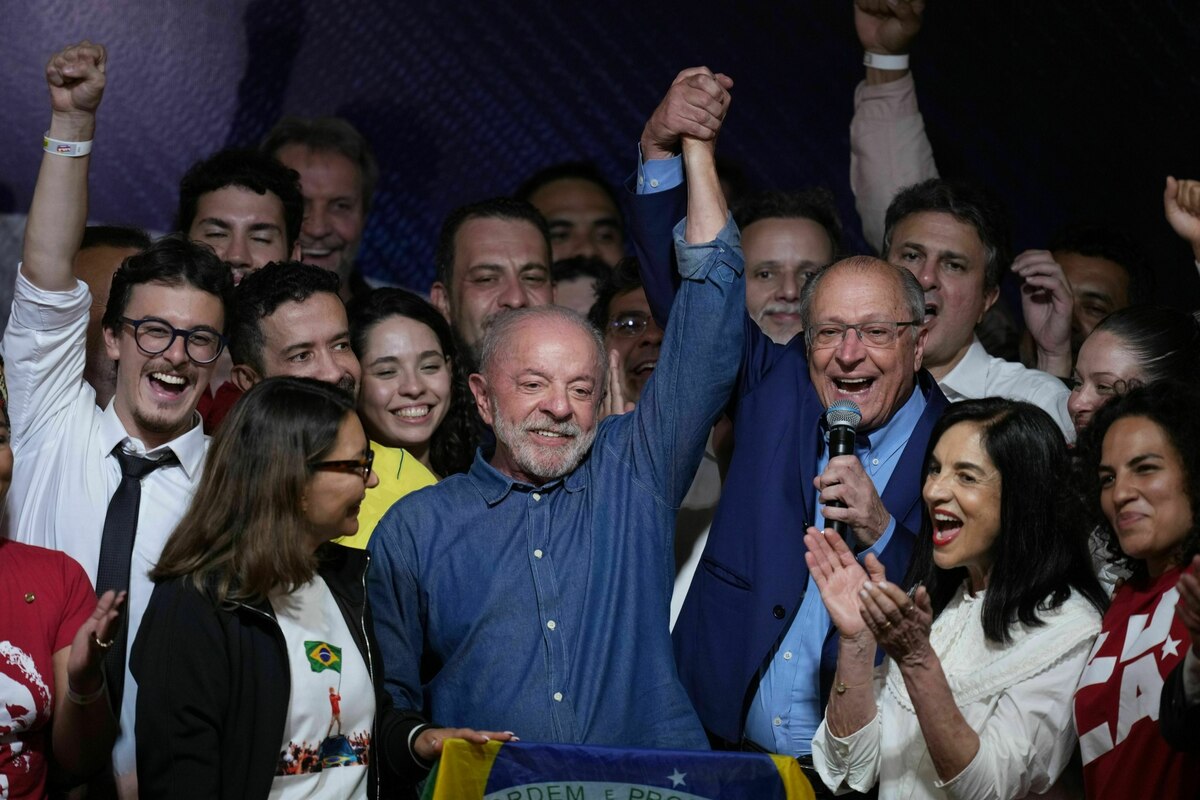
In a political landscape defined by deep polarization and uncertainty, Luiz Inácio Lula da Silva has achieved what many deemed impossible. At the age of 80, the veteran politician and former trade union leader has secured a fourth presidential term, defeating his opponent, Flávio Bolsonaro, in a high-stakes runoff election. As the final results flashed across screens at 9:09 PM on Sunday, the tally confirmed a 51.8% to 48.2% victory for Lula.
This result, however, is not merely a statistical win; it represents a seismic shift in Brazilian politics. Yet, the celebration has been immediately tempered by a volatile reality: the refusal of the defeated camp to acknowledge the democratic process. The aftermath of this election serves as a microcosm of the global struggle between democratic institutionalism and the rise of right-wing populism.
Chronology of a High-Stakes Election Day
The path to victory was fraught with obstacles that turned the electoral process into a logistical and political marathon. On the day of the vote, reports emerged from eight Brazilian states detailing a concerning reduction in the availability of public transport buses. Under Brazilian law, these services are mandated to provide free transit to ensure that voters, particularly those in marginalized or remote areas, can exercise their right to vote.
Simultaneously, adverse weather conditions in several regions complicated voter turnout. In a move that would later become a flashpoint for legal controversy, a justice of the Supreme Court authorized a last-minute extension of voting hours. This decision, announced just three minutes before the originally scheduled close, left many polling stations scrambling to adjust. While the President of the Electoral Court, Kassio Nunes Marques—a nominee of the incumbent administration—maintained that the extension had no material impact on the outcome, the optics provided the opposition with the narrative fuel they required to contest the legitimacy of the result.
The Opposition’s Refusal to Concede
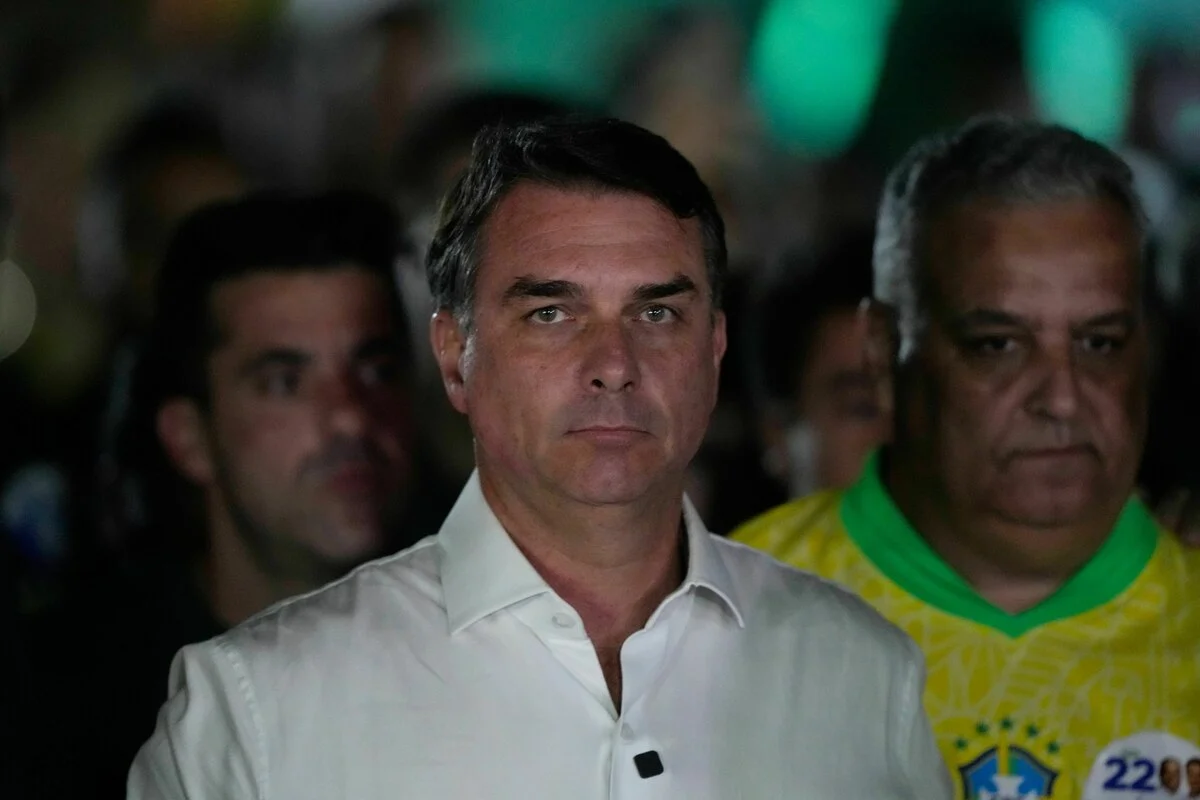
Almost immediately following the announcement of the results, the Bolsonaro campaign declared its intent to challenge the validity of the election. Labeling the extension of voting hours as "unprecedented" and "absurd," the opposition camp called for a total annulment of the election results.
The rhetoric from the opposition was incendiary. Before the final count, there had been widespread reports of planned victory celebrations in Brasília and internal discussions regarding cabinet appointments for a potential Bolsonaro administration. When the tide turned in favor of Lula, the planned stage for the incumbent’s victory speech was dismantled in silence, while in cities like São Paulo, the streets erupted in a cathartic wave of jubilation, flag-waving, and fireworks.

The Digital Battlefield: How Lula Mobilized the Masses
Few political analysts had anticipated such a robust comeback for Lula. Following the first round of voting, in which Flávio Bolsonaro held a two-point lead, the consensus was that the aging statesman lacked the digital footprint and youth appeal necessary to close the gap. Critics argued that the Workers’ Party (PT) was out of touch, burdened by its aging leadership and a failure to penetrate the social media algorithms that have become the primary battleground of modern Brazilian elections.
The narrative changed through an unconventional grassroots digital strategy. André Janones, the deputy tasked with steering Lula’s digital campaign, initiated a massive mobilization effort via WhatsApp. By organizing a channel of over 11 million users, the campaign executed daily "missions" aimed at countering disinformation and highlighting the stark contrasts between the two candidates.
These digital efforts were essential in educating younger voters who were largely unaware of the extensive social welfare programs initiated during Lula’s previous administrations. The campaign successfully pivoted from traditional media to a direct, peer-to-peer messaging strategy, forcing the discussion onto the corruption allegations surrounding the Bolsonaro family—including the incumbent’s past defense of a police officer involved in the killing of a child, and various reports of illicit political favors.

Despite claims by the PT that Meta’s algorithms favored right-wing content, Lula’s supporters managed to dominate the discourse. Efforts by the Electoral Court to block the "Exército do Lula" (Lula’s Army) WhatsApp channel were repeatedly overturned, as no evidence of illicit bot activity or systemic disinformation could be substantiated. Instead, the campaign benefited from the organic support of Brazil’s cultural elite—musicians, actors, and prominent influencers who rallied behind the veteran leader.
Supporting Data: The Shift in Voter Sentiment
The shift between the first and second rounds of the election was statistically significant. Lula managed to secure approximately 6.6 million more votes in the runoff than he had in the first round. This surge can be attributed to several factors:
- The Youth Vote: Despite early concerns, university students and young activists became the backbone of the "get-out-the-vote" effort, mobilizing for the defense of education and social rights.
- Economic Messaging: By contrasting the legacy of his past poverty-reduction programs with the current administration’s economic policies, Lula was able to win back disenfranchised demographics.
- The "Anti-Negationism" Platform: Lula’s rhetoric in the final weeks focused on rejecting the "negationism" of his opponent—a direct appeal to voters who felt disillusioned by the current government’s handling of crises.
Official Responses and Judicial Stance
The role of the judiciary proved to be the final arbiter of the election’s stability. Despite the political affiliation of certain judges, the Superior Electoral Court remained steadfast in its validation of the results. Geraldo Alckmin, Lula’s vice-presidential running mate, captured the mood of the establishment when he stated that Lula had, for the second time, "saved democracy."

The legal challenges posed by the Bolsonaro camp appear to be largely performative, aimed at satisfying a base that had been told for months that any result other than a victory would be the product of fraud. However, legal experts note that without concrete evidence of systemic technical failure, the courts are unlikely to entertain the request for annulment.
Implications for Brazil and Latin America
Lula’s victory is widely viewed as a check on the right-wing wave that has swept through parts of Latin America. It signifies a potential return to multilateralism and a focus on environmental policy, particularly regarding the Amazon. However, the domestic challenges are daunting.
- A Divided Nation: With a 51.8% to 48.2% split, Brazil remains a deeply polarized country. The new administration will inherit a legislature dominated by opposition interests, necessitating a delicate balancing act of coalition-building.
- Institutional Fragility: The refusal of the incumbent to concede peacefully creates a precarious environment for the transition. Ensuring the stability of democratic institutions will be the primary task of the first 100 days of the new administration.
- Social Reconciliation: Lula’s victory speech emphasized unity, but healing the wounds of the campaign trail will require more than rhetoric. The influence of the "digital army" and the intensity of the social media wars suggest that the polarization is not just political, but deeply societal.
Conclusion: A Second Chance for a Polarized Giant
As the dust settles on this historic election, the path forward for Brazil remains narrow. Lula da Silva has returned to the Palácio da Alvorada, not as the transformative figure of the early 2000s, but as a stabilizing force in a country that is grappling with its own identity.

The victory is, in many ways, a triumph of traditional political organization over the volatility of digital populism. Yet, the challenges posed by a recalcitrant opposition and a skeptical populace ensure that his fourth term will be perhaps his most difficult. Whether he can bridge the divide in a nation that has spent years shouting at itself across a digital chasm remains the defining question of his legacy. For now, Brazil looks toward January with a mix of cautious hope and profound uncertainty, knowing that the ballot box has spoken, but the political struggle for the nation’s soul is far from over.