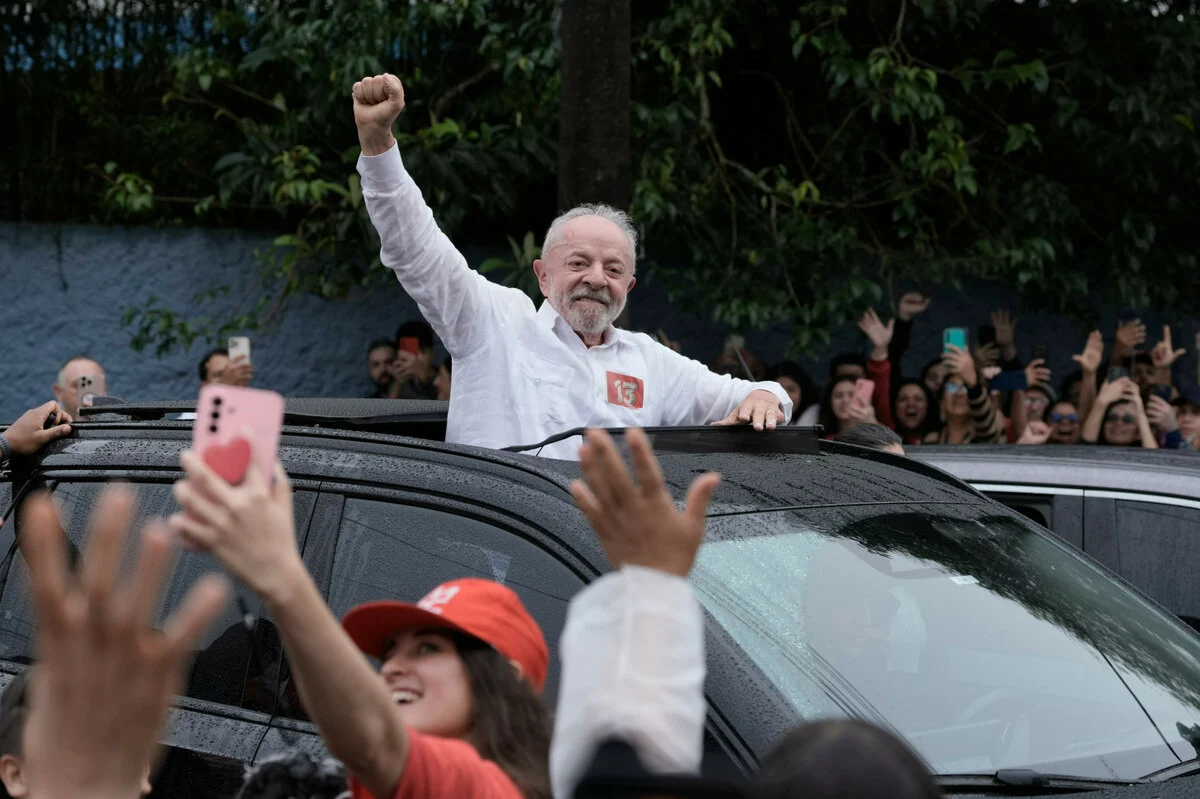
Brasília, Brazil – In a dramatic and highly contentious presidential runoff, Luiz Inácio Lula da Silva, the veteran leftist leader, has clinched a historic victory, securing a third term as Brazil’s president. The outcome marks a stunning political comeback for Lula, who previously governed Latin America’s largest economy from 2003 to 2010, and represents a significant setback for the far-right movement spearheaded by incumbent Jair Bolsonaro. The election, widely regarded as a pivotal directional decision for Brazil and the broader region, unfolded amidst a chaotic polling day marred by allegations of voter suppression and culminated in a narrow but decisive win for the Workers’ Party (PT) candidate.
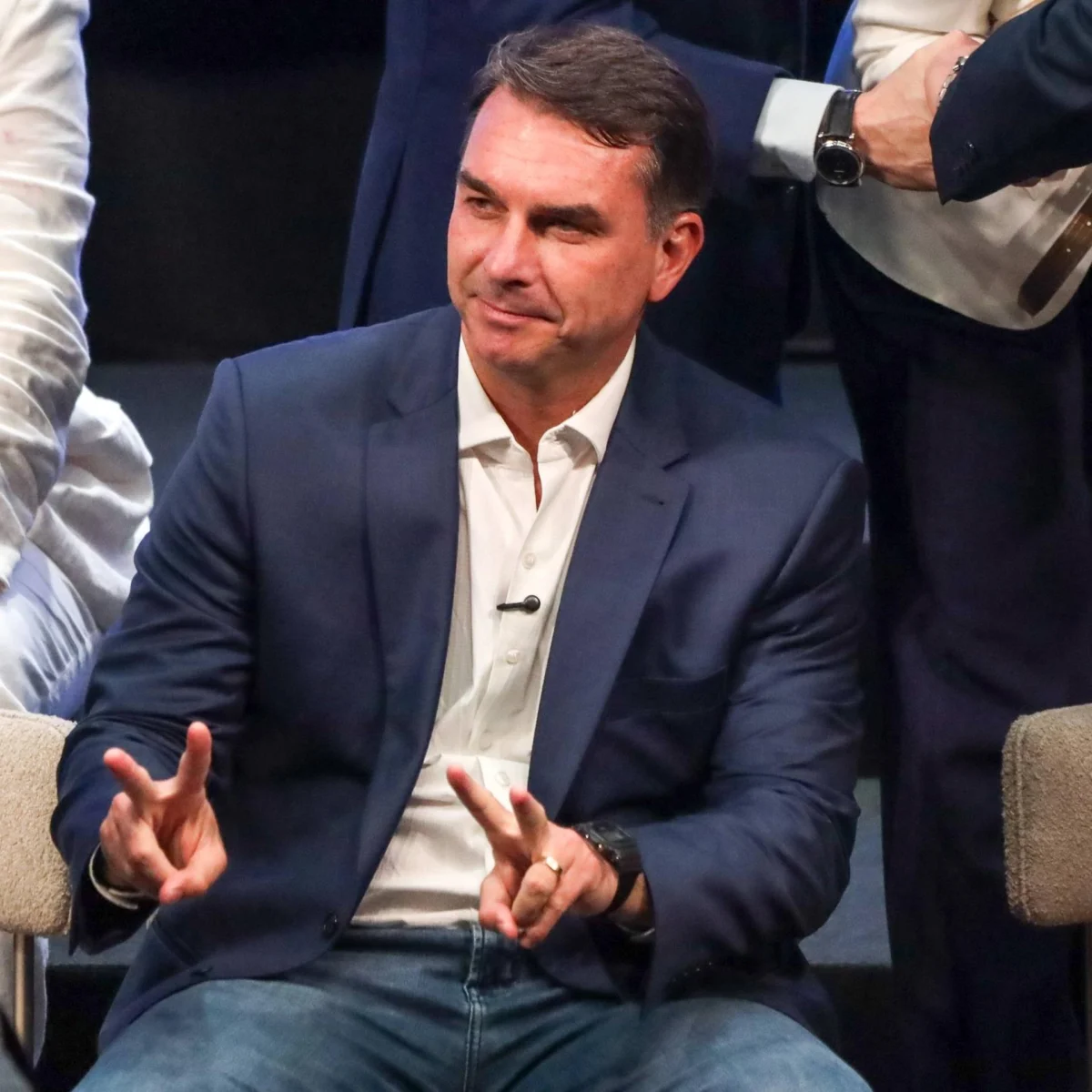
Lula garnered 51.75 percent of the votes, triumphing over Jair Bolsonaro, who secured 48.25 percent. This margin, while slim, was sufficient to prevent further extensions to the already protracted electoral process. The victory, however, was immediately met with a challenge from Bolsonaro’s camp, specifically from his son, Senator Flávio Bolsonaro, who announced intentions to contest the results, citing irregularities related to the extension of polling hours. This declaration cast an initial shadow of uncertainty over the transition, highlighting the deep political polarization that continues to grip the nation.
A Nation Divided: The Contentious Path to the Ballot Box
Brazil’s 2022 presidential election was arguably its most consequential and acrimonious since the return to democracy in the 1980s. It pitted two starkly different visions for the country against each other, embodying the profound ideological chasm that has developed over the past decade.
A Polarized Political Landscape
Luiz Inácio Lula da Silva’s political journey is one of the most remarkable in modern history. Rising from poverty and a career as a metalworker and union leader, Lula co-founded the Workers’ Party (PT) and, after several attempts, won the presidency in 2002. His two terms in office (2003-2010) were characterized by an economic boom fueled by commodity prices, significant social programs that lifted millions out of poverty, and an assertive foreign policy that elevated Brazil’s standing on the global stage. However, his legacy was later tarnished by the "Lava Jato" (Car Wash) corruption scandal, which led to his conviction and imprisonment on bribery charges, effectively sidelining him from the 2018 election. His convictions were later annulled, paving the way for his extraordinary return to the political arena.
Jair Bolsonaro, on the other hand, emerged as a potent force in Brazilian politics from relative obscurity. A former army captain and long-serving congressman, Bolsonaro capitalized on widespread public anger over corruption, crime, and traditional politics. His 2018 presidential campaign, fueled by social media and a strong anti-establishment message, resonated with a conservative base seeking a radical break from the past. His presidency was marked by controversial policies, including a rollback of environmental protections in the Amazon, a lax response to the COVID-19 pandemic, and frequent attacks on democratic institutions, the judiciary, and the press. His supporters, often referred to as "Bolsonaristas," remained fiercely loyal, viewing him as a bulwark against communism and moral decay.
The deep ideological divide between Lula’s progressive social-democratic agenda and Bolsonaro’s populist nationalism created an intensely charged atmosphere, with each candidate demonizing the other as an existential threat to Brazil’s future.
The First Round Surprise
The initial round of voting in early October had already signaled the tight and unpredictable nature of the race. Polls had consistently shown Lula with a significant lead, often suggesting a first-round victory was within reach. However, the actual results delivered a surprise, with Bolsonaro performing much stronger than anticipated. Lula secured 48.4 percent of the vote, just shy of the 50 percent needed for an outright win, while Bolsonaro captured a remarkable 43.2 percent. This unexpected showing invigorated Bolsonaro’s base and injected a new level of ferocity into the runoff campaign, defying predictions of a comfortable Lula win. The underestimation of Bolsonaro’s support by pollsters raised questions about polling methodologies and the extent of hidden support for the incumbent.
Escalation of Rhetoric and Allegations
The three weeks between the first and second rounds witnessed an unprecedented escalation of rhetoric, misinformation, and personal attacks. Both campaigns employed aggressive tactics, primarily leveraging social media platforms to disseminate their messages and discredit their opponent. Accusations of "fake news" and "disinformation" flew from both sides, leading to multiple requests by each campaign to the Supreme Electoral Court (TSE) to annul the other’s candidacy, citing unfair communication practices. The digital battlefield became central, with allegations that social media companies were biased or failing to curb the spread of misleading content. The political discourse became increasingly toxic, blurring the lines between legitimate criticism and outright slander, and pushing the country’s institutions, particularly the judiciary, to their limits in trying to maintain order and fairness.
Election Day Chaos: Obstacles and Extensions
The runoff election day itself was anything but smooth, marked by widespread reports of alleged voter suppression and logistical challenges that ultimately necessitated an unprecedented extension of polling hours.
Allegations of Voter Suppression
On Sunday, October 30th, as millions of Brazilians headed to the polls, alarming reports began to surface, particularly from the country’s Northeast region – a traditional stronghold for Lula and the Workers’ Party. Federal Highway Police (PRF) officers, whose director had been appointed by Bolsonaro, reportedly set up roadblocks on key routes, causing significant delays and hindering access to polling stations. These actions were widely interpreted by Lula’s campaign and many observers as a deliberate attempt to suppress voter turnout in areas expected to heavily favor the leftist candidate. Eyewitnesses and local officials reported long queues and frustrated voters, many of whom relied on public transport to reach their designated voting sites. The alleged targeting of public transport, particularly buses, was a critical point of contention, as it directly impacted the ability of poorer citizens to exercise their democratic right.
Lula’s camp quickly raised the alarm, demanding immediate intervention from the Supreme Electoral Court (TSE) to ensure all citizens had the opportunity to vote. The severity of the situation prompted widespread condemnation and calls for accountability from various political figures and civil society organizations.
Supreme Electoral Court Intervention
In response to the escalating crisis, Supreme Court Justice Cristiano Zanin, acting on behalf of the TSE, issued a decisive ruling. Citing the "severity of the incidents" and the fundamental importance of ensuring universal access to the ballot box, Justice Zanin ordered an extension of voting hours by two hours, pushing the closure time from 5:00 PM to 7:00 PM local time (23:00 CET). This extraordinary measure aimed to mitigate the impact of the reported transport issues and allow affected voters sufficient time to cast their ballots. The TSE, under the leadership of Justice Alexandre de Moraes, had already taken a firm stance throughout the election cycle against disinformation and any attempts to undermine the integrity of the electoral process, solidifying its role as a crucial guardian of Brazilian democracy.
Bolsonaro’s Stance and Counter-Arguments
Interestingly, Jair Bolsonaro’s campaign also voiced support for the extension of voting hours, albeit for different reasons. Bolsonaro attributed potential difficulties in voter access to heavy rainfall in the Southern and Southeastern regions of Brazil, areas where he enjoys significant support. While his stated concern was for all voters, this move was widely seen as a tactical maneuver, allowing his campaign to appear concerned about democratic access while potentially benefiting from extended voting in his own strongholds, thereby balancing out the alleged voter suppression in the Northeast. This contradictory stance underscored the strategic complexity and the high stakes of the election, where every incident was viewed through a partisan lens.
The Verdict: Lula’s Triumphant Return
As the extended voting period concluded and the ballot counting began, the nation held its breath. The initial results showed Bolsonaro in the lead, mirroring the pattern of the first round, which caused momentary anxiety among Lula’s supporters. However, as more votes from the Northeast and other Lula-friendly regions were tallied, the tide began to turn.
Narrow Margin, Decisive Outcome
The final count confirmed Lula’s victory with 51.75 percent of the valid votes against Bolsonaro’s 48.25 percent. The margin of approximately 3.5 million votes, though numerically significant, reflected the deeply divided nature of the Brazilian electorate. Lula’s victory was cemented by overwhelming support in the impoverished Northeast, where his social programs from previous mandates left an indelible mark, and by strong performances in the more urbanized and intellectual centers. Bolsonaro, conversely, maintained a robust base in the wealthier South and Southeast, among evangelical Christians, agribusiness, and segments of the military and police forces.
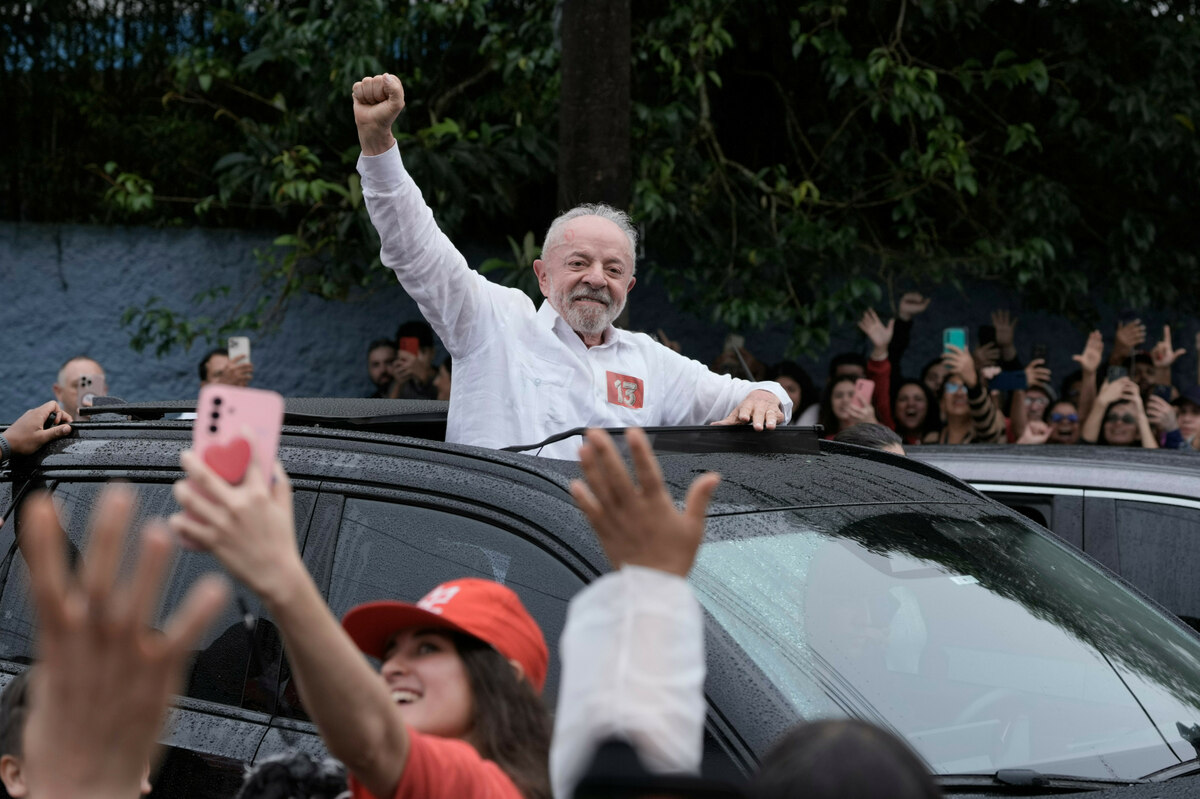
For Lula and his supporters, the victory was not just a political win but an emotional vindication. It represented a triumph of democracy over authoritarian tendencies, a return to social justice, and a renewed hope for a more inclusive Brazil. Celebrations erupted in major cities across the country, with crowds donning red shirts and chanting Lula’s name, marking the end of a tumultuous political chapter and the beginning of another.
International Acclaim and Domestic Relief
The international community reacted swiftly and largely positively to Lula’s victory. Congratulatory messages poured in from world leaders, including U.S. President Joe Biden, French President Emmanuel Macron, German Chancellor Olaf Scholz, and numerous heads of state from Latin America and beyond. Many highlighted the democratic resilience of Brazil and expressed eagerness to collaborate with Lula on issues ranging from climate change to trade and regional stability. This widespread international recognition served to immediately bolster the legitimacy of the election results and Lula’s mandate, sending a clear signal to any domestic actors contemplating challenging the democratic outcome. For many international observers, Lula’s return symbolized a potential shift back towards multilateralism and environmental stewardship, particularly concerning the Amazon rainforest.
The Aftermath: A Disputed Result and Uncertain Transition
Despite the clarity of the electoral court’s announcement and the international recognition, the immediate aftermath of the election was characterized by a period of tense uncertainty, largely driven by the Bolsonaro camp’s refusal to immediately concede.

Bolsonaro Camp’s Challenge
Hours after the official declaration of Lula’s victory, Senator Flávio Bolsonaro, Jair Bolsonaro’s son, publicly stated his intention to challenge the election results. The primary ground for this challenge was the two-hour extension of voting, which he argued constituted an irregularity that could have altered the outcome. While the specific legal mechanisms for such a challenge remained somewhat vague, the declaration signaled the Bolsonaro camp’s unwillingness to accept defeat gracefully.
Crucially, Jair Bolsonaro himself maintained a conspicuous silence for nearly 48 hours following the results, fueling speculation and anxiety about his intentions. His delayed, and ultimately ambiguous, statement acknowledged the electoral process but conspicuously avoided a direct concession of defeat, instead urging his supporters to protest peacefully. This lack of a clear concession, coupled with his son’s challenge, raised concerns about the potential for civil unrest and prolonged legal battles, echoing similar post-election scenarios witnessed in other democracies. The Supreme Electoral Court, however, remained steadfast in its affirmation of the election’s integrity and the legitimacy of Lula’s victory, indicating a strong legal barrier against any attempts to overturn the results.
Risks of Unrest and Democratic Stability
The deep divisions within Brazilian society, exacerbated by Bolsonaro’s rhetoric questioning the electoral system, created fertile ground for potential unrest. Immediately following the election, truck drivers, a key base of support for Bolsonaro, began blocking roads across the country in protest, disrupting logistics and causing concern. These actions, while not on the scale that some feared, highlighted the fragility of social cohesion and the potential for a segment of the population to reject democratic outcomes.
The stability of Brazilian democratic institutions faced a significant test. The judiciary, particularly the Supreme Federal Court and the TSE, played a crucial role throughout the election cycle in defending the electoral process against attacks and misinformation. Lula’s victory, and the subsequent peaceful, albeit contentious, transition, would be a testament to the resilience of these institutions. However, the legacy of political polarization and the enduring influence of Bolsonarism suggested that challenges to democratic norms might persist well beyond the immediate election aftermath.
Broader Implications: A New Era for Brazil and Beyond
Lula’s return to the presidency carries profound implications, not only for Brazil’s domestic trajectory but also for its role in Latin America and on the global stage.
Domestic Policy Shifts
Economy: Lula’s government is expected to pivot sharply from Bolsonaro’s liberal economic policies. The focus will likely shift towards increased state intervention, investment in social programs, and measures aimed at reducing poverty and inequality. This includes potentially expanding cash transfer programs, investing in infrastructure, and strengthening public services. The challenge will be to achieve these goals in a post-pandemic economy marked by high inflation and a global slowdown, without jeopardizing fiscal stability.
Environment: One of the most significant anticipated changes is in environmental policy. Lula has pledged to prioritize the protection of the Amazon rainforest, reversing Bolsonaro’s policies that saw record deforestation rates. He is expected to re-engage with international partners, including the Amazon Fund, and strengthen environmental enforcement agencies. This shift is crucial for global climate efforts and will likely be welcomed by international environmental organizations and governments.
Social Policy: Lula’s administration will likely emphasize inclusion, indigenous rights, and cultural diversity. This stands in stark contrast to Bolsonaro’s often confrontational approach to minority groups and cultural institutions. Efforts to combat racism, strengthen LGBTQ+ rights, and protect indigenous territories are expected to be central to his social agenda.
Democracy and Institutions: A key priority for Lula will be to restore trust in democratic institutions and norms, which faced unprecedented attacks under Bolsonaro. This involves strengthening the judiciary, ensuring freedom of the press, and promoting a more respectful political discourse.

Regional Realignments in Latin America
Lula’s victory contributes significantly to a broader "pink tide" or "leftward shift" observed across Latin America. With recent electoral wins for leftist leaders in Chile (Gabriel Boric), Colombia (Gustavo Petro), Argentina (Alberto Fernández), and Mexico (Andrés Manuel López Obrador), Lula’s return places Brazil firmly within a bloc of progressive governments. This alignment could lead to a revitalization of regional integration efforts and blocs like Mercosur and potentially a revival of UNASUR, fostering greater political and economic cooperation. Brazil, under Lula, is likely to reassert its leadership role in the region, advocating for shared solutions to common challenges such as poverty, inequality, and climate change.
Global Impact and International Relations
On the global stage, Lula’s presidency signals Brazil’s return to multilateralism and a more active engagement with international institutions. Unlike Bolsonaro, who often pursued an isolationist and ideologically driven foreign policy, Lula is expected to re-establish Brazil as a significant player in global diplomacy. This includes renewed engagement with the BRICS group (Brazil, Russia, India, China, South Africa), closer ties with emerging economies, and a more constructive relationship with Western powers.
His commitment to protecting the Amazon will have a profound impact on global climate efforts, positioning Brazil as a key partner in addressing the climate crisis. Lula’s experience and diplomatic skills are expected to mend strained international relationships and project a more pragmatic and globally-minded image for Brazil.
Conclusion: A Path Forward Amidst Persistent Divides
Luiz Inácio Lula da Silva’s third presidential victory is a monumental event in Brazilian history, representing a powerful narrative of resilience, redemption, and the enduring strength of democratic processes. His return to power, after a period of political persecution and imprisonment, is a testament to his remarkable political acumen and the deep connection he maintains with a significant portion of the Brazilian populace.
However, the election also laid bare the profound and persistent divisions within Brazilian society. The narrow margin of victory, the chaotic election day, and the immediate challenge to the results underscore the formidable task ahead for Lula. He inherits a nation deeply polarized, grappling with economic challenges, and in need of healing and reconciliation. His ability to unite a fractured country, address pressing social and economic issues, and restore environmental stewardship will define his legacy.
As Brazil embarks on this new chapter, the world watches keenly. Lula’s presidency will not only shape the future of Latin America’s largest democracy but also influence global efforts on climate change, economic development, and international cooperation. The path forward will undoubtedly be challenging, but Lula’s historic comeback offers a glimmer of hope for a more inclusive, just, and environmentally conscious Brazil. The ultimate test for Brazilian democracy lies in its ability to navigate these persistent divides and forge a common future, despite the ideological chasms that remain.