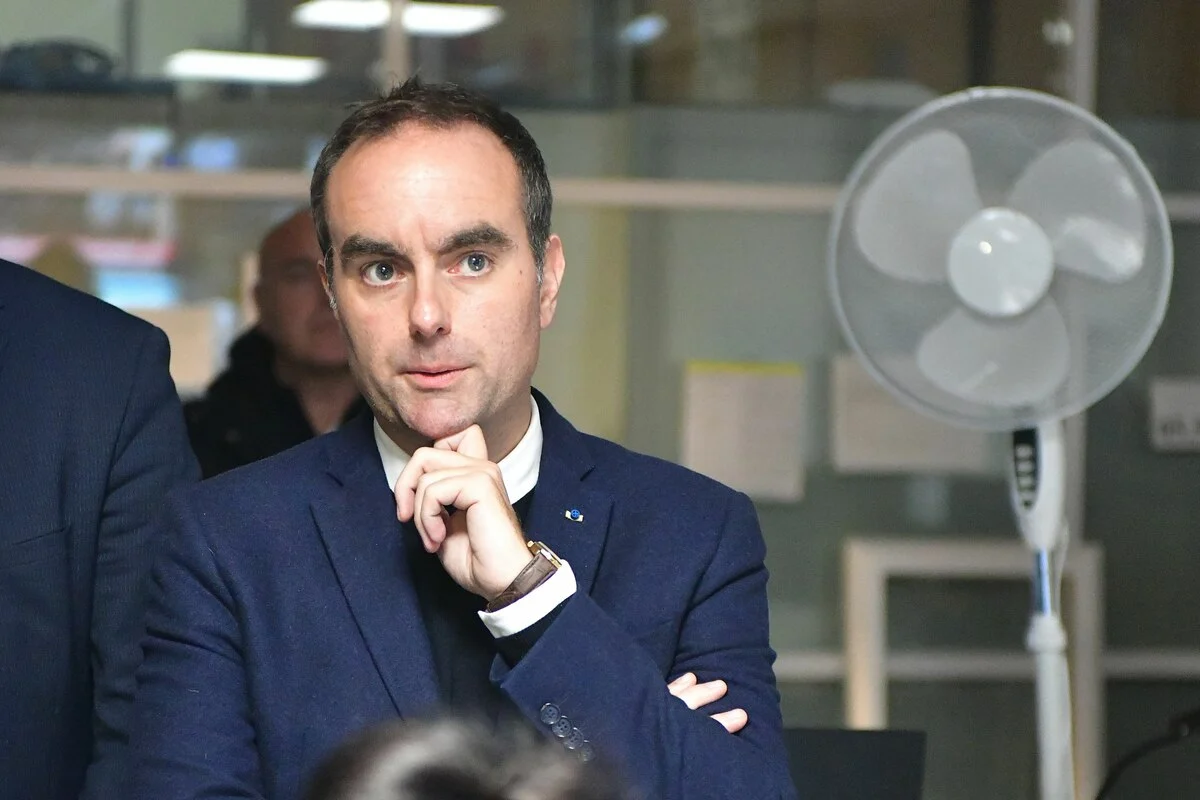
Vincent Kompany, the head coach of FC Bayern Munich, has been hospitalized following recurring health collapses. While the football world focuses on the tactical void left at the Allianz Arena, the incident has ignited a broader, necessary conversation about the intersection of professional high-performance culture, systemic racial expectations, and the dangerous glorification of self-sacrifice.
Main Facts: A Crisis in the Spotlight
The football community was shaken this week when reports confirmed that Vincent Kompany, the highly regarded manager of FC Bayern Munich, had collapsed twice in quick succession. The intensity of the demands placed upon the manager of one of the world’s biggest clubs has reached a breaking point, resulting in his admission to a clinic for medical observation and treatment.
Kompany, known for his composed demeanor and intellectual approach to the game, has earned praise not only for his tactical acumen but for his integrity. However, the physical toll of his leadership has become impossible to ignore. While official statements from the club—coordinated by board member Max Eberl—have remained guarded, citing the need for privacy, Kompany himself suggested following his first incident that he may have been suffering from the aftereffects of a persistent, untreated viral infection.
This incident is more than a medical update; it is a flashpoint for a society that demands superhuman output from its leaders, particularly those from minority backgrounds.
A Legacy of "Double the Work"
To understand the gravity of Kompany’s current state, one must look at the formative lessons that shaped his work ethic. In past interviews, Kompany has spoken candidly about the guidance provided by his mother. As a Black man in a predominantly white European environment, he was told early on that the threshold for proving one’s worth is unevenly set.
"People with a different skin color have it twice as hard in this society to find a job," he was told. The consequence of this lesson was a decision to work twice as hard as anyone else to ensure his position remained unassailable. This "double-burden" is a well-documented phenomenon among high-achieving individuals from marginalized backgrounds, where the margin for error is perceived—and often is—significantly narrower.
For Kompany, this was not merely a survival strategy; it became the foundation of his career. However, as he transitioned from a legendary player to a top-tier manager, that early, survival-based motivation transformed into a professional ethos of relentless perfectionism. In the high-stakes environment of the German Bundesliga, where the FC Bayern "Mia San Mia" mentality demands absolute dominance, this drive for excellence has become a double-edged sword.
Chronology of a Leadership Shift
- May 2026: Kompany distinguishes himself beyond the tactical realm. When his colleague José Mourinho was accused of downplaying racist insults directed at a player, Kompany did not retreat into the safety of corporate neutrality. Instead, he delivered an unscripted, twelve-minute speech that remains one of the most powerful anti-racist statements in modern sports history.
- Late 2026: As his profile grew, so did the scrutiny. Kompany’s reputation as a "woke" and socially conscious leader reached the highest levels of German politics. Ironically, he was awarded a prize by the Bavarian Minister-President, an act that drew attention given the shifting political climate and the rising rhetoric regarding race and identity within the Union parties.
- October 2026: The physical reality of his high-pressure lifestyle manifested. After a series of intense matches and public engagements, Kompany suffered his first collapse.
- Present Day: Following a second collapse, the club confirms his medical treatment, prompting a nationwide discourse on the sustainability of the "performance society" and the culture of ignoring physical warning signs to project strength.
The Culture of the "Sacrificial Leader"
The tragedy of Kompany’s situation is compounded by the societal structure that rewards, and often demands, such self-destruction. In the current German professional landscape, there is a pervasive "whip-cracking" rhetoric that equates physical exhaustion with professional dedication.

There is, as yet, no prize for the leader who has the courage to say, "I am sick, and I am staying home." In an era where work-life balance is often discussed but rarely practiced at the executive level, Kompany’s collapse serves as a grim mirror for the modern workplace. The pressure to outperform peers, combined with the structural weight of racial expectations, created an environment where resting was not just discouraged—it was viewed as a failure of character.
Political discourse in Germany has frequently championed a "performance-first" ideology, often ignoring the human cost of such a system. When we praise leaders for their "grit" while they are clearly suffering from burnout or physical ailment, we are effectively incentivizing a cycle of health crises.
Official Responses and Tactical Implications
FC Bayern Munich’s leadership has been forced to confront the vulnerability of their management structure. Max Eberl, the club’s sporting director, has emphasized that the primary concern is the health of the individual, not the continuity of the tactical plan. However, the absence of a manager of Kompany’s caliber creates a vacuum that is difficult to fill in a competitive season.
The club has kept details regarding his specific diagnosis private, a move that is both professional and necessary. Yet, the silence surrounding his condition also highlights the difficulty of discussing health, mental well-being, and vulnerability in the hyper-masculine world of professional football.

The Broader Implications: A Reckoning
Vincent Kompany is not just a coach; he is a symbol of a generation attempting to balance high-level achievement with personal identity and moral integrity. His situation forces us to ask: What are we actually asking of our leaders?
- The Myth of Meritocracy: The necessity for Kompany to "work twice as hard" underscores the reality that meritocracy is often an uneven playing field. As long as systemic biases exist, individuals will continue to push themselves to the point of collapse to compensate.
- Redefining Leadership: True strength in the 21st century should include the capacity for self-preservation. A leader who knows when to step back to recover is not a "weak" leader; they are a sustainable one.
- The Institutional Responsibility: Organizations, including global football giants, must move beyond the lip service of "well-being" and create structural guardrails that prevent leaders from working until they reach a breaking point.
Conclusion: Beyond the Sidelines
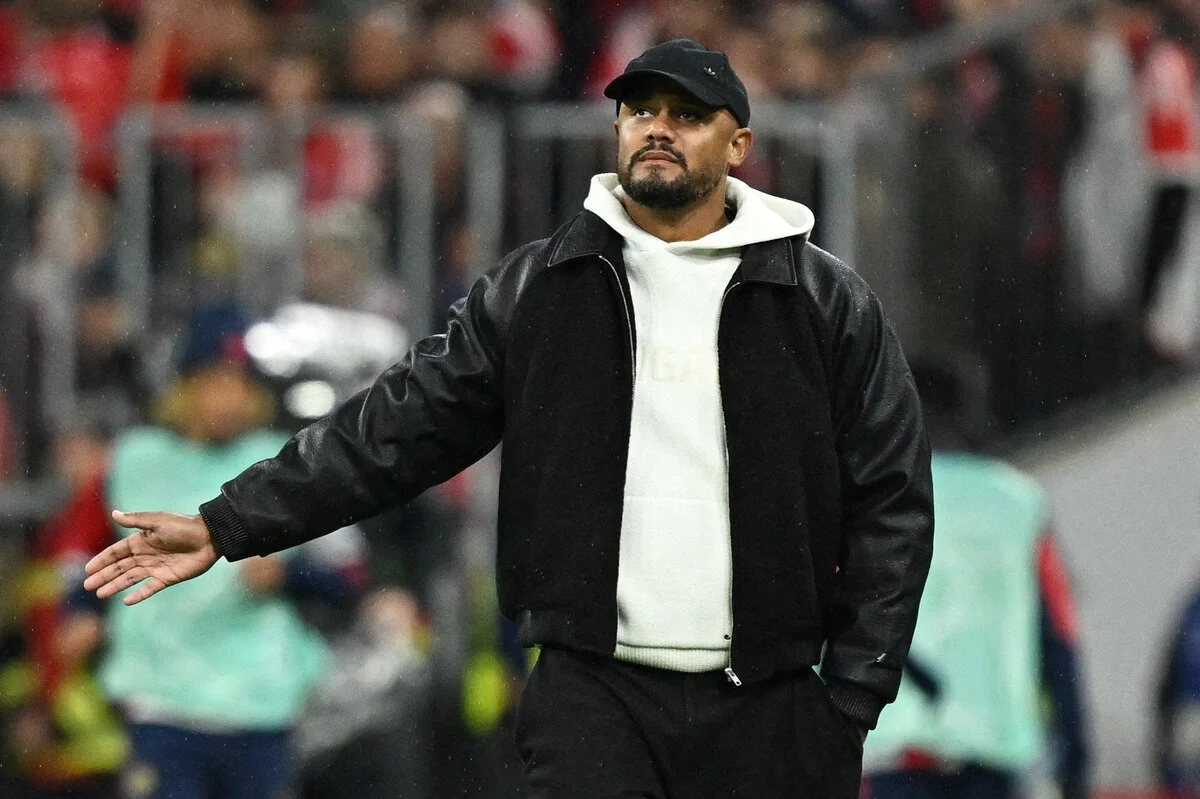
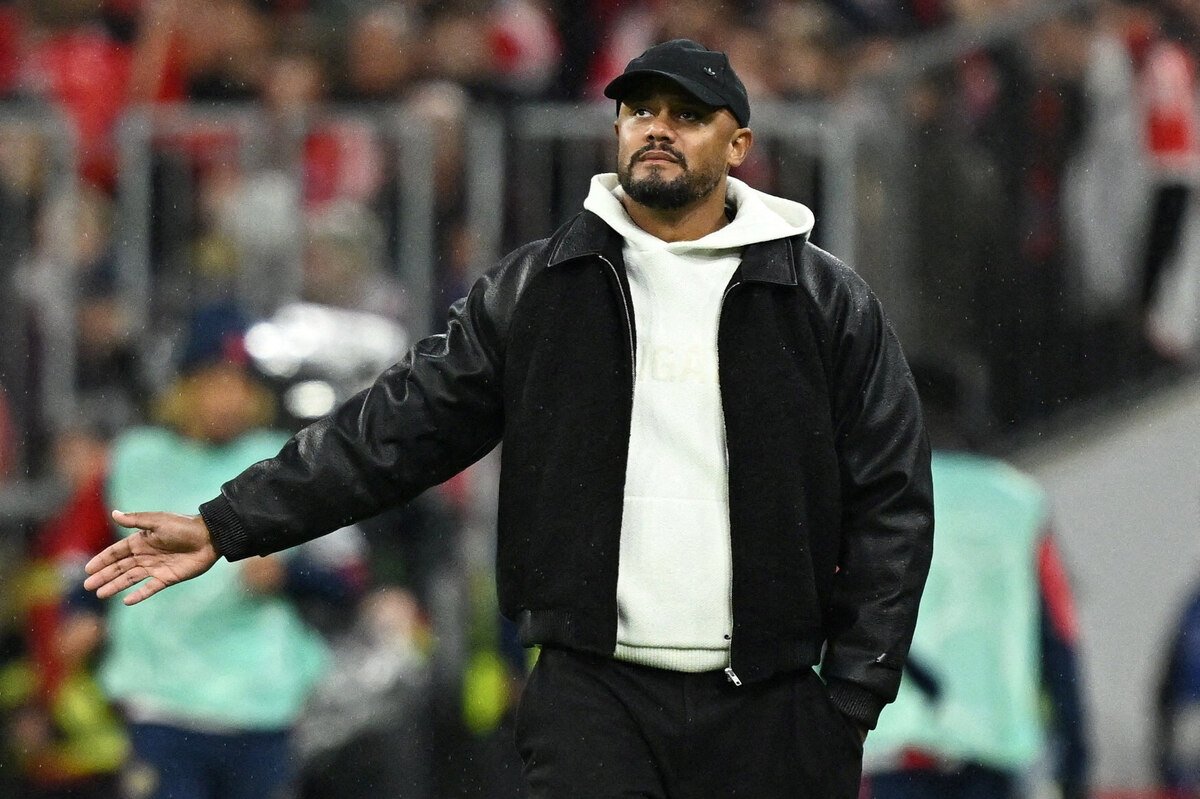
The images of Vincent Kompany at the sidelines—often appearing stoic, focused, and deeply invested in the tactical nuances of his team—will remain a familiar sight. But the narrative surrounding those images has shifted. No longer can we view his success as an inevitable byproduct of his talent alone. It is, at least in part, the result of a grueling, self-sacrificial effort that has finally extracted its due.
As Kompany undergoes treatment, the hope is not merely for a return to the dugout. The hope is that his recovery marks a shift in how we perceive the "ideal" leader. If a man of such intellect, empathy, and professional standing can be brought to his knees by the demands of his position, it is time for the industry—and society at large—to reconsider the price of the performance culture.
We have reached a point where "courage" must be redefined. It is no longer found in the ability to ignore pain to stay on the job. It is found in the admission of vulnerability and the fundamental understanding that no success, no title, and no victory is worth the erosion of one’s health. Vincent Kompany’s journey continues, but the conversation surrounding it must change—from a focus on his tactical output to a focus on his humanity.