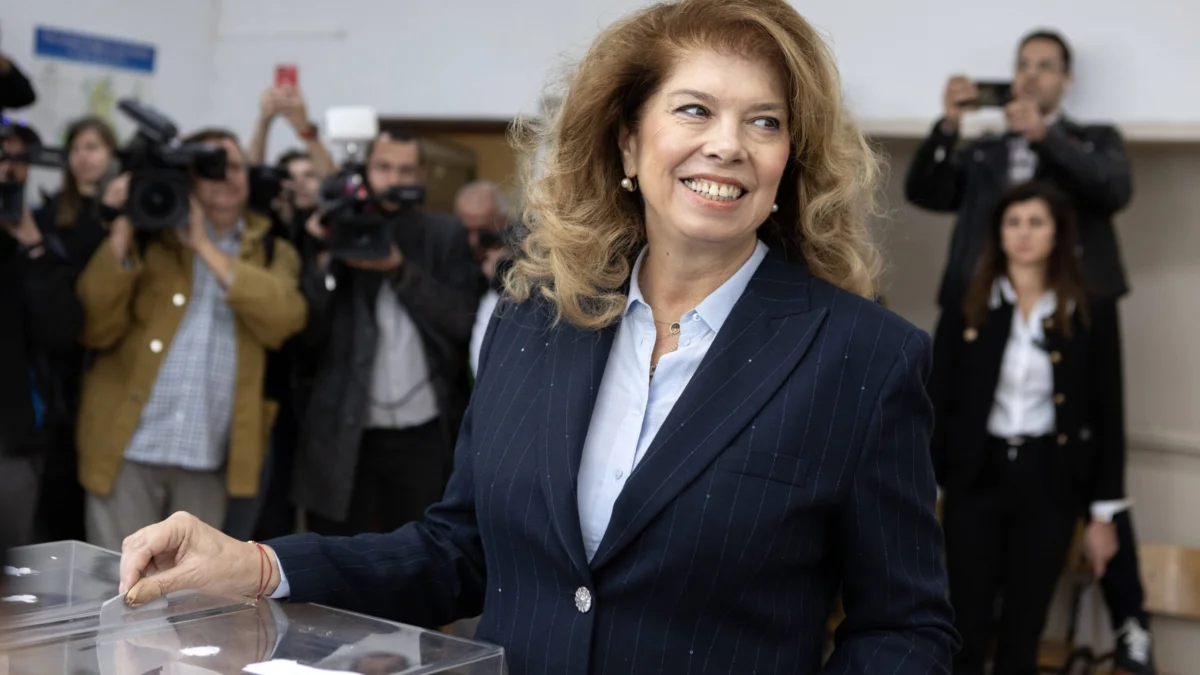
Sofia, Bulgaria – The political landscape of Bulgaria, a key member of both the European Union and NATO, finds itself at a critical juncture as the nation prepares for a presidential run-off election this coming Sunday. The first round of voting concluded with neither candidate securing the requisite absolute majority, setting the stage for a highly anticipated second ballot. The incumbent President, Ilijana Jotowa, secured the leading position as widely expected, yet the narrow margin of her victory has sent ripples of surprise through political circles. Adding to the complexity is a remarkably low voter turnout, indicating widespread public disillusionment with the political process.
The electoral contest, keenly watched by both domestic and international observers, will now see President Jotowa face off against Andrej Gjurow, a former interim head of government. Their clash in the second round promises to be a defining moment for Bulgaria’s future trajectory.
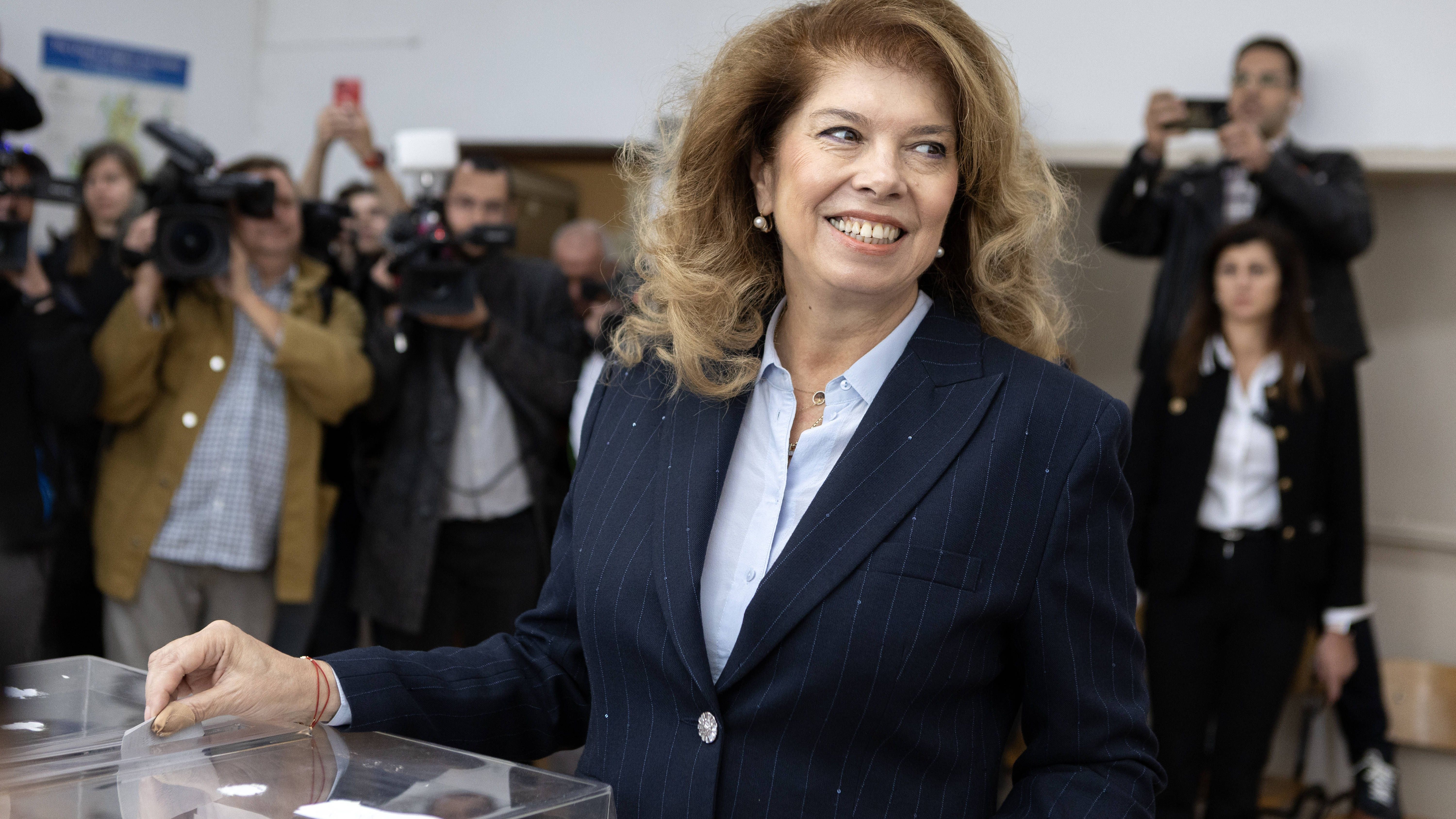
Main Facts: A Tight Race and Alarming Turnout
The initial projections from the Bulgarian polling institute Mjara revealed a stark reality: the first round failed to produce a clear winner. President Ilijana Jotowa, while leading, garnered approximately 35 percent of the votes. This figure, though placing her ahead of the pack, was unexpectedly close to her nearest rival. Andrej Gjurow, the pro-Western, liberal-conservative challenger and a respected economist with a doctorate, secured a surprising 31.9 percent. This narrow gap defied pre-election polls, which had consistently predicted a significantly larger lead for Jotowa.
Equally, if not more, concerning was the abysmal voter participation. With only 22.2 percent of eligible voters casting their ballots, the turnout fell drastically short of the more than 50 percent legally required for a first-round victory. This low engagement underscores a growing sentiment of apathy or protest among the Bulgarian electorate, a trend that could have profound implications for the legitimacy and mandate of the next head of state.
The impending run-off election, scheduled for the coming Sunday, will therefore not only determine Bulgaria’s next president but also serve as a barometer for the nation’s political health and public trust in its institutions. The focus now shifts to how effectively each candidate can mobilize their existing base and attract the support of voters whose preferred candidates have been eliminated.

Chronology of an Unexpected First Round
The path to this decisive run-off began weeks ago with a multitude of candidates vying for the highest office. The election campaign, though not without its moments of intense debate, often struggled to capture the full attention of a public grappling with various socio-economic challenges.
Early Campaign Phase: The initial stages of the campaign saw President Jotowa, as the incumbent, largely campaigning on her record and experience, emphasizing stability and continuity. Her campaign often highlighted Bulgaria’s role within the EU and NATO, advocating for a strong, unified European future while navigating complex regional dynamics. Andrej Gjurow, on the other hand, positioned himself as a fresh alternative, emphasizing reform, transparency, and a decisive pro-Western orientation. His background as an economist and former interim government head allowed him to critique the current administration’s economic policies and promise greater efficiency and anti-corruption measures.
The First Round Vote: On election day, polling stations across Bulgaria witnessed a subdued atmosphere. The low turnout was evident early on, signaling a potential shift from previous elections where voter engagement, while still challenging, was typically higher. Despite the widespread expectation of Jotowa leading, the closeness of the race with Gjurow was a significant departure from pollsters’ predictions. Many analysts pointed to a late surge for Gjurow, potentially fueled by a desire for change or a consolidation of the reformist vote against the incumbent. The results, as announced by the electoral commission based on exit polls and initial counts, quickly confirmed the need for a second round.
Immediate Aftermath: The hours following the closure of polls were marked by a flurry of activity in both camps. Jotowa’s team, while acknowledging the closer-than-expected outcome, expressed confidence in their ability to secure victory in the run-off. Gjurow’s camp, buoyed by their surprisingly strong performance, declared a new momentum, signaling their readiness to challenge the established order. Political commentators immediately began dissecting the results, analyzing regional voting patterns, demographic splits, and the potential impact of smaller parties’ supporters in the upcoming decisive vote. The key question now revolves around the ability of either candidate to expand their appeal beyond their core constituencies.
Supporting Data: Delving Deeper into the Numbers and Narratives
The first round results provide a fascinating, albeit concerning, snapshot of Bulgarian politics. The figures of 35% for Ilijana Jotowa and 31.9% for Andrej Gjurow, coupled with the 22.2% turnout, demand a closer examination of the underlying dynamics.
The Phenomenon of Low Turnout: A turnout of 22.2 percent is alarmingly low for a presidential election in a democratic state. This figure is not merely a statistic; it is a symptom of deeper issues. Possible contributing factors include:

- Voter Apathy and Disillusionment: Years of political instability, frequent government changes, and persistent issues like corruption and low living standards may have fostered a sense of hopelessness among voters, leading them to believe their vote makes little difference.
- Protest Vote by Abstention: For some, not voting is a deliberate act of protest against the entire political class, signaling dissatisfaction with all available candidates and parties.
- Emigration: Bulgaria has experienced significant emigration, particularly among its younger and more educated population. This demographic shift can impact voter rolls and overall participation rates.
- Lack of Compelling Alternatives: If voters perceive a lack of genuine ideological or policy differences between candidates, or if they feel none adequately represent their interests, abstention becomes more likely.
- Trust in Institutions: A decline in public trust in electoral processes, political parties, and state institutions can deter participation.
Historically, Bulgarian elections have struggled with turnout, but this recent figure represents a concerning nadir, raising questions about the mandate and representativeness of the eventual winner.
Ilijana Jotowa: The Incumbent’s Challenge: As the incumbent President, Ilijana Jotowa represents continuity and experience. Her 35% support, while the highest, is indicative of a solid, established base, likely drawing from more traditional and possibly older segments of the electorate, as well as those who value stability. Her campaign likely emphasized national unity, the importance of Bulgaria’s geopolitical alliances, and steady progress. However, the unexpectedly narrow lead suggests that her message may not have resonated sufficiently with younger or more reform-minded voters. She faces the challenge of invigorating her base and persuading undecided voters that her continued leadership is essential for the nation’s stability and progress. The fact that she was the "Präsidentin" (President) and still had to face a run-off speaks to the fragmented and volatile nature of Bulgarian politics.
Andrej Gjurow: The Reformist Surge: Andrej Gjurow’s 31.9% is a testament to the appetite for change within a significant portion of the Bulgarian electorate. Described as pro-Western and supported by the liberal-conservative opposition, Gjurow likely appealed to voters seeking a departure from the status quo. His background as an economist and former interim government head would have lent credibility to his promises of economic reform and good governance. His surprisingly strong performance indicates a successful mobilization of a segment of voters who are likely younger, urban, and more engaged with issues of transparency and European integration. The reform-oriented liberal-conservative bloc has seemingly found a potent challenger in Gjurow, who now carries the hopes of those desiring a more decisive pivot towards Western democratic norms and market principles, away from the shadows of corruption that have long plagued Bulgarian politics. His task for the run-off is to convert this momentum into a winning coalition by attracting votes from candidates who did not make it to the second round.

The Broader Political Context: Bulgaria’s political landscape is characterized by its complex relationship with the EU and NATO, ongoing struggles against corruption, and a persistent need for economic modernization. The president, while largely a ceremonial head of state, holds significant moral authority and can influence foreign policy and national discourse. The election outcome will reflect the public’s current priorities, whether they lean towards stability and experience or a more assertive push for reform and integration. The lack of a clear mandate in the first round indicates a deeply divided electorate, making the second round a true test of political persuasion.
Official Responses and Strategic Maneuvers
In the wake of the first-round results, both presidential camps swiftly moved to articulate their positions and lay out their strategies for the upcoming run-off.
President Ilijana Jotowa’s Camp: Sources close to President Jotowa indicated a mix of resolve and a call for greater voter engagement. Her campaign team underscored the importance of continuity and experienced leadership in a volatile global environment. In public statements, Jotowa herself thanked her supporters and emphasized the need for unity, urging all citizens to participate in the second round to ensure a strong mandate for the presidency. She likely highlighted her past achievements and her commitment to Bulgaria’s national interests, particularly its integration within the European framework and strong ties with NATO allies. There was an implicit acknowledgment that the low turnout was a concern, and efforts would be redoubled to mobilize voters who may have stayed home in the first round.

Andrej Gjurow’s Camp: Gjurow’s team exuded confidence, viewing their strong showing as a clear indicator of public desire for change. They framed the run-off as a choice between the past and the future, between stagnation and reform. Gjurow himself issued an impassioned plea to voters, particularly those who supported other reformist or opposition candidates in the first round, to consolidate their votes behind him. He reiterated his commitment to fighting corruption, strengthening democratic institutions, and accelerating Bulgaria’s pro-Western trajectory. His campaign strategists will likely focus on contrasting his vision with the incumbent’s, highlighting perceived shortcomings in governance and promising a more dynamic and transparent administration. The challenge for Gjurow lies in convincing a broader segment of the electorate that he can deliver on these promises and unite disparate opposition factions.
Reactions from Other Political Parties: Parties whose candidates failed to make it to the run-off are now facing critical decisions about who to endorse, if anyone. Their endorsements could prove crucial in a tight race. Some smaller liberal or reformist parties are expected to throw their weight behind Gjurow, seeing him as the best chance to unseat the incumbent and push for their shared agendas. Conversely, more nationalist or conservative parties might lean towards Jotowa, or abstain from endorsement, depending on their strategic calculations and ideological alignments. The neutrality or endorsement of these parties will significantly impact the flow of votes and the narrative surrounding the run-off.
The Central Electoral Commission: The Central Electoral Commission has confirmed the results of the first round and announced that preparations for the run-off are well underway. They emphasized the integrity of the electoral process and urged all eligible citizens to exercise their democratic right to vote, implicitly acknowledging the concerns over low turnout.

Implications: The Road Ahead for Bulgaria
The outcome of this presidential run-off will have far-reaching implications for Bulgaria, influencing its domestic stability, international standing, and the pace of crucial reforms.
Domestic Political Stability: A close victory for either candidate, especially if accompanied by another low turnout, could lead to a presidency with a perceived weaker mandate. This might exacerbate existing political divisions and make it challenging for the new president to act as a unifying figure. Bulgaria has a history of political instability, and a contentious presidential election could further complicate efforts to form stable parliamentary majorities and implement necessary reforms. The president, while not directly involved in daily governance, plays a vital role in mediating political crises and appointing interim governments when parliamentary impasses occur.
The Fight Against Corruption and Reform Agenda: Andrej Gjurow’s strong performance reflects a public hunger for more aggressive action against corruption and for deeper institutional reforms. If he wins, there could be renewed pressure on the government to tackle these issues more decisively. If President Jotowa secures re-election, she might be compelled to adopt a more robust reform agenda to address the concerns voiced by a significant portion of the electorate through Gjurow’s campaign. The president can initiate legislative proposals, veto laws, and influence the appointment of key figures in the judiciary and security services, all of which are crucial levers in the fight against corruption.

Geopolitical Alignment and International Relations: Both candidates are generally seen as favoring Bulgaria’s pro-Western orientation, affirming its membership in the EU and NATO. However, nuances in their approach could influence Bulgaria’s standing. Gjurow, explicitly backed by a pro-Western liberal-conservative bloc, might signal a more assertive stance on European integration and cooperation with Western allies. Jotowa, as the incumbent, would likely continue the established foreign policy, but potentially with a stronger emphasis on balancing national interests within the broader European context. The election outcome could subtly shift Bulgaria’s diplomatic priorities, particularly regarding its relations with Russia, its Western Balkan neighbors, and its engagement with pressing regional and international challenges.
The Role of the Presidency: The Bulgarian presidency is primarily a unifying and representative role, rather than an executive one. However, the president serves as the commander-in-chief of the armed forces, has the power to veto legislation (which can be overridden by parliament), and plays a crucial role in foreign policy and national security. A strong and respected president can act as a moral compass for the nation and a voice for national consensus. The winner of this run-off will face the immediate challenge of restoring public trust in political institutions and engaging a deeply disengaged electorate, thereby strengthening the democratic fabric of the country.
In conclusion, the upcoming run-off election is more than just a contest between two individuals; it is a critical referendum on Bulgaria’s future direction. The alarmingly low turnout serves as a stark reminder of the democratic challenges facing the nation, making the call for civic engagement in the second round more urgent than ever. The choice between continuity and a renewed push for reform will shape Bulgaria’s destiny for years to come, both within its borders and on the international stage.